Witch hazel is a natural, gentle toner that soothes inflammation, tightens pores, and balances oil production. Derived from the Hamamelis virginiana plant, it contains tannins and antioxidants that reduce redness. Used correctly, it can be a valuable addition to a calm, even complexion.
Witch hazel is a natural, gentle toner that helps soothe inflammation, tighten pores, and balance oil production without stripping the skin. Derived from the bark and leaves of the Hamamelis virginiana plant, it contains tannins and antioxidants that reduce redness and promote a calmer, more even complexion. When used correctly, it can be a valuable addition to a skincare routine for many skin types.
What Makes Witch Hazel a Gentle Toner?
Witch hazel’s reputation as a gentle toner comes from its unique composition. The plant extract contains tannins, which are astringent compounds that help shrink pores and reduce excess oil. However, not all witch hazel products are created equal. Many commercial toners contain alcohol, which can be drying and irritating. To enjoy the benefits of witch hazel without irritation, look for alcohol-free versions that retain the plant’s natural soothing properties. The key is to choose a high-quality, pure witch hazel distillate that has been distilled without denatured alcohol. This ensures you get the gentle tightening effect without the harshness.
When applied as a toner, witch hazel can help remove residual dirt and makeup after cleansing, prepping the skin to better absorb serums and moisturizers. Its natural anti-inflammatory properties make it particularly beneficial for those with acne-prone or sensitive skin, as it can calm breakouts and reduce redness without over-drying. Many dermatologists recommend it as a milder alternative to traditional astringents that contain high percentages of alcohol.
In addition to tannins, witch hazel contains proanthocyanidins, which are potent antioxidants that protect the skin from environmental damage. These compounds help neutralize free radicals that can lead to premature aging. Regular use of a gentle witch hazel toner can therefore support a more resilient skin barrier over time, making it a smart choice for those seeking a natural approach to daily skincare.
It’s important to note that while witch hazel is generally well-tolerated, some individuals with extremely dry or compromised skin may still find it slightly astringent. In such cases, diluting the toner with water or using it only on oily areas can help. Always listen to your skin and adjust usage accordingly. For most people, however, a high-quality witch hazel toner can be a refreshing and balancing step in the routine.
How to Incorporate Witch Hazel into Your Skincare Routine
Using witch hazel as a toner is straightforward, but proper technique ensures you get the best results. Start with a clean face: wash your face with a gentle cleanser suited to your skin type, then pat dry. Pour a small amount of alcohol-free witch hazel onto a cotton pad or reusable round. Gently sweep it across your face and neck, avoiding the eye area. Allow it to air dry for a few seconds before applying your serum and moisturizer. This step helps the subsequent products penetrate more effectively.
For those with oily or combination skin, witch hazel can be used twice daily—morning and night—to control shine and minimize the appearance of pores. If you have dry or sensitive skin, limit use to once a day, preferably in the evening, and follow with a rich moisturizer. You can also use witch hazel as a spot treatment for blemishes: dip a cotton swab in the toner and dab directly onto a pimple to reduce inflammation overnight.
Another effective method is to use witch hazel as a refreshing mist throughout the day, especially in Pakistan’s humid climate. Transfer the toner into a small spray bottle and spritz over makeup or bare skin to cool and rebalance. Just be sure to avoid spraying directly into the eyes. This can be particularly soothing during hot weather or after exercise.
Remember that witch hazel is not a substitute for your regular cleanser; it’s a secondary step to remove any leftover impurities and refine texture. Always patch test a new toner on your inner arm before applying it to your face, especially if you have known sensitivities. With consistent use, you may notice fewer breakouts, tighter pores, and a more even skin tone.
Common Mistakes to Avoid When Using Witch Hazel
One of the biggest mistakes people make is using a witch hazel toner that contains high amounts of alcohol. Many drugstore brands add denatured alcohol to enhance the astringent feel, but this can strip the skin’s natural oils, leading to dryness, irritation, and even increased oil production as the skin tries to compensate. Always check the ingredient list and choose an alcohol-free formula.
Another common error is over-toning. Using witch hazel more than two to three times a day can disrupt the skin’s pH balance and weaken its barrier. Stick to once or twice daily at most. If you experience stinging, redness, or tightness, reduce frequency or dilute the toner with rose water or distilled water.
Some people also forget to moisturize after toning. Even though witch hazel is gentle, it still has a mild astringent effect that can temporarily tighten the skin. Following with a hydrating moisturizer locks in moisture and maintains a healthy barrier. Skipping this step can leave the skin feeling dry over time.
Lastly, avoid using witch hazel on broken or sunburned skin. While it has anti-inflammatory properties, the tannins can be too stimulating on damaged skin. Instead, wait until the skin has healed before reintroducing the toner. Also, never use witch hazel as a makeup remover—it’s not effective at dissolving waterproof products and can cause tugging on the delicate eye area.
What to Look for When Choosing a Witch Hazel Toner
When shopping for a witch hazel toner, the most critical factor is the alcohol content. Look for “alcohol-free” on the label, or check the ingredients for “Hamamelis virginiana (witch hazel) distillate” without added alcohol. Pure witch hazel distillate is naturally alcohol-free and retains the beneficial tannins and antioxidants. Brands that use witch hazel extract may also be acceptable, but ensure there are no harsh preservatives or fragrances.
Another thing to consider is the formulation. Some witch hazel toners include additional soothing ingredients like aloe vera, chamomile, or glycerin, which can enhance hydration and calmness. These are ideal for sensitive or dry skin. For oily or acne-prone skin, look for toners with added salicylic acid or niacinamide, but be cautious not to overcomplicate the formula if you’re new to witch hazel.
Packaging matters too. Since witch hazel is sensitive to light and air, choose a dark glass bottle or an opaque container to preserve its potency. Avoid large, clear plastic bottles that may degrade the active compounds over time. A pump or dropper dispenser also minimizes contamination.
Finally, consider the price point. While you don’t need to spend a lot, extremely cheap toners often contain alcohol or low-quality extracts. A mid-range product from a reputable brand like Flambeauty can offer a good balance of quality and value. You can also explore their Skin Care category for complementary products that pair well with a gentle toner.
Tailoring Witch Hazel for Different Skin Types
Oily and Acne-Prone Skin
For those with oily skin, witch hazel can be a game-changer. Its astringent properties help control excess sebum and reduce the appearance of pores. Use it twice daily after cleansing, and follow with a lightweight, oil-free moisturizer. You can also layer it with a salicylic acid serum for deeper pore cleansing, but avoid over-exfoliating. Many users find that consistent use leads to fewer breakouts and a matte finish without the tightness of alcohol-based toners.
Dry and Sensitive Skin
If you have dry or sensitive skin, choose a witch hazel toner that is alcohol-free and enriched with hydrating ingredients like rose water or hyaluronic acid. Use it only once a day, preferably in the evening, and always follow with a rich moisturizer. You can also dilute the toner with equal parts water to reduce its astringency. Patch test on a small area first, and if any irritation occurs, discontinue use. For very reactive skin, consider using it only on oily zones like the T-zone.
Combination Skin
Combination skin benefits from a targeted approach. Apply witch hazel only to the oily areas (forehead, nose, chin) while avoiding dry cheeks. This helps balance oil production without stripping moisture from drier parts. You can use it once or twice daily, adjusting based on how your skin feels. Pair with a hydrating serum on the cheeks and a gel moisturizer overall.
Normal Skin
Even if your skin is balanced, witch hazel can help maintain clarity and refine texture. Use it once daily, preferably at night, to remove residual impurities and support a healthy glow. It can also serve as a prep step before applying a brightening serum or moisturizer. For an extra boost, try using it after your vitamin C serum to enhance absorption—but always allow the serum to dry first.
Why Choose a Natural Toner Like Witch Hazel?
Switching to a natural toner like witch hazel can simplify your routine and reduce exposure to synthetic chemicals. Many conventional toners contain parabens, sulfates, and artificial fragrances that can irritate the skin over time. Witch hazel, when sourced correctly, is a plant-based alternative that delivers similar benefits without the unnecessary additives. It’s also biodegradable and often produced with sustainable harvesting practices, making it an eco-conscious choice.
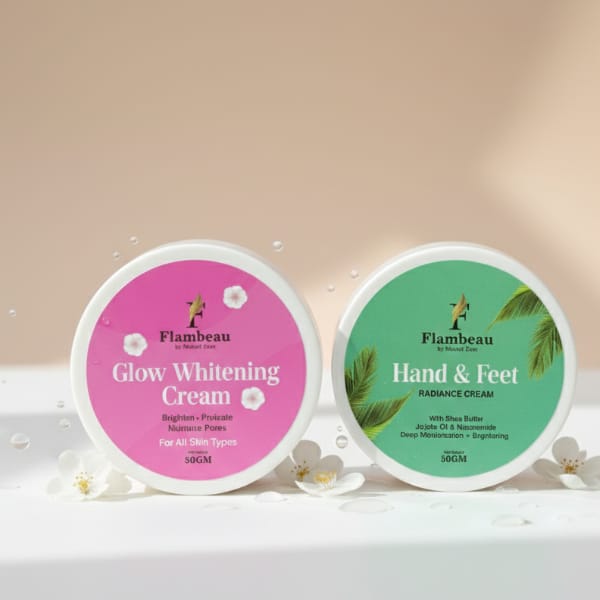
In Pakistan’s climate, where heat and humidity can lead to clogged pores and shine, a gentle witch hazel toner can be particularly beneficial. It helps remove excess sweat and oil without over-drying, leaving the skin feeling refreshed. Many local brands now offer high-quality, alcohol-free witch hazel products that cater to Pakistani skin types and budgets. For example, you can complement your toner with a nourishing hand and foot cream from the Glow Care Bundle to keep your extremities soft and smooth.
Additionally, using natural ingredients reduces the likelihood of long-term irritation and supports a healthier skin microbiome. While no toner is a cure-all, incorporating witch hazel into a balanced routine can lead to improved skin appearance and a more comfortable feel. For those looking to build a complete regimen without overspending, check out this guide on building a skincare routine on a budget.
Remember, consistency and quality are key. Choose a reliable, alcohol-free witch hazel toner, use it appropriately for your skin type, and always moisturize afterward. With time, you’ll likely notice a calmer, more balanced complexion. For more skincare tips and product recommendations, explore the Flambeauty blog.
Frequently Asked Questions
Can witch hazel cause dryness?
Witch hazel can cause dryness if it contains alcohol or if you use it too frequently. Opt for an alcohol-free formula and limit use to once or twice daily, always following with a moisturizer.
Is witch hazel safe for sensitive skin?
Yes, if you choose an alcohol-free version and patch test first. Sensitive skin may benefit from diluting the toner with water or using it only on oily areas.
How often should I use witch hazel toner?
For most skin types, once or twice daily is sufficient. Oily skin can use it twice daily, while dry or sensitive skin should stick to once daily or less.
Can I use witch hazel around my eyes?
No, avoid the eye area as it can cause stinging and irritation. Use a gentle eye cream or serum for that delicate zone instead.
Written by Mishal Rehman, owner of Flambeauty — sharing practical, professional beauty and skincare guidance.
Updated: July 2026