Achieve a dewy, glass-skin look at home with our expert tips. Learn the skincare routine, products, and habits for a radiant, healthy complexion.
Achieving a dewy, glass-skin look at home involves gentle exfoliation, deep hydration, and luminous makeup. Focus on layering hydrating toners, serums with hyaluronic acid, and moisturizers, then seal with a subtle highlighter. Consistent care and the right products will give you that translucent, healthy glow.
What You Need for Glass Skin: Essential Products and Ingredients
To get that coveted glass-skin look, you need more than just a few random products. It’s about building a routine that focuses on hydration, gentle exfoliation, and protection. The goal is to create a smooth, reflective surface that catches the light, making your skin appear translucent and healthy. This doesn’t mean you need a 12-step routine; it means choosing the right ingredients and being consistent. Start by understanding your skin type and its unique needs. Whether you’re oily, dry, or somewhere in between, the core principles remain the same: cleanse gently, hydrate deeply, and protect diligently.
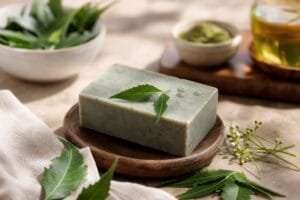
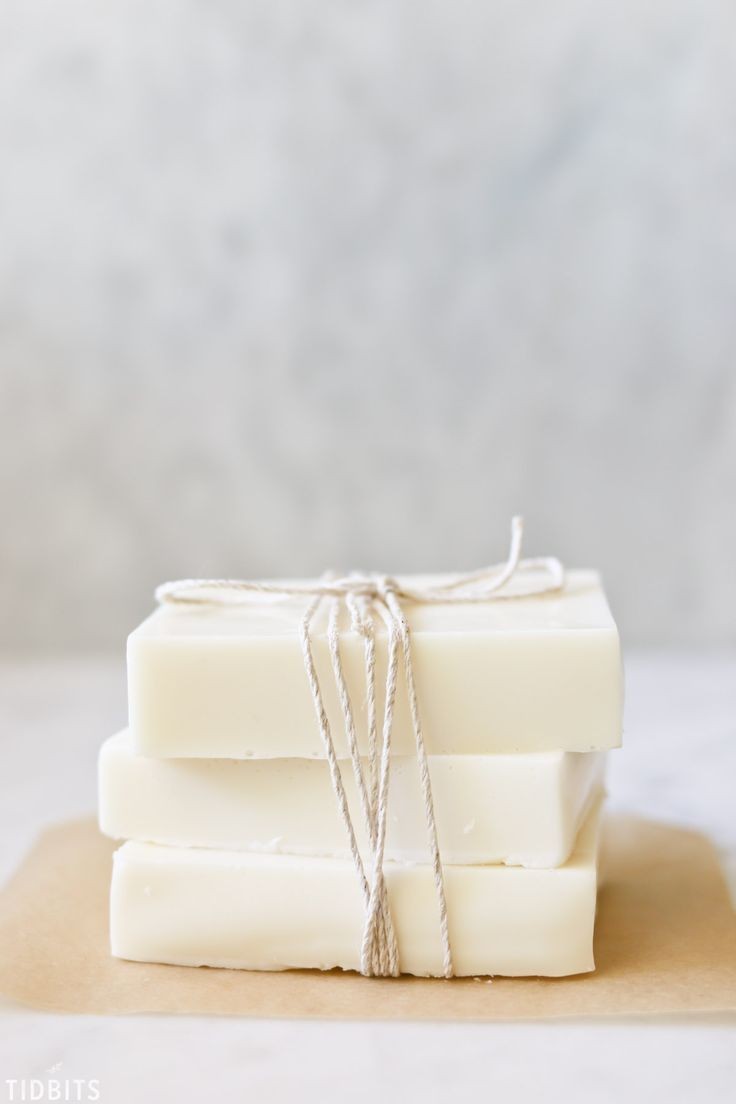
The first step is a gentle cleanser that removes impurities without stripping your skin’s natural oils. Look for sulfate-free formulas with ingredients like glycerin or ceramides. Harsh cleansers can disrupt your skin barrier, leading to dryness and excess oil production. For a truly glass-like finish, you want your skin to be calm and balanced. A great option is the Goat Milk Soap, which cleanses softly while providing nourishing vitamins and fatty acids. It’s suitable for most skin types and leaves your skin feeling soft, not tight.
Next, exfoliation is key to removing dead skin cells that can dull your complexion. However, aggressive scrubs can cause micro-tears and irritation. Instead, opt for chemical exfoliants like AHAs (alpha-hydroxy acids) and BHAs (beta-hydroxy acids). Lactic acid, a gentle AHA, is excellent for smoothing texture and brightening, while salicylic acid, a BHA, penetrates pores to clear congestion. Use these 2-3 times a week, depending on your skin’s tolerance. Always follow with hydration to avoid dryness.
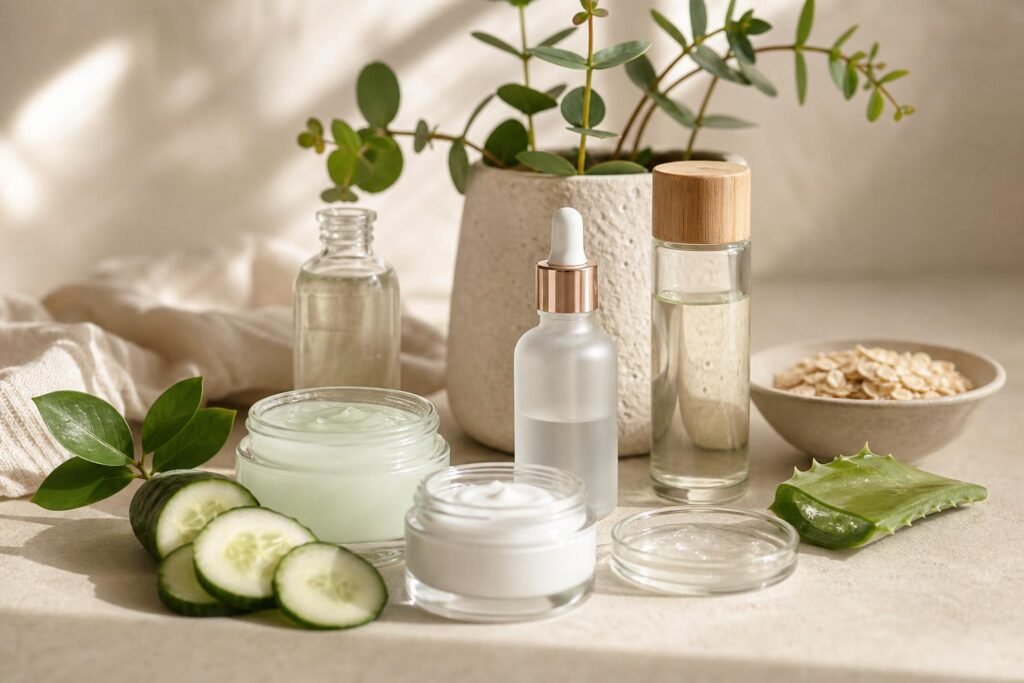
Hydration is the heart of glass skin. You’ll want to layer multiple hydrating products to flood your skin with moisture. Start with a hydrating toner or essence—these are lightweight liquids that prep your skin for the rest of your routine. Look for ingredients like hyaluronic acid, glycerin, and beta-glucan. Then, apply a hydrating serum packed with humectants that draw water into your skin. Hyaluronic acid is a superstar here; it can hold up to 1000 times its weight in water. Niacinamide is another fantastic ingredient that strengthens the skin barrier and improves texture.
Finally, you need a moisturizer to seal in all that hydration. This step is non-negotiable for glass skin. Choose a moisturizer that contains occlusives (like squalane or shea butter) and emollients (like ceramides) to lock in moisture and prevent water loss. Even if you have oily skin, you still need a lightweight moisturizer—skipping it can lead to dehydration and excess oil. And of course, sunscreen is mandatory every single day, even indoors. UV rays damage collagen and cause hyperpigmentation, which can ruin your glass-skin goals. A broad-spectrum SPF 30 or higher is your best friend.
Additionally, consider incorporating a facial oil for extra glow. Oils like rosehip, jojoba, or squalane can give your skin a luminous finish and provide antioxidant benefits. Use them as the last step of your nighttime routine or mix a drop into your moisturizer for a dewy daytime look. Remember, glass skin is about layering—each product builds on the last to create that reflective, plump appearance.
Step-by-Step Routine for a Dewy, Glass-Skin Look at Home
Now that you know what you need, let’s walk through a practical routine you can follow at home. Consistency is crucial, so aim to perform this routine both morning and evening, though you can simplify your morning routine if you’re short on time. The key is to be gentle and thorough. Before you start, wash your hands and tie your hair back. Begin with a clean canvas.
Step 1: Double Cleansing (Evening Only). In the evening, start with an oil-based cleanser to melt away makeup and sunscreen, followed by your regular gentle cleanser. This ensures a deep clean without stripping. In the morning, a single cleanse is sufficient. Use lukewarm water—hot water can irritate and dry out your skin. Pat your face dry with a soft towel; never rub.
Step 2: Exfoliate (2-3 Times a Week). After cleansing, apply your chemical exfoliant. If you’re using an AHA like lactic acid, leave it on for a few minutes before moving on. If you’re using a BHA, it’s great for oily areas. Start slowly—once a week—and gradually increase frequency if your skin tolerates it. Always patch test first to avoid adverse reactions. Over-exfoliating can lead to redness, sensitivity, and a compromised barrier, which is the opposite of glass skin.
Step 3: Tone and Hydrate. Pour a few drops of hydrating toner or essence into your palms and gently press into your skin. You can also use a cotton pad, but pressing is more economical and less wasteful. This step adds a layer of hydration and helps subsequent products absorb better. Look for toners with ingredients like hyaluronic acid, centella asiatica, or green tea. Avoid alcohol-based toners that can be drying.
Step 4: Apply Serum. While your skin is still damp, apply your hydrating serum. This is where you can target specific concerns—like brightening with vitamin C in the morning or using niacinamide to refine pores. Use a few drops and gently pat into your skin. Don’t forget your neck! Serums are concentrated, so a little goes a long way. If you’re using multiple serums, apply from thinnest to thickest consistency.
Step 5: Moisturize. Lock in all that goodness with a moisturizer suited to your skin type. If you have dry skin, opt for a richer cream; if oily, a gel or lotion. Massage it in upward motions to stimulate circulation. This step is vital for maintaining hydration and creating a smooth base for makeup.
Step 6: Sunscreen (Morning Only). Never skip sunscreen during the day. Apply a generous amount (about two finger lengths) as the final step of your skincare routine. If you’re indoors near windows, still wear it—UVA rays can penetrate glass. Choose a sunscreen that doesn’t leave a white cast and sits well under makeup. Many sunscreens now come with added hydration, which is a bonus for glass skin.
Step 7: Facial Oil (Optional, Evening). If you want an extra glow, warm a few drops of facial oil between your palms and press into your skin after moisturizer. This seals in moisture and gives a luminous finish. In the morning, you can skip this if you’re prone to oiliness, or use a lightweight oil like squalane.
For an extra boost, consider using a sheet mask once a week. Sheet masks are soaked in serums and provide intense hydration. Leave it on for 15-20 minutes, then pat the remaining essence into your skin. You can also use a hydrating mist throughout the day to refresh your skin and maintain dewiness. Keep one in your bag for a quick pick-me-up.
Remember, the goal is to be gentle and consistent. Don’t rush through the steps; take your time and enjoy the process. Your skin will thank you with a healthy, radiant glow. For more tips on building a routine, check out our blog archive for additional guidance.
Adapting the Routine for Different Skin Types
Glass skin is achievable for all skin types, but the approach may vary. Here’s how to tailor the routine to your specific skin needs.
Dry Skin
If your skin is dry, you’ll want to focus on rich, emollient products that replenish lipids. Your cleanser should be creamy and non-foaming. The Goat Milk Soap is gentle and moisturizing, making it a great choice. Layer a hydrating toner, a hyaluronic acid serum, and a thick moisturizer containing ceramides and shea butter. Don’t shy away from facial oils—they can be incredibly beneficial. Argan oil and rosehip oil are excellent for dry skin. At night, you might even apply an overnight mask or a sleeping pack to seal in moisture. Exfoliate less frequently—once a week with a mild AHA like lactic acid. Avoid clay masks, which can be too drying.
Oily Skin
Oily skin can still achieve glass skin; in fact, the natural oils can contribute to a dewy look. However, you need to balance oil production without stripping. Use a gentle foaming cleanser, but don’t over-wash—this can trigger more oil. The Goat Milk Soap is suitable for oily skin as it cleanses without over-drying. Opt for lightweight, water-based products. A hydrating toner with niacinamide can help control oil. Use a gel moisturizer and a mattifying sunscreen. Exfoliate with BHA (salicylic acid) to keep pores clear. Avoid heavy oils; instead, use a few drops of squalane if needed. For more on managing oily skin, read our post Over-Cleansing and Oily Skin: Why More Washing Backfires.
Combination Skin
Combination skin requires a balanced approach. You might have an oily T-zone and dry cheeks. Use a gentle cleanser like the Goat Milk Soap, and then apply a hydrating toner all over. For your serum, use a lightweight hydrating formula. Moisturize with a lotion that’s rich enough for dry areas but not too heavy for oily zones. You can also multi-mask: use a clay mask on your T-zone and a hydrating mask on your cheeks. Exfoliate with a mild AHA/BHA combo. Sunscreen should be lightweight and non-comedogenic. Listen to your skin—adjust products as needed.
Sensitive Skin
Sensitive skin needs extra care. Avoid fragrances, essential oils, and harsh exfoliants. The Goat Milk Soap is fragrance-free and gentle, making it ideal. Patch test all new products. Stick to minimal ingredients: a gentle cleanser, a soothing toner with centella asiatica or chamomile, a barrier-repair serum with ceramides and niacinamide, and a simple moisturizer. Exfoliate very rarely—once every 10 days with lactic acid, if tolerated. Sunscreen should be mineral-based (zinc oxide or titanium dioxide) to reduce irritation. Always introduce one product at a time.
Acne-Prone Skin
Acne-prone skin can still get glass skin, but you need to manage breakouts. Use a gentle cleanser and avoid scrubbing. The Goat Milk Soap is non-comedogenic and can help soothe inflammation. Incorporate salicylic acid (BHA) to unclog pores, but don’t overdo it. Niacinamide can reduce redness and control oil. Moisturize with a lightweight, non-greasy formula. Look for products labeled “non-comedogenic.” Avoid heavy oils and occlusives that can clog pores. Sunscreen is crucial, as some acne treatments increase sun sensitivity. Be patient—glass skin takes time, especially if you’re dealing with active acne. For more on skin health, see our article Simple Habits for Energy and Skin Health Together.
No matter your skin type, consistency and gentleness are key. Don’t compare your journey to others; skin health is personal. Adjust your routine based on how your skin responds, and don’t be afraid to seek professional advice if needed.
Common Mistakes to Avoid on Your Glass-Skin Journey
Even with the best intentions, it’s easy to fall into habits that sabotage your glow. Here are some common mistakes to avoid.
Over-exfoliating is a big one. While exfoliation is important, doing it too often or using harsh scrubs can damage your skin barrier, leading to redness, sensitivity, and breakouts. Stick to chemical exfoliants 2-3 times a week, and always follow with hydration. If your skin feels tight or stings, you’re overdoing it.
Skipping moisturizer because you have oily skin is another mistake. Oily skin can still be dehydrated. Without moisturizer, your skin may produce even more oil to compensate. Choose a lightweight gel or lotion instead of skipping it entirely. Hydration is essential for that glass-like plumpness.
Not wearing sunscreen daily is perhaps the worst mistake. UV damage causes premature aging, dark spots, and dullness—all of which work against glass skin. Even on cloudy days, UV rays penetrate. Make sunscreen a non-negotiable step every morning, and reapply if you’re outdoors for extended periods.
Using too many products at once can overwhelm your skin and cause irritation. Introduce new products one at a time, with a week or two in between, to see how your skin reacts. This also helps you identify which products actually work for you. A minimalist routine with effective ingredients is better than a 10-step routine that irritates your skin.
Ignoring your neck and ears can create an uneven complexion. When applying skincare, extend it down your neck and don’t forget your ears. These areas are often neglected but can show signs of aging and sun damage. For a truly glass-like appearance, treat your neck with the same care as your face.
Expecting overnight results is unrealistic. Glass skin is a marathon, not a sprint. It may take weeks or even months of consistent care to see a noticeable difference. Be patient and kind to your skin. Celebrate small improvements along the way.
Using dirty makeup brushes can transfer bacteria and cause breakouts. Clean your brushes regularly—at least once a week—with a gentle cleanser. Also, avoid sleeping in makeup, as it clogs pores and prevents your skin from renewing overnight.
Not drinking enough water can affect your skin’s hydration from within. While topical hydration is important, internal hydration matters too. Aim for 8-10 glasses of water a day, and eat water-rich fruits and vegetables. Your skin will reflect your overall health.
Overlooking the role of diet can also hinder your progress. High-sugar and high-dairy diets may trigger inflammation and breakouts in some people. Focus on a balanced diet rich in antioxidants, healthy fats, and vitamins. Foods like berries, leafy greens, nuts, and fatty fish can support skin health.
Using the wrong products for your skin type can lead to poor results. For example, a heavy cream might be too much for oily skin, while a lightweight gel might not be enough for dry skin. Pay attention to your skin’s needs and choose accordingly. When in doubt, consult a dermatologist or read reviews from people with similar skin types.
By avoiding these pitfalls, you’ll be well on your way to a dewy, glass-skin complexion. Remember, consistency and gentleness are your best allies. For more skincare insights, explore our Skin Care category for product recommendations and tips.
Choosing the Right Products: What to Look For
With so many products on the market, it can be overwhelming to choose the right ones for glass skin. Here’s what to look for in each category.
Cleansers: Look for gentle, sulfate-free formulas that maintain your skin’s pH. Ingredients like glycerin, ceramides, and aloe vera are good. Avoid harsh detergents that leave your skin feeling tight. The Goat Milk Soap is an excellent choice as it cleanses without stripping, thanks to its natural moisturizing properties.
Exfoliants: Choose chemical exfoliants over physical scrubs. For brightening, look for AHAs like glycolic acid (for experienced users) or lactic acid (gentler). For unclogging pores, BHAs like salicylic acid are ideal. Start with lower concentrations (5-10% for AHAs, 0.5-2% for BHAs) and use as directed. Avoid using multiple exfoliants at once.
Toners/Essences: These should be hydrating and alcohol-free. Look for ingredients like hyaluronic acid, glycerin, beta-glucan, and plant extracts like green tea or centella asiatica. They should feel like water and absorb quickly, leaving no sticky residue.
Serums: This is where you can target specific concerns. For hydration, hyaluronic acid serums are a must. For brightening, vitamin C (L-ascorbic acid or derivatives) is great. Niacinamide (5-10%) helps with texture and barrier repair. Peptides can support collagen production. Choose serums with minimal ingredients to reduce irritation risk.
Moisturizers: Look for a balance of humectants (draw water), emollients (soften), and occlusives (seal). Ceramides, squalane, shea butter, and glycerin are all excellent. For oily skin, opt for gel or lotion textures; for dry skin, creams or balms. Avoid pore-clogging ingredients like coconut oil if you’re acne-prone.
Sunscreens: Choose a broad-spectrum SPF 30 or higher. Mineral sunscreens (zinc oxide, titanium dioxide) are good for sensitive skin, while chemical sunscreens tend to be lighter. Look for non-comedogenic formulas that don’t leave a white cast. Many Asian sunscreens are cosmetically elegant and perfect for glass skin.
Facial Oils: Not all oils are created equal. For glass skin, lightweight oils like squalane, rosehip, and jojoba are best as they absorb quickly and don’t feel greasy. Avoid heavy oils like coconut or olive oil on the face, as they can clog pores. Use oils sparingly—2-3 drops are enough.
Masks: Sheet masks and wash-off masks can provide an instant hydration boost. Look for masks with hyaluronic acid, aloe, or honey. Clay masks can be used on oily areas, but don’t overuse them. Use masks 1-2 times a week as a treatment.
When shopping, always check the ingredient list and avoid potential irritants like alcohol, fragrance, and essential oils if you have sensitive skin. Also, consider the climate—if you live in a humid area like Pakistan, you might prefer lighter textures, while in dry climates, richer creams are better. And don’t forget to patch test new products before applying them to your face.
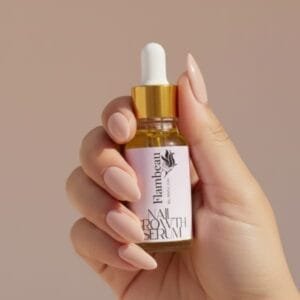
For a complete skincare routine, you might also consider a Nail Growth Serum – Helps Nails Grow Stronger, Healthier to keep your nails looking their best while you focus on your skin. Healthy nails complement a glowing complexion.
Lastly, remember that glass skin is not just about products—it’s about a healthy lifestyle. Get enough sleep, manage stress, and exercise regularly. These habits improve circulation and skin health from within. For more on holistic skin health, see our article on Simple Habits for Energy and Skin Health Together.
By following these tips and choosing the right products, you can achieve a dewy, glass-skin look at home. Be consistent, be gentle, and enjoy the glow!
Frequently Asked Questions
How long does it take to see glass skin results?
Results vary by skin type and consistency, but most people notice improved hydration and glow within 2-4 weeks of a dedicated routine. Full glass-skin effects may take 2-3 months as skin cell turnover cycles complete.
Can I achieve glass skin if I have oily or acne-prone skin?
Yes, oily and acne-prone skin can achieve a dewy look by focusing on lightweight hydration, non-comedogenic products, and gentle exfoliation with BHA. Avoid heavy oils and occlusives that can clog pores.
Is glass skin suitable for sensitive skin?
Sensitive skin can adapt the glass-skin routine by using fragrance-free, minimal-ingredient products and patch testing. Focus on barrier repair with ceramides and niacinamide, and exfoliate very sparingly.
Do I need to use a facial oil for glass skin?
Facial oils are optional but can enhance glow, especially for dry skin. Lightweight oils like squalane or rosehip work well; if you have oily skin, you may skip or use sparingly to avoid greasiness.
Written by Mishal Rehman, owner of Flambeauty — sharing practical, professional beauty and skincare guidance.
Updated: October 2026