Vitamin E for Skin: Healing & Antioxidant Benefits

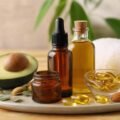
Vitamin E is a fat-soluble antioxidant that protects skin cells from free radical damage, supports the healing process, and helps maintain a healthy skin barrier. Using vitamin E-rich products can improve the appearance of scars, dryness, and signs of aging, especially when combined with other skincare ingredients. What Vitamin E Does for Your Skin Vitamin E, also known as tocopherol, is a naturally occurring antioxidant found in plant oils, nuts, seeds, and leafy greens. In skincare, it plays two major roles: it neutralises free radicals that damage skin cells, and it supports the skin's natural repair mechanisms. Free radicals are unstable molecules generated by UV exposure, pollution, and even normal metabolism. They can break down collagen and elastin, leading…

Continue ReadingVitamin E for Skin: Healing & Antioxidant Benefits

Best Serum for Long-Term Even Skin Tone: A Complete Guide

The best serum for long-term even skin tone contains a mix of brightening actives like vitamin C, niacinamide, and alpha arbutin, plus barrier-supporting ingredients such as ceramides and hyaluronic acid. Consistency, daily sun protection, and gentle exfoliation are just as important as the serum itself. Why an Even Skin Tone Needs a Long-Term Strategy Skin tone unevenness rarely happens overnight, and it rarely disappears overnight either. Whether it's post-acne marks, sun-induced dark patches, or the gradual dullness that comes with age and environmental stress, the underlying causes build up over months and years. That's why a long-term approach beats any quick fix. Your skin cycles through renewal roughly every 28 days in your twenties, but that process slows down…

Continue ReadingBest Serum for Long-Term Even Skin Tone: A Complete Guide

Niacinamide: Gentle, Natural-Derived Skincare Benefits

Niacinamide is a form of vitamin B3 that occurs naturally in foods like rice bran and yeast. It strengthens the skin barrier, regulates oil, reduces redness, and brightens uneven tone—all while being gentle enough for most skin types, including sensitive skin. It's a versatile, well-tolerated ingredient for daily use. What Is Niacinamide and Why Is It Considered Gentle and Natural-Derived? Niacinamide, also known as nicotinamide, is a water-soluble vitamin—specifically vitamin B3. It's found naturally in many foods, including rice bran, yeast, whole grains, and green leafy vegetables. In skincare, it's synthesized to a pure, stable form that closely mirrors the vitamin found in nature. Unlike harsh acids or retinoids that can cause irritation, niacinamide works with your skin's natural…

Continue ReadingNiacinamide: Gentle, Natural-Derived Skincare Benefits

How Herbal Ubtan Benefits Skin: A Complete Guide

Herbal ubtan is a traditional powdered face mask made from ground herbs, grains, and pulses. Used regularly, it gently exfoliates, brightens dull skin, absorbs excess oil, and supports a more even, healthier-looking complexion without harsh chemicals. Its natural ingredients suit most skin types when blended correctly. What Is Herbal Ubtan and Why It Has Stood the Test of Time Ubtan is not a single product but a category of traditional skincare preparation that has been used across South Asia for centuries. At its core, ubtan is a blend of dried, powdered botanicals, often including grains like gram flour (besan), pulses, sandalwood, turmeric, rose petals, and various herbs. These dry ingredients are mixed with a liquid such as milk, yogurt,…

Continue ReadingHow Herbal Ubtan Benefits Skin: A Complete Guide

Shea Butter for Deeply Moisturized Skin: Benefits & How to Use

Shea butter is a rich, plant-based fat extracted from the nuts of the shea tree, prized for its ability to deeply moisturize and nourish the skin. Packed with vitamins and fatty acids, it helps restore the skin barrier, leaving skin soft, supple, and hydrated for hours. What Is Shea Butter and Why Does It Work So Well? Shea butter is a natural fat derived from the nuts of the African shea tree (Vitellaria paradoxa). It has been used for centuries in Africa for its skin-loving properties, and today it's a staple in many moisturizers, balms, and body butters. What makes shea butter so effective is its unique composition: it's rich in fatty acids like oleic, stearic, linoleic, and palmitic…

Continue ReadingShea Butter for Deeply Moisturized Skin: Benefits & How to Use

Natural Face Oil vs Moisturizing Cream: Which Hydrates Better?

Natural face oils and moisturizing creams hydrate differently: oils seal in existing moisture and are best for dry or mature skin, while creams add water and are better for dehydrated or oily skin. For most people, a cream hydrates more effectively because it increases water content, but oils can boost softness and glow. How Hydration Actually Works: Water vs. Oil To understand which product hydrates better, you first need to know what "hydration" means in skincare. Hydration refers to the water content within your skin cells. When your skin is hydrated, it looks plump, bouncy, and smooth. Moisturization, on the other hand, is about preventing water loss by creating a barrier on the skin's surface. This distinction is crucial…

Continue ReadingNatural Face Oil vs Moisturizing Cream: Which Hydrates Better?

How to Use Body Oil Correctly for Soft, Hydrated Skin

To use body oil correctly, apply it to damp skin right after a shower, massaging in upward circular motions. This locks in moisture and prevents dryness. For best results, choose a non-comedogenic oil suited to your skin type and use it daily, especially on rough areas like elbows and knees. Why Your Skin Needs Body Oil (And How It Actually Works) Your skin has a natural barrier made of lipids—ceramides, fatty acids, and cholesterol—that keeps moisture in and irritants out. When this barrier is compromised by harsh soaps, hot water, or dry weather, it loses water rapidly, leading to tightness, flaking, and dullness. Body oils work by mimicking these natural lipids, creating a seal that slows water loss and…

Continue ReadingHow to Use Body Oil Correctly for Soft, Hydrated Skin

Olive Oil for Skin: Benefits, Uses, and Mistakes to Avoid

Olive oil can benefit skin by providing deep moisturization, antioxidant protection, and gentle cleansing when used correctly. Its fatty acids and vitamin E help soften skin and support the barrier, but it must be applied properly and patch-tested to avoid clogged pores or irritation. What Olive Oil Actually Does for Your Skin Olive oil has been used for skincare for thousands of years, and modern research backs up many of its traditional uses. The oil is rich in monounsaturated fatty acids like oleic acid, which can help soften and condition the skin. It also contains squalene, a lipid that closely resembles the skin's own natural oils, making it easier for the skin to accept and use. Additionally, olive oil…

Continue ReadingOlive Oil for Skin: Benefits, Uses, and Mistakes to Avoid

How Often Should You Use a Vitamin C Serum?

For most people, using a vitamin C serum once daily in the morning is ideal. Start with every other day if your skin is sensitive, then increase frequency as tolerated. Consistency matters more than concentration, so apply 3–5 times weekly for visible brightening over 4–8 weeks. Why Vitamin C Serum Frequency Matters Vitamin C is one of the most researched skincare ingredients, loved for its ability to brighten dull skin, even out tone, and defend against environmental stressors. But like any active, how often you use it can make or break your results. Use it too rarely, and you may not see the glow you're after; use it too aggressively, and you risk redness, stinging, and a compromised skin…

Continue ReadingHow Often Should You Use a Vitamin C Serum?

How Lemon Extract Is Safely Used for Skin Brightening

Lemon extract can brighten skin safely when diluted and used cautiously, thanks to natural citric acid and vitamin C that gently exfoliate and even tone. Always patch test first and limit use to 1–2 times weekly to avoid irritation, especially for sensitive skin. Why Lemon Extract Is Used for Skin Brightening Lemon extract has been a kitchen-cabinet beauty staple for generations, and for good reason. Its natural acidity—primarily from citric acid—acts as a mild chemical exfoliant, helping to slough off dead skin cells that can make complexions look dull and uneven. When used carefully, this gentle shedding of the top layer reveals fresher, brighter skin underneath. Additionally, lemon extract contains a modest amount of vitamin C, an antioxidant that…

Continue ReadingHow Lemon Extract Is Safely Used for Skin Brightening