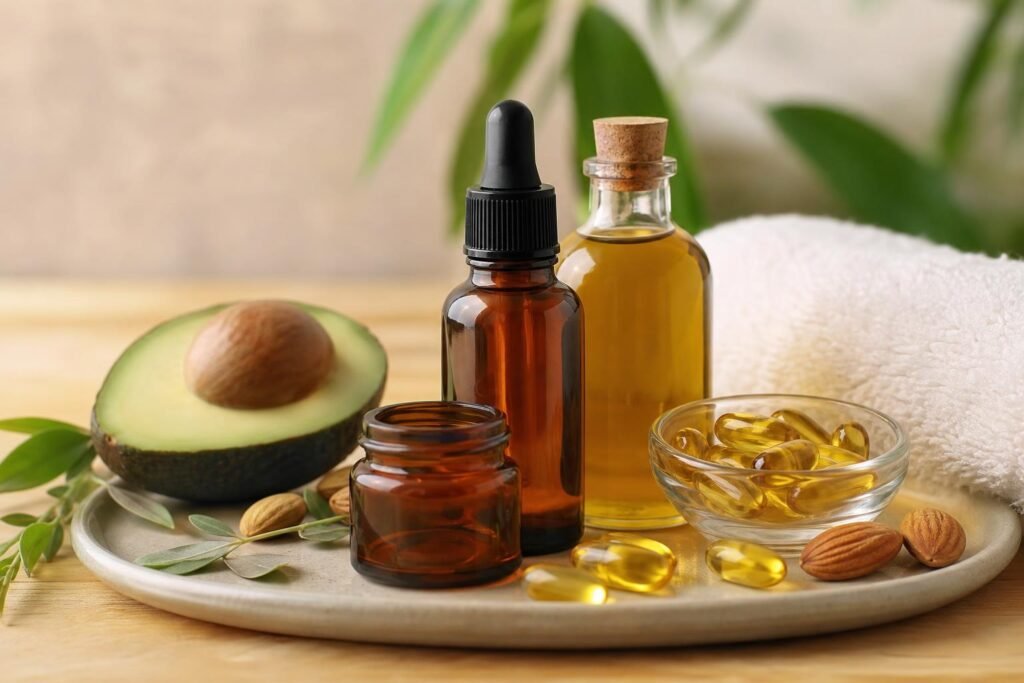
Discover how vitamin E supports skin healing and offers antioxidant protection. Learn how to use it effectively for healthier, more resilient skin.
Vitamin E is a fat-soluble antioxidant that protects skin cells from free radical damage, supports the healing process, and helps maintain a healthy skin barrier. Using vitamin E-rich products can improve the appearance of scars, dryness, and signs of aging, especially when combined with other skincare ingredients.
What Vitamin E Does for Your Skin
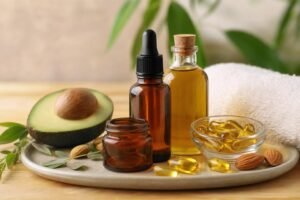
Vitamin E, also known as tocopherol, is a naturally occurring antioxidant found in plant oils, nuts, seeds, and leafy greens. In skincare, it plays two major roles: it neutralises free radicals that damage skin cells, and it supports the skin’s natural repair mechanisms. Free radicals are unstable molecules generated by UV exposure, pollution, and even normal metabolism. They can break down collagen and elastin, leading to premature aging, dullness, and uneven tone. Vitamin E steps in by donating an electron to stabilise these molecules, effectively stopping the chain reaction that would otherwise harm your skin.
Beyond its antioxidant power, vitamin E is deeply nourishing. It strengthens the skin’s lipid barrier, which helps lock in moisture and keep irritants out. A healthy barrier means less dryness, reduced sensitivity, and a more resilient complexion. For anyone dealing with dry patches, flakiness, or a tight feeling after cleansing, vitamin E can be a game-changer. It’s also known to support the healing of minor wounds, burns, and scars by promoting cell regeneration and reducing inflammation.
Research shows that vitamin E works best when paired with vitamin C. Together, they create a powerful antioxidant network that protects skin more effectively than either alone. Vitamin C regenerates vitamin E after it neutralises free radicals, allowing it to continue working. This synergy is why many serums and moisturisers include both ingredients. Always patch test first when introducing new vitamin E products, especially if you have sensitive skin.
In Pakistan’s climate, where intense sun and pollution are common, vitamin E’s protective benefits are especially relevant. It helps shield skin from environmental stressors that can accelerate aging and dark spots. Whether you’re in Karachi’s humid heat or Islamabad’s dry winters, incorporating vitamin E into your routine can make a noticeable difference in how your skin looks and feels.
How Vitamin E Supports Skin Healing
When your skin is injured—whether from a scratch, a breakout, or a burn—the healing process involves inflammation, tissue rebuilding, and remodelling. Vitamin E plays a role at multiple stages. Its anti-inflammatory properties help calm redness and swelling, while its antioxidant action protects newly forming cells from further damage. Studies suggest that vitamin E can speed up the closure of wounds and reduce the appearance of scars by promoting collagen synthesis and regulating the growth of new tissue.
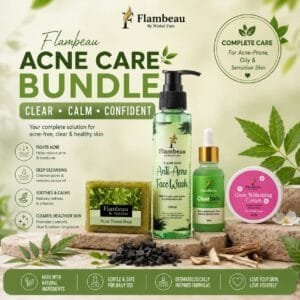
For acne-prone skin, vitamin E can be a double-edged sword. While it aids healing of post-acne marks, heavy or comedogenic forms of vitamin E (like tocopheryl acetate in thick creams) might clog pores for some people. That’s why it’s important to choose lightweight, non-comedogenic formulations. Look for serums or lotions that list vitamin E among the ingredients but are designed for your skin type. If you’re dealing with active acne, a product like the Acne Care Bundle – All in One can help manage breakouts while vitamin E supports the healing of existing marks.
Another key benefit is vitamin E’s ability to improve the appearance of stretch marks and surgical scars. While it won’t erase them completely, consistent use can make them softer, less raised, and less noticeable. Massaging vitamin E oil into the area improves blood flow and helps break down excess collagen that causes raised scars. For best results, apply after the wound has fully closed and never on open cuts.
It’s worth noting that vitamin E isn’t a miracle cure for deep scars or chronic wounds. It supports the body’s natural healing but doesn’t replace medical treatment. If you have a wound that isn’t healing or a scar that’s changing, consult a dermatologist. For everyday minor issues—dryness, flaking, small blemishes—vitamin E can be a gentle, effective ally.
Antioxidant Protection: Shielding Skin from Damage
Every day, your skin faces an onslaught of free radicals from UV rays, pollution, cigarette smoke, and even stress. These unstable molecules steal electrons from healthy cells, triggering oxidative stress that damages DNA, proteins, and lipids. The result? Fine lines, wrinkles, sagging, dark spots, and a dull complexion. Antioxidants like vitamin E act as sacrificial lambs, neutralising free radicals before they can wreak havoc.
What makes vitamin E special is its fat-soluble nature. It can embed itself in cell membranes, where it provides on-site protection against lipid peroxidation—the process that breaks down the fats in your skin barrier. This not only prevents damage but also helps maintain the barrier’s integrity, keeping skin hydrated and supple. Unlike water-soluble antioxidants that wash off, vitamin E stays in the skin longer, offering sustained defence.
However, vitamin E isn’t invincible. When it neutralises a free radical, it becomes a weak radical itself. That’s where vitamin C comes in—it recycles vitamin E back to its active form. This is why many dermatologists recommend using products that contain both. You can also get vitamin C from foods like oranges, guavas, and bell peppers, and vitamin E from almonds, sunflower seeds, and spinach. A diet rich in these nutrients supports your skin from within.
Topical vitamin E also boosts the efficacy of sunscreen. While it doesn’t replace SPF, it adds an extra layer of protection against UV-induced free radicals. For daily defence, apply a vitamin E serum under your sunscreen. The American Academy of Dermatology emphasises the importance of sun protection for all skin types, and combining it with antioxidants is a smart strategy. In Pakistan, where UV levels can be extreme, this combo is particularly beneficial.
How to Incorporate Vitamin E into Your Routine
Adding vitamin E to your skincare routine is simple, but the order and formulation matter. Here’s a step-by-step guide:
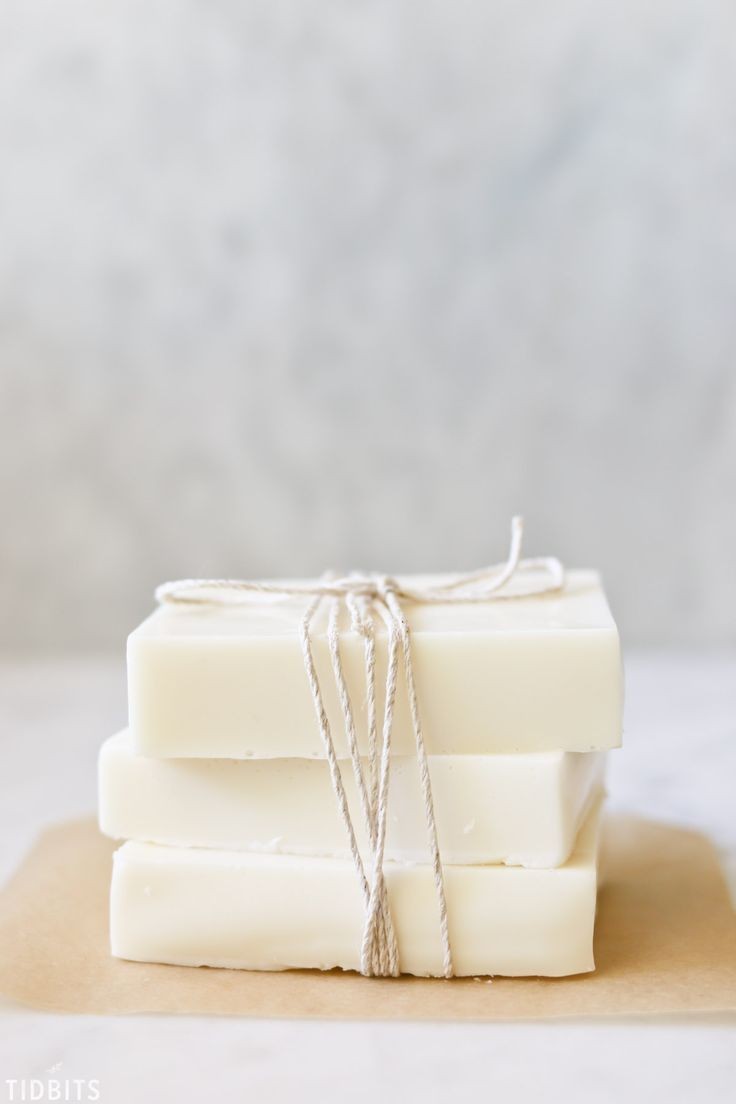
Step 1: Cleanse gently. Start with a mild cleanser that doesn’t strip your skin. A nourishing option like Goat Milk Soap can cleanse without disrupting the barrier. Pat dry—don’t rub.
Step 2: Apply a vitamin E serum or oil. If using a serum, apply 2-3 drops to damp skin and press in gently. If using pure vitamin E oil, mix a drop with your moisturiser to avoid heaviness. For targeted healing, dab a small amount on scars or dry patches.
Step 3: Moisturise. Seal in the vitamin E with a moisturiser suited to your skin type. This layers hydration and enhances absorption.
Step 4: Sunscreen in the morning. Always finish your AM routine with a broad-spectrum sunscreen of at least SPF 30. Vitamin E supports UV defence but doesn’t replace it.
Step 5: Be consistent. Vitamin E’s benefits build over time. Use it daily for at least 4-6 weeks to see improvements in hydration, texture, and scar appearance. Consistency is key—don’t expect overnight miracles.
You can also find vitamin E in many ready-made products: creams, lotions, serums, and even lip balms. When choosing, look for tocopherol or tocopheryl acetate near the top of the ingredient list. Avoid products with high alcohol content, which can counteract vitamin E’s moisturising effects.
Choosing the Right Vitamin E Products
Not all vitamin E products are created equal. The form of vitamin E, its concentration, and the accompanying ingredients all affect how well it works. Here’s what to look for:
Form: Natural vitamin E (d-alpha-tocopherol) is more bioavailable than synthetic (dl-alpha-tocopherol). While both are effective, natural forms are often preferred in high-quality skincare. Tocopheryl acetate is a stable ester that’s gentler but less potent; it’s common in drugstore products.
Concentration: Studies show benefits at concentrations between 0.1% and 1%. Higher isn’t always better—very high concentrations can cause irritation for some. For healing scars, 1% or less is usually sufficient.
Packaging: Vitamin E oxidises when exposed to light and air, so choose opaque, airless pump bottles or dark glass droppers. Avoid jars that require dipping fingers, which introduces bacteria.
Combination ingredients: Look for vitamin E paired with vitamin C, ferulic acid, or hyaluronic acid. These combinations enhance stability and efficacy. Avoid products with added fragrances or essential oils if you have sensitive skin.
If you’re unsure where to start, explore the Skin Care category for options that suit your needs. And for more tips on maintaining healthy skin, check out our blog archive.
Common Mistakes to Avoid with Vitamin E
Even a good ingredient can backfire if used incorrectly. Here are pitfalls to watch for:
Using too much: Overloading on vitamin E oil can lead to greasiness, clogged pores, and a dull look. A little goes a long way—start with a pea-sized amount for the face.
Applying on broken skin: Vitamin E is not for open wounds. It can cause irritation and delay healing. Wait until a cut or scrape has scabbed over before applying.
Relying solely on vitamin E for sun protection: It’s an antioxidant, not a sunscreen. You still need SPF every day, even if you’re using vitamin E.
Ignoring your skin type: If you have oily or acne-prone skin, heavy vitamin E creams might cause breakouts. Opt for lightweight serums or gels instead. For dry skin, richer formulations are fine.
Expecting instant results: Vitamin E works gradually. Give it at least a month of consistent use before judging results. And remember, it’s one piece of a healthy skincare puzzle—hydration, sun protection, and a balanced diet matter too.
If you’re dealing with hormonal acne, vitamin E alone won’t solve it. Consider a targeted approach like the one in our guide Natural Herbal Remedies for Reducing Hormonal Acne: A Pakistani Skincare Guide.
Adapting Vitamin E for Different Skin Types
Your skin type dictates how you should use vitamin E. Here’s a breakdown:
Dry Skin
Dry skin thrives on vitamin E’s moisturising properties. Use a rich cream or oil-based serum at night, and layer over a hydrating toner. You can even add a few drops of vitamin E oil to your body lotion for all-over softness. Look for products with added ceramides or shea butter for extra nourishment.
Oily and Acne-Prone Skin
Oily skin can still benefit from vitamin E, but choose lightweight, non-comedogenic formulas. A water-based serum with vitamin E and niacinamide can help control oil while healing acne marks. Avoid heavy oils; instead, opt for gels or lotions. If you’re using acne treatments like benzoyl peroxide, vitamin E can help counteract dryness.
Combination Skin
Combination skin needs balance. Apply a vitamin E serum all over, then follow with a mattifying moisturiser on your T-zone and a richer one on dry areas. This ensures you get the benefits without greasiness.
Sensitive Skin
Sensitive skin should introduce vitamin E slowly. Start with a low concentration (0.1%) and patch test. Avoid products with fragrance or alcohol. If you experience redness or stinging, discontinue use. Vitamin E is generally well-tolerated, but some people are allergic to it—rare but possible.
Mature Skin
Mature skin benefits from vitamin E’s antioxidant and firming effects. Use it in combination with retinoids or peptides for best results. Vitamin E can help mitigate retinoid-induced dryness. Apply vitamin E serum before your retinol to buffer irritation.
Pairing Vitamin E with Other Ingredients
Vitamin E plays well with others. Here are some synergistic combinations:
Vitamin C: As mentioned, these two antioxidants recycle each other. Use a vitamin C serum in the morning and a vitamin E serum at night, or find a product that contains both.
Ferulic acid: This plant-based antioxidant stabilises vitamins C and E, boosting their photoprotection. Many dermatologist-recommended serums include all three.
Hyaluronic acid: Hyaluronic acid pulls water into the skin, while vitamin E seals it in. Together, they keep skin plump and hydrated.
Retinol: Vitamin E can reduce retinol irritation. Apply vitamin E first, then retinol, or mix a drop of vitamin E oil with your retinol cream.
Niacinamide: This B-vitamin strengthens the barrier and regulates oil. Combined with vitamin E, it’s great for acne-prone and sensitive skin.
When layering, go from thinnest to thickest consistency. Always wait 30 seconds between steps to let each product absorb. And don’t forget your neck and hands—they show signs of aging early and benefit from vitamin E too. For hand care, see our guide Daily Hand & Nail Grooming: A Pakistani Beauty Guide.
Vitamin E in Pakistani Skincare: Local Relevance
In Pakistan, environmental factors like dust, heat, and high UV index make antioxidant protection crucial. Vitamin E helps combat the oxidative stress caused by these elements. Additionally, many local brands incorporate vitamin E in their formulations, making it accessible and affordable. Prices range from PKR 500 for basic oils to PKR 3,000 for advanced serums, depending on concentration and brand.
When shopping locally, look for products that are tailored to South Asian skin tones and concerns. Vitamin E is often included in fairness creams, but be wary of products that promise unrealistic whitening. Instead, focus on vitamin E’s genuine benefits: healing, hydration, and protection. At Flambeauty, we prioritise effective, gentle formulations. Our Goat Milk Soap and Acne Care Bundle – All in One are designed to support skin health without harsh ingredients.
Remember, skincare is personal. What works for your friend might not work for you. Patch test, introduce one product at a time, and give your skin time to adjust. With consistency and the right products, vitamin E can become a staple in your journey to healthier, more resilient skin.
Final Thoughts on Vitamin E for Skin
Vitamin E is more than a trendy ingredient—it’s a scientifically backed powerhouse for healing and antioxidant protection. By incorporating it into your daily routine, you can support your skin’s natural repair processes, defend against environmental damage, and maintain a healthy, glowing complexion. Whether you choose a dedicated serum, a moisturiser, or a multipurpose product, the key is consistency and choosing formulas that suit your skin type.
As with any skincare ingredient, results take time. Be patient, be consistent, and don’t hesitate to consult a dermatologist if you have specific concerns. Your skin will thank you.
Frequently Asked Questions
Can vitamin E help fade acne scars?
Yes, vitamin E can help improve the appearance of acne scars by promoting healing and reducing inflammation. However, it works gradually and is most effective when combined with other treatments like sunscreen and gentle exfoliation.
Is vitamin E oil safe for oily skin?
Vitamin E oil can be too heavy for oily skin and may clog pores. Instead, look for lightweight, non-comedogenic serums or lotions that contain vitamin E. These provide benefits without greasiness.
How long does it take to see results from vitamin E?
With consistent use, you may notice improved hydration and skin texture within 4-6 weeks. Scar healing and antioxidant protection are cumulative, so longer-term use is needed for significant changes.
Can I use vitamin E with retinol?
Yes, vitamin E can be used with retinol and may even help reduce retinol-induced dryness and irritation. Apply vitamin E serum before retinol, or mix a drop of vitamin E oil with your retinol cream.
Written by Mishal Rehman, owner of Flambeauty — sharing practical, professional beauty and skincare guidance.
Updated: October 2026