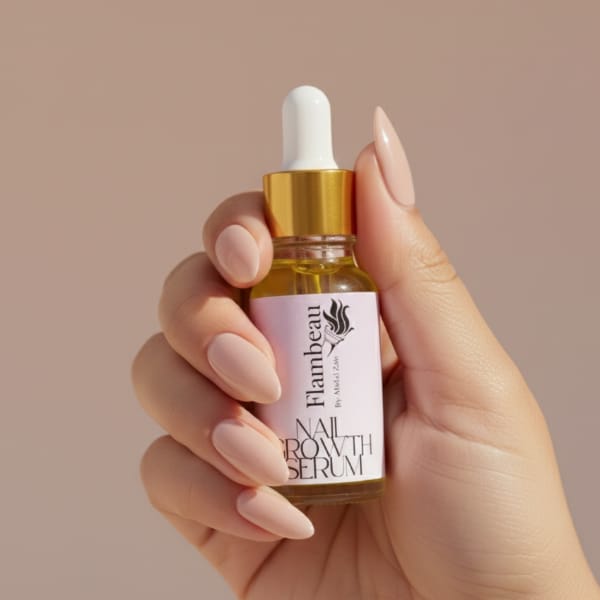
Learn the correct order to layer facial oils and serums for maximum glow, with expert tips for Pakistani skin, humidity, and climate. Unlock your skin's...
To layer facial oils and serums for maximum glow, always apply water-based serums first, followed by oil-based serums, and then facial oils as the final step to seal in hydration. This order ensures that watery ingredients penetrate deeply, while oils lock in moisture and boost radiance. Adjust the routine based on your skin type and the consistency of your products, and always patch test before trying new combinations.
Understanding Skin Layers and Product Absorption
Your skin is not a single surface but a multi-layered organ, and each layer has different needs. The outermost layer, the stratum corneum, acts as a barrier, and it is what most skincare products interact with. To achieve a true glow, you need to think about what your skin can absorb at each level. Water-based serums, which are typically formulated with humectants like hyaluronic acid or glycerin, attract moisture into the skin. They work best when applied to slightly damp skin because they pull water from the environment and deeper layers into the epidermis. Oil-based serums and facial oils, on the other hand, are composed of lipids and fatty acids that replenish the skin’s natural barrier, preventing moisture loss and giving the skin a smooth, reflective surface that we perceive as glow.
The order you apply these products significantly impacts their efficacy. If you apply a heavy oil first, it forms a hydrophobic layer that prevents water-based serums from penetrating. This is why the golden rule is to go from thinnest to thickest, or from water-based to oil-based. However, it’s not just about thickness; it’s about the function of the ingredients. For example, vitamin C serums are often water-based and need to be applied close to the skin to work effectively. If you layer an oil over it too soon, you may reduce its potency. Conversely, some oils, like rosehip or argan, are packed with antioxidants that support the skin, but they need to be applied after serums to seal in the active ingredients.
Another critical aspect is the concept of skin pH. Your skin’s natural pH is slightly acidic, around 4.5 to 5.5. Many serums are formulated to work at this pH. When you layer products, you should be mindful of not disrupting this balance. For instance, if you use a toner or an exfoliating serum with a lower pH, you should wait a few minutes before applying a higher-pH product. This waiting time allows the skin to rebalance and ensures that the active ingredients are not neutralized. In Pakistan’s climate, where humidity and temperature can vary, your skin’s absorption can change. In humid summers, your skin may be more hydrated, but in dry winters, it might need extra layering. Always listen to your skin and adjust your routine accordingly.
Furthermore, the molecular weight of the ingredients matters. Low-molecular-weight hyaluronic acid can penetrate deeper, while high-molecular-weight forms sit on the surface. When layering, you want to start with the smaller molecules that can go deeper, then follow with larger ones that form a protective film. This is why a watery serum with hyaluronic acid should come before a richer serum or oil. Understanding this can help you choose products that complement each other rather than just piling on more products. It’s also essential to consider the texture of your products. A gel-based serum might be absorbed quickly, while a cream-based serum might require more massage. Always apply products in the order of their consistency, from lightest to heaviest, to ensure each product can do its job without being blocked.
In the context of achieving a glow, it’s also vital to understand that glow comes from a healthy skin barrier and adequate hydration. When the barrier is compromised, the skin looks dull and flaky. By layering correctly, you help to rebuild that barrier and maintain hydration, which reflects light better. For Pakistani skin, which often deals with pollution and sun exposure, incorporating antioxidants like vitamin C and niacinamide in the correct order can enhance your skin’s defense. So, before you start layering, take time to understand your skin’s needs and the science behind each product.
Step-by-Step Guide to Layering Serums and Oils
Start with a clean face. Cleansing is the foundation of any skincare routine. Without removing dirt, oil, and makeup, your serums won’t absorb well. Use a gentle cleanser that suits your skin type, and pat your skin dry with a soft towel. Do not rub, as that can cause irritation. Once your skin is clean, it’s time to apply your first layer. If you use a toner, apply it now to balance your skin’s pH and prep it for better absorption. Toners with humectants can be particularly beneficial before serums. After toning, leave your skin slightly damp, as this is the ideal state for applying water-based serums.
Next, take your first serum. This is usually a treatment serum with active ingredients like hyaluronic acid, niacinamide, or vitamin C. Apply a few drops to your fingertips and gently press it into your skin, starting from the center of your face and moving outward. Avoid rubbing or pulling. Allow the serum to absorb for a minute or two. You’ll know it’s ready when your skin feels slightly tacky but not wet. If you’re using multiple water-based serums, wait about 60 seconds between each application. This waiting period is crucial because it prevents pilling and ensures that each product can penetrate. For example, if you’re using a niacinamide serum and a hyaluronic acid serum, apply the niacinamide first if it’s thinner, or whichever has a lighter texture.
After your water-based serums have been absorbed, it’s time for oil-based serums. These often come in the form of oil blends or serums with a slightly oilier consistency. They are designed to deliver fatty acids and antioxidants deeper into the skin. Apply them in the same way, using gentle pressing motions. If you’re using a serum that contains both water and oil, like an emulsion, it should be applied after water-based serums but before pure oils. This step is where you can incorporate products like the Oils & Serums from Flambeauty, which are formulated to target specific concerns like dullness or uneven texture.
Once your serums are fully absorbed, it’s time for facial oils. Oils are the occlusive agents that seal in all the goodness. They create a barrier on the skin that prevents transepidermal water loss. When choosing a facial oil, consider your skin type. For oily or acne-prone skin, lighter oils like jojoba or squalane are better, as they mimic your skin’s natural sebum. For dry skin, richer oils like marula or argan oil are more nourishing. Apply a few drops of oil to your palms, rub them together to warm the oil, and then press it gently onto your face. Do not apply oil immediately after a serum; wait a few minutes to ensure that the serum has been absorbed. This prevents the oil from just sitting on top of the serum and not penetrating.
Finally, follow with a moisturizer if needed. Some people find that facial oils are enough, but others, especially those with very dry skin, might need a moisturizer to provide additional hydration and to lock in the oil. If you’re going to use a moisturizer, apply it after the oil has settled, but if you have a cream-based moisturizer, you might want to apply it before the oil, as creams are often water-based emulsions. In that case, the order would be: serum, moisturizer, oil. However, if you’re using a gel moisturizer, it can be applied before the oil as well. The key is to ensure that the oil is always the last step to seal everything in.
In the morning, you should always finish with sunscreen. Sunscreen should be applied as the final step of your skincare routine, over your moisturizer or oil. It’s essential for protecting your skin from UV damage, which can undo all your hard work. If you’re using makeup, allow the sunscreen to set for a few minutes before applying foundation. Remember, the glow you’re aiming for comes from a healthy, protected skin barrier, and that requires daily sun protection.
Common Mistakes to Avoid When Layering
One of the most common mistakes is applying products in the wrong order. Many people, in a rush, apply their facial oil first or mix their serums together, thinking it’s the same. This can lead to products not working effectively. For example, if you apply oil first, it will prevent water-based serums from penetrating, so your vitamin C or hyaluronic acid won’t reach the deeper layers where they’re needed. Always follow the rule of thinnest to thickest, or water-based before oil-based. Another mistake is not waiting between layers. If you apply a serum and immediately follow with an oil, the oil may dilute the serum or cause it to pill. Give each product at least a minute to absorb. This patience ensures that each layer can do its job.
Another common error is over-layering. More products don’t necessarily mean more glow. Piling on multiple serums with similar ingredients can irritate your skin and cause breakouts. It’s better to have a targeted routine with two or three effective serums instead of a ten-step routine that overloads your skin. For instance, if you’re using a vitamin C serum, you don’t need a separate antioxidant serum unless it’s specifically for a different concern. Listen to your skin and simplify if necessary. Also, be cautious about layering active ingredients that may conflict. For example, using retinol and a strong acid like glycolic acid together can cause irritation. If you want to use both, apply one in the morning and the other at night, or use them on alternate days.
Forgetting to patch test is a critical error. Even if you’ve used a product before, combining it with new products can cause reactions. Always patch test a new serum or oil on a small area of your skin, like behind your ear or on your jawline, for a few days before incorporating it into your routine. This is especially important in Pakistan, where the climate can be harsh and your skin might be more sensitive due to humidity or pollution. Another mistake is using too much product. A few drops of serum are usually enough, and oil should be used sparingly. Overusing products can clog pores and lead to breakouts, which is the opposite of glow.
Ignoring your skin type is another major pitfall. What works for dry skin might be too heavy for oily skin. For oily skin, using a heavy oil like coconut oil can clog pores and cause acne. Instead, opt for lighter oils like grapeseed or jojoba. For dry skin, skipping oil or using only water-based serums might not be enough to keep your skin hydrated. Tailor your routine to your skin’s needs. Additionally, not considering the climate is a mistake. In Pakistan’s humid summer, your skin might not need as much moisturizer, and applying heavy oils could make you feel greasy. In winter, your skin might need more layers to combat dryness. Adjust your routine seasonally.
Finally, a common mistake is not giving the products time to work. Glow doesn’t happen overnight. You need to be consistent with your routine for at least four to six weeks to see visible results. If you keep switching products or routines, you won’t know what works. Stick to a routine and be patient. Also, remember to apply your products on a clean face. If you layer on top of makeup or sunscreen, the products won’t absorb properly. Always cleanse before applying serums and oils, especially in the evening to remove the day’s debris.
Choosing the Right Products for Your Skin Type
When it comes to layering, one size does not fit all. Your skin type determines which serums and oils you should use and in what order. For dry skin, the goal is to provide intense hydration and lock it in. Look for serums with hyaluronic acid, glycerin, or ceramides. These humectants draw moisture into the skin. Follow with a richer facial oil like argan, marula, or avocado oil. These oils are high in oleic acid, which is more nourishing for dry skin. In your routine, apply a hyaluronic acid serum to damp skin, then follow with a facial oil to seal the moisture. You might also want to use a cream moisturizer before the oil if your skin is extremely dry. For example, you can apply a product like the Nail Growth Serum is not for your face, but the point is to choose targeted serums for your face.
For oily and acne-prone skin, the approach is different. Your skin produces excess sebum, so you need lightweight, non-comedogenic products. Water-based serums with niacinamide or salicylic acid are excellent as they help control oil and unclog pores. Niacinamide is particularly beneficial because it reduces inflammation and regulates sebum production. For oils, choose lighter ones like jojoba, squalane, or grapeseed oil. These oils are less likely to clog pores and can help balance your skin’s oil production. When layering, apply a niacinamide serum after cleansing, let it absorb, and then apply a few drops of jojoba oil. You may skip a heavy moisturizer if your skin feels hydrated enough. However, even oily skin needs some hydration, so don’t skip the serum.
For combination skin, you have both dry and oily areas, typically oily in the T-zone (forehead, nose, chin) and dry on the cheeks. The best strategy is to use a balanced approach. Start with a hydrating serum like hyaluronic acid to moisturize dry areas without over-oiling the T-zone. You can apply it all over, but focus more on the cheeks. Then, use a light oil like squalane only on the dry areas, skipping the T-zone. You might also use a gel-based moisturizer to provide hydration without greasiness. The key is to listen to your skin’s needs for each area and adjust accordingly.
For sensitive skin, layering can be tricky because your skin reacts easily. You need to be gentle and avoid products with alcohol, fragrance, or essential oils. Choose serums with soothing ingredients like aloe vera, chamomile, or centella asiatica. For oils, rosehip oil is a great option because it’s gentle and has anti-inflammatory properties. When layering, keep it simple: one hydrating serum and one oil. Avoid over-exfoliating or using too many active ingredients. Always patch test and introduce one product at a time to see how your skin reacts. For example, you might use a calming serum with green tea extract, followed by a few drops of rosehip oil. This minimalistic approach helps prevent flare-ups.
For aging skin, you want to incorporate serums with peptides, retinol, or vitamin C to boost collagen and reduce fine lines. Retinol should be used at night, and it’s best to apply it to clean skin, wait 20 minutes, and then apply a moisturizer or oil to minimize irritation. In the morning, use a vitamin C serum to brighten and protect against environmental damage. For oils, rosehip, pomegranate, or baobab oil are rich in antioxidants and fatty acids that support skin repair. Layering for aging skin might involve a peptide serum, followed by a retinol serum at night, and then a nourishing oil. However, be cautious not to overdo it; start with lower concentrations and gradually increase.
In Pakistan, the climate adds another layer of consideration. During hot, humid months, even oily skin can feel sticky with too many products. Opt for water-based serums and skip oils during the day. At night, you might use a light oil. In winter, the air is drier, so you may need more layers. Also, consider pollution: using an antioxidant serum like vitamin C in the morning can help combat the effects of pollution. Always choose products that are suitable for your skin type and the current season, and don’t be afraid to adjust your routine.
Special Considerations for Glow-Boosting Ingredients
To achieve a lit-from-within glow, certain ingredients are more effective than others. Vitamin C is a powerhouse antioxidant that brightens the skin by inhibiting melanin production and promoting collagen synthesis. It also protects against free radicals from UV and pollution. When using vitamin C, it’s best to apply it in the morning, as it enhances your sunscreen’s effectiveness. However, vitamin C is unstable and can degrade in sunlight, so store it in a cool, dark place. Also, vitamin C works best at a low pH, so avoid applying it immediately after a water-based toner that might alter the pH. Instead, apply it on freshly cleansed skin and wait a few minutes before the next step.
Hyaluronic acid is a humectant that can hold up to 1000 times its weight in water, making it excellent for plumping and hydration. To get the most out of it, apply it to damp skin. If you live in a dry climate, like some parts of Pakistan, the humidity in the air may be low, and hyaluronic acid might pull moisture from your skin if there’s no water on it. So, always apply it on a damp face, and follow with an oil to seal in the moisture. For maximum glow, combine hyaluronic acid with vitamin C and niacinamide. Niacinamide improves skin elasticity and strengthens the barrier, reducing redness and pore appearance. It also enhances the effects of other ingredients.
Retinoids are derivatives of vitamin A and are gold-standard anti-aging ingredients. They accelerate cell turnover, revealing fresher, brighter skin. However, they can cause irritation, especially when layered with other actives. If you’re using a retinol serum, apply it at night, after cleansing, and wait at least 20 minutes before applying anything else. This reduces the risk of irritation. Do not layer retinol with other strong acids like alpha-hydroxy acids (AHAs) or beta-hydroxy acids (BHAs) at the same time. Instead, use them on alternate nights. In the morning, always use sunscreen because retinol increases sun sensitivity.
Oils like rosehip, argan, and jojoba are not just moisturizers; they contain essential fatty acids and antioxidants that support the skin’s barrier. For glow, look for oils that are high in linoleic acid, which is beneficial for acne-prone skin, and oleic acid for dry skin. Rosehip oil is rich in vitamin A and C, making it a great choice for brightening. When choosing a facial oil, opt for cold-pressed, unrefined oils to retain their beneficial properties. In your layering routine, oils should be the final step to lock in all the water-based serums.
When using multiple serums, it’s essential to know how to combine them without causing reactions. For instance, using vitamin C and niacinamide together is generally safe, but some individuals may experience flushing. If that happens, use them at different times of the day. On the other hand, never mix retinol with benzoyl peroxide or vitamin C in the same routine, as they can cancel each other out or cause irritation. A good rule is to keep it simple: use one active serum in the morning and another at night, with hydrating serums and oils as the base.
In the context of achieving a glow, don’t forget the rest of your routine. Exfoliation is key to removing dead skin cells that can make your skin look dull. Incorporate a gentle exfoliating serum with AHAs like glycolic or lactic acid a few times a week, but always follow it with hydrating serums and oils to avoid dryness. Also, consider using a hydrating mist throughout the day to keep your skin fresh, especially in air-conditioned environments. And remember, diet and hydration play a role in your skin’s glow. Drink plenty of water and eat foods rich in antioxidants, like fruits and vegetables. A holistic approach is always best.
For those looking for targeted solutions, Flambeauty offers a range of oils and serums that can be incorporated into your layering routine. While the focus here is on facial care, the same principles apply to other areas like lashes and nails. For example, the Eyelashes Growth Serum is designed to nourish and promote healthier-looking lashes, and it should be applied to clean, dry lashes as the final step in your eye care routine. Similarly, the Nail Growth Serum should be applied to nails and cuticles after any hand creams to seal in moisture. These are reminders that layering is a concept that applies across your beauty care.
When you explore the Flambeauty blog, you’ll find more tips on how to enhance your skincare routine. For instance, if you’re dealing with hair issues, you might be interested in learning about how your shampoo might be causing hair fall or how ginger extract can support scalp health. These articles emphasize the importance of using the right products in the right order, just like with your face.
In conclusion, layering facial oils and serums is an art and science. By understanding your skin type, choosing complementary ingredients, and following the correct order, you can achieve a radiant glow. Remember to be patient and consistent, and always protect your skin from the sun. For more personalized advice, consult with a dermatologist, especially if you have specific skin concerns. The NHS provides reliable health and skin information that can guide you in maintaining healthy skin.
Frequently Asked Questions
Can I mix facial oil with my moisturizer?
Yes, you can mix a few drops of facial oil into your moisturizer, especially if you prefer a simpler routine. However, for optimal absorption, it's better to apply them separately: serum first, moisturizer, then oil, to ensure each product penetrates effectively.
How long should I wait between applying serums and oils?
Wait at least 60 seconds between each layer to allow the product to absorb. For thicker oils, you might wait up to 2-3 minutes. This prevents pilling and ensures each layer works effectively.
Should I use facial oil if I have oily skin?
Yes, even oily skin needs hydration. Choose non-comedogenic oils like jojoba or squalane, which help balance oil production. Apply a small amount, and focus on using water-based serums to keep your skin hydrated without feeling greasy.
What is the best time to apply facial oils for glow?
Facial oils are best applied at night as the final step of your routine to seal in all the active ingredients while you sleep. In the morning, you can use a lighter oil, but always follow with sunscreen.
Written by Mishal Rehman, owner of Flambeauty — sharing practical, professional beauty and skincare guidance.
Updated: September 2026