Not sure if your shampoo is behind your hair fall? Learn the warning signs, harsh ingredients to avoid, and gentler alternatives for healthier, stronger hair.
If you’re losing more hair than usual and you’ve recently switched shampoos, your shampoo might be the culprit. Harsh surfactants, high pH levels, and irritating additives can weaken the hair shaft and scalp, leading to increased shedding. To know for sure, look for telltale signs like scalp irritation, dryness, and hair that breaks easily right after washing. Then, switch to a gentler, sulfate-free formula and see if the shedding reduces within a few weeks.
Why Shampoo Can Contribute to Hair Fall
Shampoo’s job is to remove oil, dirt, and product buildup, but not all formulas are created equal. Many conventional shampoos rely on strong detergents like sulfates (sodium lauryl sulfate or sodium laureth sulfate) to create a rich lather. These surfactants strip away not just excess oil but also the natural oils, or sebum, that protect your hair and scalp. When your scalp becomes overly dry, it can trigger an overproduction of oil to compensate, leading to an unhealthy scalp environment. This imbalance can weaken hair follicles and make strands more prone to breakage and shedding.
Another factor is pH level. Your scalp and hair naturally have a slightly acidic pH, around 4.5 to 5.5. Many shampoos, especially clarifying ones, have a higher pH, which can cause the hair cuticle (the outer layer) to lift and swell. This makes hair more porous, brittle, and likely to break during washing, brushing, or even just drying. Over time, this can lead to noticeable thinning and increased hair fall.
Irritating ingredients like fragrances, parabens, and alcohols can also be problematic. For people with sensitive skin or scalp conditions like seborrheic dermatitis, these additives can cause inflammation, itching, and flaking. Inflamed skin around the follicle can weaken the anchor of the hair, leading to premature shedding. If you notice your scalp feels itchy, red, or irritated after washing, that’s a red flag.
Finally, the way you wash matters. Even a gentle shampoo can cause damage if you scrub too aggressively or use water that’s too hot. Hot water can strip moisture, and vigorous scrubbing can tangle and break hair. So sometimes it’s not just the product, but how you use it that contributes to hair fall.
Signs Your Shampoo Might Be the Problem
How can you tell if your shampoo is causing your hair fall? Look for specific clues. If your hair feels straw-like or brittle right after washing and before you apply conditioner, that’s a sign the shampoo is too harsh. Another clue is if you see excessive hair in the drain or on your brush immediately after washing, more than what you normally lose. Normal shedding is about 50-100 hairs a day, but if you notice clumps, it’s worth investigating.
Pay attention to your scalp. If it feels tight, itchy, or looks red and flaky after washing, your shampoo may be irritating it. This is especially common with shampoos that have artificial fragrances or sulfates. Some people also experience increased oiliness as the scalp tries to compensate for dryness, which can lead to more frequent washing and a vicious cycle of damage.
Another sign is split ends and breakage. If you notice tiny white dots on the ends of your hair or hair that snaps when you gently pull it, your shampoo might be weakening the hair protein. This is particularly noticeable if you have color-treated or chemically processed hair, which is already more fragile.
Finally, if you’ve recently switched to a new shampoo and your hair fall increased within a few weeks, that’s a strong indicator. To confirm, you could do a “shampoo vacation” for a few days, or switch back to your old product to see if the shedding decreases. But the best test is to switch to a gentle, sulfate-free formula and monitor for a month. If the hair fall reduces, your shampoo was likely the culprit.
What to Look For in a Hair-Fall-Friendly Shampoo
When choosing a shampoo to help with hair fall, focus on gentle, sulfate-free cleansers. Look for ingredients like cocamidopropyl betaine or sodium cocoyl isethionate, which are milder and less stripping. These will clean your scalp without removing all its natural moisture. Also, check the pH—ideally, it should be around 5.5 or lower. Many brands now list their pH on the label, or you can test with pH strips.
Consider shampoos with nourishing ingredients that support scalp health, such as aloe vera, green tea extract, tea tree oil, or niacinamide. These can soothe the scalp and reduce inflammation. For strengthening, look for keratin, biotin, or silk proteins, which can help reinforce the hair shaft. However, be cautious with biotin if you have oily scalp—some find it can cause buildup.
If you have a sensitive scalp, avoid products with synthetic fragrances, parabens, and drying alcohols (like SD alcohol or denatured alcohol). Instead, opt for fragrance-free or naturally scented options with essential oils like lavender or chamomile, which are gentle. Also, avoid shampoos that contain formaldehyde-releasing preservatives like DMDM hydantoin, which can be irritating to some people.
For Pakistani climate and hair, consider that hard water can exacerbate issues. If you have hard water, a chelating shampoo (with EDTA) might be needed occasionally, but use it sparingly because it can be drying. Instead, you could install a shower filter or use a diluted vinegar rinse to help remove mineral buildup.
How to Test If Your Shampoo Is Causing Hair Fall (Step-by-Step)
Here’s a practical way to determine if your shampoo is the problem:
Step 1: Examine your scalp. Before washing, take a photo of your scalp and note any redness, flakes, or oiliness. Then wash as usual and observe how your scalp feels immediately after—does it feel tight, itchy, or irritated? If yes, that’s a red flag.
Step 2: Monitor hair fall during washing. Collect the hair that falls out while you shampoo and condition, and put it aside. Do this for three washes with your current shampoo. Count the strands roughly (you can group them). Then, switch to a gentle shampoo for the next three washes and do the same. Compare the counts. If the gentle shampoo results in significantly less hair, your original shampoo is likely the cause.
Step 3: Check for breakage vs. root shedding. Hair that falls from the root has a tiny white bulb at the end. Hair that breaks off has no bulb and looks like a piece of straw. If you see more breakage, your shampoo is likely weakening the hair. If you see more root shedding, it could be a scalp issue or even stress.
Step 4: Do a patch test. If you suspect an allergen, apply a small amount of your shampoo behind your ear and leave for 24 hours. If you get a rash or itch, you’re sensitive to an ingredient.
Step 5: Evaluate your washing technique. Make sure you’re not using water that’s too hot, and don’t scrub your scalp with your fingernails—use your fingertips gently. Also, dilute your shampoo with a little water before applying, especially if it’s concentrated.
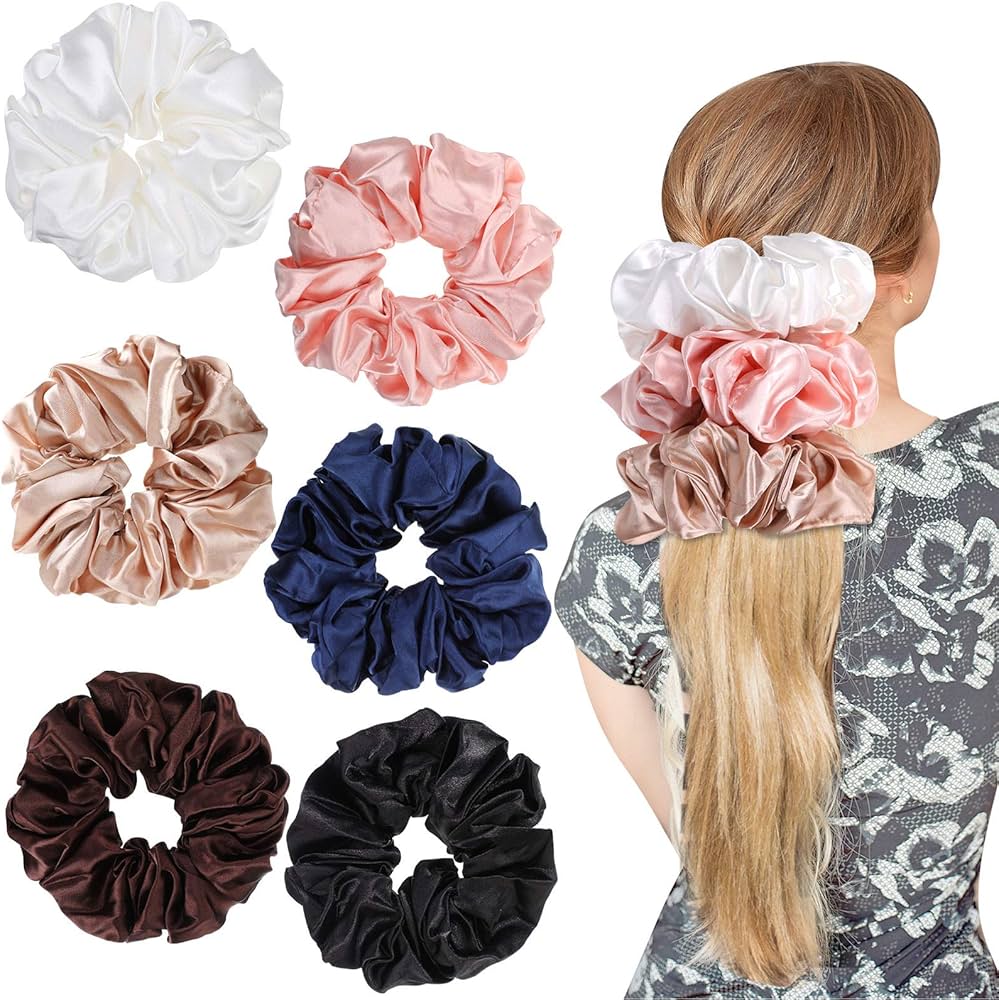
If after switching to a gentle shampoo for a month your hair fall reduces, you’ve found your answer. For extra scalp care, consider using a gentle silk scrunchie to avoid pulling on your hair, which can also contribute to breakage.
Common Mistakes That Increase Hair Fall (Even With the Right Shampoo)
Even if you switch to a gentle shampoo, certain habits can sabotage your efforts. Washing your hair every day can strip natural oils, even with a mild shampoo. Try to wash every 2-3 days, or use a dry shampoo between washes. Also, using too much shampoo is a common mistake. A coin-sized amount is usually enough for short hair, and a little more for longer hair. Over-sudsing can lead to over-cleansing.
Another mistake is scrubbing your scalp with your nails. This can cause micro-tears and inflammation. Instead, use the pads of your fingers and massage in circular motions for a few minutes to stimulate circulation without harming the scalp. Also, rinsing with hot water can be damaging; use lukewarm water, and finish with a cool rinse to help seal the cuticle.
Don’t forget about conditioner. Some people skip conditioner because they think it weighs hair down, but a lightweight conditioner can protect the hair shaft and reduce breakage. Apply conditioner mainly to the ends, not the scalp, to avoid greasiness. If you have oily roots, focus conditioner on the mid-lengths and ends.
Another mistake is using a towel to rub hair dry. This rough friction can cause breakage. Instead, gently squeeze out excess water and wrap hair in a microfiber towel or an old cotton t-shirt. Also, brushing wet hair is more prone to breakage; use a wide-tooth comb or a detangling brush starting from the ends.
Finally, be cautious with heat styling. High heat can weaken the hair protein, making it more susceptible to damage. If you must use heat, always apply a heat protectant spray and use the lowest effective temperature.
Hair Type and Scalp Considerations
Your specific hair type and scalp condition determine how your shampoo affects you. For oily scalps, you might be tempted to use a strong clarifying shampoo, but that can backfire. Instead, look for a gentle shampoo with balancing ingredients like witch hazel or lemon extract, and wash every other day. For dry and damaged hair, choose a moisturizing shampoo with shea butter, argan oil, or hyaluronic acid to hydrate the hair and reduce breakage.
If you have fine, limp hair, avoid heavy oils and butters that can weigh hair down. Opt for a lightweight, volumizing shampoo with proteins like rice protein or keratin. For curly or coily hair, which is naturally drier, you need a sulfate-free, creamy cleanser that won’t strip moisture. Look for glycerin, aloe vera, or avocado oil.
For sensitive scalps prone to eczema or psoriasis, choose a fragrance-free, hypoallergenic shampoo with soothing ingredients like oat extract or chamomile. Avoid sulfates and parabens. If you have dandruff, you might need a medicated shampoo with zinc pyrithione or ketoconazole, but use it only as directed, and alternate with a gentle shampoo to avoid irritation.
In Pakistan’s hot and humid climate, your scalp may become oilier, so you might need to wash more often, but still stick to a gentle formula. Also, consider using a clarifying shampoo once a month to remove buildup from hard water and styling products, but follow with a deep conditioner.
What to Do If Your Shampoo Is the Problem
If you’ve confirmed that your shampoo is contributing to hair fall, the good news is that it’s reversible. First, stop using that shampoo immediately and switch to a gentle, sulfate-free alternative. Look for one that suits your hair type as described above. You may also want to try a co-wash (conditioner-only wash) for a few weeks to give your scalp a break from detergents.
Incorporate scalp care into your routine. Massage your scalp with a few drops of a lightweight oil like jojoba or squalane before washing to nourish the skin. You can also do a gentle exfoliating scalp scrub once a week to remove dead skin cells, but be very gentle. A healthy scalp is key to healthy hair.
Consider using supplements if you’re deficient in iron, vitamin D, or B12, which can cause hair loss. But always consult a doctor first. Also, reduce stress through meditation or yoga, as stress can exacerbate hair fall.
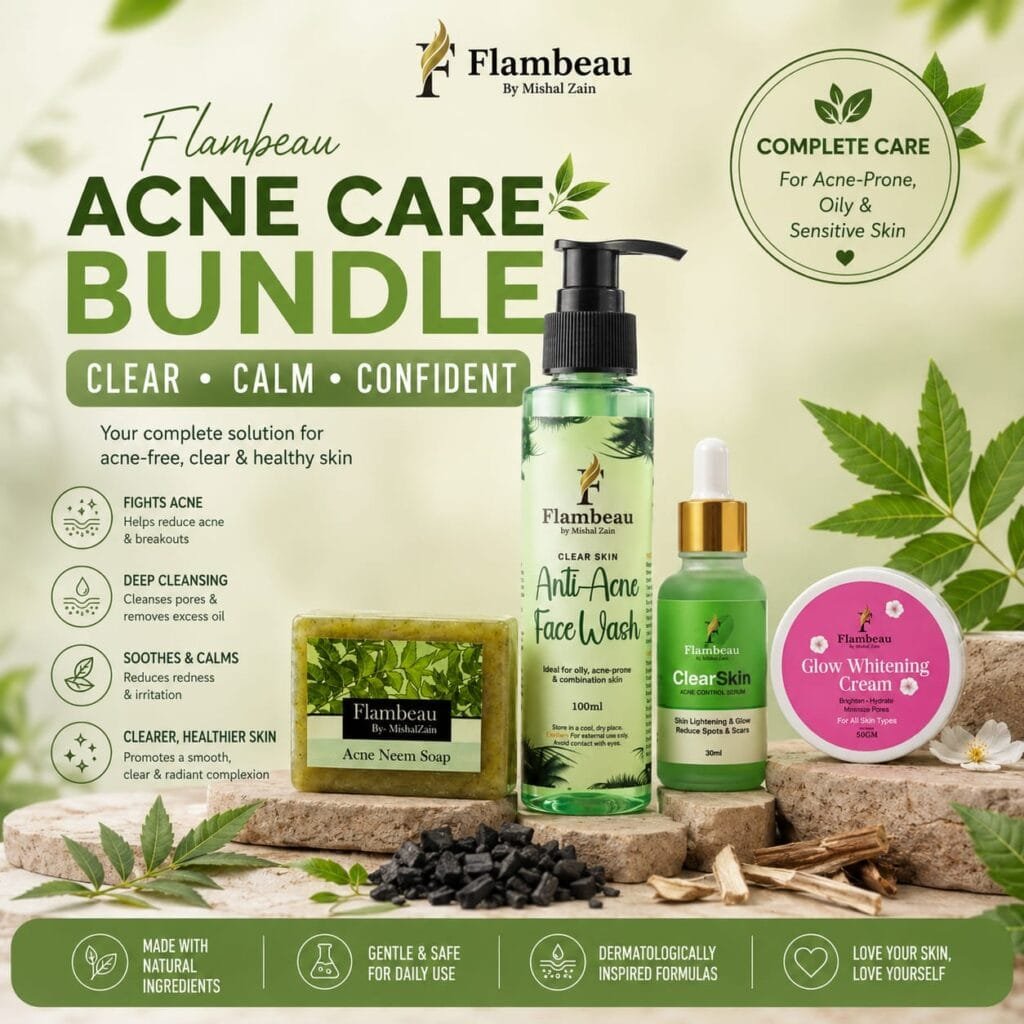
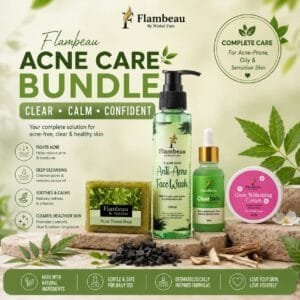
If you’re looking for products that are gentle and support overall hair health, you can explore the hair care range at Flambeauty, which focuses on natural, gentle ingredients. For more tips on strengthening weak hair, check out our guide on herbal remedies for thinning hair. And if you’re dealing with other beauty concerns, our blog has plenty of resources.
Remember, hair fall can also be a sign of an underlying health issue, so if the problem persists despite changing your shampoo and habits, see a dermatologist. They can help identify any medical causes like hormonal imbalances or thyroid issues. For trustworthy advice on hair and scalp care, the American Academy of Dermatology is a great resource.
Frequently Asked Questions
How can I tell if my shampoo is causing hair fall?
Look for signs like irritation, dryness, and increased shedding right after washing. Switch to a sulfate-free shampoo for a month and see if the hair fall reduces.
What ingredients in shampoo cause hair fall?
Harsh surfactants like sulfates, high pH, synthetic fragrances, and drying alcohols can weaken hair and irritate the scalp, leading to breakage.
How often should I wash my hair to prevent hair fall?
It depends on your hair type, but washing every 2-3 days is generally recommended. Over-washing can strip natural oils and cause damage.
Can switching shampoos help with hair fall?
Yes, if your current shampoo is too harsh, switching to a gentle, sulfate-free formula can reduce irritation and breakage, helping to decrease hair fall.
Written by Mishal Rehman, owner of Flambeauty — sharing practical, professional beauty and skincare guidance.
Updated: August 2026