Discover how ginger extract boosts scalp circulation for stronger, healthier hair. Learn benefits, usage tips, and common mistakes in this detailed guide...
Ginger extract stimulates blood flow to the scalp, delivering oxygen and nutrients to hair follicles, which supports stronger growth and a healthier scalp. This natural ingredient also has antimicrobial properties that can reduce dandruff and inflammation, making it a valuable addition to your hair care routine.
Why Scalp Circulation Matters for Hair Health
Scalp circulation is the foundation of hair health. Each hair follicle relies on a steady supply of oxygen and nutrients from the bloodstream to produce strong, healthy strands. When circulation is poor, follicles can become starved, leading to slower growth, thinning, or even hair loss. This is why massaging the scalp is so beneficial—it physically encourages blood flow.
Ginger extract takes this a step further. The active compound gingerol has vasodilating properties, meaning it helps widen blood vessels. This allows more blood to reach the scalp, nourishing follicles and promoting a healthier growth environment. Studies suggest that improved circulation can also help remove waste products from the follicle area, reducing buildup that might hinder growth.
For people in Pakistan, where environmental stressors like pollution and hard water can impact scalp health, ginger extract offers a natural boost. It’s especially helpful for those experiencing temporary thinning or a lackluster scalp. By incorporating ginger into your routine, you’re not just treating symptoms—you’re addressing a root cause of hair issues.
Beyond circulation, ginger’s anti-inflammatory and antioxidant effects protect the scalp from free radical damage. This can prevent premature aging of hair follicles and reduce scalp irritation. Regular use may lead to visibly thicker, more resilient hair over time.
It’s important to note that while ginger supports circulation, it’s not a cure for medical hair loss conditions. For best results, combine it with a balanced diet, gentle hair care, and stress management. Consistency is key—using ginger extract weekly can yield noticeable improvements in scalp condition and hair strength.
If you’re new to ginger for hair, start with a patch test to ensure no irritation. Pure ginger extract can be potent, so diluting it with a carrier oil like coconut or jojoba is recommended. This also helps the ginger spread evenly across the scalp.
How Ginger Extract Directly Benefits Your Scalp and Strands
Ginger extract offers multiple benefits that go beyond circulation. Its antimicrobial properties help combat dandruff-causing fungi and bacteria, making it a great natural remedy for a flaky, itchy scalp. By reducing microbial overgrowth, ginger can calm inflammation and prevent the scalp irritation that often leads to hair shedding.
The antioxidants in ginger, including shogaol and zingiberene, neutralize free radicals that can damage hair follicles. This protective effect helps maintain follicle health and may extend the growth phase of the hair cycle. Healthier follicles produce stronger, shinier strands that are less prone to breakage.
Ginger also has a warming effect when applied topically, which further enhances blood flow. This sensation is a sign that circulation is increasing. Many users report feeling a gentle tingling or warmth after applying ginger-infused treatments, which subsides after a few minutes.
For those with oily scalps, ginger’s astringent qualities can help regulate sebum production. Excess oil can clog follicles and lead to thinning, so balancing oil levels is beneficial. Ginger’s natural cleansing action removes buildup without stripping the scalp of its protective barrier.
Additionally, ginger is rich in essential fatty acids and vitamins like vitamin C and B vitamins, which are vital for hair growth. These nutrients support the production of keratin, the protein that makes up hair. When applied topically, they can be absorbed directly into the scalp for targeted nourishment.
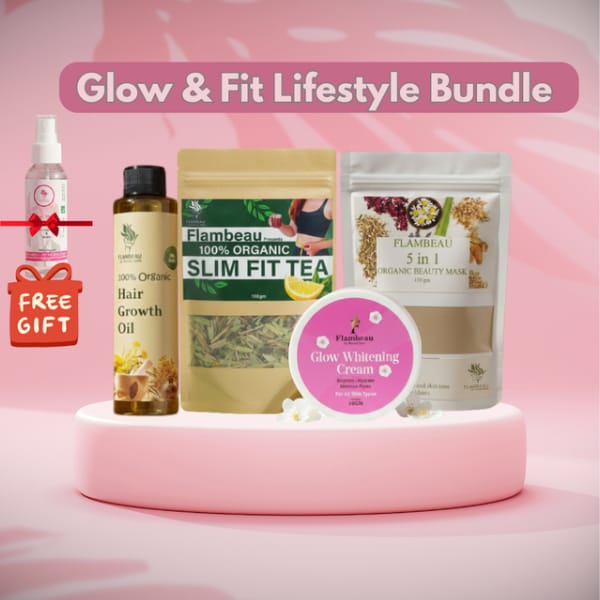
To maximize these benefits, look for products that contain pure ginger extract as a key ingredient. You can also make a simple DIY ginger scalp mask by grating fresh ginger and mixing it with a carrier oil. Leave it on for 15-20 minutes before shampooing. For a convenient option, consider the Glow & Fit Lifestyle Deal which includes hair care essentials that complement ginger treatments.

Step-by-Step Guide to Using Ginger Extract for Hair
Using ginger extract effectively requires proper technique. Follow these steps for best results:
Step 1: Choose your ginger form. Fresh ginger root, ginger juice, or store-bought ginger extract all work. For potency, fresh ginger juice is ideal. Grate a 1-inch piece of ginger and squeeze the pulp to extract the juice.
Step 2: Dilute with a carrier oil. Mix 1 tablespoon of ginger juice with 2 tablespoons of a carrier oil like coconut oil or jojoba oil. This prevents irritation and helps the ginger spread easily. You can also add a few drops of essential oil like rosemary for extra circulation benefits.
Step 3: Section your hair. Divide your hair into four to six sections to ensure even application. Use clips to hold sections out of the way. This is especially important for thick or long hair.
Step 4: Apply to the scalp. Using your fingertips or a cotton ball, apply the ginger mixture directly to your scalp. Focus on areas where you notice thinning or where your scalp feels tight. Gently massage in circular motions for 2-3 minutes to boost absorption.
Step 5: Leave on for 15-20 minutes. Let the treatment sit. You may feel a warm sensation—this is normal. If it burns, rinse immediately. Do not leave on longer than 20 minutes, as prolonged contact can irritate sensitive skin.
Step 6: Rinse thoroughly. Shampoo and condition as usual. You may need to shampoo twice to remove all residue. Follow with a gentle conditioner, such as one from the Hair Care category at Flambeauty.
Step 7: Use weekly. For maintenance, apply this treatment once a week. Consistency is more important than frequency. Overuse can dry out the scalp, so stick to a weekly schedule.
For a gentler option, you can add ginger extract to your regular shampoo. Mix a few drops into your palm before washing. This is less intensive but still provides circulation benefits over time. Always patch test first if you have sensitive skin.
Common Mistakes to Avoid When Using Ginger on Hair
While ginger is generally safe, misusing it can lead to irritation or ineffective results. Avoid these common pitfalls:
Using undiluted ginger juice. Pure ginger is highly concentrated and can cause chemical burns or severe irritation. Always dilute with a carrier oil or water. If you have a sensitive scalp, start with a lower concentration (e.g., 1 part ginger to 3 parts oil).
Leaving ginger on too long. More is not better. Leaving ginger on overnight can dry out the scalp and cause redness. Stick to 15-20 minutes. If you have a scalp condition like eczema, reduce to 10 minutes.
Applying to broken skin. If you have cuts, sores, or active inflammation on your scalp, avoid ginger until the skin heals. Ginger’s warming effect can aggravate wounds and cause stinging.
Expecting instant results. Hair growth is a slow process. Ginger supports circulation and scalp health, but it takes at least 2-3 months of consistent use to see visible changes. Be patient and combine it with a healthy lifestyle.
Ignoring your hair type. Those with fine or oily hair may find ginger treatments weigh hair down if not rinsed thoroughly. Use a lightweight carrier oil like grapeseed instead of coconut. For dry hair, add a moisturizing ingredient like aloe vera to the mix.
Skipping the patch test. Always test a small amount behind your ear or on your inner arm before applying to your entire scalp. Wait 24 hours to check for any reaction. This is crucial if you have allergies or sensitive skin.
For more tips on gentle hair care, read our related post on How to Use Soap Correctly Without Stripping Your Skin Barrier—the principles apply to scalp care too.
Choosing the Right Ginger Products and What to Look For
Not all ginger products are created equal. When shopping for ginger-based hair products, consider these factors:
Check the ingredient list. Look for Zingiber officinale root extract near the top. Avoid products where ginger is listed after fragrances or fillers. The higher the concentration, the more effective it will be.
Choose organic when possible. Non-organic ginger may contain pesticide residues that can irritate the scalp. Organic ginger extract ensures you’re getting a pure, chemical-free product.
Consider the form. Ginger is available as oil, juice, powder, or extract. For scalp treatments, ginger juice or extract is most potent. Ginger oil is milder and better for daily use. Powder can be mixed into hair masks but may be gritty.
Look for complementary ingredients. Products that combine ginger with other circulation-boosting ingredients like rosemary oil, caffeine, or peppermint can enhance results. Also, moisturizing agents like coconut oil or shea butter prevent dryness.
Check the brand’s reputation. Choose brands that are transparent about sourcing and testing. At Flambeauty, we prioritize purity and efficacy in our hair care range. Explore our blog for more insights on natural ingredients.
Consider your hair type. For dry or damaged hair, look for ginger combined with hydrating oils. For oily scalps, ginger in a lightweight serum or toner is ideal. For sensitive scalps, opt for a diluted ginger product or one with soothing ingredients like aloe.
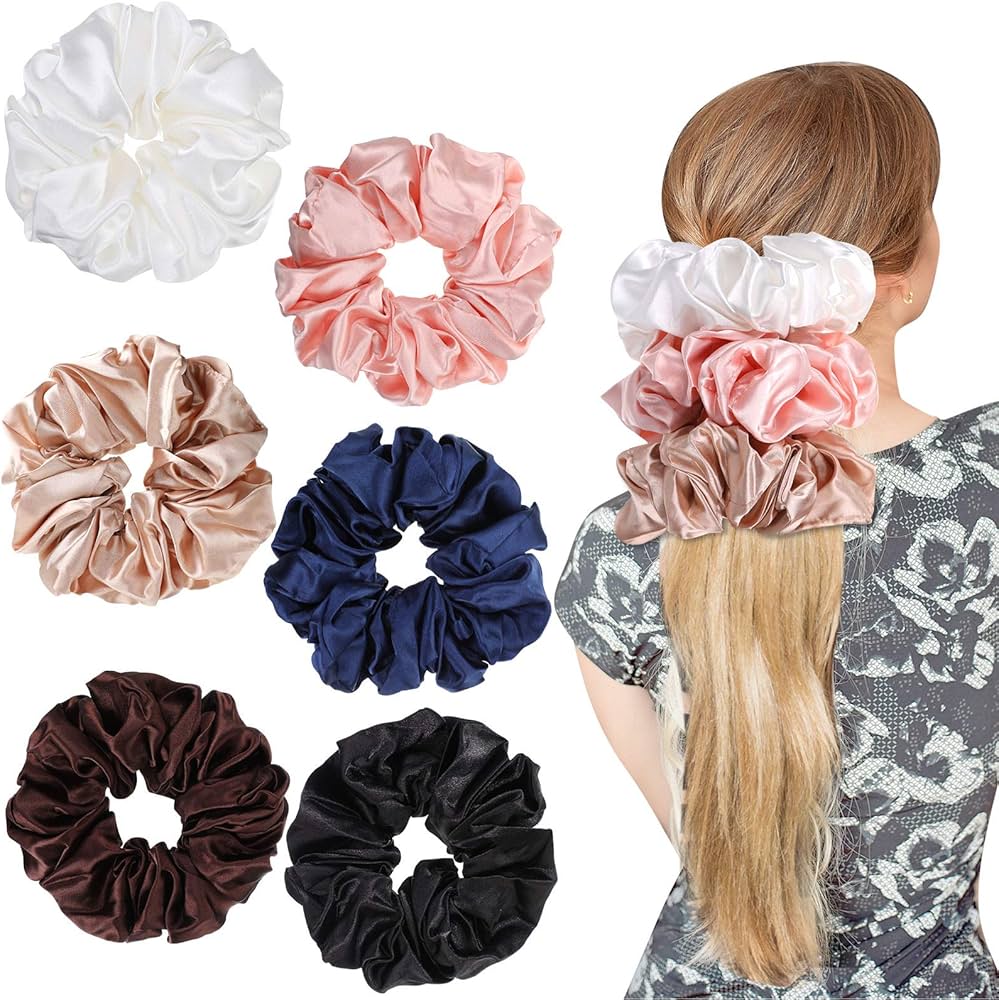
If you’re on a budget, a DIY ginger rinse is cost-effective. Simply steep fresh ginger slices in hot water, cool, and use as a final rinse after shampooing. This is a gentle way to reap benefits without buying multiple products. For a touch of luxury, a 1 Silk Scrunchie – Gentle & Perfect for All Hair Types can help prevent breakage while your hair strengthens.
Adapting Ginger Hair Care for Different Hair Types
Ginger can be tailored to suit various hair types. Here’s how to adjust your approach:
Oily scalp. Use ginger juice mixed with aloe vera gel or witch hazel as a scalp toner. Apply after shampooing and leave on. This helps regulate oil without adding extra grease. Avoid heavy carrier oils.
Dry or damaged hair. Combine ginger with moisturizing carriers like avocado oil or honey. Add a few drops of vitamin E oil for extra nourishment. Focus the treatment on the scalp and mid-lengths, avoiding the ends if they are very dry.
Fine or thin hair. Use ginger in a lightweight spray form. Mix ginger juice with water in a spray bottle and mist onto the scalp before styling. This won’t weigh hair down. Follow with a volumizing shampoo.
Curly or coily hair. Dilute ginger with a rich oil like castor oil or shea oil. These thicker oils help define curls while ginger stimulates the scalp. Leave the treatment on for 20 minutes before washing. Use a wide-tooth comb to distribute evenly.
Color-treated hair. Ginger is generally safe for colored hair, but it can slightly lighten hair over time due to its natural bleaching effect. If you have dark dye, use ginger sparingly—once every two weeks. Always follow with a color-safe conditioner.
Sensitive scalp. Dilute ginger heavily (1 part ginger to 4 parts oil) and add a soothing ingredient like chamomile or calendula. Test on a small area first. If any irritation occurs, discontinue use.
Remember, your hair type may change with seasons or lifestyle. Adjust your ginger routine accordingly. For more personalized advice, browse the Hair Care category for products suited to your needs.
Frequently Asked Questions
Can ginger extract help with hair growth?
Yes, ginger extract can support hair growth by improving scalp circulation and delivering nutrients to follicles. However, it is not a cure for medical hair loss and works best as part of a consistent hair care routine.
Is ginger safe for all hair types?
Ginger is generally safe, but it can be irritating if used undiluted or left on too long. Those with sensitive scalps should patch test first and dilute heavily. Adjust concentration based on your hair type—oily, dry, or curly.
How often should I use ginger on my scalp?
Once a week is ideal for most people. Overuse can dry out the scalp. If you have a sensitive scalp, start with every two weeks and increase frequency as tolerated.
Can I leave ginger on my scalp overnight?
No, leaving ginger on overnight can cause irritation and dryness. Limit application to 15-20 minutes. If you have a scalp condition, reduce to 10 minutes and rinse thoroughly.
Written by Mishal Rehman, owner of Flambeauty — sharing practical, professional beauty and skincare guidance.
Updated: July 2026