Discover how herbal ubtan benefits skin, from brightening dullness to gentle exfoliation. Learn the best ingredients, steps, and mistakes to avoid.
Herbal ubtan is a traditional powdered face mask made from ground herbs, grains, and pulses. Used regularly, it gently exfoliates, brightens dull skin, absorbs excess oil, and supports a more even, healthier-looking complexion without harsh chemicals. Its natural ingredients suit most skin types when blended correctly.
What Is Herbal Ubtan and Why It Has Stood the Test of Time
Ubtan is not a single product but a category of traditional skincare preparation that has been used across South Asia for centuries. At its core, ubtan is a blend of dried, powdered botanicals, often including grains like gram flour (besan), pulses, sandalwood, turmeric, rose petals, and various herbs. These dry ingredients are mixed with a liquid such as milk, yogurt, rose water, or plain water to form a paste, which is then applied to the face and sometimes the body.
The word “ubtan” itself is derived from Sanskrit and broadly refers to a cleansing and brightening paste. Historically, it was prepared fresh for brides before weddings, used during festive occasions, and incorporated into weekly self-care rituals. The reason it endured is simple: the ingredients were accessible, affordable, and effective for the skin concerns people actually faced, such as dullness, uneven tone, oiliness, and rough texture.
What makes ubtan different from many modern masks is its dual-action nature. It exfoliates physically through fine grain particles and simultaneously delivers botanical compounds that can soothe, brighten, and balance the skin. This combination of gentle mechanical action and plant-based nourishment is why many people find it more satisfying than a single-purpose clay mask or scrub.
It is important to set realistic expectations. Ubtan is not a medical treatment and it will not erase deep scars or reverse years of sun damage overnight. What it can do, with consistent use, is improve the way your skin looks and feels: smoother texture, more even tone, and a fresher, less congested appearance. Think of it as a supportive weekly habit rather than a miracle cure.
Modern interest in ubtan has grown alongside a broader shift toward gentler, ingredient-conscious skincare. People want to know what they are putting on their faces, and ubtan’s simple, recognizable components appeal to that instinct. It also fits naturally into a routine that values traditional, intentional self-care over harsh, fast-acting products.
The Key Ingredients in Herbal Ubtan and What Each One Does
The benefit of any ubtan depends heavily on what goes into it. A well-formulated blend typically contains a base of grain or pulse flours, one or two brightening botanicals, a soothing element, and sometimes a fragrant or cooling component. Understanding each ingredient helps you choose or build a blend that suits your skin.
Gram flour (besan) is the most common base. It is a fine, mildly absorbent powder that helps lift oil and dead surface cells without stripping the skin. Because it is gentle, it works for most skin types, though very dry skin may find it slightly tightening if used too often. It also gives the paste a smooth, spreadable texture.
Turmeric is the ingredient most associated with ubtan’s brightening reputation. It contains curcumin, a compound studied for its antioxidant and soothing properties. In small amounts, turmeric can help temporarily reduce the look of redness and give skin a warmer, more even appearance. The key word is small: too much turmeric can stain the skin yellow, especially on lighter complexions, so a pinch is enough.
Sandalwood powder is cooling and calming. It has a long history in South Asian skincare for quieting irritation and adding a soft, matte finish. Rose petal powder is similarly soothing and adds a gentle natural fragrance, making the mask experience more pleasant. Both are particularly helpful for sensitive or heat-prone skin.
Other common additions include oat flour for extra gentleness, multani mitti (fuller’s earth) for oil control, neem powder for blemish-prone skin, and milk powder or yogurt for mild lactic acid exfoliation. Lactic acid is an alpha-hydroxy acid that can help soften texture over time, which is one reason yogurt-based ubtan feels more conditioning than a plain flour mask.
When you are choosing a ready-made ubtan, look for a short ingredient list where you recognize every item. Avoid blends that list “fragrance” high up, contain artificial colors, or include preservatives meant for long shelf life at the expense of freshness. A good ubtan should smell like its ingredients, not like perfume. If you prefer a cleansing step before masking, a gentle natural face wash pairs well with an ubtan routine.
How to Use Herbal Ubtan: A Step-by-Step Routine
Using ubtan correctly matters as much as choosing the right blend. Done well, it leaves skin soft and refreshed. Done carelessly, it can cause irritation or dryness. Follow these steps for a safe, effective experience.
Step 1: Start with a clean face. Remove makeup and surface oil with a mild cleanser or plain lukewarm water. Ubtan works best on clean skin because the grains can then focus on dead cells rather than on a layer of product. Pat dry, leaving skin slightly damp.
Step 2: Mix a small batch fresh. Take one to two teaspoons of ubtan powder in a small bowl. Add liquid gradually, stirring until you get a smooth paste with a yogurt-like consistency. Good liquid options include plain yogurt, milk, rose water, or water. For dry skin, yogurt or milk adds creaminess; for oily skin, rose water or plain water keeps it light.
Step 3: Patch test first. Before applying to your whole face, especially with a new blend, dab a little on your jawline or inner arm and wait 15 to 20 minutes. If you notice burning, itching, or unusual redness, rinse it off and do not proceed. This is especially important if your skin is sensitive or you have never used turmeric before.
Step 4: Apply in a thin, even layer. Use clean fingers or a soft brush, avoiding the delicate skin around the eyes and any broken or irritated areas. A thin layer is enough; a thick, heavy layer does not work better and is harder to remove gently.
Step 5: Let it sit for 10 to 15 minutes. You do not need to let it dry completely into a cracked mask. In fact, removing ubtan while it is still slightly damp is kinder to the skin. If it starts to feel tight or itchy, rinse sooner.
Step 6: Remove gently with lukewarm water. Use your fingertips in light circular motions as you rinse. This gives a final, gentle exfoliation. Never scrub hard or use a rough cloth. Follow with a moisturizer while skin is still damp to lock in hydration.
Frequency matters. Once or twice a week is plenty for most people. If your skin is oily and resilient, twice weekly may suit you; if it is dry or sensitive, once a week or even every ten days is wiser. Overuse is the most common reason people experience dryness or irritation from ubtan.
Matching Ubtan to Your Skin Type
Ubtan is adaptable, but the ideal blend and liquid differ by skin type. Adjusting these details helps you get the benefits without triggering problems.
For dry skin, choose a base that includes oat flour or milk powder and mix with yogurt, milk, or a little honey. Avoid heavy clay additions like multani mitti, which can be too absorbent. Keep the mask on for a shorter time, around 10 minutes, and always follow with a rich moisturizer. Dry skin benefits most from the conditioning side of ubtan rather than the exfoliating side.
For oily skin, a blend with gram flour and a small amount of multani mitti works well. Mix with rose water or plain water rather than milk. You can use ubtan up to twice a week, and the oil-absorbing action can help reduce midday shine. Avoid over-washing afterward, since stripping oil too aggressively can trigger more production.
For combination skin, the simplest approach is a balanced blend applied evenly, or a slightly thicker layer on the T-zone and a thinner one on the cheeks. Mix with rose water, which is light enough for oily areas but soothing for drier ones. This is the skin type that tends to see the most noticeable overall improvement in tone and texture from regular ubtan use.
For sensitive skin, keep the blend minimal: gram flour, oat flour, and a touch of sandalwood or rose powder. Skip turmeric or use only a tiny pinch, and always patch test. Mix with cool milk or plain water, leave on for no more than 10 minutes, and rinse with cool water. If your skin reacts easily, consider using ubtan only every two weeks.
For acne-prone skin, neem powder and a light gram flour base can be helpful, mixed with rose water. Avoid scrubbing actively over active breakouts, as friction can worsen inflammation. Ubtan can support a clearer-looking complexion over time, but it is not a substitute for a consistent, gentle routine. If acne is persistent or painful, a dermatologist’s guidance is the right next step.
Common Mistakes to Avoid When Using Ubtan
Many disappointing ubtan experiences come down to technique rather than the product itself. Avoiding a few common errors can make a real difference.
Mistake 1: Using too much turmeric. Turmeric is powerful, and more is not better. A pinch is enough for brightening benefits. Using a heaped spoonful can leave a yellow tint that takes days to fade, especially on lighter skin. If you are mixing your own blend, err on the side of less.
Mistake 2: Scrubbing too hard. Ubtan already provides gentle exfoliation through its grain particles. Pressing or rubbing aggressively does not clean deeper; it just irritates the skin barrier and can cause redness or micro-tears. Light, circular motions are all you need.
Mistake 3: Leaving it on until it cracks. A fully dried, cracked mask pulls moisture from the skin and makes removal uncomfortable. Rinse while the paste is still slightly damp. This one habit prevents most post-ubtan tightness.
Mistake 4: Skipping moisturizer afterward. Exfoliation, however gentle, removes some surface oils. Applying moisturizer within a few minutes of rinsing helps restore comfort and supports a healthier-looking barrier. This is non-negotiable for dry or sensitive skin.
Mistake 5: Using it daily. Daily use can overwhelm the skin, leading to dryness, sensitivity, and even more oil production as the skin tries to compensate. Once or twice a week is the sweet spot for most people.
Mistake 6: Ignoring expiry and storage. Natural powders can absorb moisture and harbor bacteria over time. Store ubtan in an airtight container in a cool, dry place, and mix only what you need for each use. Never keep a wet paste for later. If a product changes smell or color, replace it.
If you enjoy building a routine around gentle, traditional steps, pairing ubtan with a calm evening wind-down can make the whole experience more restorative. Our guide to a calming nighttime routine is a good companion read.
What to Look For When Buying or Making Ubtan
Whether you buy a ready-made blend or mix your own, quality determines results. Here is what to prioritize.
For a store-bought ubtan, read the ingredient list first. A good product names its botanicals clearly and lists them in order of quantity. Be cautious of blends where the first ingredient is a filler starch, or where “perfume” and artificial dyes appear. Freshness matters more than packaging: a simple airtight pouch from a brand that makes small batches is often better than an elaborately boxed product that has sat on a shelf for two years.
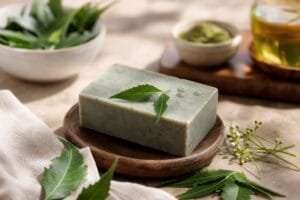
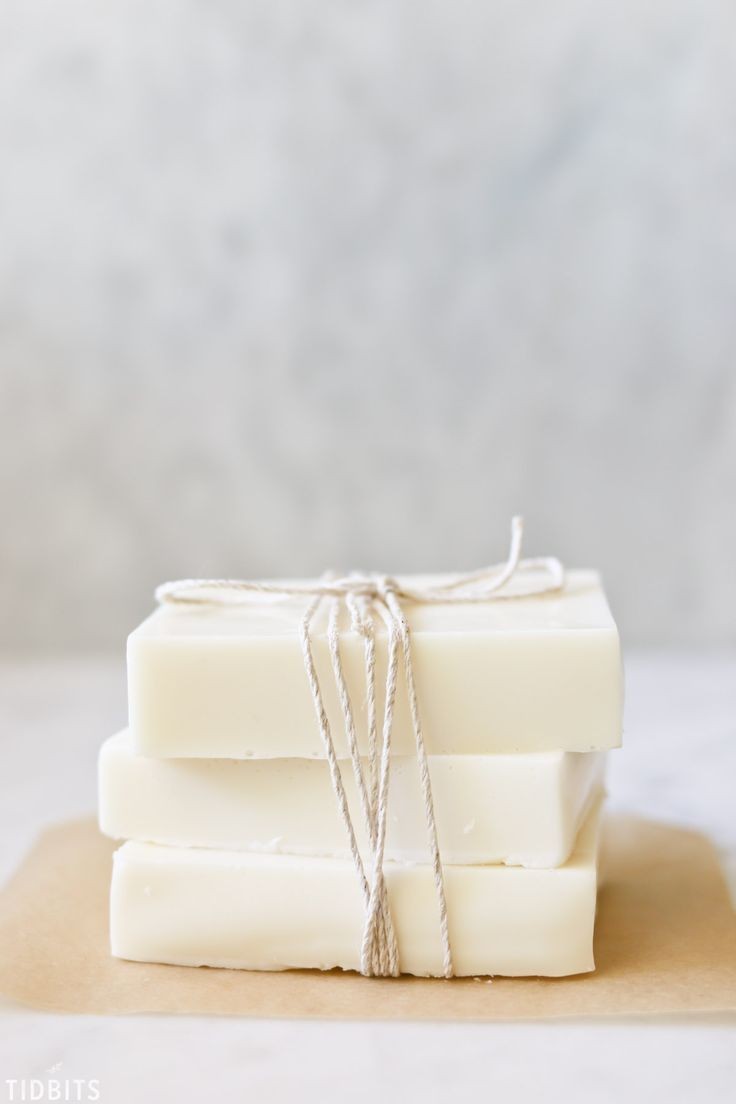
For those who prefer ready-made skincare with recognizable ingredients, our skin care collection includes options designed for gentle daily use, and a bar like Goat Milk Soap can serve as a mild cleansing step before an ubtan mask. Goat milk is naturally rich in fats and lactic acid, which makes it a soothing choice for skin that tends to feel tight after washing.
If you mix your own, source ingredients from reputable suppliers and buy in small quantities so nothing sits for years. Store powders away from steam and sunlight. Label your containers with the date you opened them, and replace within six to twelve months for the best freshness.
Patch testing is essential with any new blend, whether homemade or purchased. Even familiar ingredients can vary in strength between batches. A simple 15-minute test on the jawline protects you from a full-face reaction.
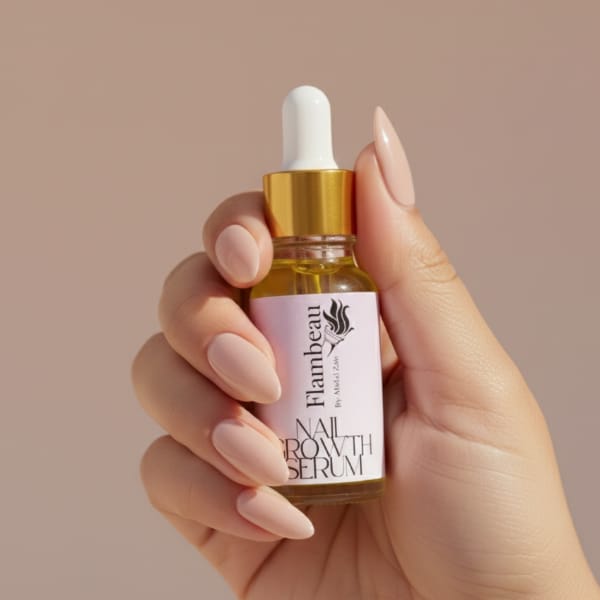
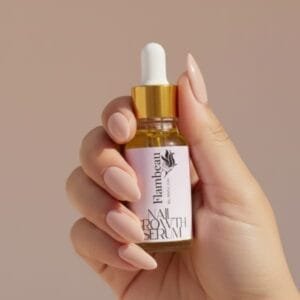
Finally, think of ubtan as part of a broader routine rather than a standalone fix. Consistent cleansing, moisturizing, sun protection, and adequate sleep do more for your skin than any single mask. Ubtan adds a gentle, traditional boost on top of those fundamentals. And while you are caring for your skin, do not neglect the details: a product like our Nail Growth Serum can support stronger, healthier-looking nails as part of the same self-care ritual. For broader guidance on building a safe routine, the American Academy of Dermatology offers reliable skin care basics worth reviewing.
Used thoughtfully, herbal ubtan remains what it has always been: a simple, satisfying way to care for your skin with ingredients you can understand. Give it a few weeks of consistent, gentle use, and you may notice smoother texture, a more even tone, and skin that simply looks healthier.
Frequently Asked Questions
How often should I use herbal ubtan on my face?
Once or twice a week is enough for most skin types. Dry or sensitive skin may do better with once a week or every ten days, while oily skin can sometimes handle twice weekly.
Can ubtan remove dark spots or pigmentation?
Ubtan can help brighten the overall look of skin and support a more even tone over time, but it will not remove dark spots quickly or completely. Consistent use plus sun protection gives the best results.
Is it safe to use ubtan every day?
Daily use is not recommended because it can dry out or irritate the skin. Over-exfoliating may also lead to more oil production and sensitivity, so stick to a few times a week.
What liquid is best to mix ubtan with?
Yogurt or milk suits dry skin, rose water or plain water works well for oily and combination skin, and cool milk or water is gentlest for sensitive skin. Mix only what you need for one use.
Written by Mishal Rehman, owner of Flambeauty — sharing practical, professional beauty and skincare guidance.
Updated: September 2026