Discover the best natural face wash ingredients for glowing skin—from aloe vera to green tea—plus how to choose based on your skin type and avoid common...
For a genuinely glowing complexion, the best natural face wash ingredients are those that cleanse without stripping your skin’s moisture barrier—think aloe vera, honey, green tea, cucumber, and botanical oils. These ingredients gently remove dirt and excess oil while delivering antioxidants and hydration, which supports a brighter, more even-looking skin tone over time. Avoid harsh sulfates and alcohol, and always patch test new products to ensure your skin reacts well.
Why Natural Ingredients Matter for Glowing Skin
Your face wash is the first step in any skincare routine, and the ingredients you choose can either support or sabotage your glow. Harsh synthetic cleansers often contain sulfates like sodium lauryl sulfate, which create a rich lather but can strip away your skin’s natural lipids. When that protective barrier is compromised, your skin loses moisture, becomes prone to irritation, and can look dull or flaky. Glowing skin, on the other hand, starts with a healthy, well-hydrated barrier that reflects light evenly.
Natural ingredients tend to be gentler because they work with your skin’s biochemistry rather than against it. For instance, aloe vera contains polysaccharides that help retain moisture, while honey is a natural humectant that draws water into the outer layers of the skin. Green tea is rich in polyphenols, particularly epigallocatechin gallate (EGCG), which has antioxidant properties that help neutralize free radicals—unstable molecules that can accelerate visible signs of aging and dullness. By incorporating these botanical extracts into your daily cleanse, you’re not just removing impurities; you’re also providing your skin with a dose of nourishment that supports a healthier-looking complexion.
In Pakistan’s climate, where hot, humid summers and dry winters can stress the skin, choosing natural ingredients is especially beneficial. For example, cucumber extract has a cooling effect that can soothe skin after sun exposure, while neem—a traditional herb in South Asian skincare—offers antibacterial properties that may help with breakouts. Many local brands, including Flambeauty’s face wash range, are now formulating with these time-tested botanicals to cater to regional skin concerns.
It’s important to remember that “natural” isn’t a regulated term, so not every product labeled natural is free of synthetic additives. Look for ingredient lists where botanical extracts appear early, indicating higher concentrations. Also, be wary of essential oils, which are natural but can be irritating for sensitive skin. The goal is to find a cleanser that removes impurities without leaving your face feeling tight or dry—a sign that your barrier is intact and your glow can shine through.
Ultimately, glowing skin is not about layering on heavy makeup; it’s about maintaining a clean, hydrated, and balanced canvas. A natural face wash that respects your skin’s pH and microbiome sets the stage for all the serums and moisturizers that follow. If you have a compromised skin barrier, consider reading our guide on damaged skin barrier repair to understand how to rebuild your skin’s defenses first.
Top Natural Ingredients to Look For
Aloe Vera
Aloe vera is a succulent plant whose gel has been used for centuries to soothe burns and irritations. In a face wash, it provides gentle cleansing while leaving a hydrating film on the skin. It contains vitamins C and E, both antioxidants that help fight oxidative stress, and it has natural anti-inflammatory properties that can calm redness. For those with dry or sensitive skin, aloe vera helps prevent that uncomfortable tight feeling after washing. Look for products where aloe vera juice or gel is listed among the first few ingredients, indicating that it’s a base rather than a minor additive.
Honey
Raw honey is a natural humectant, meaning it attracts and retains moisture. It also has mild antibacterial properties due to its low water content and acidic pH, which can be beneficial for acne-prone skin. In cleansers, honey helps create a smooth, non-stripping lather and leaves the skin feeling soft. Manuka honey, in particular, is prized for its high levels of methylglyoxal, a compound with potent antimicrobial activity, but even regular raw honey offers benefits. If you have oily skin, you might worry that honey is too heavy, but in rinse-off products it’s actually well-tolerated and can help balance oil production without over-drying.
Green Tea Extract
Green tea is packed with catechins, especially EGCG, which are powerful antioxidants that can help protect the skin from UV damage and environmental pollutants. When used in a face wash, green tea provides a gentle astringent effect, helping to tighten pores and reduce excess oil. It also has anti-inflammatory properties that can soothe active breakouts. For a refreshing morning cleanse, a green-tea-infused formula can wake up dull skin and provide a subtle antioxidant boost before you apply your serums.
Cucumber Extract
Cucumber is composed of about 95% water, making it incredibly hydrating and cooling. It contains vitamin C and caffeic acid, which help soothe irritated skin and reduce puffiness. In a face wash, cucumber extract imparts a fresh, clean feel and is ideal for those who experience sensitivity or redness. It’s particularly refreshing in hot, humid climates, where a cooling cleanse can be a welcome ritual. Many gel-based cleansers use cucumber water as a base to provide lightweight hydration without leaving a heavy residue.
Oatmeal
Colloidal oatmeal, finely ground oats, is a gentle exfoliant and soothing agent. It contains beta-glucans, which form a protective film on the skin, and saponins, which help lift dirt and oil. Oatmeal is especially beneficial for sensitive or eczema-prone skin because it calms itching and irritation. In a face wash, oatmeal can provide physical exfoliation without the harshness of plastic microbeads. It leaves the skin feeling smooth and soft, and it’s an excellent choice for a gentle daily cleanser.
Neem and Tulsi
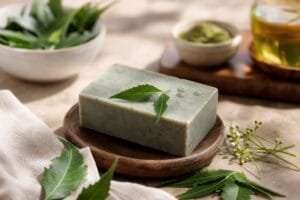
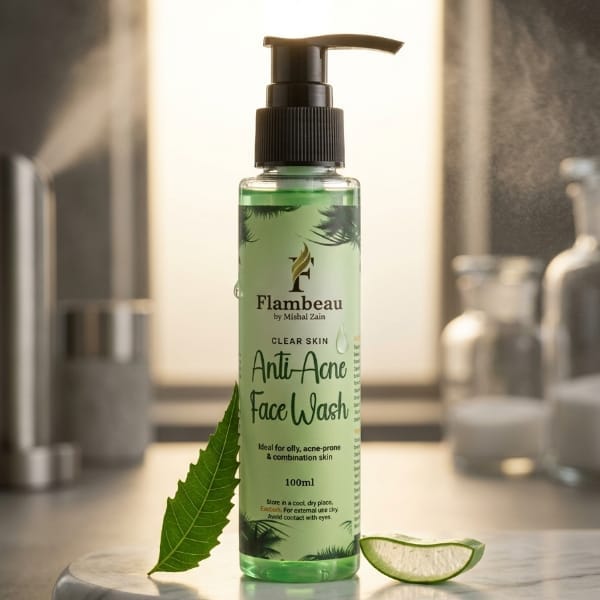
Neem and tulsi (holy basil) are traditional Ayurvedic herbs known for their purifying properties. Neem contains nimbidin, a compound with antibacterial and anti-inflammatory effects, making it useful for acne-prone skin. Tulsi is rich in eugenol, which has antimicrobial properties and helps soothe the skin. These botanicals are commonly found in Pakistani skincare products, such as the Anti Acne Facewash for Pimples & Oil Control, which combines neem with other natural extracts to target breakouts without over-drying.

When scanning ingredient lists, also look for supporting ingredients like glycerin (plant-derived), panthenol (pro-vitamin B5), and niacinamide (vitamin B3). These enhance the skin’s barrier and improve its appearance. Avoid ingredients like sodium lauryl sulfate, fragrance, and denatured alcohol, which can undo the benefits of the natural extracts.
How to Choose the Right Natural Face Wash for Your Skin Type
Dry and Dehydrated Skin
If your skin often feels tight, flaky, or looks dull, you need a cleanser that cleanses without stripping oils. Look for cream or milk cleansers that contain aloe vera, honey, or oatmeal. These ingredients provide moisture while gently removing impurities. Avoid foaming cleansers that contain sulfates, as they can exacerbate dryness. You might also consider washing with lukewarm water, as hot water can further dehydrate the skin. After cleansing, immediately apply a hydrating moisturizer to lock in moisture.
Oily and Acne-Prone Skin
Oily skin benefits from gel-based cleansers that contain green tea, neem, or tea tree oil. These ingredients help control excess sebum and have antibacterial properties to combat acne. However, be careful not to over-cleanse in an attempt to remove all oil—this can trigger rebound oil production. Your natural face wash should leave your skin feeling clean but not squeaky-tight. Products like the Anti Acne Facewash are formulated specifically for this skin type, providing deep cleansing while maintaining balance.
Combination Skin
Combination skin has both oily and dry areas—typically an oily T-zone and dry cheeks. A balanced approach is to use a gentle foaming cleanser that contains ingredients like cucumber or aloe vera, which hydrate without being heavy. You can also use different cleansers for different zones, but that’s often impractical. Instead, choose a versatile formula that doesn’t over-dry the cheeks while still controlling oil in the T-zone. A low-pH cleanser is ideal as it respects the skin’s natural acidity.
Sensitive and Reactive Skin
If your skin easily turns red, itchy, or stings, you need a minimalist cleanser with soothing ingredients. Oatmeal, chamomile, and aloe vera are excellent choices. Avoid essential oils, alcohol, and synthetic fragrances, as these are common triggers. Patch test any new product on a small area of your jawline for a few days before using it all over your face. A gentle, fragrance-free natural cleanser can help calm your skin while still removing impurities.
Step-by-Step: How to Use a Natural Face Wash for Maximum Glow
Using your natural face wash correctly is just as important as the ingredients. Start by wetting your face with lukewarm water—too hot can irritate, too cold may not dissolve oil effectively. Squeeze a pea-sized amount of cleanser into your palm and rub your hands together to create a light lather. Apply it to your face using gentle, circular motions, focusing on the T-zone and areas where you tend to get congested. Avoid scrubbing aggressively, as that can cause micro-tears in the skin and lead to irritation.
Massage the cleanser into your skin for about 30 to 60 seconds. This gives the active ingredients time to work—for instance, green tea’s antioxidants need a moment to neutralize free radicals, while honey’s humectants can start drawing moisture. Pay attention to your hairline and jawline, where makeup and product buildup often accumulate. Rinse thoroughly with lukewarm water, ensuring no residue is left behind, as leftover cleanser can clog pores.
After rinsing, gently pat your face dry with a clean, soft towel—don’t rub, as that can disturb the skin’s moisture barrier. Immediately follow with a moisturizer or serum while your skin is still slightly damp, as this locks in hydration. For an extra glow boost, you can use a cotton pad with a natural toner like witch hazel after cleansing, but only if your skin tolerates it.
How often should you wash your face? Most dermatologists recommend cleansing twice a day—once in the morning to remove overnight sebum and once in the evening to remove makeup, sunscreen, and pollutants. Over-washing can disrupt your skin’s barrier, leading to increased sensitivity and breakouts. If you have very dry skin, you might wash only in the evening and just splash water in the morning.
Finally, always remember to patch test any new face wash on a small area of your inner arm or behind your ear for 24 hours before using it on your face. This is especially crucial if you have sensitive skin or a history of allergies. If you experience any redness, burning, or itching, discontinue use and consult a dermatologist.
Common Mistakes to Avoid with Natural Face Washes
One of the most common mistakes is assuming that “natural” means “gentle.” Many natural ingredients, such as citrus extracts and certain essential oils, can be highly irritating, especially in high concentrations. For example, lemon juice can cause phytophotodermatitis when exposed to sunlight, leading to dark spots. Always check the ingredient list and avoid products that contain citrus oils in high amounts if you have sensitive skin.
Another mistake is using too much product. A pea-sized amount is sufficient for most cleansers. Using more won’t make your skin cleaner but can strip away more natural oils and leave a film that clogs pores. Similarly, washing your face too frequently—more than twice a day—can disrupt your skin’s microbiome and lead to overproduction of oil.
Skipping moisturizer after cleansing is another error. Even if your face wash contains hydrating ingredients like aloe vera, it’s a rinse-off product, so those benefits are limited. Always apply a moisturizer suited to your skin type to seal in hydration and maintain your glow. If you have oily skin, use a lightweight, oil-free moisturizer to avoid feeling heavy.
Using hot water is a common habit that can dry out your skin. Hot water strips the skin’s natural oils and weakens the barrier, leading to dullness and irritation. Stick to lukewarm water, which effectively removes dirt without causing damage. Also, avoid washing your face in the shower if the water is very hot—your face’s skin is more delicate than the rest of your body.
Finally, don’t be fooled by products that claim to provide “instant glowing skin.” A healthy glow develops over time with consistent, gentle care. Products that promise quick results often contain harsh exfoliants or bleaching agents that can harm your skin in the long run. Instead, look for brightening ingredients like vitamin C, licorice root extract, or alpha hydroxy acids in low concentrations, which support a more even skin tone with regular use. For a product that emphasizes brightening, consider a formula like the Whitening Face Wash, which is designed for deep cleansing while promoting a more radiant appearance.

Building a Natural Skincare Routine Beyond the Face Wash
A natural face wash is only one piece of the glowing-skin puzzle. To maximize your results, pair your cleanser with a simple, supportive routine. After cleansing, apply a toner made from gentle botanicals—witch hazel can help refine pores if you’re oily, while rose water is soothing for dry skin. Then, use a serum with antioxidants like vitamin C or niacinamide to protect against environmental damage. Finally, seal everything with a moisturizer that contains humectants like glycerin or hyaluronic acid, and emollients like shea butter or jojoba oil to lock in moisture.
Exfoliation is also key to glowing skin, but it should be done gently. Natural exfoliants like finely ground oatmeal or rice powder can be used once or twice a week to remove dead skin cells. Avoid harsh physical scrubs with large particles, as they can cause micro-tears. Chemical exfoliants like lactic acid (derived from milk) or salicylic acid (from willow bark) are effective and often gentler, but you should introduce them slowly to avoid irritation.
Don’t forget sunscreen! UV exposure is the number one cause of premature aging and dark spots. Even on cloudy days, apply a broad-spectrum sunscreen with at least SPF 30 as the last step of your morning routine. Many natural sunscreens use zinc oxide or titanium dioxide, which provide physical protection without chemical filters that can irritate sensitive skin.
Your diet and lifestyle also affect your glow. Drink plenty of water to stay hydrated from the inside out. Eat fruits and vegetables rich in antioxidants, like berries, citrus, and leafy greens. Get enough sleep—your skin repairs itself while you rest, and lack of sleep can show up as dullness and dark circles. Manage stress through activities like yoga or meditation, as high cortisol levels can trigger breakouts.
If you’re looking for more guidance on building a natural routine, explore our skincare blog for tips on toners, moisturizers, and more. Remember, consistency is more important than perfection—a simple routine you follow daily will yield better results than a complex one you rarely do.
Frequently Asked Questions
What are the best natural ingredients for a glowing skin face wash?
Aloe vera, honey, green tea, cucumber, and oatmeal are excellent natural ingredients. They cleanse gently while providing hydration and antioxidants, which support a brighter, more even skin tone.
Can natural face washes help with acne?
Yes, certain natural ingredients like neem, tea tree oil, and green tea have antibacterial and anti-inflammatory properties that can help manage acne. Look for a cleanser specifically formulated for oily or acne-prone skin.
How often should I use a natural face wash?
Most people can use a gentle natural face wash twice a day—morning and evening. If your skin is dry, you might wash only at night and just rinse with water in the morning.
Are natural face washes suitable for sensitive skin?
Many are, but it depends on the ingredients. Choose products with soothing ingredients like oatmeal, aloe vera, and chamomile, and avoid essential oils and alcohol. Always patch test first.
Written by Mishal Rehman, owner of Flambeauty — sharing practical, professional beauty and skincare guidance.
Updated: September 2026