
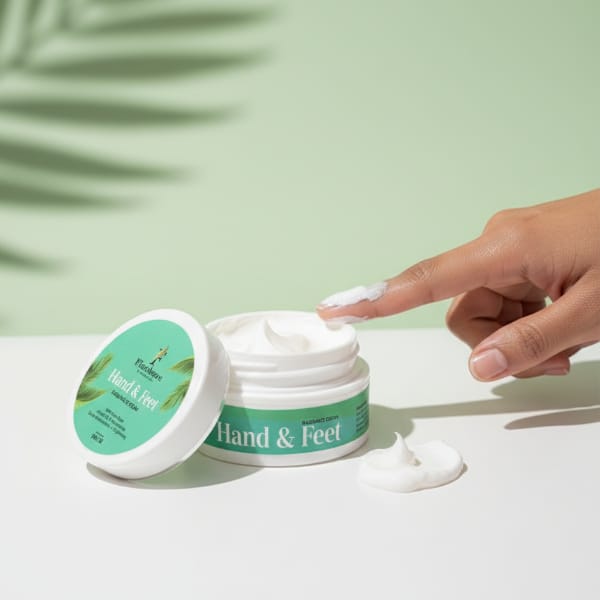
Learn how to create a relaxing nighttime wind-down routine that improves sleep quality and supports skin health. Step-by-step guide with product tips for...
To build a relaxing nighttime wind-down routine, start by setting a consistent bedtime and creating a calming environment that signals your body it’s time to rest. Incorporate gentle skincare, light stretching, and screen-free activities to transition from the day’s stress. Focus on hydration and barrier repair with products like a soothing serum. This routine not only improves sleep but also supports healthier-looking skin overnight.
Why a Nighttime Wind-Down Routine Matters for Your Skin and Mind
Your body operates on a natural circadian rhythm, and aligning your evening habits with this internal clock can profoundly affect both your sleep quality and your skin’s overnight repair processes. During deep sleep, your skin’s blood flow increases, and cell turnover accelerates, helping to undo some of the day’s environmental stressors like pollution and UV exposure. A wind-down routine is essentially a bridge that tells your nervous system it’s safe to shift from “fight-or-flight” to “rest-and-digest,” lowering cortisol levels that can contribute to breakouts and dullness.
In Pakistan, where long commutes, dusty air, and late dinners are common, the transition to sleep is often abrupt. Many of us scroll through our phones until our eyes ache, then collapse into bed, missing the opportunity to prepare our skin and mind for rest. A deliberate wind-down routine counters this by creating a buffer zone of calm. It doesn’t need to be elaborate—even 30 minutes can make a measurable difference in how rested you feel and how your skin appears in the morning.
The benefits extend beyond vanity. Chronic stress and poor sleep are linked to increased inflammation, which can worsen conditions like eczema and acne. By lowering stress hormones through a consistent routine, you’re not just pampering yourself; you’re actively supporting your skin’s barrier function. A healthy barrier retains moisture better and defends against irritants, making your skin look plumper and more even-toned.
Moreover, a wind-down routine is a form of self-care that improves mental well-being. It gives you dedicated time to decompress, process the day, and practice mindfulness. This can reduce anxiety and help you fall asleep faster. When you sleep better, your body produces more growth hormone, which aids in skin repair. Over time, this translates to a visible glow that no serum alone can replicate.
Think of your nighttime routine as an investment in tomorrow’s version of you. Just as you brush your teeth to prevent cavities, a nightly skincare and relaxation ritual prevents the cumulative damage of daily life. It’s not about perfection; it’s about consistency. Even on nights when you’re exhausted, doing a simplified version—like washing your face and applying a moisturizer—is far better than skipping entirely.
Step-by-Step: Crafting Your Personal Wind-Down Sequence
Start by setting a fixed bedtime, ideally 7-8 hours before you need to wake up. Use an alarm on your phone to remind you to begin your wind-down 30-60 minutes prior. This cue helps your brain anticipate sleep. Dim the lights in your room and switch to warm, low-wattage bulbs if possible. Bright light, especially blue light from screens, suppresses melatonin production, so consider wearing blue-light blocking glasses if you must use devices.
Next, transition into your skincare routine. Begin by removing makeup and sunscreen with a gentle cleanser or micellar water. If you’ve been wearing heavy products, a double cleanse might be necessary. Follow with a lukewarm wash—hot water strips natural oils, leaving your skin tight. Pat your face dry with a soft towel, never rub. Then apply a hydrating toner or essence to prep your skin, followed by a barrier-supporting serum like Barrier Guard Serum 30ml, which contains ingredients that help reinforce your skin’s natural defenses while you sleep.
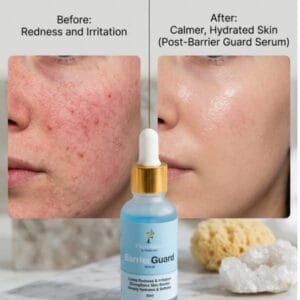
After your serum, lock in moisture with a night cream or a facial oil if you have dry skin. This is the time to use richer formulations because your skin’s permeability increases at night, allowing better absorption. Don’t forget your neck and décolletage—these areas age just as fast as your face. Finish with a lip balm and a hand cream, especially if you’ve been washing your hands frequently. A product like Hand & Feet Whitening Cream can be a lovely addition to your routine, as it not only moisturizes but also helps with uneven tone on hands and feet, which often get neglected.
Once your skin is cared for, shift your attention to your mind. Engage in a calming activity that doesn’t involve screens: reading a physical book, journaling your thoughts, or practicing gentle yoga stretches. Deep breathing exercises—like the 4-7-8 technique (inhale for 4 seconds, hold for 7, exhale for 8)—can activate your parasympathetic nervous system. You might also listen to soft instrumental music or a guided meditation app. The goal is to lower your heart rate and signal to your body that it’s time to slow down.
Finally, prepare your sleep environment. Ensure your bedroom is cool, dark, and quiet. Use blackout curtains if streetlights bother you, and consider a white noise machine or a fan to mask disruptive sounds. Invest in comfortable bedding that feels pleasant against your skin. When you climb into bed, try to keep your mind on the present moment rather than tomorrow’s to-do list. If you wake in the middle of the night, resist checking your phone; instead, focus on your breath until you drift off again.
Common Mistakes to Avoid in Your Evening Routine
One of the biggest mistakes is skipping your skincare routine when you’re tired. Sleeping in makeup or without cleansing can lead to clogged pores and dullness, as dirt and oil accumulate overnight. Even on lazy nights, take two minutes to wipe off your makeup with micellar water. Another error is using products that are too harsh or stripping, like bar soaps or alcohol-based toners, which can damage your barrier and cause rebound oiliness. Always choose gentle, pH-balanced cleansers.
Another common pitfall is over-exfoliating. While it’s tempting to use strong acids or scrubs daily, over-exfoliation strips your skin’s protective layer, leading to redness and sensitivity. Limit exfoliating to 2-3 times a week, and always follow with a soothing moisturizer. Similarly, piling on too many active ingredients—like retinol, vitamin C, and acids all at once—can overwhelm your skin. Instead, rotate them or use them on alternate nights.
Many people also forget that their neck, hands, and feet need attention. These areas show signs of aging just as much as the face, but they’re often neglected. Incorporate a hand and foot cream into your routine, especially during dry winter months. Another mistake is using hot water for washing your face or showering at night. Hot water strips natural lipids, leaving your skin dehydrated. Opt for lukewarm water.
Light exposure is another culprit. Using your phone or watching TV right before bed delays melatonin release, making it harder to fall asleep. Try to stop using screens at least 30 minutes before you plan to sleep. If you must use them, enable night mode and reduce brightness. Also, avoid heavy meals and caffeine close to bedtime; they can disrupt your sleep cycle. Instead, have a light snack if you’re hungry, like a banana or a warm glass of milk.
Lastly, don’t underestimate the power of consistency. Doing your routine sporadically won’t yield results. Your skin and mind thrive on predictability. Set a reminder on your phone, and make your wind-down a non-negotiable part of your evening, just like brushing your teeth. Over time, your body will start to anticipate the routine, and you’ll find it easier to relax and fall asleep.
Choosing the Right Products for Your Skin Type
Selecting skincare products for your nighttime routine depends on your skin type. For dry skin, look for creamy cleansers and rich moisturizers containing hyaluronic acid, ceramides, and squalane. These ingredients attract and lock in moisture. A facial oil can be a great final step. For oily skin, choose gel-based cleansers with salicylic acid to keep pores clear, and lightweight, oil-free moisturizers. Avoid heavy creams that might feel greasy.
If you have combination skin, you may need to balance both dry and oily areas. Use a gentle cleanser that doesn’t strip, and apply a lighter moisturizer on your T-zone while using a richer one on your cheeks. For sensitive skin, avoid fragrances, alcohol, and essential oils. Look for soothing ingredients like aloe vera, chamomile, and allantoin. Always patch test new products on your inner arm before applying to your face.
For acne-prone skin, incorporate non-comedogenic products and consider a leave-on treatment with benzoyl peroxide or azelaic acid. Salicylic acid cleansers can help, but don’t overdo it. A barrier-supporting serum can be beneficial even for acne-prone skin, as it helps prevent irritation from acne treatments. Remember, the goal is to calm your skin, not to punish it.
Also consider your environment. In Pakistan’s hot and humid months, you might prefer lighter formulas, while in winter, heavier creams are necessary. Listen to your skin—if it feels tight after cleansing, switch to a gentler cleanser. If it becomes shiny by midday, you may be over-moisturizing. Adjust your routine seasonally and as your skin changes.
Adapting Your Routine to Your Lifestyle and Budget
You don’t need a 10-step routine or expensive products to wind down effectively. If you’re on a tight budget, focus on the essentials: a gentle cleanser, a moisturizer, and a sunscreen for the morning. In the evening, cleansing and moisturizing are non-negotiable. You can skip serums and masks if needed. However, investing in one good serum can make a significant difference, especially if it addresses your primary concern like dryness or dullness.
For busy parents or professionals, streamline your routine. Keep your products in a visible place, and create a simple checklist. You can even combine steps, like using a cleansing balm that removes makeup and cleanses in one. If you travel often, decant your products into travel-sized containers so you can maintain your routine on the go. Remember, consistency beats complexity.
In Pakistan, where humidity and pollution vary, you might need to adapt your routine. During monsoon, use lighter moisturizers and keep a mattifying toner handy. In winter, switch to richer creams and add a hydrating mask once a week. Also, consider the water quality in your area—if it’s hard, a water softener or using bottled water for rinsing might help.
If you’re new to skincare, start slowly. Introduce one product at a time to see how your skin reacts. Always patch test first. You can read more about building a basic routine in our blog, or check out our skin care category for product options. Remember, the best routine is one you’ll stick with, so keep it simple and enjoyable.
Quick Tips for Different Skin Types
If you have dry skin, consider using a humidifier in your bedroom to add moisture to the air, which can prevent overnight water loss. Apply your moisturizer while your skin is still slightly damp to lock in hydration. For oily skin, you might be tempted to skip moisturizer, but that can actually trigger more oil production. Use a gel-based, oil-free moisturizer to keep your skin balanced.
Combination skin benefits from using different products on different areas. For example, apply a mattifying lotion on your T-zone and a nourishing cream on your cheeks. Sensitive skin needs minimal ingredients. Look for products labeled “fragrance-free” and “for sensitive skin.” Avoid products with essential oils, which can be irritating. A simple routine of cleanser and moisturizer might be all your skin needs.
For acne-prone skin, keep your routine light but effective. Use a salicylic acid cleanser, followed by a non-comedogenic moisturizer. If you use a retinol or other active, apply it only on problem areas to minimize irritation. Always wear sunscreen in the morning, as many acne treatments increase sun sensitivity.
Frequently Asked Questions
How long should a wind-down routine take?
Ideally, 30 to 60 minutes. This gives your body enough time to transition from active to restful states. If you’re short on time, even 15 minutes with a simplified routine can be beneficial.
Can I do my wind-down routine in bed?
It’s best to do it outside your bed, so your brain associates the bed with sleep. If you must do it in bed, sit up and avoid lying down until you’re ready to sleep.
What if I forget my routine when I’m exhausted?
Have a backup plan. Keep micellar water and cotton pads by your bedside so you can at least remove makeup. Applying a moisturizer is quick and better than skipping entirely.
Is it necessary to use a separate night cream?
Not strictly, but night creams are often richer and contain ingredients that support skin repair. If you have a moisturizer that works well, you can use that instead.
Frequently Asked Questions
How long should a wind-down routine take?
Ideally, 30 to 60 minutes. This gives your body enough time to transition from active to restful states. If you're short on time, even 15 minutes with a simplified routine can be beneficial.
Can I do my wind-down routine in bed?
It's best to do it outside your bed, so your brain associates the bed with sleep. If you must do it in bed, sit up and avoid lying down until you're ready to sleep.
What if I forget my routine when I'm exhausted?
Have a backup plan. Keep micellar water and cotton pads by your bedside so you can at least remove makeup. Applying a moisturizer is quick and better than skipping entirely.
Is it necessary to use a separate night cream?
Not strictly, but night creams are often richer and contain ingredients that support skin repair. If you have a moisturizer that works well, you can use that instead.
Written by Mishal Rehman, owner of Flambeauty — sharing practical, professional beauty and skincare guidance.
Updated: August 2026