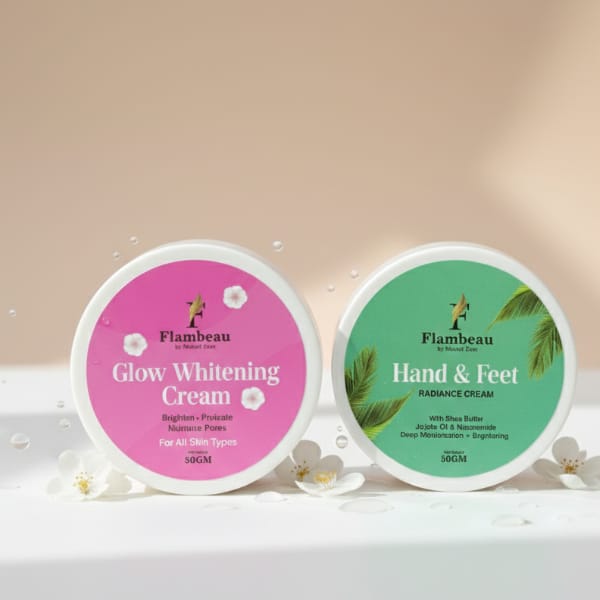
Learn how to cover acne scars with a natural, non-cakey finish. Expert tips on prep, products, and techniques for Pakistani skin and climate.
To cover acne scars without looking cakey, start with well-hydrated, primed skin and use a light-coverage, buildable concealer or foundation applied in thin layers, setting only the areas that need it. Focus on skincare first—smooth, moisturized skin holds makeup better—and choose formulas with a natural or dewy finish rather than matte, which can emphasize texture. This approach lets your skin show through while effectively blurring scars, giving a fresh, believable result.
Why Makeup Looks Cakey on Acne Scars (and How to Fix It)
If you’ve ever applied foundation over acne scars and ended up with a thick, mask-like finish, you’re not alone. The problem usually isn’t your makeup—it’s the combination of dry, uneven skin texture and too much product. Acne scars, whether they’re raised (hypertrophic) or depressed (atrophic), create tiny peaks and valleys on your skin’s surface. When you apply a heavy layer of foundation, it settles into those dips and sits on top of the raised areas, making every imperfection more obvious.
Another culprit is dehydration. Many people with acne-prone skin avoid moisturizer, fearing it will clog pores. But when your skin is dry, makeup clings to rough patches and flakes, creating a patchy, cakey appearance. Think of your skin like a canvas—if the canvas is cracked and dry, no amount of paint will look smooth. The fix is to hydrate properly and use a good primer that fills in texture and creates a smooth base.
Finally, the application technique matters more than the product itself. Pressing a makeup sponge into the skin with a lot of product at once forces foundation into every crevice, which looks heavy. Instead, use a light hand and build coverage gradually. This way, you control how much product goes where, and you can leave some skin showing through for a more natural effect.
In Pakistan’s climate, where humidity can make makeup slide off, many people reach for extra powder to keep things in place. But over-powdering is a major cause of cakiness. The key is to use a finely milled powder only on areas that get oily—like the T-zone—and let the rest of your face keep its natural glow. With the right prep and technique, you can achieve a smooth, believable finish that hides scars without looking like a mask.
Prep Your Skin: The Foundation of a Flawless Finish
Before you even think about concealer, your skin needs to be in its best possible condition. This doesn’t mean you need perfect skin—it means you need to create a smooth, hydrated canvas. Start with a gentle cleanser that doesn’t strip your skin. Harsh soaps can leave your skin tight and dry, which will make any makeup look worse. Look for a milky or cream cleanser that removes dirt without disrupting your moisture barrier.
Next, exfoliation is your best friend—but only if done gently. Over-exfoliating can irritate acne and make scars more visible. Use a chemical exfoliant with salicylic acid or lactic acid two to three times a week to smooth the skin’s surface and fade dark spots over time. These ingredients help dissolve dead skin cells and encourage cell turnover, which can improve the appearance of scars. However, always patch test first, and never exfoliate on broken or active acne.
Moisturizer is non-negotiable. Even if your skin is oily, you need hydration. Look for a lightweight, oil-free moisturizer with ingredients like hyaluronic acid or glycerin that draw water into the skin without clogging pores. In Pakistan’s hotter months, a gel-based moisturizer might feel more comfortable, while in winter, a slightly richer cream can prevent flakiness. Apply it to slightly damp skin to lock in moisture.
Finally, don’t skip sunscreen. Sun exposure can darken acne scars and make them more noticeable, so using a broad-spectrum SPF 30 or higher is essential. Not only does it protect your skin, but it also helps your makeup last longer. Many sunscreens now double as primers, giving you a smooth base. If you’re concerned about white cast, look for tinted options or those formulated for darker skin tones, which are increasingly available in Pakistani pharmacies.
Once your skincare is done, wait a few minutes for everything to absorb before applying makeup. This prevents pilling and ensures your primer and foundation glide on smoothly. A good rule of thumb is to give your moisturizer at least two to three minutes to sink in, and your sunscreen at least five minutes if you’re heading outdoors.
Choosing the Right Products: Light Layers, Big Results
The products you choose can make or break your non-cakey look. The goal is to find formulas that are buildable, blendable, and skin-like. For foundation, skip heavy, full-coverage matte formulas. Instead, opt for a light- to medium-coverage foundation with a satin or dewy finish. These formulas let your skin’s natural texture show through, which ironically looks more flawless than a thick layer of paint.
Concealers are your precision tools for scars. Look for a creamy, hydrating concealer that doesn’t settle into fine lines or dry patches. A little goes a long way—use a small brush or your fingertip to dot concealer directly onto each scar, then gently blend the edges with a damp sponge. This targeted approach covers scars without blanketing your whole face in product.
For those who prefer a lighter option, a tinted moisturizer or BB cream can be a great choice for everyday wear. These products offer sheer coverage that evens out your skin tone while letting your skin peek through. You can always layer a bit of concealer on top for more stubborn scars. In Pakistan, where the weather can be harsh, these lighter formulas are often more comfortable than heavy foundations.
Primer is another essential. A good primer fills in uneven texture and creates a smooth base for makeup. Look for one that’s specifically designed to blur imperfections, often containing silicones. Apply it only to areas where you need it most—like your cheeks, where scars are commonly found. This helps control shine and keeps makeup in place without weighing it down.
Setting sprays are your final secret weapon. A hydrating setting spray can melt all the layers together, removing any powdery finish and giving your skin a natural, dewy look. Hold it about eight inches away and mist your face lightly after applying your makeup. This not only sets your look but also adds a touch of freshness that prevents cakiness.
Step-by-Step Application: How to Layer Without the Cake
Now that you have the right products, it’s time to master the technique. Start with a clean, moisturized face. Apply a pea-sized amount of primer, focusing on areas with scars or enlarged pores. Let it sit for a minute before moving on. Then, take your foundation—whether it’s liquid, cream, or a tinted moisturizer—and dispense a small amount onto the back of your hand. The key is to start with less than you think you need; you can always add more.
Use a damp makeup sponge, a foundation brush, or your fingers—whichever you prefer. If using a sponge, dampen it with water and squeeze out the excess. This prevents the sponge from absorbing too much product and helps blend seamlessly. Apply the foundation in thin, even layers, starting from the center of your face and working outward. Use a pressing or stippling motion rather than swiping, which can disturb the layers underneath.
Once you’ve built up a light, even layer, assess where you need more coverage. This is where concealer comes in. Using a small concealer brush or your ring finger (which has the lightest touch), apply a tiny amount of concealer directly onto each scar. Gently tap and blend the edges so there’s no visible line. The goal is to cover the scar, not to create a thick patch. If one layer isn’t enough, wait a minute and apply another thin layer.
After your base is set, it’s time to set your makeup. Instead of dusting powder all over, use a fluffy brush to apply a small amount of translucent setting powder only to the areas that tend to get oily—typically your forehead, nose, and chin. For your cheeks and other dry areas, skip the powder or use a very light dusting. This keeps the natural glow and prevents a flat, cakey finish.
Finally, finish with a setting spray. Hold it at arm’s length and mist your face in an X and T motion. This helps meld the layers together and gives your skin a fresh, dewy look. If you feel like your makeup is still a bit heavy, you can gently press a damp sponge over your face to remove any excess product and soften the finish.
Common Mistakes That Cause Cakiness (and How to Avoid Them)
Even with the best intentions, it’s easy to fall into habits that lead to cakey makeup. One of the biggest mistakes is using too much product. More coverage doesn’t mean fewer scars—it means more texture. Remember, you can always add, but it’s hard to remove without disrupting your base. Start with a light hand and build only where needed.
Another mistake is skipping primer or using the wrong one. If you have oily skin and use a hydrating primer, your makeup might slide off. If you have dry skin and use a mattifying primer, it can cling to dry patches. Choose a primer that addresses your specific skin type. For combination skin, apply mattifying primer to your T-zone and hydrating primer to your cheeks.
Using the wrong tools can also sabotage your look. A dry sponge or a dense brush can apply too much product at once. Always use a damp sponge for a more natural finish, and use a fluffy brush for powder to ensure an even, light application. Your fingers are also great tools—the warmth helps melt the product into your skin, giving a seamless finish.
Over-powdering is perhaps the most common culprit. It’s tempting to pile on powder to keep makeup from moving, especially in Pakistan’s humid weather. But too much powder creates a thick, dry layer that looks cakey. Instead, use a minimal amount and press it into the skin with a powder puff, then brush off the excess. You can also use blotting papers throughout the day to control shine without adding more product.
Finally, don’t forget to blend your neck and jawline. A visible foundation line is a clear sign of cakey makeup. Blend your foundation down your neck to ensure a seamless transition, and always check your makeup in natural light before heading out.
Adapting Your Routine for Different Skin Types
No two skin types are alike, and your approach to covering acne scars should reflect that. If you have dry skin, your main concern is keeping your skin hydrated and avoiding products that cling to dry patches. Use a rich moisturizer, a hydrating primer, and a dewy foundation. Skip powder entirely or use just a touch on your T-zone. A setting spray with hydrating ingredients like glycerin can help keep your makeup fresh.
For oily skin, the challenge is controlling shine without over-powdering. Use a lightweight, oil-free moisturizer and a mattifying primer. Look for foundations that are long-wearing or oil-free. Instead of powder, use blotting papers throughout the day. You can also use a matte setting spray to help control oil. Avoid cream products that can slide off and opt for powder-based blushes and bronzers.
If you have combination skin, you’ll need a balanced approach. Use a gel-based moisturizer and a primer that works for both dry and oily areas. Apply mattifying primer to your T-zone and hydrating primer to your cheeks. Use a satin-finish foundation and set only your T-zone with powder. This way, you get the best of both worlds without looking cakey.
For sensitive or acne-prone skin, the key is to choose products that won’t irritate your skin or clog your pores. Look for non-comedogenic labels and avoid fragrances and alcohol. Stick to a simple routine with gentle products. If you’re unsure about a product, always patch test first. In Pakistan, where the sun is strong, always use sunscreen, even if it’s in your moisturizer or foundation.
Long-Term Skincare: Fading Scars While You Cover Them
While makeup is a great short-term solution, the best way to reduce the appearance of acne scars is through consistent skincare. Incorporating ingredients like vitamin C, niacinamide, and retinoids into your routine can help fade dark spots and improve skin texture over time. Vitamin C is a brightening antioxidant that helps even out skin tone. Niacinamide reduces inflammation and can help strengthen the skin barrier. Retinoids, like retinol, boost cell turnover and stimulate collagen production, which can improve the appearance of scars.
Start by introducing one active ingredient at a time to avoid irritation. For example, use a vitamin C serum in the morning and a niacinamide moisturizer at night. If you’re new to retinol, start with a low concentration and use it only a couple of times a week. Always use sunscreen during the day, as these ingredients can make your skin more sensitive to the sun.
Exfoliation is also key. Chemical exfoliants like AHAs and BHAs are more effective and less damaging than physical scrubs. They help remove dead skin cells and smooth the surface, which can make scars less noticeable. However, be careful not to over-exfoliate, as this can worsen acne and make scars more visible.
Hydration and a healthy lifestyle also play a role. Drinking plenty of water, eating a balanced diet rich in antioxidants, and getting enough sleep can all improve your skin’s health. In Pakistan, where the climate can be harsh, protecting your skin from the sun is crucial. Use a sunscreen with at least SPF 30 every day, and reapply if you’re outdoors.
For those looking for an extra boost, consider incorporating a product that combines multiple beneficial ingredients. For example, the Glow Care Bundle – Hand & Feet Cream and Whitening Glow Cream includes a cream that can help improve overall skin radiance. While it won’t erase scars, it can support a more even-toned appearance. Similarly, the Beauty Care Deal offers a selection of products that can enhance your skincare routine.

Remember, consistency is key. It can take several weeks to see noticeable improvements in scar appearance. Be patient and gentle with your skin, and always patch test new products. If you’re unsure about a product, consult a dermatologist, especially if you have severe scarring.
Conclusion: Embrace Your Skin, Flawless and Real
Covering acne scars without looking cakey is more about technique and prep than about piling on heavy makeup. By focusing on skincare, choosing the right products, and applying them in thin layers, you can achieve a natural, radiant finish that boosts your confidence. Remember, your skin is unique, and a little imperfection is what makes it human. With these tips, you can enjoy the best of both worlds: a smooth canvas and a fresh, believable look.
If you’re looking for more skincare advice, explore our blog for tips on everything from soaps for men to nail care. And don’t forget to check out our skin care range for products that can help improve your skin’s health and appearance.
Frequently Asked Questions
How can I hide acne scars without heavy makeup?
Use a light-coverage foundation or tinted moisturizer, and apply concealer only on the scars. Prep with moisturizer and primer to smooth the skin's texture.
What is the best way to apply concealer on acne scars?
Use a small brush or fingertip to dab a tiny amount of concealer directly on each scar, then blend the edges gently with a damp sponge. Build up in thin layers if needed.
Can I use powder to cover scars without looking cakey?
Yes, but use a light touch. Apply a small amount of translucent powder only to the T-zone, and use a fluffy brush to dust off excess. Alternatively, use blotting papers to control shine.
What skincare ingredients help fade acne scars over time?
Vitamin C, niacinamide, and retinoids can help fade dark spots and improve skin texture. Always use sunscreen during the day to protect your skin and prevent further darkening.
Written by Mishal Rehman, owner of Flambeauty — sharing practical, professional beauty and skincare guidance.
Updated: August 2026