Discover the best soap for men with rough, oily skin in Pakistan. Learn about key ingredients, step-by-step routines, common mistakes, and top product picks...
The best soap for men with rough, oily skin combines deep cleansing with gentle exfoliation and oil control, using ingredients like neem, salicylic acid, or charcoal, without stripping the skin’s natural moisture. In Pakistan’s humid climate, a soap that lathers well, rinses clean, and leaves skin feeling fresh—not tight—is essential. Look for options like neem-based soaps, which target acne and excess oil while soothing rough texture, and always follow with a light moisturizer to maintain balance.
Understanding Rough, Oily Skin in Men
Men’s skin is naturally thicker and produces more sebum than women’s, thanks to higher testosterone levels. This means oily skin is common, especially in hot, humid climates like Pakistan’s. But when oil combines with dead skin cells, sweat, and pollution, it can lead to a rough, uneven texture, clogged pores, and breakouts. Roughness often comes from a buildup of dead cells on the surface, while oiliness is a sign of overactive sebaceous glands. Using the wrong soap—one that’s too harsh—can worsen the problem by stripping moisture, causing the skin to produce even more oil to compensate.
The key is to choose a soap that balances cleansing and hydration. A good soap for rough, oily skin should remove excess oil and dirt without leaving the skin feeling dry or tight. It should also gently exfoliate to smooth rough patches. Ingredients like neem, tea tree, salicylic acid, and charcoal are excellent for this purpose. Neem, in particular, has antibacterial properties that help with acne, while salicylic acid penetrates pores to dissolve oil and dead skin. Charcoal acts like a magnet for impurities, drawing them out of the skin.
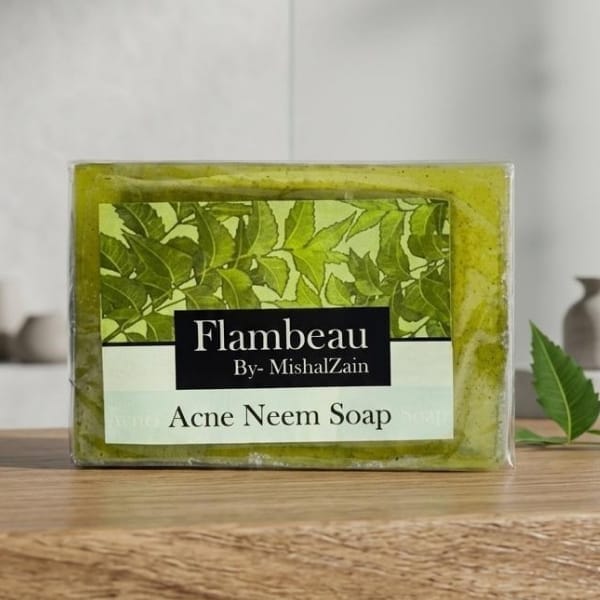
In Pakistan, many men overlook the importance of a proper face wash or soap, using the same bar for face and body. But facial skin is more delicate and needs a gentler formula. A dedicated face soap, like our Acne Neem Soap for Pimples, Oil Control & Deep Skin Cleansing, is designed to tackle these specific issues. It combines neem with other skin-loving ingredients to cleanse deeply without over-drying.
Another factor is water hardness. In many Pakistani cities, tap water is hard, which can leave a film on the skin and make it feel rough. A soap that lathers well and rinses clean helps mitigate this. Also, consider your shaving routine—shaving can exfoliate and remove oil, but it can also irritate if your skin is sensitive. Using a soothing soap before shaving can prep the skin.
Ultimately, understanding your skin’s needs is the first step. If you’re dealing with rough, oily skin, you’re not alone—many Pakistani men face this. The right soap, used consistently, can improve texture and oil control. Remember, always patch test a new soap on a small area of your arm before using it on your face, especially if you have sensitive skin.
Key Ingredients to Look For in a Soap
When choosing a soap for rough, oily skin, the ingredient list is your best friend. Here are the star ingredients to look for:
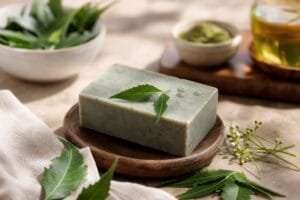
Neem: A traditional Ayurvedic ingredient, neem is renowned for its antibacterial and antifungal properties. It helps fight acne-causing bacteria, reduces inflammation, and soothes rough skin. In Pakistan, neem is easily available and has been used for centuries in skincare. Our Acne Neem Soap harnesses this power, making it a top choice for oily, acne-prone skin.
Salicylic Acid: This beta-hydroxy acid (BHA) is oil-soluble, meaning it can penetrate deep into pores to dissolve sebum and dead skin cells. It’s excellent for clearing blackheads and preventing future breakouts. Regular use can smooth rough texture and refine pores. Look for soaps that list salicylic acid as an active ingredient, or use a cleanser containing it.
Charcoal: Activated charcoal acts like a magnet, drawing out impurities, toxins, and excess oil from the skin. It’s particularly effective for deep cleansing and leaving skin feeling fresh. Charcoal soaps are great for a weekly deep-clean treatment.
Tea Tree Oil: Known for its antiseptic properties, tea tree oil helps reduce inflammation and kill bacteria that cause acne. It’s a natural alternative to harsh chemicals and works well for oily skin.
Clay (Kaolin or Bentonite): Clays absorb excess oil and impurities without stripping the skin. They also provide gentle physical exfoliation, helping to smooth rough patches.
Glycerin: While you might think all soaps dry out the skin, glycerin is a humectant that attracts moisture, keeping skin hydrated. A soap with glycerin prevents the tight, dry feeling that often follows washing.
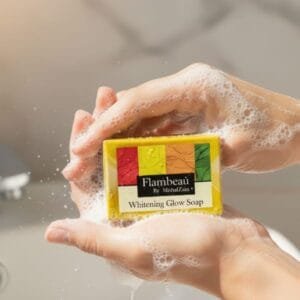
When you see these ingredients on a label, you’re on the right track. Avoid soaps with harsh sulfates (like sodium lauryl sulfate) that can strip natural oils, and artificial fragrances that may irritate. Also, be wary of “whitening” claims—many men seek whiter skin, but brightening is about even tone, not bleaching. Our Whitening Glow Soap is designed to improve skin appearance with gentle ingredients, not harsh bleaching agents.
Step-by-Step: How to Wash Your Face with Soap for Best Results
Using soap correctly can make a huge difference. Here’s a step-by-step guide tailored for men with rough, oily skin:
Step 1: Wet your face with lukewarm water. Hot water strips too much oil, while cold water doesn’t open pores enough. Lukewarm is perfect for loosening dirt and oil.
Step 2: Lather the soap in your hands. Rub the bar between your palms until you get a rich lather. Don’t apply the bar directly to your face—it can be too harsh and uneven.
Step 3: Massage gently in circular motions. Use your fingertips to massage the lather onto your face for about 30-60 seconds. Focus on the T-zone (forehead, nose, chin) where oil tends to accumulate. Avoid scrubbing too hard—this can irritate and worsen roughness.
Step 4: Rinse thoroughly with lukewarm water. Make sure to remove all soap residue, especially along the jawline and hairline. Leftover soap can clog pores and cause dryness.
Step 5: Pat dry with a clean towel. Don’t rub—rubbing can irritate and pull at the skin. Gently pat to avoid stripping moisture.
Step 6: Apply a light, oil-free moisturizer. This is crucial. Even oily skin needs hydration. A good moisturizer maintains the skin barrier and prevents overproduction of oil. Look for non-comedogenic products.
For best results, wash your face twice a day—morning and night. If you sweat a lot during the day, you can rinse with water and reapply moisturizer. Always follow with a moisturizer to keep your skin balanced.
Remember, consistency is key. You won’t see dramatic changes overnight, but with regular use, your skin will look and feel healthier. If you’re also dealing with body acne or rough patches on your chest or back, you can use the same soap, but consider alternating with a body scrub once a week.
Common Mistakes to Avoid with Oily, Rough Skin
Many men inadvertently worsen their skin by making these common mistakes. Avoid them for better results:
Over-washing: Washing your face more than twice a day can strip essential oils, prompting your skin to produce even more sebum. Stick to twice a day, and after heavy sweating, just rinse with water.
Using harsh soaps: Some men use strong detergents or deodorant soaps on their face, thinking they’ll kill oil. These can disrupt the skin barrier, leading to irritation and increased oiliness. Choose a soap specifically formulated for the face.
Skipping moisturizer: “My skin is oily, why moisturize?” is a common misconception. When skin lacks moisture, it overcompensates by producing more oil. A lightweight, oil-free moisturizer is essential.
Scrubbing aggressively: Exfoliating is good, but harsh scrubbing damages the skin and can cause micro-tears. Use gentle circular motions and avoid physical scrubs with large, jagged particles.
Ignoring the neck and jawline: Men often neglect these areas, but they’re prone to oil buildup and breakouts. Extend your washing routine to your neck and jaw.
Using hot water: Hot water feels relaxing but strips natural oils. Always use lukewarm.
Not patch testing: New products can cause allergic reactions. Always patch test first to avoid irritation.
Avoid these pitfalls, and you’ll see a significant improvement. If you’re struggling with persistent acne or very rough skin, consider reading our guide on Damaged Skin Barrier: 7 Signs & How to Repair It Fast—it might be that your skin barrier is compromised.
Choosing the Right Soap for Your Skin Type
While rough and oily is a common combo, men’s skin can vary. Here’s how to adapt your soap choice:
Oily but Not Sensitive
If your skin is resilient, you can use a soap with stronger active ingredients like salicylic acid or charcoal. Our Acne Neem Soap is a great choice—it contains neem and other botanicals that control oil without over-drying.
Oily and Sensitive
If your skin reacts easily, look for fragrance-free, gentle formulas. Neem is soothing, so it’s still a good option, but you might want to use it less frequently—maybe once a day—and use a mild cleanser at other times. Avoid soaps with essential oils or exfoliating beads.
Oily and Acne-Prone
For acne, choose a soap with antibacterial ingredients like neem or tea tree. Our Acne Neem Soap is specifically designed for pimples and oil control. Pair it with a salicylic acid treatment if needed.
Oily and Rough Textured
If roughness is your main concern, look for soaps with mild exfoliants like oatmeal or jojoba beads. You can also use a separate gentle scrub once a week. Our Whitening Glow Soap, while named for brightening, contains ingredients that help smooth skin texture.
Ultimately, listen to your skin. If a soap leaves you feeling tight, it’s too harsh. If you break out more, it might be clogging pores. Adjust accordingly. And remember, your skin changes with seasons—you might need a slightly different approach in winter versus summer.
Budget-Friendly Tips and Where to Find the Best Soaps in Pakistan
Good skincare doesn’t have to break the bank. In Pakistan, you can find effective soaps at various price points. Here are some tips:
Look for local brands: Pakistani brands like Flambeauty offer quality products at reasonable prices. You can check out their soaps collection for options that fit your needs.
Check online deals: Online stores often have discounts and bundle offers. Subscribe to newsletters to get notified about sales.
Use multi-purpose soaps: If you’re on a tight budget, a soap that works for both face and body saves money. Our neem soap can be used on both, though it’s gentle enough for the face.
Here’s an approximate price range for soaps in Pakistan:
| Soap Type | Price Range (PKR) |
| Basic drugstore soap | 100-300 |
| Medicated/anti-acne soap | 300-800 |
| Premium/natural soaps | 800-2000 |
Our Acne Neem Soap falls in the mid-range, offering excellent value for its benefits. For brightening, the Whitening Glow Soap is also affordably priced.
Also, don’t forget to check out our blog for more skincare tips. You might find our guide on Brightening Serums for Dull, Uneven Skin helpful if you’re dealing with uneven tone.
Remember, the best soap is one that you’ll use consistently. Invest in a good one, and your skin will thank you. For more expert advice, check out the American Academy of Dermatology’s skin care secrets—they offer evidence-based tips.
Frequently Asked Questions
Can I use the same soap for face and body if I have oily skin?
While it's possible, facial skin is more delicate. It's better to use a soap specifically formulated for the face, like a neem soap, to avoid over-drying or irritation.
How often should I wash my face with soap for oily skin?
Twice a day is ideal—once in the morning and once at night. Over-washing can strip natural oils and cause your skin to produce more oil.
Will using a soap for oily skin help with rough texture?
Yes, soaps with exfoliating ingredients like salicylic acid or neem can help smooth rough texture by removing dead skin cells and controlling oil.
Is it necessary to use moisturizer after washing oily skin?
Absolutely. Moisturizer helps maintain skin barrier and prevents overproduction of oil. Choose a light, oil-free, non-comedogenic moisturizer.
Written by Mishal Rehman, owner of Flambeauty — sharing practical, professional beauty and skincare guidance.
Updated: August 2026