Clay Mask vs Sheet Mask for Oily, Acne-Prone Skin

For oily, acne-prone skin, clay masks are generally the better choice because they absorb excess oil, draw out impurities, and help unclog pores. Sheet masks are better for hydration and soothing but can feel heavy or trigger breakouts if they contain pore-clogging ingredients. Use clay masks 1–2 times weekly; use sheet masks sparingly and choose oil-free, non-comedogenic formulas. What Exactly Are Clay Masks and Sheet Masks? Before you decide which mask belongs in your routine, it helps to understand what each one actually does. A clay mask is a thick paste made from natural clays like bentonite, kaolin, or Moroccan rhassoul. When you spread it on your face, the clay acts like a magnet for oil and debris. As…

Continue ReadingClay Mask vs Sheet Mask for Oily, Acne-Prone Skin

Why Your Face Wash Might Be Causing Breakouts

Your face wash might be causing breakouts if it strips your skin's natural oils, contains pore-clogging ingredients, or disrupts your skin barrier. Harsh surfactants, fragrances, and over-cleansing trigger irritation and excess oil production, leading to more pimples. Switching to a gentle, non-comedogenic cleanser can often clear things up. How Your Face Wash Could Be Triggering Breakouts It sounds counterintuitive: you're washing your face to get rid of acne, but the cleanser itself might be the culprit. Many people assume that if their skin is breaking out, they need to wash more often or use a stronger product. In reality, the opposite is often true. A face wash that's too harsh can strip away the skin's natural moisture barrier, leaving…

Continue ReadingWhy Your Face Wash Might Be Causing Breakouts

Best Skincare Routine for Oily Skin That Shines by Midday

For oily skin that turns shiny by midday, use a gentle foaming cleanser, a lightweight gel moisturizer, and a mattifying sunscreen in the morning. At night, double cleanse and apply a salicylic acid treatment. Avoid over-washing and heavy creams. This routine helps control oil without stripping your skin. Understanding Why Your Skin Gets Oily by Midday If your face looks like a frying pan by lunchtime, you're not alone. Many people with oily skin find that their complexion turns slick just a few hours after washing. But why does this happen? The answer lies in your skin's natural oil production, known as sebum. Sebum is produced by sebaceous glands to keep your skin lubricated and protected. However, when these…

Continue ReadingBest Skincare Routine for Oily Skin That Shines by Midday

Neem for Acne & Oily Skin: Natural Treatment That Works

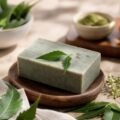
Neem helps treat acne and oily skin by reducing acne-causing bacteria, controlling excess oil, and soothing inflammation. Its antibacterial, anti-inflammatory, and astringent properties make it a natural, effective ingredient for clearer, healthier-looking skin. Why Neem Is a Game-Changer for Acne and Oily Skin If you have oily or acne-prone skin, you know the struggle: constant shine, frequent breakouts, and a seemingly endless search for products that actually work without stripping your skin. Enter neem, a botanical that has been used in South Asian skincare for centuries. Unlike harsh chemicals that can leave your skin dry and irritated, neem works with your skin's natural balance to address the root causes of acne. Neem is packed with antibacterial, antifungal, and anti-inflammatory…

Continue ReadingNeem for Acne & Oily Skin: Natural Treatment That Works

Best Serums for Fading Post-Acne Dark Marks in Pakistan

The best serums for treating post-acne dark marks are those containing niacinamide, vitamin C, alpha arbutin, or tranexamic acid—ingredients that interrupt melanin production and speed up skin renewal without harsh peeling. Used consistently for 8–12 weeks, they visibly fade hyperpigmentation and even out skin tone. Always patch test first and pair with sunscreen. For a multitasking option, the Glow Matrix 5-in-1 Serum 30ml combines several of these actives in one bottle.Understanding Post-Acne Dark Marks: Why They Form and How Serums HelpWhen a pimple heals, it often leaves behind a flat, discolored patch that can range from pink to deep brown. This is post-inflammatory hyperpigmentation (PIH), a common aftermath of acne in people with medium to darker skin tones, including…

Continue ReadingBest Serums for Fading Post-Acne Dark Marks in Pakistan

Teen Skincare Routine for Oily, Acne-Prone Skin

For oily, acne-prone skin in your teens, the goal is to gently cleanse twice daily, use non-comedogenic moisturizer and sunscreen, and introduce targeted acne-fighting ingredients like salicylic acid or benzoyl peroxide gradually. Avoid harsh scrubs and over-washing, which can worsen oiliness and breakouts. Consistency with a simple routine matters more than using many products. Always patch test new products and give them 4–6 weeks to show results.Understanding Teen Skin: Why Oil and Acne HappenDuring your teenage years, your body goes through significant hormonal shifts, particularly an increase in androgens like testosterone. These hormones stimulate your sebaceous glands to produce more sebum—your skin's natural oil. For many teens, this extra oil mixes with dead skin cells that shed irregularly, leading…

Continue ReadingTeen Skincare Routine for Oily, Acne-Prone Skin

How to Choose the Right Face Wash for Oily, Acne-Prone Skin

For oily, acne-prone skin, the right face wash balances oil control with gentle cleansing—look for salicylic acid, niacinamide, or tea tree oil, avoid harsh sulfates and heavy creams, and wash twice daily with lukewarm water. Choose a gel or foam formula that rinses clean without stripping, and always follow with a lightweight moisturizer. Consistency matters more than price, so pick a product you can use daily. Understanding Oily, Acne-Prone Skin Oily skin happens when your sebaceous glands produce excess sebum, the natural oil that keeps skin lubricated. While sebum is essential, too much of it mixes with dead skin cells and can clog pores, leading to blackheads, whiteheads, and inflamed pimples. Acne-prone skin is especially reactive to clogged pores,…

Continue ReadingHow to Choose the Right Face Wash for Oily, Acne-Prone Skin

Choosing a Hydrating Serum for Oily, Dehydrated Skin

For oily yet dehydrated skin, the key is choosing a water-based, lightweight serum with humectants like hyaluronic acid, glycerin, and niacinamide—avoid heavy oils and thick creams. These ingredients draw moisture into the skin without adding grease, helping to balance oil production and improve skin texture. Look for non-comedogenic formulas and always patch test before full use. Understanding Oily, Dehydrated Skin Oily, dehydrated skin is a common yet confusing condition where the skin produces excess sebum but lacks sufficient water. This often leads to a shiny T-zone, enlarged pores, and a tight or flaky feeling—especially after cleansing. The root cause is often a damaged skin barrier, which loses moisture faster than it can hold it. When the barrier is compromised,…

Continue ReadingChoosing a Hydrating Serum for Oily, Dehydrated Skin

How to Reduce Forehead and Chin Oiliness: A Complete Guide

To reduce forehead and chin oiliness, focus on gentle cleansing, oil-balancing ingredients like niacinamide and salicylic acid, and a lightweight moisturizer. Avoid over-washing and harsh scrubs, which can trigger more oil. For persistent shine, use blotting papers or a clay mask weekly. Consistency is key—a balanced routine helps your skin regulate sebum naturally. Understanding Why Your Forehead and Chin Get Oily Your forehead and chin—often called the T-zone—are naturally oilier than the rest of your face. This is because these areas have a higher density of sebaceous glands, the tiny glands that produce sebum, an oily substance that keeps skin lubricated and protected. Sebum itself isn't bad; it forms a barrier that locks in moisture and shields against irritants.…

Continue ReadingHow to Reduce Forehead and Chin Oiliness: A Complete Guide

Cover Acne Scars Without Looking Cakey: Pakistani Skin Guide

To cover acne scars without looking cakey, start with well-hydrated, primed skin and use a light-coverage, buildable concealer or foundation applied in thin layers, setting only the areas that need it. Focus on skincare first—smooth, moisturized skin holds makeup better—and choose formulas with a natural or dewy finish rather than matte, which can emphasize texture. This approach lets your skin show through while effectively blurring scars, giving a fresh, believable result. Why Makeup Looks Cakey on Acne Scars (and How to Fix It) If you've ever applied foundation over acne scars and ended up with a thick, mask-like finish, you're not alone. The problem usually isn't your makeup—it's the combination of dry, uneven skin texture and too much product.…

Continue ReadingCover Acne Scars Without Looking Cakey: Pakistani Skin Guide