Discover how olive oil can benefit your skin when used correctly. Learn safe application methods, best practices, and which skin types benefit most. Get...
Olive oil can benefit skin by providing deep moisturization, antioxidant protection, and gentle cleansing when used correctly. Its fatty acids and vitamin E help soften skin and support the barrier, but it must be applied properly and patch-tested to avoid clogged pores or irritation.
What Olive Oil Actually Does for Your Skin
Olive oil has been used for skincare for thousands of years, and modern research backs up many of its traditional uses. The oil is rich in monounsaturated fatty acids like oleic acid, which can help soften and condition the skin. It also contains squalene, a lipid that closely resembles the skin’s own natural oils, making it easier for the skin to accept and use. Additionally, olive oil is a source of vitamin E and polyphenols, both of which are antioxidants that help protect skin from environmental stressors like pollution and UV damage.
When applied to the skin, olive oil acts as an emollient, meaning it fills in the gaps between skin cells to create a smoother surface. This can temporarily improve the look of dry, flaky patches and give skin a healthy, dewy appearance. Unlike some synthetic moisturizers, olive oil doesn’t just sit on top of the skin; its fatty acids can penetrate the outer layer and help reinforce the skin’s natural barrier. That said, it’s not a cure-all, and using it incorrectly can lead to problems, especially for acne-prone or very oily skin.
One of the most well-known benefits of olive oil is its ability to gently remove makeup and sunscreen. The oil dissolves oil-based products without stripping the skin, making it a popular first step in a double-cleansing routine. However, it’s important to follow up with a water-based cleanser to remove any residue that could clog pores. Olive oil also has mild anti-inflammatory properties, which may help soothe minor irritation and redness, though it’s not a treatment for medical skin conditions.
Another key point: not all olive oil is created equal. Extra virgin olive oil (EVOO) is the least processed and retains the highest levels of antioxidants and vitamins. Regular or light olive oil has been refined and lost many of these beneficial compounds. If you’re going to use olive oil on your skin, extra virgin is the way to go. But even with EVOO, moderation is key. Using too much or leaving it on for too long can lead to congestion, so it’s best used as part of a balanced routine.
How to Use Olive Oil Correctly: A Step-by-Step Guide
Using olive oil correctly is about more than just slathering it on. The first step is patch testing. Apply a small amount to your inner forearm and wait 24 hours to see if any redness, itching, or irritation develops. This is crucial because some people are sensitive to olive oil, and it can cause contact dermatitis in rare cases. If you have sensitive skin, you may want to dilute it with a carrier oil like jojoba or sweet almond oil.
For cleansing, pour a small amount (about a teaspoon) into your palm and massage it onto dry skin. This helps dissolve makeup, sunscreen, and excess sebum. Use gentle, upward circular motions and avoid tugging at the skin. After massaging for about a minute, wipe it off with a soft, damp cloth or rinse with lukewarm water. Then, follow with a gentle water-based cleanser to ensure no oily residue remains. This two-step method is especially effective for removing stubborn waterproof makeup.
As a moisturizer, olive oil works best when applied to slightly damp skin, right after a shower or after misting your face with water. This helps lock in hydration. Use only a few drops—2 to 3 drops for the face—and warm it between your palms before pressing it into the skin. For the body, you can use a bit more. Focus on dry areas like elbows, knees, and heels. If you have oily or acne-prone skin, you might want to avoid using olive oil as a leave-on moisturizer and instead use it only for cleansing.
Olive oil can also be used as a hair treatment, but that’s a topic for another guide. For skin, you can add a few drops to a warm bath for a moisturizing soak, or mix it with sugar to make a gentle exfoliating scrub. However, be cautious with DIY scrubs—the sugar granules can be too abrasive for facial skin. Always rinse thoroughly after any olive oil application to prevent buildup. And remember, consistency matters: using olive oil once in a while won’t transform your skin; incorporating it into your routine a few times a week can make a difference.
Common Mistakes to Avoid When Using Olive Oil on Skin
The biggest mistake people make is using too much olive oil. Because it’s a heavy oil, a little goes a long way. Overapplying can lead to a greasy film, clogged pores, and even breakouts. If you have acne-prone skin, olive oil might not be the best choice for leave-on application because oleic acid can be comedogenic for some. Always start with a small amount and see how your skin responds.
Another common error is not cleansing properly after using olive oil. If you use it as a makeup remover or cleanser, you must follow up with a proper cleanser to remove all traces. Leftover oil can mix with dead skin cells and trap bacteria, leading to congestion. Also, avoid using olive oil on broken or irritated skin. It’s not a wound healer, and applying it to cuts or rashes can worsen irritation.
Many people also make the mistake of using refined olive oil instead of extra virgin. Refined oil has been stripped of most of its beneficial compounds and may even contain chemical residues from processing. Always choose cold-pressed, extra virgin olive oil for skincare. Additionally, don’t rely on olive oil as your only moisturizer, especially if you have very dry skin. It’s an emollient, not a humectant, so it doesn’t attract water to the skin. Pair it with a humectant like hyaluronic acid or glycerin for best results.
Lastly, don’t use olive oil as a sunscreen. While it offers minimal sun protection (around SPF 2-8), it’s nowhere near enough to prevent sun damage. Always apply a dedicated broad-spectrum sunscreen with at least SPF 30. And if you’re using olive oil on your face during the day, make sure it’s fully absorbed before applying sunscreen to avoid a greasy mess. For more skincare tips and product recommendations, visit our blog.
Which Skin Types Benefit Most from Olive Oil?
Olive oil is generally best suited for dry and mature skin types. Its rich fatty acids help replenish lost lipids and soothe dryness, making it a comforting choice for those with flaky or tight skin. Mature skin often lacks natural oils, and olive oil can help restore a supple feel. It can also be beneficial for normal skin when used occasionally as a treatment or cleanser. However, even dry skin should use it in moderation to avoid dependency or congestion.
For oily and acne-prone skin, olive oil is a mixed bag. Some people with oily skin find that using it as a cleanser (followed by a foaming cleanser) works well because it helps remove excess oil without stripping. But leaving it on as a moisturizer can be risky. If you have acne-prone skin, look for non-comedogenic oils like jojoba, rosehip, or grapeseed instead. If you still want to try olive oil, do a patch test and monitor your skin closely. You might also consider using a product like our Barrier Guard Serum 30ml | Skin Barrier Repair, which is formulated to support the skin barrier without heavy oils.
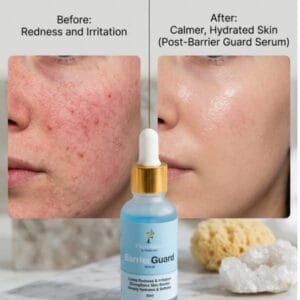
Sensitive skin requires extra caution. Olive oil can occasionally cause irritation due to its oleic acid content, and some people are allergic to pollen proteins present in the oil. If you have sensitive skin, test a small amount on your jawline or behind your ear first. If it works for you, use it sparingly and always diluted with a gentler oil. Combination skin can use olive oil selectively—perhaps only on dry areas like cheeks, while avoiding the T-zone.
For all skin types, it’s important to listen to your skin. If you notice increased breakouts, redness, or irritation, stop using olive oil. Remember that skincare is personal, and what works for one person may not work for another. If you’re unsure, consult a dermatologist. For more oil-based skincare options, explore our Oils & Serums category.
Choosing the Right Olive Oil and Complementary Products
When shopping for olive oil to use on your skin, always look for extra virgin, cold-pressed varieties. These are unrefined and retain the highest levels of antioxidants, vitamin E, and polyphenols. Check the label for terms like “unrefined” or “first cold press.” Avoid oils that are light in color or labeled “pure” or “light,” as these are typically refined. Organic certification is a bonus, as it ensures no pesticides were used. You can find high-quality olive oil at many grocery stores or specialty food shops. In Pakistan, you can also look for local brands that offer pure olive oil, but verify the quality.
If you’re not keen on using pure olive oil, consider skincare products that feature olive oil as an ingredient. Many creams, serums, and cleansers include olive-derived ingredients like squalane or olive oil unsaponifiables, which offer similar benefits without the heaviness. These are often combined with other ingredients to create a balanced formula. For example, our Barrier Guard Serum contains skin-replenishing ingredients that support the barrier, and it’s lightweight enough for daily use.
When using olive oil, pair it with other skincare products that complement its benefits. A gentle hydrating toner or essence can add water-based moisture before you seal it in with olive oil. If you have dry skin, you might layer a hyaluronic acid serum under olive oil to attract water and then lock it in. For cleansing, consider following your olive oil cleanse with a mild foaming cleanser to ensure no residue. And always finish your morning routine with sunscreen.
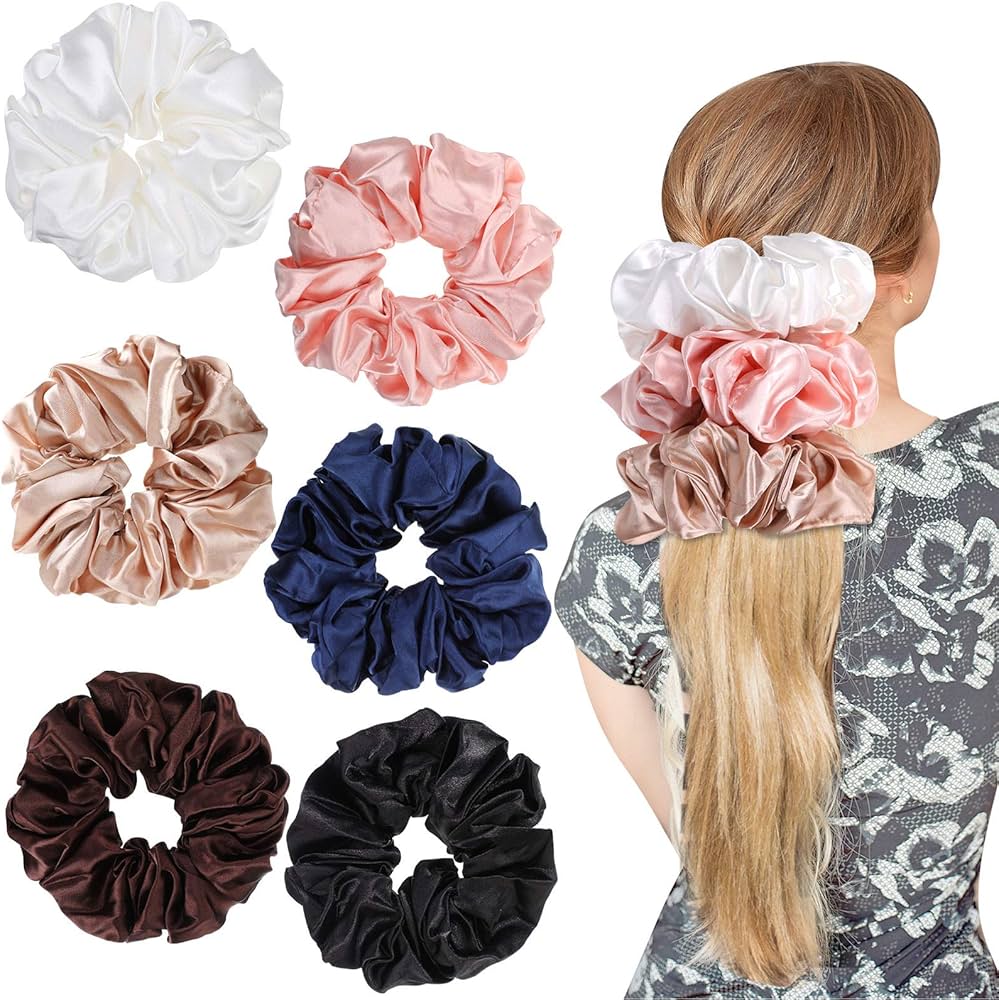
Don’t forget that skincare tools can enhance your olive oil experience. A soft washcloth or muslin cloth is ideal for removing oil without harsh scrubbing. If you have long hair, keep it away from your face when applying olive oil to avoid greasy strands. A 1 Silk Scrunchie – Gentle & Perfect for All Hair Types can help keep hair secure while you do your skincare routine. For more tips on hair and skin care, check out our related post: Pre-Wash Hair Oiling Routine for Stronger Hair: Step-by-Step Guide.
Integrating Olive Oil into Your Routine Without Overdoing It
To get the most out of olive oil without risking side effects, start slowly. Use it once or twice a week as a treatment, and see how your skin responds. For example, you could do an olive oil cleanse on days when you wear heavy makeup, or use it as a body moisturizer after a bath. If your skin tolerates it well, you can gradually increase frequency. But always pay attention to your skin’s signals—if it feels greasy or looks congested, cut back.
A good way to incorporate olive oil is as part of a weekly ritual. For instance, you could do a gentle olive oil massage on your face before cleansing, then follow with a hydrating mask. Or mix a few drops of olive oil with your regular moisturizer for an extra boost during dry winter months. In Pakistan, where winters can be dry and summers humid, you might use olive oil more in winter and switch to lighter oils in summer. Adjust according to the season and your skin’s needs.
Remember that olive oil is not a replacement for a well-rounded skincare routine. It’s a supplement. You still need a gentle cleanser, a moisturizer suited to your skin type, and sunscreen. If you have specific concerns like acne or hyperpigmentation, you may need targeted treatments. For those, consider ingredients like niacinamide, salicylic acid, or vitamin C. And if you’re looking for a brightening boost, our guide on Rice Water for Skin Brightening & Hair Shine might interest you.
Finally, be patient. Natural ingredients like olive oil work gradually. You might notice softer skin after a few uses, but don’t expect overnight miracles. Consistency and moderation are key. And if you ever experience a negative reaction, stop use immediately and consult a healthcare professional. For general skin health advice, you can refer to resources like the NHS healthy body & skin page.
Frequently Asked Questions
Can I leave olive oil on my face overnight?
It's generally not recommended to leave olive oil on your face overnight, especially if you have oily or acne-prone skin. It can clog pores and lead to breakouts. If you have very dry skin, you might try a thin layer, but it's best to rinse it off after 20-30 minutes or use it as a cleanser.
Is olive oil good for eczema or psoriasis?
Olive oil can help moisturize dry, flaky skin associated with eczema or psoriasis, but it's not a treatment for these conditions. Some people find it soothing, while others may experience irritation. It's best to consult a dermatologist for proper management.
How often should I use olive oil on my skin?
For most skin types, using olive oil 1-2 times a week as a cleanser or moisturizer is sufficient. If your skin tolerates it well, you can increase to every other day. Always monitor your skin's response and adjust accordingly.
Can olive oil remove makeup effectively?
Yes, olive oil is an effective makeup remover, especially for waterproof formulas. Massage it onto dry skin, then wipe off with a damp cloth and follow with a gentle cleanser to remove all residue.
Written by Mishal Rehman, owner of Flambeauty — sharing practical, professional beauty and skincare guidance.
Updated: September 2026