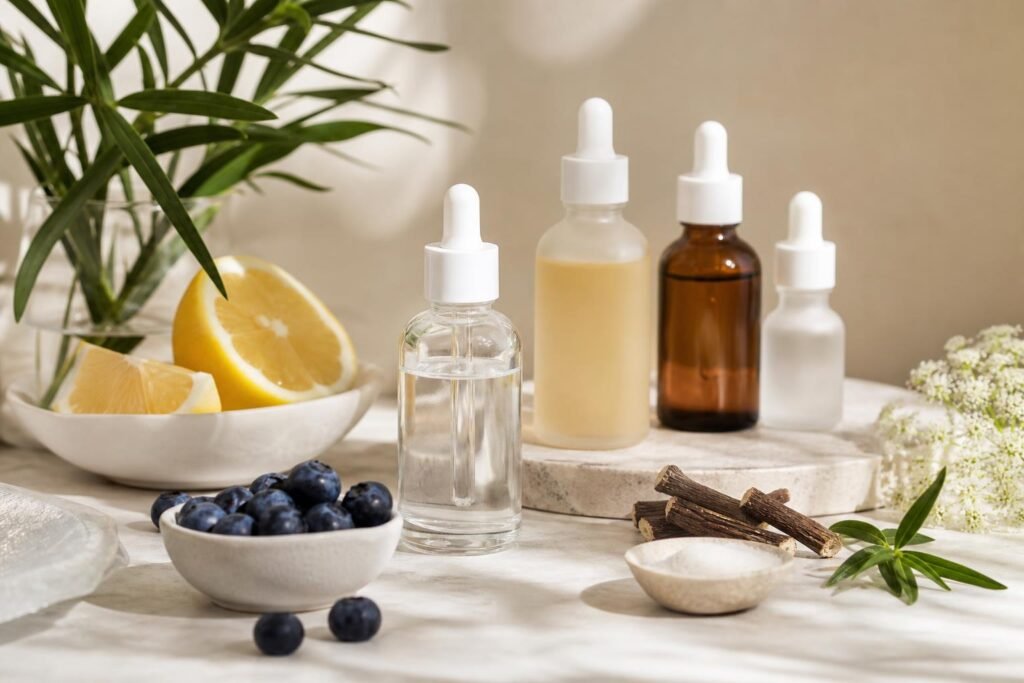
Discover how to maintain an even, radiant skin tone long-term with the right serum, ingredients, and daily habits. Expert tips for Pakistani skin.
The best serum for long-term even skin tone contains a mix of brightening actives like vitamin C, niacinamide, and alpha arbutin, plus barrier-supporting ingredients such as ceramides and hyaluronic acid. Consistency, daily sun protection, and gentle exfoliation are just as important as the serum itself.
Why an Even Skin Tone Needs a Long-Term Strategy
Skin tone unevenness rarely happens overnight, and it rarely disappears overnight either. Whether it’s post-acne marks, sun-induced dark patches, or the gradual dullness that comes with age and environmental stress, the underlying causes build up over months and years. That’s why a long-term approach beats any quick fix. Your skin cycles through renewal roughly every 28 days in your twenties, but that process slows down as you get older, meaning pigment left behind by inflammation or UV exposure can linger far longer than you’d like. A serum designed for the long haul doesn’t just fade existing spots; it helps prevent new ones from forming by supporting your skin’s natural repair and defense systems.
In Pakistan, the challenge is amplified. Many of us deal with intense sun for most of the year, plus humidity in coastal cities and dry heat in places like Lahore and Islamabad. Add pollution, dust, and the occasional harsh whitening cream from the past, and your skin barrier can become compromised. A compromised barrier is more prone to inflammation, and inflammation is a direct trigger for excess melanin production. So the best serum for maintaining an even tone isn’t just a brightening serum—it’s one that also respects and repairs your barrier. That dual action is what makes long-term results possible.
Think of it like this: if you keep irritating your skin with strong actives or skipping sunscreen, you’re essentially refilling the pigment well faster than any serum can empty it. The goal is to reduce triggers while supporting gradual fading. This is why dermatologists often recommend a combination of antioxidants, pigment inhibitors, and barrier lipids rather than a single hero ingredient. Over weeks and months, this balanced approach leads to a more uniform, luminous complexion that looks healthy rather than bleached.
Another factor is consistency. Many people use a brightening serum for two weeks, see no dramatic change, and give up. But real change in skin tone—especially fading of melasma or post-inflammatory hyperpigmentation—takes at least 8 to 12 weeks of daily use, sometimes longer. The serums that work long-term are the ones you can actually stick with because they don’t cause irritation, peeling, or sensitivity. That’s why gentle, well-formulated products often outperform aggressive ones over a year.
Key Ingredients That Support an Even Skin Tone Over Time
When you’re shopping for a serum to maintain even tone, look for ingredients that address pigment at multiple stages: before it’s produced, while it’s being formed, and after it’s deposited in the skin. Vitamin C (in a stable form like sodium ascorbyl phosphate or ascorbyl glucoside) is a classic antioxidant that helps neutralize free radicals from UV and pollution, and it also interferes with tyrosinase, the enzyme that starts melanin production. Niacinamide is another powerhouse—it reduces the transfer of melanin from melanocytes to skin cells, strengthens the barrier, and calms inflammation, making it ideal for Pakistani skin that’s often exposed to heat and sun.
Alpha arbutin and licorice root extract are gentle tyrosinase inhibitors that work well for sensitive skin. Tranexamic acid is particularly effective for melasma and stubborn patches, often used in prescription-strength formulas but also available in cosmeceutical serums. Azelaic acid is another multi-tasker: it reduces pigment, unclogs pores, and fights acne-causing bacteria, making it a great choice if you’re prone to breakouts that leave dark marks. For barrier support, look for ceramides, cholesterol, and fatty acids—these lipids help seal in moisture and keep irritants out, reducing the inflammation that drives pigmentation.
Don’t overlook hyaluronic acid and glycerin. Well-hydrated skin looks more even because light reflects evenly off a smooth surface. Dehydrated skin, on the other hand, looks dull and can appear more blotchy. And while exfoliating acids like glycolic acid and lactic acid can help shed pigmented dead cells, they need to be used cautiously—over-exfoliation damages the barrier and can worsen hyperpigmentation. A serum that combines a gentle brightener with hydrators and barrier lipids is your best bet for the long term.
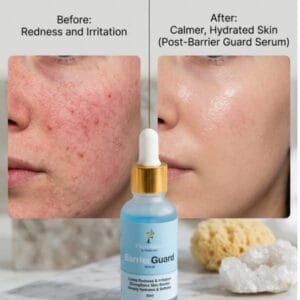
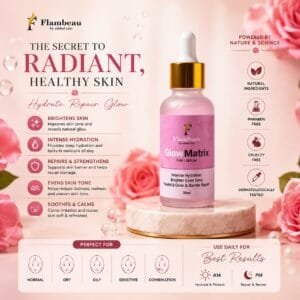
If you’re looking for a product that packs several of these ingredients into one bottle, consider the Glow Matrix 5-in-1 Serum 30ml. It’s designed to address multiple signs of uneven tone—dullness, dark spots, and uneven texture—while supporting hydration. For those with sensitive or compromised skin, the Barrier Guard Serum 30ml | Skin Barrier Repair focuses on strengthening the moisture barrier, which is a foundational step before you can even think about brightening. You can explore more options in our serums category.
How to Build a Simple, Consistent Routine for Long-Term Results
Your serum is only one part of the puzzle. The way you layer it, the frequency of use, and the supporting steps around it determine whether you’ll see lasting improvement. Start with a gentle cleanser—one that doesn’t leave your skin tight or squeaky. In the morning, after cleansing, apply your vitamin C or antioxidant serum to damp skin, then follow with a moisturizer and, most importantly, sunscreen with SPF 30 or higher. Sunscreen is non-negotiable: without it, UV rays will keep triggering new pigment and undo any progress your serum makes. The American Academy of Dermatology offers a helpful guide on skin care secrets that reinforces the importance of sun protection.
In the evening, cleanse again to remove sunscreen, pollution, and makeup. Apply your brightening serum—this could be niacinamide, alpha arbutin, or a multi-ingredient formula—then follow with a barrier-repair moisturizer. If your serum contains exfoliating acids, start with two or three nights a week and gradually increase only if your skin tolerates it. Always patch test new products on a small area behind your ear or jawline for a few days before applying to your whole face. This is especially important if you have sensitive skin or a history of reactions.
Consistency matters more than intensity. A serum used every day for six months will do more for your skin tone than a stronger one used sporadically. Set a simple routine you can follow even on busy days: cleanse, serum, moisturize, sunscreen in the morning; cleanse, serum, moisturize at night. If you wear makeup, double cleansing at night helps ensure your serum actually penetrates rather than sitting on top of residue. And don’t forget your neck—uneven tone often shows up there too, so extend your products downward.
Over time, you can adjust based on your skin’s feedback. If you notice dryness or stinging, scale back on exfoliants and focus on barrier repair. If your skin feels comfortable and you’re seeing gradual improvement, stay the course. Remember that visible change takes at least 8 to 12 weeks; take photos every month in similar lighting to track subtle progress. This objective record can keep you motivated when the mirror seems to show no difference.
Adapting Your Serum Routine to Your Skin Type
Dry or Dehydrated Skin
If your skin feels tight, flaky, or looks dull, your priority is hydration and barrier repair before brightening. Look for serums with hyaluronic acid, glycerin, and ceramides. A product like the Barrier Guard Serum can be layered under a richer moisturizer to lock in moisture. Once your barrier is healthy, you can introduce a gentle vitamin C or niacinamide serum. Avoid alcohol-heavy formulas and high concentrations of exfoliating acids, which can worsen dryness and lead to more irritation and pigment.
Oily or Acne-Prone Skin
Oily skin can still be uneven, especially if you’re dealing with post-acne marks. Choose lightweight, water-based serums with niacinamide (which also helps regulate oil), azelaic acid, or salicylic acid at low concentrations. These ingredients address both breakouts and pigmentation. A multi-tasking serum like the Glow Matrix 5-in-1 can be a good fit if it’s non-comedogenic. Just be careful not to over-cleanse or use harsh scrubs, which can trigger more oil production and inflammation.
Combination Skin
Combination skin often has an oily T-zone and drier cheeks. You can use the same serum all over, but you may need to adjust your moisturizer—lighter on the T-zone, richer on the cheeks. Ingredients like niacinamide and alpha arbutin are generally well-tolerated. If you exfoliate, focus on the areas that need it most, and always follow with a hydrating layer. The key is balance: don’t strip the dry areas while trying to control oil.
Sensitive or Reactive Skin
Sensitive skin requires a minimalist approach. Start with a barrier-repair serum that contains ceramides, panthenol, and centella asiatica. Once your skin is calm, introduce one brightening ingredient at a time, patch testing diligently. Avoid fragrance, essential oils, and high-dose acids. Tranexamic acid and licorice root are often better tolerated than stronger acids. Remember that calming inflammation is itself a way to prevent pigmentation, so a gentle routine can still lead to a more even tone over time.
Common Mistakes That Sabotage Long-Term Evenness
The biggest mistake is skipping sunscreen. Even if you use the best brightening serum, unprotected sun exposure will continually stimulate melanin production. In Pakistan, where UV levels can be high even on cloudy days, daily sunscreen is essential. Another common error is over-exfoliating. While exfoliation can help fade surface pigment, doing it too often—or using strong scrubs—damages the barrier and causes inflammation, which can lead to more dark spots. Stick to gentle chemical exfoliants once or twice a week, and only if your skin tolerates them.
Mixing too many active ingredients at once is another pitfall. Layering vitamin C, retinol, glycolic acid, and benzoyl peroxide in one routine can irritate even resilient skin. Introduce one new product at a time and wait at least two weeks before adding another. Also, don’t expect overnight results. Many people abandon a serum after a few weeks, just when it’s starting to work. Give any new brightening product at least three months before judging its effectiveness.
Neglecting your barrier is a subtle but serious mistake. If your skin is constantly red, stinging, or peeling, it’s in a state of low-grade inflammation that can worsen pigmentation. Focus on repair first: use a barrier serum, simplify your routine, and avoid hot water and harsh cleansers. Finally, don’t ignore lifestyle factors. Poor sleep, high stress, and smoking can all affect skin health and tone. While a serum helps, it works best alongside healthy habits.
Another mistake is using products that are too harsh in an attempt to fade spots quickly. Creams with high concentrations of hydroquinone or unknown whitening agents can cause rebound pigmentation or even ochronosis with long-term use. Stick to well-studied, gentle ingredients and consult a dermatologist if you have stubborn melasma. And remember that even tone is a marathon, not a sprint—patience and consistency are your greatest allies.
What to Look For When Choosing a Serum
When scanning ingredient lists, prioritize formulas that combine multiple pigment-fighting pathways. Look for at least one antioxidant (vitamin C, vitamin E, ferulic acid), one tyrosinase inhibitor (alpha arbutin, licorice, tranexamic acid), and one barrier-supporting ingredient (niacinamide, ceramides, panthenol). Avoid products with high alcohol content, which can be drying, and be wary of fragrances if your skin is sensitive. The concentration matters too: niacinamide is effective at 2–5%, while vitamin C serums often range from 10–20%. Higher isn’t always better—find what your skin tolerates.
Packaging is another consideration. Vitamin C and other antioxidants degrade with exposure to light and air, so opaque, airless pumps or dark glass bottles with droppers are better than jars. If you’re buying from an online store, check reviews for consistency and stability. For Pakistani consumers, it’s also worth considering products formulated for local climate—lightweight enough for humidity but hydrating enough for dry heat. Our blog archive has more tips on adapting skincare to local conditions.
Don’t be swayed by marketing claims like “instant glow” or “whitening.” Instead, look for realistic language: “brightening,” “evens tone,” “fades dark spots.” These reflect how ingredients actually work—gradually and cumulatively. If a product promises overnight transformation, it’s likely exaggerating or contains harsh ingredients. Also, consider the texture: a serum should absorb without leaving a sticky film, especially if you’ll be applying makeup or sunscreen over it. If you have oily skin, gel-based serums are ideal; dry skin may prefer slightly more emollient formulas.
Finally, think about your budget and commitment. A serum you’ll actually use every day is worth more than an expensive one you save for special occasions. Many affordable options contain effective ingredients like niacinamide and hyaluronic acid. If you’re new to serums, start with a simple, well-reviewed product and build from there. And if you’re a man looking for straightforward advice, our skincare tips for men guide can help you get started. For those interested in natural alternatives, our post on gram flour (besan) for skin explores traditional ingredients that can complement your routine.
Maintaining an even skin tone long-term is absolutely achievable with the right serum and habits. Focus on gentle, consistent care, protect your skin from the sun, and give your products time to work. Your future self will thank you for the healthy, radiant complexion you’re building today.
Frequently Asked Questions
How long does it take to see results from a brightening serum?
Most people notice gradual improvement in skin tone after 8 to 12 weeks of consistent daily use. Fading dark spots and melasma can take longer, sometimes up to six months, so patience and regular application are key.
Can I use a brightening serum if I have sensitive skin?
Yes, but choose gentle ingredients like niacinamide, alpha arbutin, or licorice root, and always patch test first. Avoid high concentrations of acids or vitamin C, and focus on barrier repair before introducing brightening actives.
Do I need to use sunscreen even if my serum has SPF?
Serums rarely provide enough sun protection on their own. You should always apply a dedicated sunscreen with SPF 30 or higher as the last step of your morning routine to prevent new pigmentation.
What's the best way to layer a brightening serum with other products?
Apply your serum after cleansing and before moisturizer. In the morning, use an antioxidant serum like vitamin C; at night, you can use a pigment-inhibiting serum. Wait about a minute between steps to let each product absorb.
Written by Mishal Rehman, owner of Flambeauty — sharing practical, professional beauty and skincare guidance.
Updated: September 2026