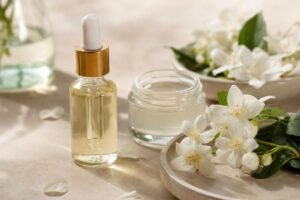
Discover whether natural face oil or moisturizing cream hydrates better. Learn how each works, which suits your skin type, and how to choose for a healthy glow.
Natural face oils and moisturizing creams hydrate differently: oils seal in existing moisture and are best for dry or mature skin, while creams add water and are better for dehydrated or oily skin. For most people, a cream hydrates more effectively because it increases water content, but oils can boost softness and glow.
How Hydration Actually Works: Water vs. Oil
To understand which product hydrates better, you first need to know what “hydration” means in skincare. Hydration refers to the water content within your skin cells. When your skin is hydrated, it looks plump, bouncy, and smooth. Moisturization, on the other hand, is about preventing water loss by creating a barrier on the skin’s surface. This distinction is crucial because natural face oils and moisturizing creams tackle these two jobs in very different ways.
Moisturizing creams are typically made of a blend of water, humectants (like glycerin or hyaluronic acid), emollients (like fatty alcohols or plant butters), and occlusives (like squalane or dimethicone). The water and humectants draw moisture into the skin, while emollients soften and occlusives seal it all in. This multi-pronged approach means a good cream can both hydrate and moisturize. Natural face oils, by contrast, are purely occlusive and emollient—they contain no water. They sit on top of the skin and form a film that reduces something called transepidermal water loss (TEWL), which is the amount of water that evaporates from your skin throughout the day.
So, if your skin is dehydrated (lacking water), a cream will generally hydrate better because it actually adds water. If your skin is dry (lacking oil), an oil can be more helpful because it replenishes lipids and prevents moisture from escaping. But here’s the catch: if you apply oil to truly dry, parched skin without any water underneath, it can trap that dryness in rather than fix it. That’s why many skincare experts recommend applying oil to damp skin or layering it over a hydrating serum or cream. The NHS also emphasises that keeping skin healthy involves gentle cleansing and protecting the skin barrier, not just adding products.
Ultimately, neither oils nor creams are universally superior—it depends on your skin’s specific needs and the formulation. A high-quality cream that contains both water-loving and oil-loving ingredients can deliver the best of both worlds, while a pure oil excels at sealing in moisture and improving softness. For most people, a moisturizing cream hydrates more effectively because it increases water content, while oils mainly prevent water loss. But the real winner is often a combination of both, tailored to your skin type and environment.
Natural Face Oils: What They Do Well and Where They Fall Short
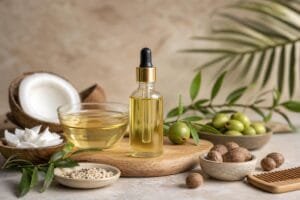
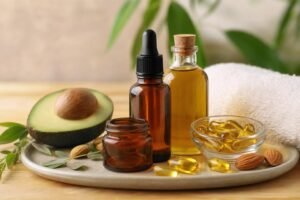
Natural face oils have gained a massive following for good reason. They are concentrated, often free from synthetic additives, and can feel luxuriously pampering. Oils like jojoba, argan, rosehip, and squalane are rich in fatty acids and antioxidants that can nourish the skin, support the barrier, and impart a healthy glow. They are especially beneficial for dry, mature, or compromised skin because they help replace the lipids that naturally decline with age or due to harsh weather. In Pakistan’s dry, hot climate, a light oil can also act as a protective layer against water loss from sun and wind.
However, oils have limitations. Because they contain no water, they cannot hydrate—they can only moisturize. If your skin is dehydrated from air conditioning, hot showers, or not drinking enough water, oil alone won’t quench that thirst. In fact, applying oil to dehydrated skin can sometimes make it feel tighter because it seals in the lack of moisture. Oils also don’t work well for everyone: if you have oily or acne-prone skin, heavy oils like coconut or wheat germ can clog pores and trigger breakouts. Even non-comedogenic oils like jojoba can feel greasy if overapplied. And if you live in a humid environment, oils may sit on the surface and feel suffocating.
Another consideration is the quality of the oil. Cold-pressed, unrefined oils retain more nutrients, but they also have shorter shelf lives and can go rancid. Always check for added fragrance or essential oils if you have sensitive skin, as these can cause irritation. For those looking to explore facial oils, our Oils & Serums category offers a range of options formulated for different skin types. But remember: oils are best used as a supplement to hydration, not a replacement. Natural oils excel at sealing in moisture and improving softness, but they cannot add water to your skin.
Moisturizing Creams: The Hydration Heavyweights
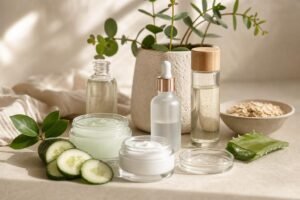
Moisturizing creams are the classic go-to for hydration because they are designed to do exactly that: add water and keep it there. A well-formulated cream contains a mix of humectants, emollients, and occlusives. Humectants like glycerin, hyaluronic acid, and panthenol pull water from the air and deeper skin layers into the upper layers. Emollients like shea butter, ceramides, and fatty acids smooth the skin and fill in gaps between cells. Occlusives like squalane, lanolin, and dimethicone create a breathable barrier that stops water from evaporating. This trio makes creams incredibly effective at both hydrating and moisturizing.
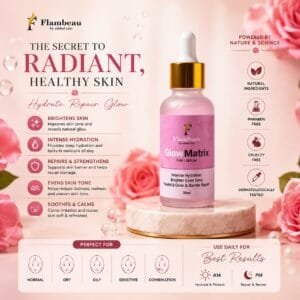
One of the biggest advantages of creams is their versatility. They can be tailored to suit oily, dry, combination, or sensitive skin by adjusting the ratio of water to oil and the types of ingredients used. For example, a gel-cream for oily skin might be water-based with light silicones, while a rich cream for dry skin might include shea butter and ceramides. This flexibility means almost everyone can find a cream that works for them. Creams also often include additional beneficial ingredients like niacinamide, vitamin C, or peptides, which can address concerns like uneven tone or fine lines alongside hydration. If you’re looking for a multi-tasking product, a serum like our Glow Matrix 5-in-1 Serum 30ml can be layered under a cream for an extra hydration boost.
That said, creams aren’t perfect. Some contain irritating preservatives, fragrances, or comedogenic ingredients that can cause problems for sensitive or acne-prone skin. Others may feel heavy or greasy, especially in humid weather. And if a cream lacks sufficient occlusives, it may not prevent water loss for long, leaving skin dehydrated again by midday. The key is to choose a cream that matches your skin type and the climate. In Pakistan’s sweltering summers, a lightweight lotion or gel-cream is often more comfortable than a thick balm, while in dry winter months, a richer cream is necessary. A good moisturizing cream can both add water and seal it in, making it the more complete hydrator for most skin types.
Step-by-Step: How to Layer Oils and Creams for Maximum Hydration
If you want the best of both worlds, you don’t have to choose between oils and creams—you can use them together in a strategic order. The golden rule is: thinnest to thickest. Water-based products go first, followed by oils, and then creams or balms. This ensures that hydration reaches the skin and is then sealed in. Here’s a simple routine you can follow, whether you’re a skincare newbie or a seasoned enthusiast.
Step 1: Cleanse gently. Start with a mild, non-stripping cleanser to remove dirt and excess oil without damaging your skin barrier. Harsh cleansers can strip away natural lipids, making dehydration worse. Pat your skin dry—but leave it slightly damp. This is the perfect moment to apply hydrating products because damp skin absorbs them more effectively and traps water.
Step 2: Apply a hydrating serum or essence. While your skin is still damp, press in a humectant-rich serum. Look for ingredients like hyaluronic acid, glycerin, or aloe vera. This step adds water to your skin. If you’re using our Glow Matrix 5-in-1 Serum, apply 2-3 drops and gently pat it in. Give it a minute to absorb.
Step 3: Seal with a face oil (optional). If your skin is dry or you want extra glow, warm 2-4 drops of facial oil between your palms and press it into your skin. This step is especially helpful at night or in dry weather. Oils like rosehip or jojoba work well for most skin types. Avoid using oil if you have very oily or acne-prone skin, unless your dermatologist recommends it. Remember, oil goes after water-based products but before cream.
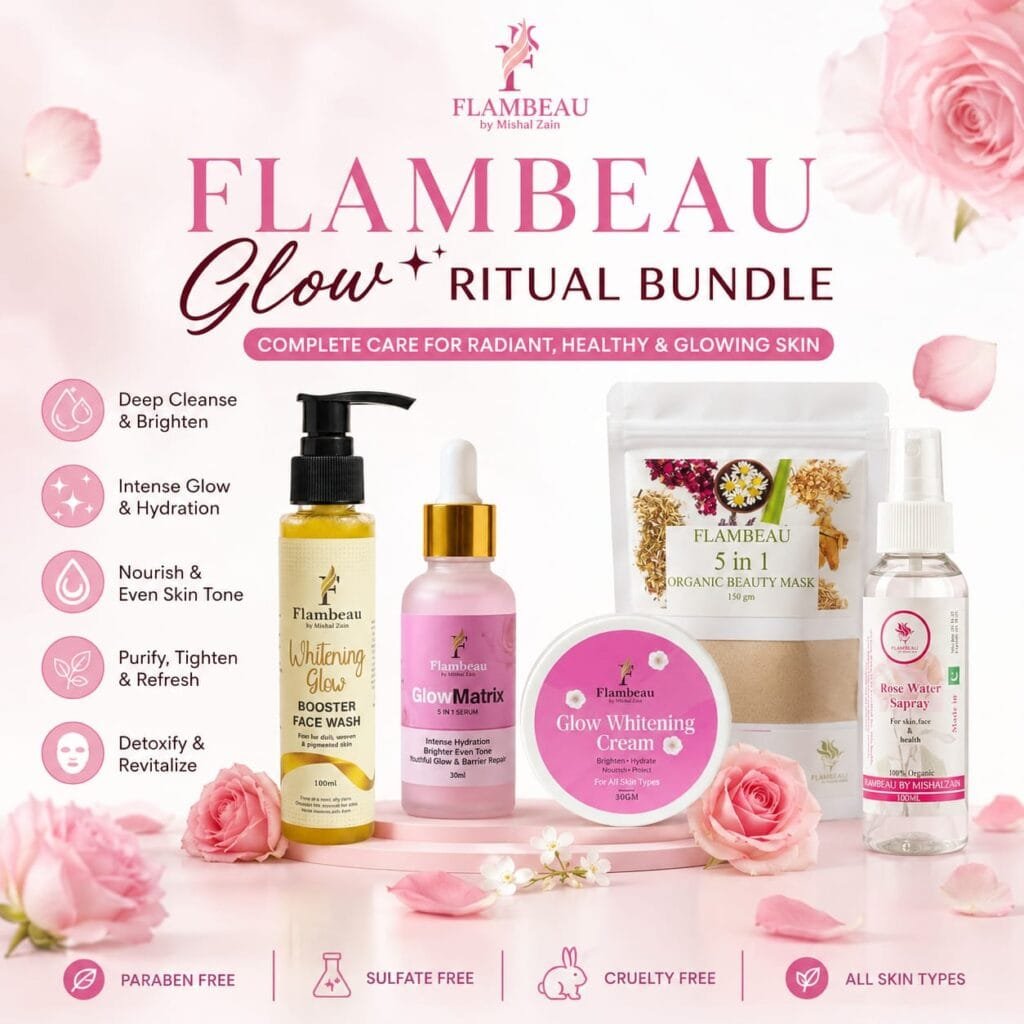
Step 4: Lock it all in with a moisturizing cream. Finish with a cream suited to your skin type. This final layer acts as a barrier, preventing all that hydration from evaporating. If you used oil, you might prefer a lighter cream to avoid heaviness. If you skipped oil, a richer cream can provide both emollients and occlusives. For a complete routine that includes cleanser, serum, and moisturizer, consider our Glow Ritual Bundle – All in one bundle, which takes the guesswork out of layering.

Common Mistakes to Avoid When Choosing Between Oil and Cream
Even with the best intentions, it’s easy to fall into habits that undermine your skin’s hydration. One of the most common mistakes is using oil as a standalone moisturizer on dehydrated skin. As mentioned, oil doesn’t add water, so if your skin is tight and flaky due to lack of water, oil alone won’t fix it—and may even make it feel drier. Always ensure you’re getting water-based hydration first, either from a serum, essence, or a cream that contains water.
Another mistake is over-applying products. More isn’t always better; layering too many heavy oils or thick creams can suffocate your skin, leading to clogged pores and breakouts. Start with a small amount and build up if needed. Also, avoid using the same product year-round regardless of climate. Your skin’s needs change with seasons and humidity levels. In Pakistan’s monsoon season, for example, you might need a lighter gel-cream, while in the dry winter, a richer oil or balm could be more appropriate. Adjusting your routine is key to maintaining balance.
Many people also neglect to patch test new products. Natural ingredients can still cause allergic reactions. Always patch test first by applying a small amount behind your ear or on your inner forearm and waiting 24 hours. This is especially important if you have sensitive skin or are trying a new oil like argan or marula. Additionally, don’t assume that “natural” automatically means better. Some natural oils can be comedogenic or irritating, while some synthetic ingredients are perfectly safe and effective. Focus on your skin’s response, not just marketing labels.
Lastly, don’t ignore the importance of exfoliation and sun protection. Dead skin cells can block absorption of both oils and creams, so gentle exfoliation once or twice a week helps your products work better. And no matter how well you hydrate, UV damage will degrade collagen and lead to dryness and uneven tone. Wearing sunscreen daily is non-negotiable. For more tips on building a healthy skincare routine, explore our blog archive.
Choosing the Right Product for Your Skin Type
Your skin type should dictate whether you reach for an oil, a cream, or both. Here’s a breakdown to help you decide.
Dry or Mature Skin
If your skin feels tight, looks flaky, or shows fine lines, you likely need both water and oil. Start with a hydrating serum or essence, follow with a nourishing face oil like rosehip or argan, and seal with a rich cream containing ceramides or shea butter. This combination replenishes lipids, prevents water loss, and keeps skin supple. Look for creams with ingredients like glycerin, hyaluronic acid, and squalane. Our Glow Ritual Bundle includes a cream and serum that work well for dry skin.
Oily or Acne-Prone Skin
Oil is not your enemy, but you need to choose wisely. Heavy oils like coconut and wheat germ can clog pores, so opt for lightweight, non-comedogenic oils like jojoba, grapeseed, or squalane—or skip oil entirely. Instead, focus on a lightweight, oil-free moisturizing cream or gel-cream that hydrates without adding excess oil. Ingredients like niacinamide and hyaluronic acid are your friends. If you want to use oil, apply it only on dry patches or at night, and always after a water-based hydrator. For more on gentle toners that balance oily skin, see our post on Why Witch Hazel Is a Natural, Gentle Toner for Healthy Skin.
Combination Skin
Combination skin can be tricky—oily in the T-zone, dry on the cheeks. The best approach is to customize: use a lightweight cream all over, and add a few drops of facial oil only on dry areas. Alternatively, layer a hydrating serum everywhere and follow with a cream, then spot-treat with oil where needed. You might also use different products for day and night: a gel-cream in the morning and a richer cream with oil at night.
Sensitive Skin
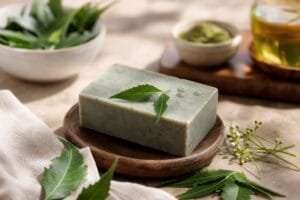
Sensitive skin requires extra care. Look for fragrance-free, minimal-ingredient formulas. Oils like squalane and jojoba are generally well-tolerated, but always patch test. Creams with soothing ingredients like colloidal oatmeal, aloe, or bisabolol can help calm redness. Avoid essential oils and alcohol-based toners. If you’re unsure, consult a dermatologist. And remember, natural doesn’t always mean gentle—some botanical extracts can irritate sensitive skin. For brightening without irritation, you might explore products like our turmeric soap, which is popular for brightening skin tone.
No matter your skin type, consistency is key. A simple routine that you follow daily will outperform a complicated one you use sporadically. And if you’re ever unsure, start with a basic cream that suits your skin, then add an oil if you feel you need more nourishment. The best product is the one that makes your skin feel comfortable, balanced, and healthy-looking.
Frequently Asked Questions
Can I use only face oil as my moisturizer?
You can, but it's not ideal for most skin types. Face oil seals in moisture but doesn't add water, so if your skin is dehydrated, it may still feel tight. It's best to use oil over a hydrating serum or cream, or choose a cream if you need true hydration.
Which is better for acne-prone skin: oil or cream?
Generally, a lightweight, non-comedogenic moisturizing cream or gel-cream is safer for acne-prone skin. Some oils can clog pores and trigger breakouts. If you want to use oil, opt for jojoba or squalane and patch test first.
How do I know if my skin needs hydration or moisture?
If your skin feels tight, looks dull, and has fine lines, it's likely dehydrated and needs water-based hydration. If it feels rough, flaky, or lacks elasticity, it may need more oil-based moisture. Often, you need both.
Can I layer face oil and moisturizing cream together?
Yes, layering is a great strategy. Apply water-based products first, then oil, then cream. This ensures hydration is added and then sealed in. Just use light layers to avoid heaviness or clogged pores.
Written by Mishal Rehman, owner of Flambeauty — sharing practical, professional beauty and skincare guidance.
Updated: September 2026