Saffron (Kesar) for Skin Brightening: A Complete Guide

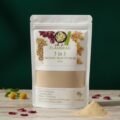
Saffron, known as kesar in Urdu and Hindi, is a prized spice that has been used for centuries in South Asian beauty rituals for its skin-brightening properties. When applied topically, saffron can help improve skin tone, fade dark spots, and impart a natural glow, thanks to its rich antioxidant content and active compounds like crocin and safranal. To harness these benefits, you can use saffron in DIY masks, toners, or through skincare products that incorporate saffron extract. Always patch test first and use consistently for best results. Why Saffron Works for Skin Brightening Saffron contains crocin, a carotenoid pigment that gives the spice its vibrant red-orange color and acts as a powerful antioxidant. Antioxidants help neutralize free radicals—unstable molecules…

Continue ReadingSaffron (Kesar) for Skin Brightening: A Complete Guide

Best Facial Oil for Mature Skin: Extra Nourishment Guide

For mature skin that feels tight, looks dull, or shows fine lines, the best facial oil is one rich in omega fatty acids, antioxidants, and skin-replenishing ingredients like rosehip, marula, or squalane. These oils work by supporting the skin's lipid barrier, locking in moisture, and improving elasticity over time. Choose a non-comedogenic oil suited to your skin type—dry, combination, or sensitive—and apply it to slightly damp skin after a water-based serum for optimal absorption. Why Mature Skin Needs Extra Nourishment As we age, our skin's natural oil production slows down. The sebaceous glands become less active, and the lipid barrier—the protective layer that keeps moisture in and irritants out—thins and weakens. This leads to transepidermal water loss, making skin…

Continue ReadingBest Facial Oil for Mature Skin: Extra Nourishment Guide

Licorice Root Extract for Skin Brightening: A Complete Guide

Licorice root extract is a natural, plant-derived ingredient that helps brighten skin by inhibiting the enzyme tyrosinase, which controls melanin production. This makes it effective for fading dark spots, post-acne marks, and sun spots while also soothing inflammation and irritation. In this guide, I’ll explain exactly how licorice root extract works, how to use it in your routine, and what to look for when choosing products, so you can enjoy a more radiant, even-toned complexion—without harsh side effects.What Is Licorice Root Extract and How Does It Brighten Skin?Licorice root extract comes from the root of the Glycyrrhiza glabra plant, a staple in traditional medicine for centuries. In skincare, its star component is glabridin, a compound known for its skin-brightening…

Continue ReadingLicorice Root Extract for Skin Brightening: A Complete Guide

Retinol vs Bakuchiol: Which Gentle Anti-Aging Ingredient Is Right for You?

Retinol and bakuchiol are both effective for reducing fine lines, improving skin texture, and boosting radiance. Retinol is a stronger, faster-acting vitamin A derivative that can cause irritation, while bakuchiol is a gentler plant-based alternative that delivers similar results over a longer period. Choosing between them depends on your skin barrier, tolerance for irritation, and your anti-aging goals. Understanding Retinol: The Gold Standard of Anti-Aging Retinol is a form of vitamin A that has been extensively studied for its ability to accelerate cell turnover and stimulate collagen production. When applied topically, it converts to retinoic acid in the skin, which binds to retinoic acid receptors in the nucleus of skin cells. This binding triggers a cascade of events that…

Continue ReadingRetinol vs Bakuchiol: Which Gentle Anti-Aging Ingredient Is Right for You?

Layer Facial Oils & Serums for Maximum Glow: The Right Way

To layer facial oils and serums for maximum glow, always apply water-based serums first, followed by oil-based serums, and then facial oils as the final step to seal in hydration. This order ensures that watery ingredients penetrate deeply, while oils lock in moisture and boost radiance. Adjust the routine based on your skin type and the consistency of your products, and always patch test before trying new combinations.Understanding Skin Layers and Product AbsorptionYour skin is not a single surface but a multi-layered organ, and each layer has different needs. The outermost layer, the stratum corneum, acts as a barrier, and it is what most skincare products interact with. To achieve a true glow, you need to think about what…

Continue ReadingLayer Facial Oils & Serums for Maximum Glow: The Right Way

How Retinol Serum Works and Who Should Avoid It

Retinol serum works by accelerating skin cell turnover and stimulating collagen production, which helps improve skin texture, reduce fine lines, and fade dark spots over time. However, it is not suitable for everyone—pregnant women, those with active eczema or rosacea, and individuals with very sensitive skin should avoid it or use it with extreme caution. Always patch test first and start with a low concentration to minimize irritation. What Retinol Serum Does to Your Skin Retinol is a form of vitamin A that has been widely studied for its anti-aging and skin-renewing benefits. When applied topically, it penetrates the upper layers of the skin and converts into retinoic acid, the active form that binds to retinoic acid receptors on…

Continue ReadingHow Retinol Serum Works and Who Should Avoid It

How Rosehip Oil Fades Scars and Dark Spots: A Complete Guide

Rosehip oil is a natural skincare powerhouse that helps fade scars and dark spots by promoting skin regeneration, improving elasticity, and reducing hyperpigmentation, thanks to its rich content of essential fatty acids, vitamin A (retinol-like compounds), and vitamin C. With consistent use, it can visibly soften the appearance of acne scars, sun spots, and post-inflammatory hyperpigmentation, leaving skin looking more even-toned and radiant. Why Rosehip Oil Works for Scars and Dark Spots Rosehip oil is extracted from the seeds of wild rose bushes, and it's packed with skin-loving nutrients that directly target the look of scars and dark spots. The key players are linoleic acid (an omega-6 fatty acid) and alpha-linolenic acid (an omega-3 fatty acid), which help strengthen…

Continue ReadingHow Rosehip Oil Fades Scars and Dark Spots: A Complete Guide

Late 20s Anti-Aging Serum Guide: What Actually Works

For skin in your late 20s, the best anti-aging serum combines antioxidants (like vitamin C), hydration (hyaluronic acid), and gentle cell-communicating ingredients (like peptides or niacinamide) to prevent and soften fine lines, loss of firmness, and dullness. Look for a serum that suits your skin type and use it consistently in your morning or evening routine. Why Your Late 20s Are a Turning Point for Skin Your late 20s are often when you first notice subtle changes: a fine line around your eyes when you smile, a slight loss of that “baby” plumpness, or a duller complexion that no amount of sleep seems to fix. This isn’t random – it’s biology. Collagen production begins to slow down around age…

Continue ReadingLate 20s Anti-Aging Serum Guide: What Actually Works

Rose Water for Skin: Toning & Hydration Benefits Explained

Rose water is a gentle, natural toner that helps balance your skin's pH, tighten pores, and provide a light layer of hydration, making it suitable for most skin types, including sensitive and acne-prone skin. Its anti-inflammatory properties can soothe redness and irritation, while its refreshing mist can revive tired skin. To get the most benefit, use pure rose water without added alcohol or synthetic fragrances. Incorporate it into your daily routine after cleansing and before moisturizing to improve skin's overall tone and texture. Why Rose Water Works for Toning and Hydration Rose water is more than just a fragrant splash. It's a natural astringent that helps remove excess oil and impurities from the skin without stripping away essential moisture.…

Continue ReadingRose Water for Skin: Toning & Hydration Benefits Explained

Reduce Facial Oil Without Drying: A Balanced Routine

To reduce oiliness without over-drying, focus on gentle cleansing, consistent hydration, and oil-regulating ingredients that respect your skin's moisture barrier. Avoid harsh, stripping products that trigger rebound oil production. Instead, use a mild cleanser, a lightweight moisturizer, and targeted treatments with niacinamide or salicylic acid. Always patch test new products and adjust your routine based on climate and season. This approach helps maintain a healthy, balanced complexion without the tight, uncomfortable feeling of over-drying. Understanding Your Skin's Oil Production Your skin produces oil, or sebum, to protect and lubricate the surface. Sebum is a natural mixture of lipids, wax esters, and other compounds that help maintain the skin's barrier and keep it supple. However, when your skin produces too…

Continue ReadingReduce Facial Oil Without Drying: A Balanced Routine