Discover a skincare routine for oily skin that gets shiny by midday. Learn cleansing, moisturizing, and product tips to control oil and keep skin fresh all day.
For oily skin that turns shiny by midday, use a gentle foaming cleanser, a lightweight gel moisturizer, and a mattifying sunscreen in the morning. At night, double cleanse and apply a salicylic acid treatment. Avoid over-washing and heavy creams. This routine helps control oil without stripping your skin.
Understanding Why Your Skin Gets Oily by Midday
If your face looks like a frying pan by lunchtime, you’re not alone. Many people with oily skin find that their complexion turns slick just a few hours after washing. But why does this happen? The answer lies in your skin’s natural oil production, known as sebum. Sebum is produced by sebaceous glands to keep your skin lubricated and protected. However, when these glands go into overdrive, you end up with an unwanted shine.
Several factors can trigger excess oil production. Genetics play a significant role—if your parents had oily skin, chances are you do too. Hormones are another major player, especially during puberty, menstrual cycles, or times of stress. And let’s not forget environmental factors like heat and humidity, which can stimulate the oil glands. In Pakistan, where summers can be scorching and humid, oily skin often feels oilier. Additionally, using the wrong skincare products can strip your skin of its natural moisture, leading to a rebound effect where your skin produces even more oil to compensate.
Understanding your skin’s oiliness pattern is key. Does your face get oily all over, or just in the T-zone? Do you notice it more in summer or winter? Keeping a simple journal can help you identify triggers. Once you know why your skin behaves the way it does, you can build a routine that addresses the root causes rather than just blotting away the shine.
Morning Routine: Start Fresh, Stay Matte
Your morning routine sets the tone for the entire day. For oily skin, the goal is to cleanse without stripping, hydrate without heaviness, and protect without greasiness. Here’s a step-by-step guide to a morning routine that keeps shine at bay.
Step 1: Gentle Cleansing
Start with a gentle foaming cleanser that removes overnight oil and sweat without disrupting your skin barrier. Look for ingredients like salicylic acid or niacinamide. Avoid harsh sulfates that leave your skin feeling tight—that tightness often signals stripped moisture, which can lead to more oil later. Massage the cleanser onto damp skin for about 30 seconds, then rinse with lukewarm water. Pat dry with a soft towel; rubbing can irritate and stimulate oil production.
Step 2: Tone and Refresh
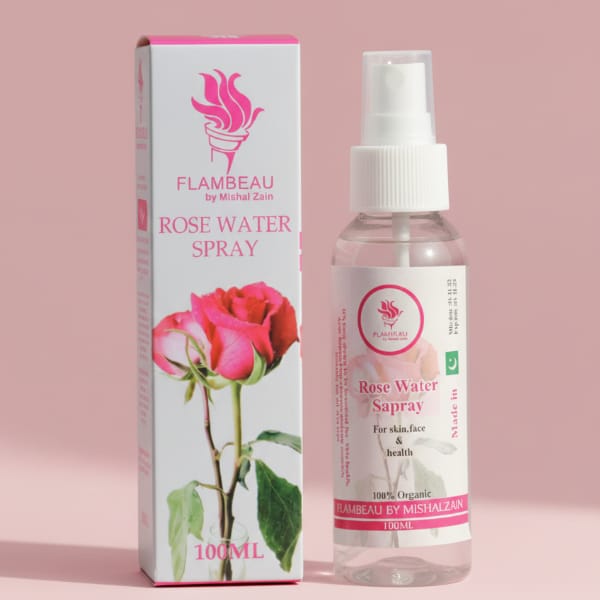
After cleansing, a refreshing toner can help remove any leftover residue and balance your skin’s pH. Alcohol-free toners with ingredients like witch hazel or rose water are excellent choices. For a quick pick-me-up, try a spritz of Rose Water Spray 100% Organic – Refresh & Hydrate Skin. It’s pure, gentle, and instantly hydrating without any oily feel. Hold the bottle about 6 inches from your face and mist lightly, then let it absorb naturally.

Step 3: Lightweight Moisturizer
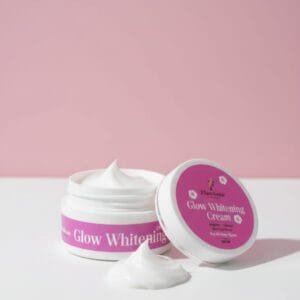
Many people with oily skin skip moisturizer, thinking it will add to the grease. That’s a mistake. Without moisturizer, your skin may produce even more oil to compensate. Choose a lightweight, oil-free moisturizer in gel or lotion form. Look for hyaluronic acid or glycerin—these hydrate without clogging pores. Apply a pea-sized amount to your face and neck, focusing on dry areas if you have combination skin. If you prefer a cream, opt for one labeled non-comedogenic, like Glow Whitening Cream – Brighten & Hydrate for All Skin Types, which is formulated to be light yet effective.
Step 4: Sunscreen – The Non-Negotiable
Sunscreen is crucial for all skin types, but for oily skin, the right formula matters. Choose a matte finish, oil-free sunscreen with at least SPF 30. Look for labels like “non-comedogenic” and “lightweight.” Chemical sunscreens tend to be lighter than physical ones, but if you prefer mineral, look for a tinted version that can double as a mattifier. Apply generously—about a nickel-sized amount for your face—and don’t forget your neck and ears. Reapply every two hours if you’re outdoors, or use a powder sunscreen for touch-ups.
Evening Routine: Repair and Reset
At night, your skin shifts into repair mode. Your evening routine should focus on removing the day’s buildup—sweat, oil, sunscreen, and pollution—and treating any concerns like acne or clogged pores. Here’s how to do it right.
Step 1: Double Cleansing
If you wore sunscreen or makeup, double cleansing is essential. Start with an oil-based cleanser or micellar water to dissolve sunscreen and makeup. Then follow with your regular foaming cleanser to deep-clean pores. This two-step process ensures no residue is left behind, which can lead to breakouts. Massage each cleanser for about 30 seconds, then rinse thoroughly.
Step 2: Exfoliate (2-3 Times a Week)
Exfoliation removes dead skin cells that can mix with oil and clog pores. For oily skin, chemical exfoliants like salicylic acid (BHA) are ideal because they penetrate oil and clean inside the pore. Use a 2% salicylic acid solution or pads two to three times a week at night. Avoid harsh scrubs with large particles—they can cause micro-tears and inflammation. If you’re new to exfoliation, start once a week and gradually increase.
Step 3: Treat with Serums
After cleansing and exfoliating, apply a treatment serum. Niacinamide is a superstar for oily skin—it regulates oil production, minimizes pores, and strengthens the skin barrier. A 5% niacinamide serum is a good starting point. Alternatively, retinol can help with oil control and anti-aging, but introduce it slowly to avoid irritation. Apply a few drops to your fingertips and pat gently onto your face, avoiding the eye area.
Step 4: Night Moisturizer
Even at night, oily skin needs hydration. Use a lightweight gel or lotion that contains ceramides or hyaluronic acid. This helps repair the skin barrier overnight. If you’re using active ingredients like retinol or acids, a nourishing moisturizer can prevent dryness and flaking. Apply after your serum has absorbed for about a minute.
Weekly Treatments: Deep Clean and Refresh
Beyond your daily routine, incorporate weekly treatments to keep oily skin in check. These don’t need to be complicated or expensive, but consistency pays off.
Clay Masks
Once or twice a week, apply a clay mask (like bentonite or kaolin) to draw out impurities and absorb excess oil. Leave it on for 10-15 minutes—don’t let it dry completely, as that can strip moisture. Rinse with warm water and follow with a hydrating toner. Clay masks are especially helpful if you feel extra oily or have congested pores.
Hydrating Masks
Oily skin can also be dehydrated, leading to more oil production. Once a week, use a hydrating sheet mask or a gel mask with hyaluronic acid. This replenishes moisture without adding oil. Leave it on for 15-20 minutes, then pat the remaining essence into your skin.
Spot Treatments
For occasional breakouts, keep a spot treatment with benzoyl peroxide or salicylic acid on hand. Apply a thin layer to the pimple at night. Don’t pick or squeeze—that spreads bacteria and can cause scarring.
Common Mistakes That Make Oily Skin Worse
Even with the best intentions, some habits can backfire and make your skin oilier. Avoid these common pitfalls.
Over-Washing
Washing your face more than twice a day can strip your skin’s natural oils, triggering rebound oil production. Stick to morning and evening cleansing, and if you need a midday refresh, just splash with water or use a gentle micellar wipe.
Skipping Moisturizer
As mentioned, skipping moisturizer is a big no-no. Without it, your skin becomes dehydrated and produces more oil to compensate. Always apply a lightweight moisturizer after cleansing.
Using Harsh Products
Alcohol-based toners, abrasive scrubs, and strong astringents can irritate your skin and disrupt its barrier. This leads to inflammation and excess oil. Choose gentle, fragrance-free products instead.
Touching Your Face
Your hands transfer dirt and bacteria to your face, which can clog pores and stimulate oil. Try to keep your hands off your face, and clean your phone screen regularly.
Not Reapplying Sunscreen
Sunscreen wears off, especially if you’re sweaty or oily. Not reapplying leaves your skin unprotected, and UV damage can actually increase oiliness. Use a mattifying sunscreen stick or powder for easy touch-ups.
Choosing the Right Products for Oily Skin
With so many products on the market, it’s hard to know what works. Focus on these key ingredients and labels.
Look for Non-Comedogenic
This means the product won’t clog pores. It’s especially important for moisturizers, sunscreens, and makeup. Check the label or product description.
Key Ingredients
Niacinamide regulates oil, salicylic acid unclogs pores, hyaluronic acid hydrates without oil, and retinol helps with cell turnover. Avoid heavy oils like coconut oil, which can clog pores.
Texture Matters
Gels, serums, and lotions are lighter than creams and balms. For daytime, opt for water-based formulas. At night, you can use slightly richer textures if your skin tolerates them.
Read Reviews
Look for products that other oily-skinned people recommend. What works for dry skin may not work for you. Also, consider the climate—what works in a dry climate might not in Pakistan’s humid summers.
Adapting Your Routine for Different Skin Types and Concerns
Not all oily skin is the same. Here’s how to tweak your routine based on specific needs.
Oily and Acne-Prone
If you’re battling both oil and acne, incorporate more salicylic acid and benzoyl peroxide. Use a gentle cleanser with salicylic acid, and spot treat with benzoyl peroxide. Avoid heavy moisturizers; choose oil-free gels. Consider seeing a dermatologist if acne is severe.
Oily and Sensitive
Sensitive skin needs extra care. Avoid fragrances and essential oils. Use a mild cleanser with ceramides, and opt for mineral sunscreen. Introduce active ingredients slowly—start with a low percentage of niacinamide and patch test first.
Oily and Dehydrated
Dehydrated skin lacks water, not oil. You might have oily skin but still feel tight. Focus on hydration: use hyaluronic acid serums, hydrating toners, and a moisturizer with ceramides. Avoid harsh cleansers that strip moisture.
Combination Skin
If your T-zone is oily but cheeks are normal or dry, you can multi-mask: use clay mask on the T-zone and hydrating mask on cheeks. Use a lightweight moisturizer all over, and maybe a richer one on dry areas.
Frequently Asked Questions
Here are answers to some common questions about managing oily skin.
How often should I wash my face if I have oily skin?
Twice a day—morning and night—is usually sufficient. Over-washing can strip your skin and lead to more oil. If you feel oily midday, splash with water or use blotting papers.
Can oily skin still benefit from a face oil?
Some face oils, like jojoba or rosehip, can help balance oil production because they mimic sebum. However, if you’re acne-prone, it’s best to avoid oils and stick to lightweight serums.
What’s the best way to control shine throughout the day?
Use blotting papers or a mattifying powder. Avoid constantly washing your face. A good mattifying primer under makeup can also help.
For more skincare tips and product recommendations, visit our blog archive and explore our Skin Care category. If you’re interested in hair health, check out our post on Ginger Extract for Scalp Circulation & Hair Health. Also, learn about the benefits of goat milk soap in our article Goat Milk Soap vs Regular Soap: What Truly Helps Your Skin.
Frequently Asked Questions
How often should I wash my face if I have oily skin?
Washing twice daily—morning and night—is usually enough. Over-washing can strip your skin and trigger more oil production. If you get oily midday, gently blot with tissues or rinse with water.
Can oily skin still benefit from a face oil?
Some non-comedogenic oils like jojoba or rosehip can help balance oil, but if you're acne-prone, it's safer to stick with lightweight serums and gels.
What's the best way to control shine throughout the day?
Use blotting papers or a mattifying powder to absorb excess oil without disturbing your makeup. Avoid constant washing, which can stimulate more oil.
Written by Mishal Rehman, owner of Flambeauty — sharing practical, professional beauty and skincare guidance.
Updated: September 2026