Discover how goat milk soap compares to regular soap for your skin. Learn benefits, skin type tips, and how to choose the best bar for a healthier-looking...
Goat milk soap is more than a gentle cleanser—it’s a skin-loving alternative to regular soap. Unlike conventional bars that can strip moisture and disrupt your skin’s protective barrier, goat milk soap offers a creamy, nourishing cleanse that supports hydration and a more even tone. For most people, switching to goat milk soap helps their skin feel softer, calmer, and less irritated.
What’s Really Different Inside the Bar
To understand why goat milk soap behaves so differently on your skin, you need to look at its composition. Regular soaps, especially mass-market bars, are typically made from a blend of harsh surfactants, synthetic detergents, and sometimes fragrances that can leave your skin feeling tight and “squeaky clean.” That tightness is actually a sign of moisture loss—your natural oils have been stripped away, leaving the outer layer vulnerable. Regular soap also tends to have a high pH, often around 9 or 10, which is far from your skin’s naturally acidic pH of about 4.5 to 5.5. This mismatch disrupts the acid mantle, a thin protective film that keeps bacteria and irritants out while helping your skin retain water.
Goat milk soap, on the other hand, is made with fresh goat’s milk, which contains natural fats, proteins, and vitamins. The milk is combined with oils—often olive, coconut, or palm—and lye to create a soap that is naturally rich in cream. During the saponification process, the milk’s lactic acid and alpha-hydroxy acids are preserved, which gently exfoliate the skin’s surface. This helps to brighten the appearance of dull skin and smooth out rough patches, but without the aggressive scrubbing that can cause micro-tears. The result is a bar that cleanses effectively while leaving behind a soft, conditioned feel.
Another key difference is glycerin. Regular soap manufacturing often removes glycerin to sell it separately for lotions, which leaves the bar drying. In contrast, artisan goat milk soap retains its naturally produced glycerin, a humectant that draws moisture into your skin. That’s why after washing with goat milk soap, your skin doesn’t feel parched—it feels supple. This is especially important in dry climates or during winter months, when your skin already loses moisture more quickly.
Beyond the chemistry, the experience matters too. Goat milk soap typically has a richer, more luxurious lather because of the milk fats. It doesn’t foam like commercial bars, but that creamy lather is what your skin actually loves—it cleanses without the harsh “strip” that leads to overproduction of oil or increased irritation. For people with sensitive skin, eczema, or even acne, this gentler approach can make a visible difference in how calm and balanced their skin looks.
But not all goat milk soaps are created equal. Some commercial “goat milk” bars contain only a tiny percentage of milk, with the rest being synthetic detergents. Always check the ingredient list: the milk should be listed among the first few ingredients, and the bar should be made using a traditional cold-process method. A high-quality goat milk soap, like the Goat Milk Soap from Flambeauty, will list goat milk prominently and avoid harsh sulfates and parabens.
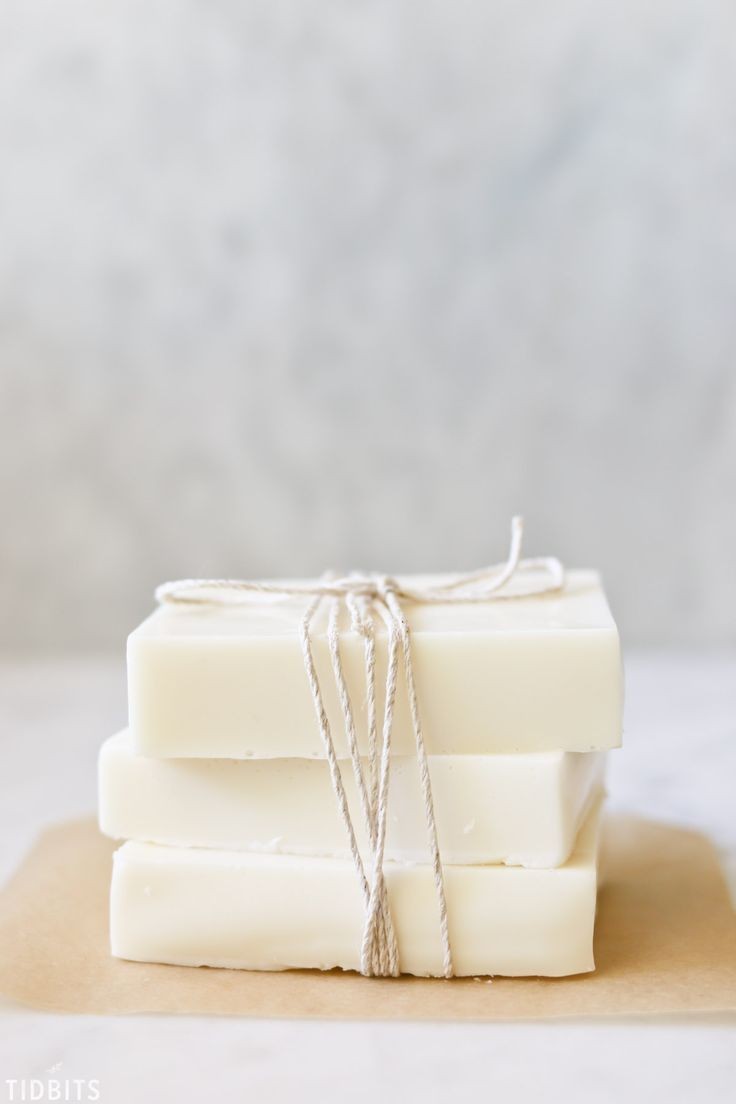
In summary, the real difference lies in how each soap interacts with your skin’s barrier. Regular soap may get you clean, but it often does so at the expense of your moisture balance. Goat milk soap cleanses while nourishing, making it a superior choice for those looking to maintain healthy-looking skin.
How Your Skin Type Affects the Choice
Your skin type plays a huge role in deciding which soap will actually help you. If you have dry or mature skin, goat milk soap is a game-changer. The natural fats and lactic acid help to soften dry patches and reduce the appearance of flakiness. The creamy lather doesn’t leave that uncomfortable tight feeling that regular soap often does. Many people with dry skin notice that they can skip moisturizer immediately after washing, though it’s still a good idea to apply one while skin is damp.
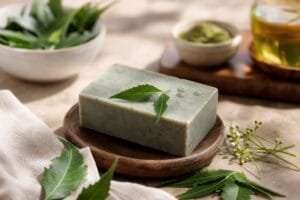
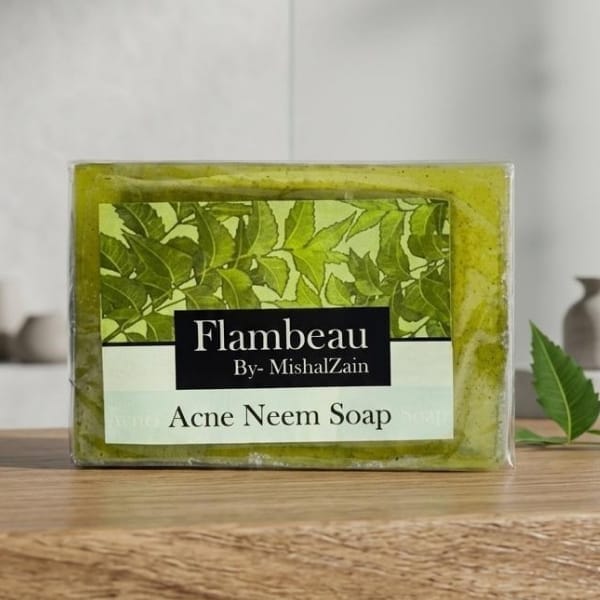
For oily or acne-prone skin, you might think you need a strong “deep cleaning” soap to cut through grease. But that’s a misconception. Harsh soaps strip away all oil, which actually triggers your skin to produce even more oil to compensate—leading to more clogged pores and breakouts. Goat milk soap, especially one formulated with neem, can help balance oil production while addressing bacteria. The Acne Neem Soap for Pimples, Oil Control & Deep Skin Cleansing combines the benefits of neem, known for its purifying properties, with the gentle base of goat milk. This is a smart option if you want to control shine without sacrificing moisture.
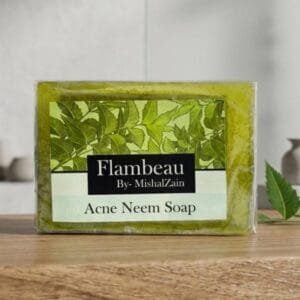
If you have sensitive skin that reacts to fragrances and dyes, goat milk soap is often a lifesaver. Many regular soaps contain artificial perfumes and preservatives that can cause redness, itching, or contact dermatitis. Goat milk soap is naturally low in these irritants, especially if you choose an unscented version. The lactic acid also helps to calm inflammation and support the skin’s natural healing process. For those with mild eczema, many find that switching to goat milk soap reduces flare-ups because it doesn’t disrupt the barrier further.
For combination skin, where the T-zone is oily but cheeks are dry, goat milk soap works well because it doesn’t over-dry the dry areas or over-stimulate the oily ones. It provides a balanced cleanse that leaves your whole face feeling comfortable. You can adjust how often you wash—once a day might be enough if you’re not heavily sweating.
Even for normal skin, goat milk soap is a wise choice because it maintains the skin’s natural pH and moisture barrier, which is key to preventing future issues. Using a regular soap may leave you “clean” now, but over time, the constant stripping can lead to premature signs of aging, like fine lines and dullness. Goat milk soap supports your skin’s long-term health, making it a worthy investment.
Ultimately, the best soap for you is one that respects your skin’s natural balance. If you’re currently using a bar that leaves your skin feeling tight or itchy, that’s a red flag. Switching to goat milk soap is a simple change that can have a profound effect on how your skin looks and feels.
How to Switch Without Shocking Your Skin
Switching from regular soap to goat milk soap isn’t complicated, but doing it right can help you avoid a temporary “purging” phase. First, always patch test first. Apply a small amount of the soap to a discrete area, like the inside of your forearm, and wait 24 hours to see if any adverse reaction occurs. This is especially important if you have sensitive skin. While goat milk soap is gentle, everyone’s skin is unique, and it’s better to be safe.
When you’re ready to make the switch, start slowly. Use the goat milk soap once a day for the first week, perhaps in the evening, and continue with your regular cleanser in the morning. This gives your skin time to adjust to the new pH and moisture levels. After a week, you can use it twice daily if your skin feels comfortable. Some people experience a mild breakout or increased oiliness initially, which is often just your skin recalibrating. Don’t panic—this usually settles within two to three weeks.
Use lukewarm water, not hot, to wash your face. Hot water strips lipids from your skin’s surface, which counters the benefits of the soap. Gently massage the lather in circular motions for about 30 seconds, then rinse thoroughly. Pat your skin dry with a soft towel—don’t rub, as that can cause irritation. Immediately follow with a moisturizer to lock in the hydration that the goat milk soap has just replenished.
If you’re using the goat milk soap as a body wash, the same principles apply. Focus on areas that tend to be dry, like your legs and arms, and avoid scrubbing too hard. For your face, you might want to use a separate, dedicated facial bar, as body bars can contain heavier oils that might feel too rich for facial skin. The Flambeauty goat milk soap works well for both, but if you have oily facial skin, the neem version might be more suitable.
Also, consider the rest of your routine. Goat milk soap is a cleanser, not a treatment. If you’re dealing with specific concerns like acne or dark spots, you’ll still need targeted serums or treatments. The soap creates a clean, balanced canvas, but it won’t magically erase scars. Pair it with a good moisturizer and sunscreen during the day to protect your skin.
Lastly, store your soap properly. Keep it in a well-draining soap dish so it doesn’t sit in water, which can cause it to soften and dissolve faster. A good bar can last several weeks, making it a cost-effective choice in the long run.
Common Mistakes That Undo the Benefits
Even with a great product, there are pitfalls that can reduce its effectiveness. One of the biggest mistakes is over-washing. Washing your face more than twice a day, or using the soap on every inch of your body multiple times daily, can strip away too much of your natural oils, even with a gentle soap. Your skin needs some oil to stay healthy. Stick to washing your face morning and night, and your body once a day unless you’ve been sweating excessively.
Another mistake is using water that’s too hot. Hot water opens pores, but it also removes essential lipids from the skin’s surface, leading to dehydration. Always use lukewarm or cool water. Similarly, rubbing your skin with a towel after washing causes friction that can irritate and micro-tear the skin. Pat dry instead.
Some people make the error of expecting goat milk soap to treat severe skin conditions like active acne or eczema on its own. While it can help manage symptoms, it’s not a medication. If you have a chronic condition, you should still consult a dermatologist. The soap can complement your treatment, but it shouldn’t replace prescribed creams or oral medications.
Another common mistake is choosing a “goat milk” soap that doesn’t actually contain enough milk. Many commercial bars use just a splash of milk for marketing purposes, but the rest is synthetic detergent. These bars can be just as drying as regular soap. To avoid this, read the label carefully. Look for “goat milk” near the top of the ingredient list, and avoid soaps with sodium lauryl sulfate or other harsh sulfates.
Also, don’t store your soap in a puddle. If you leave it in a wet dish, it will dissolve quickly, and you’ll waste product. Use a soap saver or a drainable dish. And don’t leave it in direct sunlight, which can degrade the milk fats and reduce the soap’s quality.
Finally, don’t forget that moisturizing is still essential. Goat milk soap helps your skin retain moisture, but it doesn’t add moisture from the outside. If you have dry skin, you still need a good moisturizer after washing. The soap simply makes your skin more receptive to moisturizers, so you get better results from your routine.
By avoiding these mistakes, you’ll get the full benefits of goat milk soap and see a noticeable improvement in your skin’s texture and appearance.
What to Look For When Choosing a Goat Milk Soap
Not all goat milk soaps are equal, so it’s important to know what to look for. First, check the ingredient list for the base oils. A good goat milk soap will typically contain olive oil, coconut oil, and possibly shea butter or cocoa butter. These oils provide different benefits: olive oil is moisturizing, coconut oil creates a rich lather, and shea butter adds extra softness. Avoid soaps that list “fragrance” or “parfum” unless they use essential oils, as synthetic fragrances can irritate sensitive skin.
The percentage of goat milk matters. Some artisans use 20% or more goat milk in their recipe, which is ideal. If the label doesn’t specify, look for the milk to be one of the first few ingredients. The higher the milk content, the more lactic acid and nutrients are present, which translates to better exfoliation and moisturization.
Consider the pH level. While you can’t easily test a bar at the store, the cold-process method typically results in a pH between 8 and 9, which is lower than commercial detergent bars (pH 9-10). Some brands even add extra lactic acid to bring the pH down closer to your skin’s natural level. If a brand mentions “pH balanced” on its label, that’s a good sign.
If you have acne-prone skin, look for a goat milk soap that includes antibacterial ingredients like neem. The Acne Neem Soap is a fantastic option because it combines the soothing properties of goat milk with neem’s purifying benefits. Neem has been used for centuries in South Asian skincare for its ability to help clear blemishes and calm redness.
Check for certifications or ethical practices. While not essential, soaps made by small batches or artisan producers often have higher quality and are more transparent about their ingredients. Also, consider sustainability. Many goat milk soaps come in minimal packaging, which is better for the environment.
Finally, trust your instincts. If the soap has a strong, artificial smell or a bright color that looks unnatural, it may have added dyes and perfumes that are unnecessary. A good goat milk soap often has a subtle, earthy scent from the milk and natural oils. If you’re in Pakistan, you’ll also need to consider the climate—humid weather can make a heavier soap feel greasy, so you might prefer a lighter formula.
Budget-Friendly Ways to Use Goat Milk Soap
If you’re on a budget, you might think that goat milk soap is an expensive luxury, but it can actually be quite economical. A single bar of quality goat milk soap, like the one from Flambeauty, often lasts 4-6 weeks with regular use if you store it properly. That’s comparable to a liquid cleanser that runs out in a month. Plus, because it’s a multi-purpose product, you can use it for both your face and body, which eliminates the need for separate cleansers.
To make it last even longer, cut the bar in half and use one half at a time. Keep the other half in a dry place until needed. This reduces the surface area exposed to water, so the soap doesn’t dissolve as quickly. Also, use a washcloth or a loofah to create a rich lather—this uses less soap than applying it directly to your skin.
You can also use goat milk soap as a shaving cream substitute. Its creamy lather provides a smooth glide, reducing irritation and razor burn. This saves you money on specialized shaving products. Just be sure to rinse your razor well after each pass.
For those who want to treat specific concerns, you can create a simple face mask by mixing a small amount of grated goat milk soap with honey and oatmeal. This gentle exfoliating mask can help brighten your skin without extra cost. However, this is a DIY option and should be patch tested before full application.
If you’re looking to try goat milk soap for the first time, start with a single bar and see how your skin responds. You can also check the Soaps category on the Flambeauty website to see their range, which includes options at different price points. Remember, a good bar is an investment in your skin’s health, and the benefits often outweigh the cost of dealing with dull, irritated skin caused by regular soap.
Finally, consider the environmental cost. Regular liquid body washes often come in plastic bottles that end up in landfills. Goat milk soap bars usually have minimal packaging, reducing plastic waste. So, by choosing goat milk soap, you’re saving money in the long run and helping the planet.
Realistic Results and How Long They Take
When you switch to goat milk soap, it’s important to have realistic expectations. You won’t see dramatic changes overnight. But within the first week, you might notice that your skin feels softer and less tight after washing. That’s because the soap’s glycerin and milk fats are immediately providing a layer of moisture. By the end of two weeks, many people report a more even skin tone and a reduction in dry patches. This is due to the gentle exfoliation from lactic acid, which helps shed dead skin cells that can make your complexion look dull.
For acne-prone skin, the benefits may take a little longer. Neem-based soaps need at least four to six weeks of consistent use to show a noticeable decrease in breakouts. That’s because it takes time for your skin to adjust its oil production and for the antibacterial properties to work. Be patient and don’t add extra harsh products to your routine, as that can cause irritation and make acne worse.
If you have hyperpigmentation or dark spots, goat milk soap can help fade them over time, but it’s not a spot treatment. The lactic acid gently exfoliates, which over a few months can improve the look of sun damage and post-acne marks. For faster results, you might combine it with a vitamin C serum, but that’s an extra step. The soap alone will provide gradual brightening.
It’s also important to note that goat milk soap is a cleanser, not a moisturizer. If you have chronically dry skin, you’ll still need to apply a moisturizer after washing to seal in hydration. The soap helps your skin hold onto moisture better, but it doesn’t replace a good moisturizer. In fact, many people find that they need less moisturizer than before, which is a nice cost-saving benefit.
In terms of long-term results, using goat milk soap consistently can help maintain your skin’s health. By not stripping your skin, you’re preserving its barrier function, which means fewer issues with sensitivity and premature aging. Over time, your skin will look plumper and more radiant because it’s better hydrated. This isn’t a miracle, but a simple, effective change to your routine.
Remember, everyone’s skin is different. What works for one person may not work for another. If after four weeks you don’t see any improvement, consider if you’re using the right variant for your skin type. For example, if you have very oily skin, the plain goat milk soap might feel too heavy—you might prefer the neem version. Or if you have dry skin, you might want to use the soap only at night and use a gentle cleanser in the morning.
Lastly, don’t forget to take a break if your skin feels irritated. Over-exfoliation is possible if you’re also using other exfoliating products. Listen to your skin. If it feels tight or itchy, reduce the frequency of use. Goat milk soap should feel comfortable, not stripping.
Beyond the Bar: Pairing Goat Milk Soap With a Healthy Routine
To truly get the most out of goat milk soap, you need to support it with a good overall skincare routine. First, always cleanse with lukewarm water and pat your skin dry. Then, within three minutes, apply a moisturizer to lock in the hydration. This is crucial, especially after washing, because your pores are open and your skin is most receptive.
If you’re using goat milk soap in the morning, follow with a broad-spectrum sunscreen. The lactic acid in the soap can make your skin more sensitive to the sun, so SPF is non-negotiable. In Pakistan, where the sun is intense for most of the year, this is especially important. Choose a lightweight moisturizer with SPF 30 or higher for daily protection.
At night, you can use goat milk soap as your first cleanse, and then follow with a treatment like a retinol or a vitamin C serum. The soap’s gentle exfoliation can actually help these products absorb better. Just be careful not to overdo it with other exfoliants on the same night. Listen to your skin—if you experience any stinging, cut back.
Your diet and lifestyle also play a role. Drinking plenty of water, eating a balanced diet rich in fruits and vegetables, and getting enough sleep will enhance the benefits of any skincare product. Goat milk soap helps your skin from the outside, but true radiance comes from within. Also, manage stress, as it can trigger breakouts and dullness.
If you’re new to a proper skincare routine, start simple. Goat milk soap, a moisturizer, and sunscreen are all you need for a solid foundation. You can gradually add serums and masks as your skin adjusts. Don’t feel pressured to buy every product on the market. Focus on what your skin actually needs.
For more tips on building an effective routine, you might enjoy reading our blog, which covers topics like getting the best from your vitamin C serum or managing hair fall. A holistic approach to beauty will give you the best results.
In the end, switching from regular soap to goat milk soap is a small change that can have a big impact on your skin’s health and appearance. By understanding how it works, choosing the right bar, and using it correctly, you’ll be on your way to softer, smoother, more balanced skin. And that’s something worth lathering up for.
Frequently Asked Questions
Is goat milk soap better for acne than regular soap?
Yes, goat milk soap is often better for acne because it cleanses without stripping moisture, which can trigger excess oil. Its lactic acid gently exfoliates and helps calm inflammation. For acne, a neem-infused goat milk soap can be especially helpful.
Can goat milk soap dry out my skin?
No, goat milk soap is typically moisturizing due to its natural fats and glycerin. It has a lower pH than regular soap, so it’s less likely to strip your skin. However, if you have very oily skin, you might prefer a formula with more cleansing ingredients, like neem.
How long does a bar of goat milk soap last?
A high-quality bar can last 4-6 weeks with daily use if you keep it in a well-draining soap dish. To extend its life, cut it in half and store the unused portion in a dry place.
Can I use goat milk soap on my face every day?
Yes, you can use it daily, but start with once a day to see how your skin reacts. After a week, you can increase to twice a day if your skin feels comfortable. Always follow with a moisturizer.
Written by Mishal Rehman, owner of Flambeauty — sharing practical, professional beauty and skincare guidance.
Updated: August 2026