Gram flour, or besan, is a staple of traditional Pakistani skin care. For centuries, it has been used as a gentle exfoliant and brightening agent that absorbs excess oil. Its versatility makes it a natural ingredient worth trying for a radiant complexion.
Gram flour, commonly known as besan, is a staple in Pakistani kitchens and a cornerstone of traditional skin care. For centuries, women have used it as a gentle exfoliant, brightening agent, and oil-absorber to achieve a naturally radiant complexion without harsh chemicals. Its versatility and effectiveness make it a must-try natural ingredient.
What Makes Gram Flour a Skin Care Superfood?
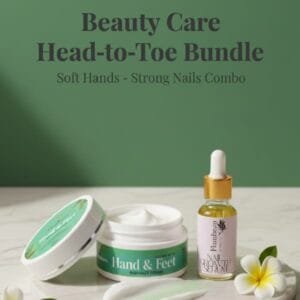
Gram flour is made from ground chickpeas, and its skin benefits come from its unique nutritional profile. It is packed with protein, which helps repair skin cells and maintain elasticity. The zinc content in besan can soothe inflammation and reduce acne-causing bacteria, while its mild lactic acid gently exfoliates dead skin cells, revealing a brighter layer underneath. Unlike harsh scrubs, besan’s fine powder sloughs off impurities without scratching the skin, making it suitable even for sensitive skin types. Additionally, its oil-absorbing properties are a godsend in Pakistan’s humid climate, where excess sebum can lead to clogged pores and breakouts. Many women in Lahore, Karachi, and Islamabad have passed down recipes combining besan with yogurt, turmeric, or rose water for a customized glow. For a complete head-to-toe beauty routine, you can pair your besan mask with the Beauty Care Head-to-Toe Bundle to nourish your hands, feet, and nails after masking.
Traditional Besan Face Masks for Every Skin Concern
Traditional besan masks are tailored to address specific skin issues while respecting the ingredient’s natural properties. For oily and acne-prone skin, mix 2 tablespoons of besan with 1 tablespoon of raw honey and a few drops of lemon juice. Honey is antimicrobial, and lemon juice adds astringent benefits, but always patch test lemon on a small area first to avoid irritation. For dry skin, combine besan with full-fat yogurt and a pinch of turmeric. Yogurt’s lactic acid gently exfoliates while its fats moisturize, and turmeric brightens without staining when used in small amounts. For brightening and uneven tone, a paste of besan and milk (or rose water) left on for 15 minutes can help fade sun spots and tan lines—a common concern in Pakistan’s sunny climate. For sensitive skin, use besan with plain water or aloe vera gel to avoid potential irritants. Always apply the mask in a thin, even layer and let it dry slightly but not completely; rinsing with lukewarm water prevents dryness. After removing, follow with a light moisturizer like the Skin Care range from Flambeauty to lock in hydration.
Step-by-Step Guide to Using Gram Flour for Glowing Skin
Using besan correctly is key to reaping its benefits without side effects. Start by selecting fine, fresh besan—avoid coarse or stale flour, which can be too abrasive. For a basic mask, take 1-2 tablespoons of besan and add enough liquid (water, milk, yogurt, or rose water) to form a smooth, spreadable paste. If you have dry skin, add a teaspoon of honey or a few drops of olive oil for extra moisture. Apply the mask to clean, damp skin using your fingertips or a brush, avoiding the eye area. Leave it on for 10-15 minutes—do not let it dry completely, as that can strip natural oils. When rinsing, use gentle circular motions to exfoliate, then splash with cool water to close pores. Pat dry and apply a moisturizer. For best results, use besan masks 2-3 times per week. If you have very sensitive skin, limit to once weekly. You can also incorporate besan into your daily wash: mix a pinch with your regular cleanser for a gentle scrub. Remember, consistency matters more than quantity—one mask won’t transform your skin, but regular use over weeks can improve texture and tone. For more tips, check out related posts on Unlock Real Results from Your Vitamin C Serum and How to Make Your Makeup Last in Hot, Humid Weather.
Common Mistakes to Avoid with Besan
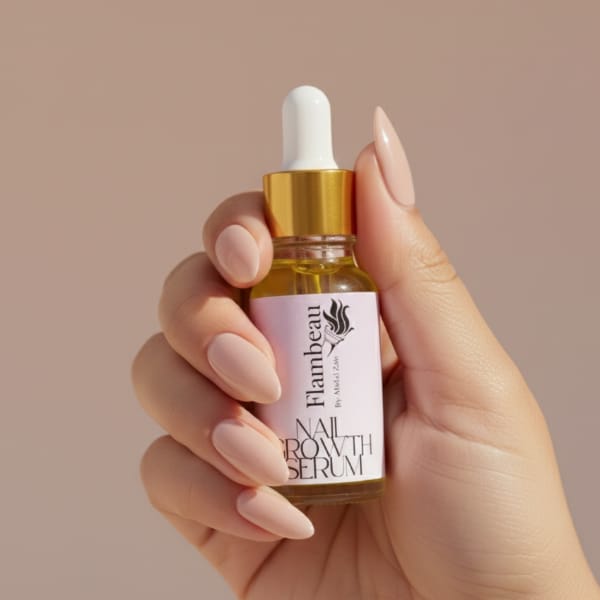
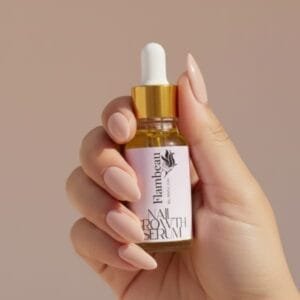
Even a natural ingredient like besan can cause issues if misused. One common mistake is using too much water, which makes the paste runny and ineffective. Aim for a thick, spreadable consistency that doesn’t drip. Another error is leaving the mask on for too long—besan can harden and pull moisture from the skin if left beyond 20 minutes. Always rinse before it becomes brittle. Some people add too much turmeric, which can stain the skin yellow temporarily; a pinch is sufficient. Avoid using besan on open wounds or active acne pustules, as the friction may spread bacteria. Also, always patch test new besan masks on your jawline or inner arm, especially if you have known allergies to chickpeas or legumes. If you experience redness or itching, discontinue use. Lastly, do not scrub aggressively when rinsing—gentle circular motions are enough. For a holistic approach, consider complementing your besan routine with the Nail Growth Serum – Helps Nails Grow Stronger, Healthier to care for your nails while you pamper your skin.
Choosing the Best Besan and Storing It
Not all besan is created equal. For skin care, opt for organic, stone-ground besan from a reputable brand or local mill. The texture should be fine and silky—coarse flour can be too harsh. Check the color: good besan is pale yellow, not greyish, which indicates rancidity. Smell it: fresh besan has a nutty, earthy aroma; any musty or sour smell means it’s old. Store besan in an airtight container in a cool, dark place, or refrigerate it in humid climates like Pakistan’s monsoon season to prevent mold. Avoid buying in bulk unless you use it quickly. If you have leftover besan from cooking, do not use it for skin care if it has been exposed to moisture or heat. For a pampering session, you can also use besan in hair masks for scalp health, but keep the paste away from your eyes. For more skin care wisdom, explore the Flambeauty blog for articles on natural beauty and modern routines.
Besan for Different Skin Types: A Quick Guide
Because besan is naturally balancing, it can be adapted for all skin types with the right additions. For oily skin: mix besan with multani mitti (fuller’s earth) and rose water for a mattifying mask. For dry skin: combine besan with mashed avocado or banana and a splash of milk for extra nourishment. For combination skin: use besan with yogurt on the T-zone and a richer paste on cheeks. For acne-prone skin: add a drop of tea tree oil or a pinch of cinnamon to the besan paste—but test first, as cinnamon can irritate. For sensitive skin: stick to plain besan and water or aloe vera, and reduce frequency to once a week. Remember, always patch test any new combination. If you experience any reaction, skip the add-in and use plain besan. For a complete skincare regimen, check out the Skin Care category for products that complement natural routines.
How Besan Compares to Modern Exfoliants
Besan offers a gentle, physical exfoliation that is less abrasive than many store-bought scrubs containing crushed walnut shells or plastic microbeads. Its fine granules dissolve slightly when wet, reducing the risk of micro-tears. Moreover, besan’s chemical exfoliation from natural enzymes and mild acids makes it a dual-action ingredient. However, for deeper exfoliation or specific concerns like hyperpigmentation, you may want to combine besan with a chemical exfoliant like a vitamin C serum. The Unlock Real Results from Your Vitamin C Serum post explains how to layer these for optimal results. As per the American Academy of Dermatology, gentle exfoliation 2-3 times a week is sufficient for most skin types, and besan fits this guideline perfectly. For hot, humid weather, besan masks help control shine without stripping the skin, making them ideal for Pakistani summers. Pair with a lightweight moisturizer to maintain balance.
Frequently Asked Questions
Can I use besan on my face every day?
It's best to use besan masks 2-3 times a week. Daily use may over-exfoliate and strip natural oils, leading to dryness or irritation.
Does besan help with acne?
Yes, besan's zinc and gentle exfoliation can help reduce acne-causing bacteria and unclog pores when used in a mask with honey or yogurt.
Can besan lighten dark spots?
Regular use of besan with milk or yogurt may help fade dark spots over time due to its mild exfoliating and brightening properties, but results vary.
Is besan safe for sensitive skin?
Yes, besan is generally safe for sensitive skin if used with water or aloe vera. Always patch test before applying to your face.
Written by Mishal Rehman, owner of Flambeauty — sharing practical, professional beauty and skincare guidance.
Updated: July 2026