
Start with a matte, oil-free primer and use long-wear, waterproof formulas. Set your look with powder and a setting spray, then blot throughout the day instead of reapplying. Skip heavy creams and powder on oily areas, since high humidity breaks makeup down fast.
To make your makeup last in hot, humid weather, start with a matte, oil-free primer, use long-wear and waterproof formulas, set with powder and a setting spray, and blot throughout the day. Avoid heavy creams and skip powder on oily areas—instead, use blotting papers for shine control.
Why Humidity Wrecks Your Makeup
High humidity causes excess oil production and sweat, which break down foundation, concealer, and eyeshadow. The moisture in the air can make powders cakey and creams slide off. In Pakistan’s summer, temperatures often exceed 40°C with humidity above 70%, making it a challenge to maintain a fresh face. Understanding this helps you choose the right products and prep techniques.
When you sweat, the water mixes with your skincare and makeup, diluting pigments and disrupting adhesion. Oil from your skin can also dissolve the binders in makeup, causing it to separate. That’s why a mattifying primer is your first line of defense. Always use a mattifying primer on your T-zone and areas prone to oiliness. Look for ingredients like silica or kaolin clay that absorb excess sebum.
Another factor is the humidity itself—water vapor in the air can cause powder products to clump or oxidize. That’s why you might notice your foundation turning orange or your blush disappearing by midday. To combat this, choose oil-free and water-resistant formulas for foundation, concealer, and even eyeshadow. Many brands now offer “humidity-proof” collections, but you can also DIY by layering a setting spray between steps.
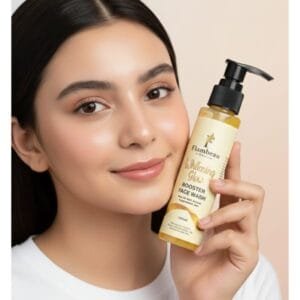
Don’t forget your skincare routine underneath. A lightweight, gel-based moisturizer is better than a heavy cream. Use a Whitening Face Wash – Brightening & Deep Cleansing to keep your skin clean and balanced. Clean skin helps makeup adhere better. Exfoliate once or twice a week to remove dead skin cells that can cause patchiness. And always allow each layer to dry completely before applying the next—this builds a stable base.
Finally, consider the environment. If you’re outdoors, a hat or umbrella can shield your face from direct sun and reduce sweating. Inside, fans or air conditioning help. But even with these measures, your makeup needs extra support. That’s where long-wear and transfer-resistant products come in. They are formulated with film-forming polymers that create a flexible, breathable layer that holds pigments in place despite moisture.
In summary, humidity is your makeup’s enemy, but with the right prep and products, you can outsmart it. Focus on controlling oil, using water-resistant formulas, and setting everything thoroughly. Your makeup will stay put longer, even in the stickiest weather.
Step-by-Step Routine for Long-Lasting Makeup
Start with a clean, moisturized face. Apply a mattifying primer all over, focusing on the T-zone. Let it set for 1-2 minutes. Then, use a lightweight, long-wear foundation—preferably a matte finish. Apply with a damp sponge for a thin, even layer. Build coverage only where needed to avoid heaviness.
Next, set your foundation with a translucent powder. Use a fluffy brush to dust powder over your entire face, then press it in with a sponge for extra adhesion. This step is crucial for controlling oil. For concealer, apply under eyes and on blemishes, then immediately set with a tiny bit of powder before it dries.
For eyes, use an eyeshadow primer or a dab of concealer as a base. Apply cream eyeshadows first, then set with powder shadows. Waterproof eyeliner and mascara are non-negotiable—smudged liner is a common humidity casualty. Always use waterproof mascara to prevent raccoon eyes. For brows, a tinted brow gel or pomade stays longer than powder.
Blush and bronzer should be cream formulas set with powder, or just powder. Apply blush to the apples of your cheeks and blend upward. Bronzer on the perimeter of your face adds warmth without looking greasy. For highlighter, choose a powder with a subtle shimmer—avoid chunky glitter that can emphasize pores.
Finish with a setting spray. Hold it 8-10 inches from your face and mist in an X and T pattern. Let it dry naturally—do not fan or blot. Setting sprays often contain polymers that form a protective film. Reapply setting spray throughout the day if you’re out for hours, but only a light mist to refresh without disturbing makeup.
Throughout the day, blot excess oil with blotting papers or a tissue. Press, don’t rub. If you need to touch up, use a powder compact—but only on areas that have gotten shiny. Avoid adding more foundation, as layers can cake. Carry a mini setting spray for a quick refresh. With this routine, you can maintain a matte, flawless look even in Karachi’s humidity.
Best Products and Ingredients for Humidity
When shopping for makeup that lasts in humidity, look for keywords like “long-wear,” “waterproof,” “transfer-resistant,” and “matte.” Ingredients like dimethicone create a smooth, water-repellent barrier on skin. Silica and nylon-12 absorb oil and blur pores. Acrylates copolymer is a film-forming agent that helps makeup adhere and resist sweat.
Foundations with a matte finish and high coverage tend to last longer. Tinted moisturizers or BB creams often slide off in humidity, so stick to liquid or powder foundations labeled “24-hour wear.” For concealer, choose a waterproof, full-coverage formula—preferably in a pot rather than a wand, as pot formulas are thicker and more durable.
Primers are your best friend. A mattifying primer with salicylic acid can also help control oil over time. For eyes, a dedicated eyeshadow primer is essential—it prevents creasing and fading. Look for primers with a tacky feel that grip eyeshadow. Cream eyeshadows from brands like MAC or Bobbi Brown are excellent bases.
Setting powders with rice starch or kaolin clay are excellent for oil control. Avoid powders with shimmer or glitter, as they can catch light and emphasize texture. A finely milled translucent powder is best. For setting sprays, choose one with a matte finish that contains alcohol—it evaporates quickly and helps lock makeup. However, if you have dry skin, use a hydrating setting spray with glycerin instead.
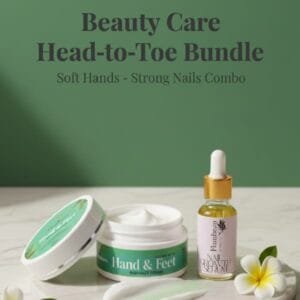
Don’t forget your lips. Liquid lipsticks with a matte finish are more transfer-resistant than bullet lipsticks. Apply, blot, and reapply for longevity. Lip liners can also anchor color. If you prefer gloss, use a lip stain underneath. For a complete head-to-toe beauty care routine, consider the Beauty Care Head-to-Toe Bundle to keep your hands and feet looking great too.
Finally, remember that skin prep matters. Use a mattifying moisturizer and a sunscreen that dries down matte. Many sunscreens now come in gel or watery textures that absorb quickly. Combine these with your long-wear makeup for a full-day look. Check out our blog for more tips on reducing shine on oily skin throughout the day.
Common Mistakes That Cause Makeup to Melt
One of the biggest mistakes is using too much moisturizer or a heavy cream before makeup. This creates a slippery base that foundation can’t grip. Instead, use a lightweight gel moisturizer and wait 5 minutes before applying primer. Another mistake is skipping primer altogether—primer fills pores and creates a barrier between skin and makeup.
Applying foundation with your fingers can also reduce longevity. Fingers transfer oils to your face and can disturb the product’s film. Use a damp sponge or a dense brush for a smooth, thin application. Never apply foundation in thick layers—thin layers dry faster and adhere better. Build coverage only where needed.
Over-powdering is another pitfall. Dusting too much powder can look cakey and actually absorb moisture from the air, causing makeup to crack. Use a light hand and only powder areas that get oily. For the rest of your face, a setting spray is enough. Also, avoid using a setting powder that contains talc if you have dry patches—it can cling to dryness.
Many people forget to let each layer dry. Applying cream blush over a damp foundation will mix the two, causing patchiness. Wait 30-60 seconds between layers. Similarly, don’t apply setting spray immediately after powder—let the powder settle for a minute. Patience is key for a long-lasting finish.
Touching your face throughout the day is a major culprit. Your hands have oils and bacteria that can break down makeup. If you need to adjust something, use a clean brush or sponge. Blotting papers are better than powder for removing shine without adding layers. And avoid reapplying concealer over already creased areas—instead, gently tap with a finger to blend.
Finally, using the wrong sunscreen can sabotage your look. Chemical sunscreens can be greasy and cause makeup to slide. Opt for a matte, mineral sunscreen with zinc oxide or titanium dioxide. These also provide a physical barrier. For more on gentle ingredients, read our post on why witch hazel is a natural, gentle toner for healthy skin.
How to Adapt Your Routine for Different Skin Types
Oily Skin
If you have oily skin, your main goal is to control sebum. Use a mattifying primer with salicylic acid. Apply a matte, long-wear foundation and set with a loose powder. Carry blotting papers and a pressed powder for touch-ups. Avoid creamy products—stick to powders for blush, bronzer, and eyeshadow. Blot before you powder to avoid cakey buildup. Use a setting spray with a matte finish.
Dry Skin
Dry skin can still suffer in humidity because sweat can cause makeup to separate. Focus on hydration but with lightweight products. Use a hydrating primer that is oil-free. Choose a dewy finish foundation but set it with a light dusting of powder only on the T-zone. Use a hydrating setting spray with glycerin or aloe vera to keep skin looking fresh. Avoid matte foundations as they can emphasize dry patches.
Combination Skin
Combination skin needs a balanced approach. Use a mattifying primer on the T-zone and a hydrating primer on cheeks. Apply foundation all over, then powder the T-zone lightly. Carry blotting papers for the nose and forehead. Use a setting spray that is not too matte or too dewy—a natural finish works best. Target your products to specific areas rather than using one formula everywhere.
Sensitive Skin
For sensitive skin, avoid fragrances and alcohol-heavy products. Use a mineral makeup line that is non-comedogenic. Stick to a simple routine: primer, foundation, powder, and setting spray that are hypoallergenic. Always patch test new products to avoid reactions. Use a gentle cleanser like the Whitening Face Wash to prep skin without irritation. For more skincare basics, refer to the American Academy of Dermatology.
Quick Fixes for Midday Makeup Emergencies
Even with the best prep, humidity can still win sometimes. Keep a small emergency kit: blotting papers, a pressed powder, a mini setting spray, and a lipstick. If your foundation starts to look patchy, gently blot the oily areas, then use a damp sponge to blend the edges without adding more product. Never rub or wipe—that will remove makeup.
For eyeshadow creasing, use your finger to gently tap the crease and blend the color back out. Then dust a tiny bit of translucent powder over the lid to reset. If mascara smudges, wait for it to dry completely, then use a dry cotton swab to flick away the flakes. Do not use water—it will smear further.
Lipstick bleeding can be fixed by applying a bit of concealer around the lip line with a brush. Blot the lipstick with a tissue, then reapply. For a quick refresh, mist your face with setting spray and let it dry. This can revive a tired look. If all else fails, remove your makeup with a gentle wipe and start fresh with a minimal look—tinted moisturizer, mascara, and lip balm.
Remember, less is more in extreme humidity. A lighter base is less likely to melt. Focus on eyes and lips to draw attention away from any shine. And always carry a backup plan—a small bag with essentials can save your day. With these tips, you can enjoy Pakistan’s summer without worrying about your makeup.
Frequently Asked Questions
What is the best primer for humid weather?
A mattifying primer with ingredients like silica or kaolin clay is best. It controls oil and creates a smooth base for makeup.
Can I use setting spray instead of powder?
Setting spray helps lock makeup, but powder is still needed to absorb oil. Use both for best results: powder first, then setting spray.
How often should I blot my face in humidity?
Blot whenever you feel shine or sweat, usually every 2-3 hours. Use blotting papers, not tissues, to avoid disturbing makeup.
Is waterproof makeup necessary for humid weather?
Yes, especially for mascara and eyeliner. Waterproof formulas resist sweat and humidity, preventing smudging and raccoon eyes.
Written by Mishal Rehman, owner of Flambeauty — sharing practical, professional beauty and skincare guidance.
Updated: July 2026