Discover a gentle skincare routine for sensitive, easily irritated skin. Learn which ingredients to use, which to avoid, and how to build a calming daily...
For sensitive, easily irritated skin, a gentle routine with fewer steps works best: use a mild, fragrance-free cleanser, a soothing moisturizer, and a mineral sunscreen daily. Avoid harsh exfoliants, alcohol, and essential oils. Introduce new products one at a time, and always patch test first to minimize reactions.
Understanding Sensitive Skin: What It Is and What Triggers It
Sensitive skin isn’t a medical diagnosis; it’s a description of skin that reacts more easily to products, weather, or stress. If your skin stings, burns, itches, or turns red shortly after applying something, you likely have sensitive skin. This reactivity can be caused by a compromised skin barrier, which is the outermost layer that keeps irritants out and moisture in. When the barrier is weakened, even gentle products can cause discomfort.
Common triggers include harsh cleansers, exfoliating acids, alcohol, synthetic fragrances, essential oils, and physical scrubs. Environmental factors like sun exposure, wind, and pollution also play a role. In Pakistan, the intense sun, high humidity in some regions, and dust can further aggravate sensitive skin. That’s why a minimalist, soothing routine is key.
It’s important to distinguish sensitivity from allergies. A true allergy causes a reaction every time you encounter a specific ingredient, while sensitivity is often a cumulative effect. If you suspect an allergy, consult a dermatologist. For most people, though, the solution is to simplify and choose products designed for reactive skin.
Always patch test first when trying a new product, especially if your skin is highly reactive. Apply a small amount behind your ear or on your inner forearm and wait 24-48 hours to see if any irritation develops.
What Your Sensitive Skin Actually Needs: Ingredients and Product Types
When building a routine for sensitive skin, focus on products that cleanse without stripping, moisturize without clogging, and protect without irritating. Here are the key categories and ingredients to look for.
Cleansers
Choose a fragrance-free, sulfate-free cleanser with a low pH. Cream or lotion cleansers are gentler than foaming ones. Ingredients like glycerin, ceramides, and colloidal oatmeal help maintain moisture. Avoid cleansers with alcohol, menthol, or exfoliating beads.
Moisturizers
A good moisturizer for sensitive skin should contain ceramides, hyaluronic acid, or niacinamide. Ceramides repair the barrier, hyaluronic acid hydrates, and niacinamide soothes redness. Look for thick creams or balms if your skin is dry, or lightweight lotions if it’s oily. Avoid added fragrances and essential oils.
Sunscreens
Mineral sunscreens with zinc oxide or titanium dioxide are less likely to irritate than chemical sunscreens. They sit on top of the skin and deflect UV rays. If you prefer chemical sunscreens, choose ones with newer filters like Tinosorb S or Mexoryl SX, which are less irritating. Always check for alcohol and fragrance.
Treatments
If you want to address specific concerns like dullness or acne, introduce active ingredients cautiously. Lactic acid is a gentle exfoliant, while azelaic acid helps with redness and acne. Niacinamide is well-tolerated and can improve tone. Avoid strong retinoids and high-concentration vitamin C initially; start with lower percentages and buffer with moisturizer.
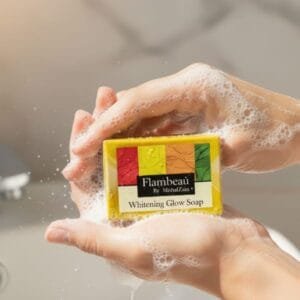
For a gentle brightening option, you might consider a product like Whitening Glow Soap, but be sure to test it first. Remember, even natural soaps can be drying. Always follow with a moisturizer.
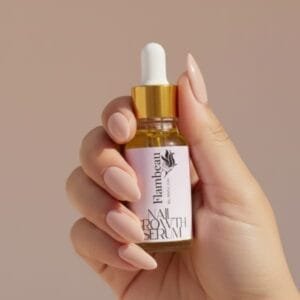
Your nails can also be sensitive, especially if you use harsh hand soaps. A nourishing product like Nail Growth Serum – Helps Nails Grow Stronger, Healthier can support nail health without irritation.
Step-by-Step Routine for Sensitive Skin
A simple, consistent routine is better than a complex one. Here’s a day and night plan that minimizes irritation.
Morning Routine
Step 1: Cleanse gently. If your skin is very dry, you can skip cleansing in the morning and just rinse with lukewarm water. Otherwise, use a mild cleanser. Pat dry with a soft towel—don’t rub.
Step 2: Moisturize. Apply a soothing moisturizer while skin is still damp to lock in hydration. Look for ceramides or hyaluronic acid.
Step 3: Protect. Apply a broad-spectrum mineral sunscreen with SPF 30 or higher. This is non-negotiable, even on cloudy days. Sun exposure can worsen sensitivity and redness.
Evening Routine
Step 1: Remove makeup and sunscreen. Use a gentle micellar water or cleansing balm, then follow with your mild cleanser. Avoid makeup wipes, which can tug at the skin.
Step 2: Treat (optional). If you use a serum, apply it now. For sensitive skin, a hydrating serum with hyaluronic acid or a calming serum with centella asiatica is ideal. If you’re using an active like lactic acid, start with once a week.
Step 3: Moisturize. Apply a slightly richer moisturizer at night to support repair while you sleep. You can also use a facial oil like squalane if your skin tolerates it.
Step 4: Eye cream (optional). The eye area is delicate; use a fragrance-free eye cream if needed.
Consistency is key. Don’t change products frequently. If your skin is calm, you can gradually add more steps, but always listen to your skin.
For more tips on building a routine, check out our blog archive.
Common Mistakes That Irritate Sensitive Skin
Even with good intentions, it’s easy to make mistakes that trigger irritation. Here are the most common ones and how to avoid them.
Over-Cleansing
Washing your face more than twice a day or using hot water strips natural oils and damages the barrier. If your skin feels tight after cleansing, your cleanser is too harsh. Learn more about why over-cleansing backfires in our post Over-Cleansing and Oily Skin: Why More Washing Backfires.
Using Too Many Actives
Layering multiple exfoliants, retinoids, and vitamin C can overwhelm sensitive skin. Introduce one active at a time and use it no more than 2-3 times a week. Never mix retinoids with acids in the same routine.
Ignoring Product Labels
Many products labeled “gentle” or “natural” still contain irritants like essential oils, alcohol, or fragrance. Always read the ingredient list. Look for terms like “fragrance-free” and “hypoallergenic.”
Skipping Sunscreen
UV rays weaken the skin barrier and increase sensitivity. Even if you’re indoors, if you’re near a window, apply sunscreen. Mineral formulas are less likely to sting.
Over-Exfoliating
Physical scrubs and harsh acids can cause micro-tears and inflammation. For sensitive skin, gentle chemical exfoliants like lactic acid are better, but use them sparingly—once a week at most.
Not Patch Testing
As mentioned earlier, always patch test first. This simple step can save you from a full-face reaction.
If you’re unsure about a product, consult a dermatologist or visit our Skin Care category for gentle options.
How to Choose Products for Sensitive Skin
When shopping for sensitive skin, the ingredient list matters more than the marketing claims. Here’s what to look for and what to avoid.
Look for These Ingredients
Ceramides: Strengthen the skin barrier. Hyaluronic acid: Hydrates without irritation. Niacinamide: Reduces redness and strengthens the barrier. Centella asiatica (cica): Calms inflammation. Colloidal oatmeal: Soothes itching and irritation. Shea butter: Moisturizes and protects.
Avoid These Ingredients
Alcohol denat: Dries and irritates. Fragrance/parfum: Common allergen. Essential oils (e.g., lavender, citrus): Can cause reactions. Physical exfoliants (scrubs): Cause micro-tears. High-concentration acids: Overwhelm the skin. Sulfates: Strip natural oils.
Product Format Matters
Creams and lotions are generally gentler than gels or foams. Stick to products with few ingredients—the shorter the list, the lower the risk of irritation. Packaging with pumps or airless bottles reduce contamination.
Read Reviews and Do a Patch Test
Even products marketed for sensitive skin can cause reactions. Check reviews from people with similar skin. And always, patch test first.
For a nighttime repair option, see our post on the Best Night Serum for Repairing Skin While You Sleep.
Adapting Your Routine for Different Sensitive Skin Types
Sensitive skin isn’t one-size-fits-all. Your skin type—dry, oily, combination, or acne-prone—affects how you should tailor your routine.
Dry Sensitive Skin
Focus on rich, barrier-repairing moisturizers with ceramides and shea butter. Use a cream cleanser and avoid foaming ones. Add a hydrating serum with hyaluronic acid. At night, seal in moisture with a facial oil like squalane or rosehip oil (if tolerated).
Oily Sensitive Skin
Choose lightweight, oil-free moisturizers with niacinamide or hyaluronic acid. Use a gentle foaming cleanser if needed, but don’t over-wash. Avoid heavy creams that can clog pores. For acne, use azelaic acid or a low-strength salicylic acid (0.5%) sparingly.
Combination Sensitive Skin
You may need to use different products on different zones. For example, a richer moisturizer on cheeks and a lighter one on the T-zone. Keep your routine simple and adjust as needed.
Acne-Prone Sensitive Skin
This is tricky because acne treatments can irritate. Use a gentle cleanser with 2% zinc pyrithione or a mild salicylic acid wash. Spot treat with benzoyl peroxide (2.5%) only on affected areas. Moisturize with a non-comedogenic lotion. Avoid scrubbing.
Regardless of your type, always introduce new products one at a time and patch test first. For more personalized advice, explore our Skin Care category.
Building a Long-Term Sensitive Skin Strategy
Sensitive skin requires ongoing care, not just a quick fix. Here are habits to maintain healthy, calm skin over time.
Keep a Skin Diary
Track what you use and how your skin reacts. This helps identify triggers. Note weather, diet, and stress levels too—they can affect sensitivity.
Simplify Your Routine
Stick to the basics: cleanse, moisturize, protect. Add treatments only when necessary. The fewer products, the fewer chances of irritation.
Be Patient
Improving sensitive skin takes time. Don’t expect overnight results. Give a new product at least two weeks before deciding if it works.
Manage Stress
Stress can exacerbate skin sensitivity. Practice relaxation techniques like deep breathing, yoga, or meditation. Get enough sleep.
Protect Your Skin Barrier
Avoid extreme temperatures, wind, and pollution. Use a scarf in winter and a hat in summer. Drink plenty of water. Eat a balanced diet rich in omega-3s and antioxidants.
For authoritative guidance on skin care basics, refer to the American Academy of Dermatology.
Remember, consistency and gentleness are your best tools. With the right routine, your sensitive skin can become more resilient and comfortable.
Frequently Asked Questions
Can I use essential oils if I have sensitive skin?
It's best to avoid essential oils, as they are common irritants and allergens. Even natural oils like lavender or citrus can cause reactions. Stick to fragrance-free products instead.
How often should I exfoliate sensitive skin?
If you exfoliate, do it gently and no more than once a week. Use a mild chemical exfoliant like lactic acid, and always follow with a moisturizer. Stop if you notice redness or stinging.
What should I do if a product stings my skin?
Rinse it off immediately with lukewarm water. Apply a soothing moisturizer or pure aloe vera gel. Avoid using that product again and patch test any new ones.
Is mineral sunscreen better for sensitive skin?
Yes, mineral sunscreens with zinc oxide or titanium dioxide are less likely to cause irritation because they sit on top of the skin and don't contain chemical filters that can sting.
Written by Mishal Rehman, owner of Flambeauty — sharing practical, professional beauty and skincare guidance.
Updated: September 2026