Stress can trigger temporary hair shedding. Learn how to reduce hair fall caused by stress with practical tips, products, and lifestyle changes for...
To reduce stress-related hair fall, focus on lowering stress through sleep, diet, and exercise, while supporting scalp health with gentle care and nourishing oils. Consistent, patient effort over 3–6 months typically restores normal shedding as stress hormones settle and hair follicles re-enter the growth phase.
Understanding the Link Between Stress and Hair Fall
Stress is an unavoidable part of life, but when it becomes chronic, it can wreak havoc on your body—including your hair. The connection between stress and hair loss is well-documented. When you’re under constant pressure, your body releases cortisol, the primary stress hormone. Elevated cortisol levels can disrupt the normal hair growth cycle, pushing more follicles than usual into the resting (telogen) phase. This condition is known as telogen effluvium, and it typically causes diffuse shedding—hair falling out from all over the scalp, not just in one patch.
What makes stress-induced hair fall tricky is the delay. You might go through a stressful period—a job loss, a difficult exam season, a family crisis—and notice your hair thinning two to three months later. By then, the stressful event may be over, but your hair is still catching up. This lag often confuses people, making them think the hair fall is random or due to something else. Recognizing this timeline is the first step toward addressing it effectively.
It’s also important to distinguish stress-related shedding from other types of hair loss. Androgenetic alopecia (pattern baldness) is genetic and progressive, while alopecia areata is an autoimmune condition that causes smooth, round patches. Telogen effluvium, on the other hand, is temporary and reversible once the stressor is removed. That said, chronic stress can exacerbate genetic hair loss, so managing stress is beneficial regardless of the underlying cause.
In Pakistan, where daily life often involves juggling work, family, and financial pressures, stress-induced hair fall is particularly common. Add environmental factors like pollution and harsh weather, and your hair has a lot to contend with. The good news is that you can take concrete steps to reduce stress and support your hair’s recovery. Patience is key—hair grows slowly, and reversing shedding takes time.
Practical Steps to Reduce Stress and Promote Hair Regrowth
Reducing stress isn’t about eliminating it entirely—that’s impossible. Instead, it’s about building resilience and incorporating habits that help your body recover. Start with sleep. Aim for 7–9 hours of quality sleep each night. During deep sleep, your body repairs itself, including hair follicles. Create a relaxing bedtime routine: dim the lights, put away screens, and maybe enjoy a cup of chamomile tea. If you struggle with sleep, try keeping a consistent schedule and making your bedroom a cool, dark sanctuary.
Next, look at your diet. Stress depletes nutrients like B vitamins, vitamin C, and magnesium, which are essential for healthy hair. Ensure you’re eating a balanced diet rich in lean proteins, iron, zinc, and biotin. Foods like eggs, spinach, lentils, and nuts are excellent choices. In Pakistan, daal, palak, and yogurt are affordable staples that support hair health. Consider a multivitamin if your diet is lacking, but always consult a doctor before starting supplements.
Exercise is another powerful stress reliever. Physical activity releases endorphins, which improve mood and reduce cortisol. You don’t need an intense gym session; a brisk 30-minute walk, yoga, or even dancing around your living room can help. Yoga, in particular, combines movement with breathwork, which calms the nervous system. Poses like forward folds and legs-up-the-wall are especially soothing.
Mindfulness and meditation are also effective. Even 10 minutes of quiet breathing or guided meditation daily can lower stress hormones. Apps like Calm or Headspace offer short sessions, but you can also simply sit quietly and focus on your breath. If you’re religious, prayer or reciting duas can serve as a meditative practice, providing comfort and perspective.
Finally, don’t underestimate the power of social connection. Talking to a trusted friend or family member about your worries can lighten the emotional load. In Pakistani culture, family support is a strength—lean on it. If stress feels overwhelming, consider speaking to a therapist or counselor. Mental health is just as important as physical health, and seeking help is a sign of strength.
Gentle Hair Care Practices to Minimize Shedding
While you work on reducing stress internally, treat your hair with extra care externally. Harsh handling can pull out hair that’s already in a fragile state. Start by washing your hair less frequently—every 2–3 days is usually enough. Use a mild, sulfate-free shampoo and lukewarm water. Hot water strips natural oils, leaving hair dry and brittle. When applying shampoo, focus on the scalp, and let the suds rinse through the ends.
Conditioner is a must, but apply it only to the mid-lengths and ends to avoid weighing down the scalp. If your hair is prone to tangling, detangle gently with a wide-tooth comb while conditioner is still in. After washing, pat your hair dry with a soft microfiber towel or an old cotton t-shirt instead of rubbing vigorously with a rough towel. Wet hair is more elastic and prone to breakage, so handle it like delicate fabric.
Heat styling is a major culprit behind hair damage. If you must use a blow dryer or straightener, apply a heat protectant first and keep the tool on a low setting. Better yet, embrace your natural texture or try air-drying. Similarly, avoid tight hairstyles like high ponytails, buns, or braids that pull on the roots. This constant tension can lead to traction alopecia, compounding stress-related shedding. Opt for loose styles and switch up your parting regularly.
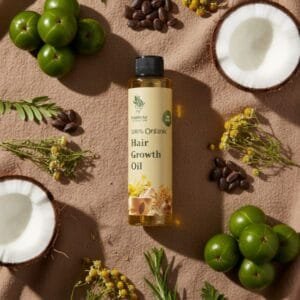
Scalp massage is a simple yet effective habit. Massaging your scalp for a few minutes daily increases blood circulation, which delivers oxygen and nutrients to the follicles. You can use your fingertips or a soft silicone brush. For an extra boost, warm up a few drops of Hair Growth Oil – Strengthen & Nourish Hair Naturally and massage it in. This oil is formulated with natural ingredients that nourish the scalp and strengthen hair from the roots. Leave it on for at least an hour or overnight, then wash out gently. Regular use can improve hair texture and reduce breakage.
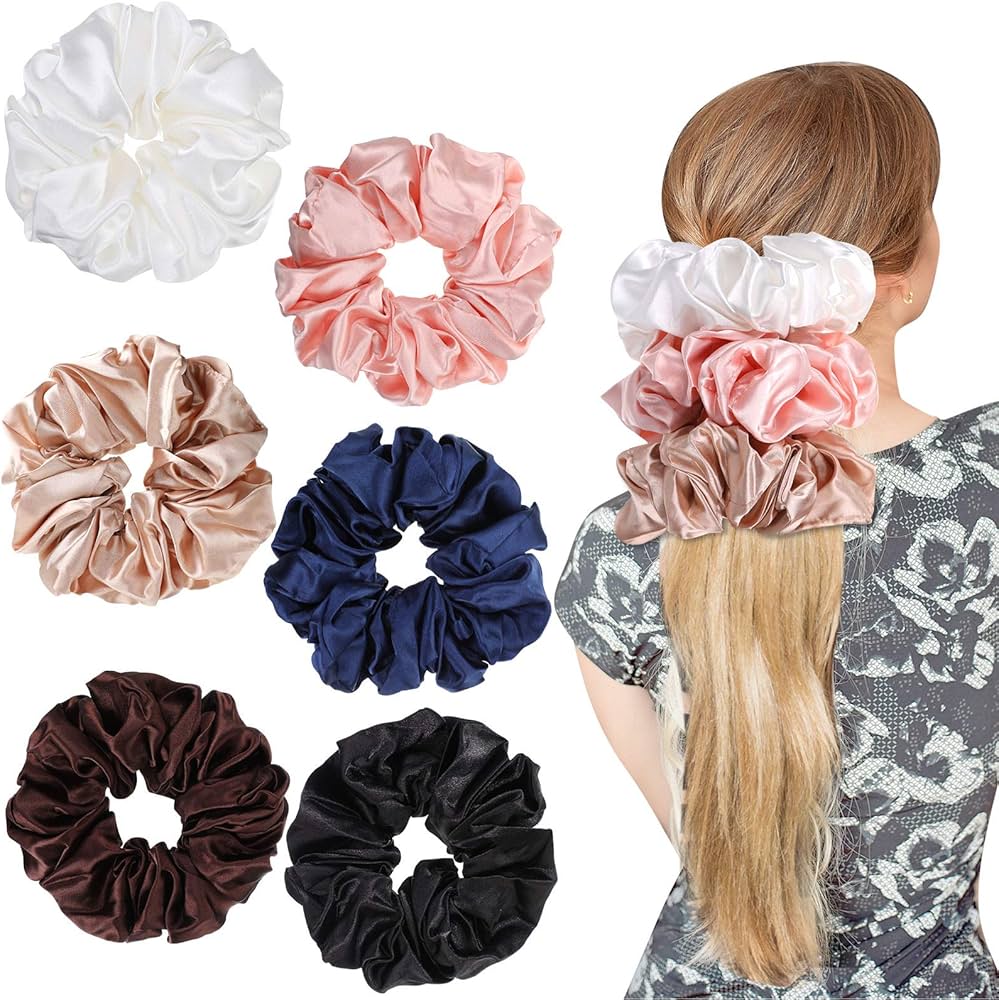
When tying your hair, choose gentle accessories. 1 Silk Scrunchie – Gentle & Perfect for All Hair Types is a great option because silk glides smoothly without snagging or pulling. Unlike elastic bands that can cause breakage, silk scrunchies are kind to your strands, making them ideal for stress-prone hair.
Lastly, protect your hair from environmental stressors. If you live in a polluted city, wear a scarf or hat when outdoors. The sun’s UV rays can also weaken hair; use a leave-in conditioner with UV protection or a stylish hat. And if you swim in chlorinated water, rinse your hair immediately after to remove chemicals.
Nutrition and Supplements for Stress-Related Hair Fall
Your hair is a reflection of your internal health. When you’re stressed, your body prioritizes vital organs over hair, so nutrient deficiencies can quickly show up as shedding. To support hair regrowth, focus on these key nutrients:
- Protein: Hair is made of protein, so inadequate intake can lead to weak, brittle strands. Include eggs, chicken, fish, lentils, and chickpeas in your diet.
- Iron: Iron deficiency is a common cause of hair loss, especially in women. Pair iron-rich foods (spinach, red meat, fortified cereals) with vitamin C to enhance absorption.
- Zinc: This mineral supports hair tissue growth and repair. Nuts, seeds, and whole grains are good sources.
- Biotin: Part of the B-complex vitamins, biotin is often touted for hair health. While deficiency is rare, it’s found in eggs, almonds, and sweet potatoes.
- Vitamin D: Low levels are linked to hair shedding. Get sunlight or consider a supplement if advised by your doctor.
While food should be your primary source of nutrients, supplements can help fill gaps. However, never self-prescribe high doses—excess vitamins can be harmful. Consult a healthcare professional before starting any supplement, especially if you have underlying conditions or are pregnant.
In Pakistan, traditional remedies like amla (Indian gooseberry) and fenugreek (methi) are popular for hair health. Amla is rich in vitamin C and antioxidants, while methi seeds contain protein and nicotinic acid. You can soak methi seeds overnight, grind them into a paste, and apply to your scalp as a mask. These natural treatments can complement a balanced diet.
Hydration is equally important. Dehydration can make hair dry and prone to breakage. Aim for 8–10 glasses of water daily, more if you’re active or in a hot climate. Herbal teas and fresh juices also count toward your fluid intake.
When to See a Doctor and What to Expect
If you’ve been experiencing excessive hair fall for more than six months despite your best efforts, it’s time to see a doctor. A dermatologist can diagnose the type of hair loss and rule out other causes like thyroid disorders, anemia, or PCOS. They may order blood tests to check your iron, vitamin D, and hormone levels. In some cases, prescription treatments like minoxidil or oral medications may be recommended.
It’s also important to manage expectations. Hair grows in cycles, and even after you reduce stress, it takes time for shedding to stop and new growth to appear. Typically, you’ll notice less shedding within 3–6 months, and visible regrowth may take 6–12 months. Consistency is crucial—don’t give up if you don’t see results overnight.
Track your progress by taking photos each month under the same lighting. This helps you see subtle changes that might otherwise go unnoticed. Also, be gentle with yourself. Stress about hair loss can create a vicious cycle, so practice self-compassion. Remember that telogen effluvium is temporary, and your hair will recover.
If you’re looking for more hair care tips, explore our blog archive for a wealth of information. For products specifically designed to support hair health, check out our Hair Care category. And if you’re interested in overall wellness, you might enjoy our post on preventing premature skin aging in your 20s, which shares similar principles of self-care.
Adapting Your Routine for Different Hair Types
Hair type plays a significant role in how you should care for stress-prone hair. Here’s how to tailor your approach:
Fine or Thin Hair
Fine hair is delicate and can look limp quickly. Avoid heavy oils or creams that weigh it down. Instead, use lightweight serums and focus on scalp health. A few drops of hair oil massaged into the scalp before washing can stimulate growth without greasiness. Wash every other day with a volumizing shampoo, and avoid over-conditioning. Silk scrunchies are ideal for fine hair because they prevent creasing and breakage.
Thick or Coarse Hair
Thick hair can handle richer oils and butters. You can use a generous amount of hair oil as a pre-wash treatment, leaving it on for several hours. Deep condition weekly to keep strands hydrated and flexible. Detangle gently with a wide-tooth comb, starting from the ends and working upward. Because thick hair is heavier, avoid tight updos that pull on the scalp.
Curly or Wavy Hair
Curly hair is naturally drier and more prone to breakage. Minimize washing to once or twice a week, and use a sulfate-free cleanser. Condition generously and detangle with fingers or a wide-tooth comb while hair is wet and coated with conditioner. Avoid brushing dry curls. For styling, use a leave-in conditioner or curl cream, and plop hair with a microfiber towel. Silk scrunchies are perfect for pineappling curls at night to preserve definition.
Straight Hair
Straight hair can become oily at the roots quickly, so you might need to wash more often. Use a gentle shampoo and lightweight conditioner. Avoid heavy products that can make hair look greasy. Regular scalp massage and a balanced diet are key. If you use heat tools, always use a heat protectant and keep the temperature below 180°C.
Chemically Treated Hair
If you color, relax, or perm your hair, it’s already stressed. Add emotional stress on top, and you’re asking for trouble. Wait at least two weeks after a chemical service before doing any other treatments. Use bond-building products and deep conditioners to repair damage. Minimize heat styling and consider extending the time between chemical treatments. Always do a patch test before trying new products, especially if you have sensitive skin.
Common Mistakes to Avoid When Dealing with Stress-Related Hair Fall
When you’re desperate to stop hair fall, it’s easy to fall for quick fixes. But some common mistakes can actually make things worse. Here’s what to avoid:
Over-washing or under-washing: Both extremes can harm your scalp. Washing daily strips natural oils, while washing too infrequently leads to buildup that clogs follicles. Find a balance that suits your hair type and lifestyle. For most people, every 2–3 days is ideal.
Using harsh chemicals: Avoid shampoos with sulfates, parabens, and silicones if your scalp is sensitive. These can irritate the scalp and exacerbate shedding. Look for gentle, natural formulations.
Ignoring your diet: You can’t out-supplement a poor diet. Focus on whole foods first. Crash diets and extreme calorie restriction can trigger telogen effluvium, so nourish your body adequately.
Stressing about hair loss: This is easier said than done, but worrying about shedding increases cortisol, which leads to more shedding. Practice relaxation techniques and remind yourself that this is temporary.
Expecting overnight results: Hair growth takes time. Don’t switch products every week or give up after a month. Stick with a routine for at least three months before evaluating results.
Neglecting scalp health: A healthy scalp is the foundation for healthy hair. Exfoliate gently once a week to remove dead skin cells, and treat conditions like dandruff promptly. Dandruff can be both a cause and a result of stress, so use an anti-dandruff shampoo if needed.
For more tips on maintaining healthy hair, check out our related post on handmade soap for family, which highlights the benefits of natural ingredients for skin and hair.
Choosing the Right Products for Stress-Prone Hair
With countless products on the market, it’s hard to know what works. When selecting hair care products for stress-related shedding, look for these key ingredients:
- Biotin: Strengthens hair and promotes growth.
- Keratin: Repairs damage and reduces breakage.
- Argan oil: Moisturizes and adds shine.
- Aloe vera: Soothes the scalp and balances pH.
- Rosemary oil: Stimulates circulation and may block DHT, a hormone linked to hair loss.
- Peppermint oil: Provides a cooling sensation and improves blood flow.
Always read labels and avoid products with alcohol, sulfates, and synthetic fragrances if you have a sensitive scalp. Patch test new products on your inner arm before applying to your scalp. And remember, expensive doesn’t always mean better—sometimes simple, natural oils work wonders.
At Flambeauty, we offer a range of hair care products crafted with natural ingredients. Our Hair Growth Oil is a customer favorite for its ability to nourish the scalp and strengthen hair. Pair it with our silk scrunchies for a gentle, hair-friendly routine.
For authoritative guidance on hair and scalp care, refer to the American Academy of Dermatology. They provide evidence-based tips for managing hair loss and maintaining scalp health.
Ultimately, reducing stress-related hair fall requires a holistic approach. Combine stress management, proper nutrition, gentle hair care, and the right products. Be patient and consistent, and your hair will thank you. For more personalized advice, explore our Hair Care collection and find the perfect fit for your hair type.
Frequently Asked Questions
How long does stress-related hair fall last?
Stress-induced shedding (telogen effluvium) typically begins 2–3 months after a stressful event and can last for 3–6 months. Once the stress is managed, hair usually regrows within 6–12 months.
Can I use hair oil to reduce stress-related hair fall?
Yes, nourishing oils like Hair Growth Oil can help by improving scalp health, reducing breakage, and promoting circulation. Massage it into your scalp regularly for best results.
What vitamins help with stress-related hair loss?
B vitamins (especially biotin), vitamin D, iron, zinc, and vitamin C are important for hair health. However, it's best to get them from food and consult a doctor before taking supplements.
When should I see a doctor for hair fall?
If you've had excessive hair fall for more than six months or notice patches of baldness, see a dermatologist. They can diagnose the cause and recommend appropriate treatment.
Written by Mishal Rehman, owner of Flambeauty — sharing practical, professional beauty and skincare guidance.
Updated: September 2026