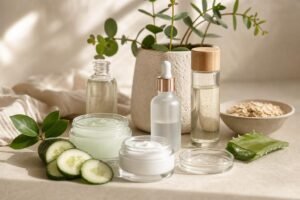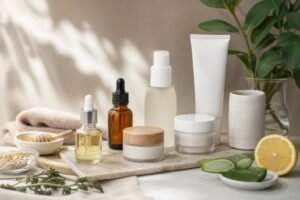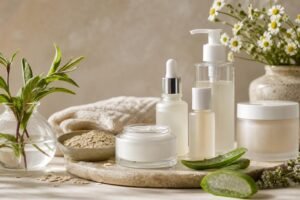

Use a gentle foaming cleanser, a lightweight oil-free moisturizer, and a mattifying primer before makeup. Carry blotting papers or translucent powder for touch-ups instead of heavy creams. In Pakistan's humid weather, these steps keep skin looking fresh from morning to night.
To reduce shine on oily skin throughout the day, use a gentle foaming cleanser, a lightweight oil-free moisturizer, and a mattifying primer before makeup. Carry blotting papers or translucent powder for touch-ups, and avoid heavy creams. In Pakistan’s humid weather, these steps help control excess oil and keep your skin looking fresh from morning to night.
Understanding Oily Skin and Shine
Oily skin produces excess sebum due to overactive sebaceous glands, often triggered by genetics, hormones, or climate. In Pakistan, high humidity and heat can make shine more noticeable, especially in the T-zone (forehead, nose, and chin). Sebum itself isn’t bad—it protects the skin—but too much can lead to a greasy appearance, clogged pores, and breakouts. The key is not to strip the skin completely, but to manage oil production effectively.
Many people with oily skin make the mistake of using harsh, drying products, which can actually cause the skin to produce even more oil to compensate. Instead, focus on balancing the skin with gentle, non-comedogenic ingredients. Niacinamide and salicylic acid are excellent for regulating sebum without over-drying. Understanding your skin’s unique needs is the first step toward a shine-free day.
Environmental factors like pollution and humidity can also exacerbate shine. In cities like Karachi or Lahore, where humidity often soars, your skincare routine may need extra steps like a mattifying toner or a lightweight gel moisturizer. Always patch test new products to ensure they don’t irritate your skin or cause breakouts.
It’s also important to note that oily skin can change with seasons or age. During winter, you might produce less oil, so adjust your routine accordingly. Pay attention to how your skin feels after cleansing and throughout the day—if it feels tight or dry, you’re likely over-cleansing. A balanced approach will help maintain a healthy, matte complexion.
Morning Routine: Start Your Day Matte
A well-structured morning routine sets the foundation for all-day oil control. Begin with a gentle foaming cleanser that removes overnight oil without stripping. Look for ingredients like salicylic acid or tea tree oil for their oil-regulating properties. Follow with an alcohol-free toner containing witch hazel or niacinamide to tighten pores and reduce sebum production.
Next, apply a lightweight, oil-free moisturizer. Many skip moisturizer thinking it will add shine, but dehydrated oily skin actually produces more oil. Use a gel-based or water-based formula that hydrates without heaviness. Hyaluronic acid is a great hydrating ingredient that won’t clog pores. Allow moisturizer to absorb fully before moving to the next step.
Primer is crucial for oily skin. A mattifying primer helps blur pores and controls oil throughout the day. Apply a pea-sized amount to the T-zone and blend outward. Some primers also contain SPF, but if yours doesn’t, add a separate oil-free sunscreen. Sun protection is non-negotiable—even for oily skin. Look for “non-comedogenic” and “matte finish” labels.
If you wear makeup, choose oil-free, long-wear foundations and powders. A translucent setting powder applied with a fluffy brush can lock in makeup and absorb excess oil. For extra control, use a setting spray formulated for oily skin. Throughout the day, blotting papers or a clean powder puff can help touch up without adding layers of product.
In Pakistan’s climate, it’s also wise to carry a small facial mist with ingredients like green tea or rose water. These can refresh your skin without adding grease. Just remember to blot first before misting. A consistent morning routine will significantly reduce midday shine.
Midday Touch-Ups: Keeping Shine at Bay
Even with a solid morning routine, shine can creep in by midday. The key is to touch up without disrupting your makeup or irritating your skin. Blotting papers are a lifesaver—they absorb excess oil without smudging makeup. Press gently on shiny areas, then follow with a light dusting of translucent powder if needed.
Another option is to use a mattifying powder compact. Choose a shade that matches your skin tone or a translucent one. Apply with a puff or brush only to the T-zone. Avoid reapplying liquid foundation; it can cake up and look heavy. Instead, spot-correct with concealer if necessary.
If you don’t have blotting papers, a clean tissue can work in a pinch. Separate the layers and press against your skin to absorb oil. This is a common trick in humid climates like Pakistan. For a more natural approach, some people use a rice paper or even a thin layer of loose powder on a brush.
Setting sprays with mattifying properties can also be used midday. Hold the bottle at arm’s length and mist lightly over your face. This refreshes your look and controls oil for a few more hours. Always blot before spraying to avoid mixing oil with the spray.
Finally, avoid touching your face throughout the day. Hands transfer bacteria and oil, worsening shine and breakouts. Keep a small pack of blotting papers or powder in your bag for quick touch-ups. With these strategies, you can maintain a matte, fresh appearance from morning to evening.
Choosing the Right Products for Oily Skin
Selecting products formulated for oily skin is essential. Look for labels like “oil-free,” “non-comedogenic,” and “mattifying.” Ingredients such as salicylic acid, niacinamide, zinc, and clay help control oil. Avoid heavy oils like coconut oil or shea butter, which can clog pores.
Cleansers should be gel or foam based, not cream. A good example is a salicylic acid cleanser that exfoliates gently. Toners containing witch hazel or salicylic acid can further reduce oil. However, avoid alcohol-heavy toners that strip the skin and trigger more oil production.
Moisturizers should be water-based or gel-creams. Hyaluronic acid and glycerin provide hydration without grease. Sunscreens labeled “matte finish” or “for oily skin” are ideal. Many brands now offer lightweight, non-greasy SPF that doubles as a primer.
For targeted treatment, consider a product like Beauty Care Head-to-Toe Bundle which includes hand and foot repair cream—while not for face, it’s great for overall skin care. Another option is the Eyelashes Growth Serum – Longer, Healthier-Looking Lashes, which can enhance your eyes without adding oil to your lids.
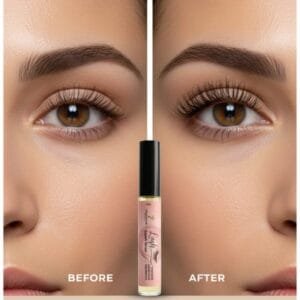

When shopping in Pakistan, many local brands offer affordable options for oily skin. Check the Skin Care category for products tailored to local climate. You can also read more tips on our blog.
Common Mistakes That Increase Shine
One major mistake is over-cleansing. Washing your face more than twice a day or using harsh scrubs strips natural oils, causing the skin to produce even more sebum. Stick to a gentle cleanser morning and night, and exfoliate only 2-3 times a week.
Another error is skipping moisturizer. Many with oily skin fear moisturizers will make them greasier, but dehydration actually triggers more oil. Use a lightweight, oil-free moisturizer to keep skin balanced. Never skip moisturizer, even if you feel oily.
Using heavy makeup or powdering too much can also backfire. Thick foundations clog pores, while excessive powder can look cakey and encourage more oil. Opt for sheer, buildable coverage and set with a light dusting of translucent powder.
Ignoring diet and lifestyle is another pitfall. High-glycemic foods like sugary snacks and refined carbs can increase oil production. Stress and lack of sleep also affect hormones, leading to more sebum. Incorporate a balanced diet rich in antioxidants and stay hydrated.
Finally, not using sunscreen is a common mistake. Some avoid sunscreen because it feels greasy, but UV damage worsens oiliness and premature aging. Choose a matte-finish sunscreen and reapply as needed. For more insight, check out our related post: Why Witch Hazel Is a Natural, Gentle Toner for Healthy Skin.
Nighttime Routine: Reset for Less Shine Tomorrow
A proper nighttime routine helps regulate oil production while you sleep. Start with a double cleanse if you wear makeup: use an oil-based cleanser first to dissolve makeup, then a foaming cleanser to remove residue. This prevents clogged pores that can lead to more oil.
After cleansing, apply a treatment with ingredients like niacinamide or retinoids. Niacinamide reduces sebum production and improves skin texture. Retinoids speed up cell turnover, keeping pores clear. Start with a low concentration to avoid irritation.
Use a lightweight night cream or gel moisturizer. If your skin feels very oily, you may even skip moisturizer on some nights, but always listen to your skin. Do not over-moisturize—a pea-sized amount is enough.
Incorporate a clay mask once or twice a week to draw out impurities and absorb excess oil. Apply a thin layer to the T-zone and leave on for 10-15 minutes before rinsing. This can help reduce shine over time.
Finally, change your pillowcase regularly and avoid touching your face at night. Oil and bacteria transfer easily, causing breakouts and more shine. A consistent nighttime routine will help you wake up with less oil and a more balanced complexion.
Adapting Tips for Different Skin Types
While these tips target oily skin, many can be adapted for combination or sensitive oily skin. For combination skin (oily T-zone, dry cheeks), apply mattifying products only to the T-zone and use a richer moisturizer on cheeks. Use a gentle cleanser that doesn’t over-dry the dry areas.
For sensitive oily skin, avoid harsh ingredients like high-concentration salicylic acid or alcohol. Opt for soothing ingredients like aloe vera, chamomile, and niacinamide. Patch test all products and introduce one at a time to identify triggers.
For acne-prone oily skin, incorporate benzoyl peroxide or salicylic acid treatments, but avoid over-drying. Use non-comedogenic products and consider a lightweight gel moisturizer. Consistent care will reduce both shine and breakouts.
If you’re on a budget, focus on the essentials: a gentle cleanser, a mattifying moisturizer, and blotting papers. Many drugstore brands in Pakistan offer effective options. For more guidance, read Unlock Real Results from Your Vitamin C Serum to understand how antioxidants can benefit oily skin.
Remember, consistency is key. It takes time for your skin to adjust to a new routine. Stick with it, and you’ll see a reduction in shine and a healthier appearance overall.
Frequently Asked Questions
How often should I wash my face if I have oily skin?
Wash your face twice a day—morning and night. Over-washing can strip natural oils and trigger more sebum production.
Can diet affect oily skin?
Yes, high-glycemic foods like sugary snacks and refined carbs can increase oil production. A balanced diet rich in fruits, vegetables, and omega-3s may help.
Are blotting papers better than powder for touch-ups?
Blotting papers are gentler because they absorb oil without adding product. Use them first, then powder if needed.
Is sunscreen necessary for oily skin?
Absolutely. UV damage worsens oiliness and aging. Choose a matte-finish, oil-free sunscreen daily.
Written by Mishal Rehman, owner of Flambeauty — sharing practical, professional beauty and skincare guidance.
Updated: July 2026