Niacinamide is a gentle, natural-derived ingredient that brightens, balances oil, and strengthens skin. Learn how to add it to your routine for...
Niacinamide is a form of vitamin B3 that occurs naturally in foods like rice bran and yeast. It strengthens the skin barrier, regulates oil, reduces redness, and brightens uneven tone—all while being gentle enough for most skin types, including sensitive skin. It’s a versatile, well-tolerated ingredient for daily use.
What Is Niacinamide and Why Is It Considered Gentle and Natural-Derived?
Niacinamide, also known as nicotinamide, is a water-soluble vitamin—specifically vitamin B3. It’s found naturally in many foods, including rice bran, yeast, whole grains, and green leafy vegetables. In skincare, it’s synthesized to a pure, stable form that closely mirrors the vitamin found in nature. Unlike harsh acids or retinoids that can cause irritation, niacinamide works with your skin’s natural processes rather than aggressively stripping or resurfacing it. This is why it’s often described as a gentle, natural-derived ingredient: it’s a vitamin your skin already recognizes and can use.
The reason niacinamide is so well-tolerated comes down to its mechanism. It supports the production of ceramides—the fatty molecules that act like mortar between your skin cells—and it boosts keratin, a protein that keeps skin firm and smooth. It also helps regulate sebum (oil) production and soothes inflammation. Because it doesn’t exfoliate or cause photosensitivity, it can be used morning and night, year-round, even in Pakistan’s hot and humid climate. Many people with sensitive or reactive skin find that niacinamide is one of the few active ingredients they can use without stinging or redness.
Another reason it’s considered natural-derived is that it’s a vitamin, not a synthetic compound foreign to the body. While the niacinamide in your serum is lab-made for purity and stability, its chemical structure is identical to the B3 you’d get from food. Your skin has transport mechanisms to absorb and utilize it efficiently. This bioavailability means you often see results with lower concentrations—typically 2% to 5%—which further reduces the risk of irritation. In contrast, some harsh brightening agents require high doses and can cause peeling or burning. Niacinamide offers a gentler path to clearer, more even-looking skin.
It’s also worth noting that niacinamide is stable in formulations. It doesn’t degrade easily in sunlight or air, so it remains effective throughout the shelf life of a product. This stability makes it a reliable addition to moisturizers, serums, and sunscreens. For Pakistani consumers looking for effective yet gentle skincare, niacinamide is a standout choice. It’s widely available in products at various price points, and it pairs well with other natural-derived ingredients like licorice root extract, which you can read more about in our Licorice Root Extract for Skin Brightening guide.
When you apply niacinamide, it doesn’t just sit on the surface—it penetrates the skin’s outer layer and gets to work on multiple fronts. It enhances the skin’s barrier function, which means less moisture loss and better protection against environmental stressors like pollution and UV rays. A stronger barrier also means fewer flare-ups if you have acne-prone or eczema-prone skin. Because it’s an antioxidant, it helps neutralize free radicals that can lead to premature aging. All these actions happen without the irritation often associated with stronger actives. That’s the beauty of niacinamide: it’s a multi-tasking ingredient that respects your skin’s natural balance.
Key Benefits of Niacinamide for Your Skin
Niacinamide’s benefits are extensive and well-documented. First and foremost, it’s a champion at regulating oil production. If you have oily or combination skin, niacinamide can help reduce excess sebum without drying you out. It does this by inhibiting the enzyme that triggers oil synthesis in the sebaceous glands. The result is a less shiny, more balanced complexion. This makes it particularly useful in Pakistan’s humid summer months when oiliness can feel uncontrollable. Unlike harsh astringents that strip skin and cause rebound oiliness, niacinamide gently encourages normal oil levels.
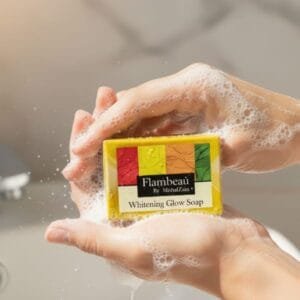
Second, niacinamide is excellent for brightening and evening skin tone. It interferes with the transfer of melanin from melanocytes (pigment-producing cells) to skin cells, which can help fade dark spots, post-acne marks, and sun-induced hyperpigmentation. It’s not a bleaching agent—it doesn’t lighten skin beyond its natural tone. Instead, it promotes a more uniform, radiant appearance. Over time, with consistent use, you may notice a reduction in the appearance of old blemishes and a clearer, more luminous complexion. This is why it’s often included in brightening products, including our Whitening Glow Soap, which combines niacinamide with other skin-loving ingredients.
Third, niacinamide strengthens the skin barrier. It stimulates the production of ceramides and other lipids that form the protective outer layer of your skin. A robust barrier locks in moisture and keeps irritants out. If you have dry, flaky, or sensitive skin, this can be transformative. It also helps reduce transepidermal water loss (TEWL), meaning your skin stays hydrated longer. For those dealing with environmental aggressors like pollution or air conditioning, a strong barrier is your first line of defense.
Fourth, niacinamide has anti-inflammatory properties. It can soothe redness and irritation, making it helpful for conditions like acne and rosacea. It doesn’t cure these conditions, but it can calm the skin and reduce the frequency of flare-ups. Studies have shown that niacinamide can be as effective as some prescription acne treatments when used in combination, but with fewer side effects. It also helps with post-inflammatory hyperpigmentation, which often follows acne breakouts.
Fifth, niacinamide is an antioxidant. It helps protect skin from free radical damage caused by UV exposure, pollution, and stress. This protection can slow down the visible signs of aging, such as fine lines and wrinkles. While it’s not a replacement for sunscreen, it adds an extra layer of defense. Additionally, niacinamide supports collagen production, which keeps skin firm and elastic. The overall effect is healthier-looking, more youthful skin.
Finally, niacinamide is gentle enough for most skin types, including sensitive skin. It’s non-comedogenic, so it won’t clog pores. It’s also safe for use during pregnancy and breastfeeding, unlike retinoids. This makes it a versatile ingredient that almost anyone can incorporate into their routine. Whether you’re a teenager dealing with oily skin or an adult concerned about fine lines, niacinamide has something to offer. And because it’s water-soluble, it layers well with other products without pilling.
How to Incorporate Niacinamide into Your Skincare Routine: Step-by-Step
Adding niacinamide to your routine is straightforward, but doing it right ensures you get the most benefits without irritation. Here’s a step-by-step guide tailored for Pakistani skin and climate.
Step 1: Choose the right product. Niacinamide comes in serums, moisturizers, toners, and cleansers. For beginners, a leave-on product like a serum or moisturizer is ideal because it stays on the skin and delivers the ingredient effectively. Look for concentrations between 2% and 5%. Higher percentages (10% or more) aren’t necessarily better and can sometimes cause irritation or flushing. A well-formulated product with 4-5% niacinamide is plenty for most people. If you have sensitive skin, start with 2%. You can find niacinamide in many products in our Skin Care category.
Step 2: Patch test. Even though niacinamide is gentle, it’s always wise to patch test first. Apply a small amount behind your ear or on your inner forearm and wait 24 hours. If you notice redness, itching, or burning, discontinue use. This is especially important if you have known allergies or very reactive skin. Most people won’t react, but it’s a good precaution.
Step 3: Start slowly. Introduce niacinamide into your routine gradually. Use it once every other day for the first week, then increase to daily if your skin tolerates it well. This gives your skin time to adjust. If you’re using other actives like retinol or vitamin C, you can still use niacinamide, but you might want to alternate days or use one in the morning and the other at night to avoid overloading your skin.
Step 4: Apply in the correct order. In your skincare routine, apply niacinamide after cleansing and toning, but before heavier creams and sunscreen. A typical order: cleanser → toner → niacinamide serum → moisturizer → sunscreen (morning). If your niacinamide product is a moisturizer, apply it after your serum. If it’s a cleanser, use it as your first step. The key is to apply from thinnest to thickest consistency.
Step 5: Use consistently. Niacinamide isn’t an overnight miracle—it works gradually. You’ll likely see improvements in skin texture, oil control, and brightness after 4-8 weeks of consistent use. Take a photo before you start and then every two weeks to track subtle changes. Consistency is more important than quantity. Using it daily as part of your routine will yield the best results.
Step 6: Combine with other beneficial ingredients. Niacinamide plays well with most ingredients. It’s especially effective alongside hyaluronic acid for hydration, zinc for oil control, and licorice root extract for brightening. You can also use it with sunscreen for added protection. Avoid combining with strong acids (like glycolic or salicylic acid) in the same layer if you have sensitive skin, as the combination might be too much. Instead, use them at different times of day.
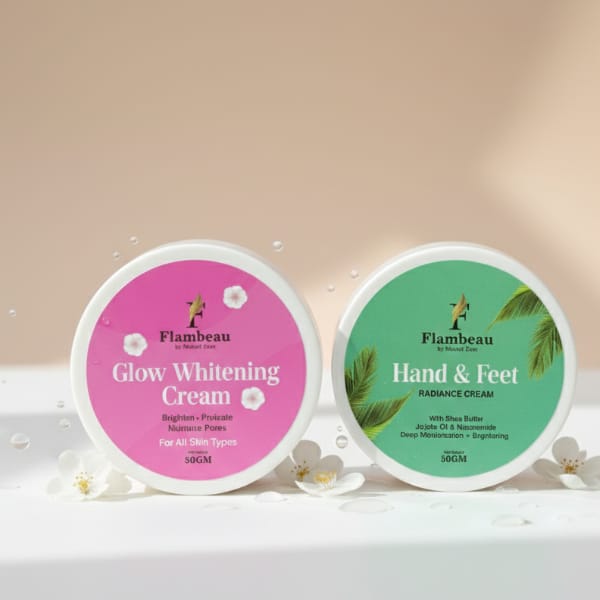
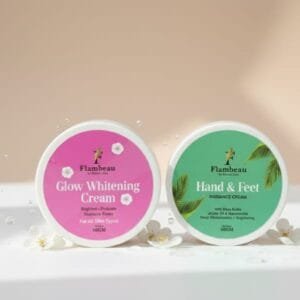
Step 7: Don’t forget your body. Niacinamide isn’t just for the face. You can extend its benefits to your hands and feet, which often show signs of aging and dryness. Our Glow Care Bundle – Hand & Feet Cream and Whitening Glow Cream is a great way to incorporate niacinamide into your body care routine. The bundle includes a hand and feet cream and a whitening glow cream, both designed to soften and brighten skin.
Common Mistakes to Avoid When Using Niacinamide
While niacinamide is generally safe, there are pitfalls that can reduce its effectiveness or cause unwanted side effects. Being aware of these will help you get the most out of your product.
Mistake 1: Using too high a concentration. More isn’t better. Concentrations above 10% can actually cause irritation, redness, and even breakouts for some people. The sweet spot is 2-5%. If you’re using a 10% serum and experiencing flushing, switch to a lower percentage. Your skin doesn’t need a massive dose to reap the benefits—it can only absorb so much at once.
Mistake 2: Expecting instant results. Niacinamide works gradually. You won’t see dramatic changes overnight. It may take several weeks to notice improvements in skin tone, texture, and oil control. Be patient and consistent. If you stop after a few days, you won’t see the full benefits. Skincare is a marathon, not a sprint.
Mistake 3: Combining with incompatible ingredients incorrectly. Niacinamide is stable with most ingredients, but there’s a myth that it can’t be used with vitamin C. Modern research shows they can be used together, but if you have sensitive skin, it’s safer to use them at different times (e.g., vitamin C in the morning, niacinamide at night). Also, avoid layering niacinamide with strong exfoliating acids in the same routine if your skin is reactive. This can lead to over-exfoliation and a compromised barrier.
Mistake 4: Not patch testing. Even natural-derived ingredients can cause allergic reactions in some individuals. Always patch test first, especially if you have known sensitivities. A small patch test can save you from a full-face reaction. Apply a tiny amount to a discreet area and wait 24-48 hours.
Mistake 5: Using it inconsistently. Skipping days or applying only when you remember won’t give you the cumulative benefits. Niacinamide needs regular application to build up its effects on the skin barrier and pigmentation. Set a reminder or incorporate it into your daily routine so it becomes a habit.
Mistake 6: Ignoring sunscreen. Niacinamide helps with brightening, but if you’re not using sunscreen, UV rays will continue to darken your skin and undo the progress. Sunscreen is non-negotiable, especially in Pakistan where sun exposure is strong year-round. Always apply a broad-spectrum sunscreen with SPF 30 or higher in the morning, even if you’re mostly indoors.
Mistake 7: Overloading with other actives. If you’re using multiple actives like retinol, AHAs, BHAs, and vitamin C, adding niacinamide might be too much for your skin. Signs of overload include redness, stinging, and peeling. Simplify your routine—use niacinamide as your main active and rotate others. Your skin will thank you.
Choosing the Right Niacinamide Product: What to Look For
With so many niacinamide products on the market, it’s important to know what makes a good one. Here are key factors to consider when selecting a product.
Concentration: As mentioned, 2-5% is ideal for most skin types. If you’re a beginner, start at 2-4%. If you’ve used niacinamide before without issues, you can try 5%. Avoid products that boast 10% or higher unless recommended by a dermatologist. The percentage should be clearly listed on the label—if it’s not, be cautious.
Formulation: Niacinamide is water-soluble, so it’s often found in serums, essences, and lightweight moisturizers. For oily skin, a gel or water-based serum is best. For dry skin, a cream or lotion with added hydrators like glycerin or hyaluronic acid works well. For sensitive skin, look for fragrance-free and alcohol-free formulas. The product should also be packaged in an opaque or dark bottle to protect the ingredient from light degradation, although niacinamide is relatively stable.
Additional ingredients: The best niacinamide products combine it with synergistic ingredients. For oil control, look for zinc. For hydration, hyaluronic acid or glycerin. For brightening, licorice root extract, vitamin C, or arbutin. For soothing, aloe vera or green tea. Avoid products with high amounts of denatured alcohol, which can dry out skin, or heavy fragrances that may irritate. Our Whitening Glow Soap is formulated with niacinamide and other brightening agents to cleanse and brighten without stripping.
Brand reputation and sourcing: Choose brands that are transparent about their ingredients and manufacturing practices. In Pakistan, Flambeauty offers skincare products that incorporate niacinamide and other beneficial ingredients. You can explore our blog archive for more tips on building a skincare routine. Also, check for cruelty-free and vegan certifications if that matters to you.
Price: Niacinamide is an affordable ingredient, so you don’t need to spend a fortune. Effective products are available at various price points. A good niacinamide serum should cost between PKR 800 and PKR 2,500, depending on the brand and additional ingredients. Don’t equate price with efficacy—sometimes simple, well-formulated products work best.
Packaging: Look for airless pumps or opaque tubes to maintain stability. Jar packaging exposes the product to air and bacteria, which can degrade the niacinamide over time. If you buy a jar, use a clean spatula to scoop out the product and store it in a cool, dark place.
Expiration date: Always check the expiration date or period-after-opening (PAO) symbol. Niacinamide is stable, but other ingredients in the formula may expire. Using expired products can cause irritation or reduced efficacy.
Adapting Niacinamide for Different Skin Types
Niacinamide is versatile, but how you use it can be tailored to your specific skin type. Here’s how to adapt your routine for the best results.
Oily and Acne-Prone Skin
If you have oily or acne-prone skin, niacinamide is your ally. It helps regulate sebum production and reduce inflammation, which can lead to fewer breakouts. Choose a lightweight, oil-free serum or gel with 4-5% niacinamide. Apply it after cleansing and before a mattifying moisturizer. You can also use a niacinamide cleanser, like our Whitening Glow Soap, to keep oil in check without over-drying. Avoid heavy creams that can clog pores. For spot treatment, look for niacinamide combined with zinc, which helps calm active pimples. Use sunscreen daily to prevent post-acne dark spots from worsening.
Dry and Dehydrated Skin
For dry skin, niacinamide is beneficial because it strengthens the skin barrier and reduces water loss. However, it’s not a moisturizer on its own—you still need hydrating ingredients. Pair niacinamide with hyaluronic acid, glycerin, or ceramides. Use a creamy serum or a moisturizer that contains niacinamide. Apply it to damp skin to lock in moisture. Avoid products with alcohol or strong fragrances. If your skin is very dry, you might prefer a niacinamide-infused facial oil or balm. Remember to drink plenty of water, especially in Pakistan’s dry heat.
Combination Skin
Combination skin can be tricky—oily in the T-zone and dry on the cheeks. Niacinamide helps balance both by regulating oil where needed and supporting barrier function. Use a lightweight lotion or serum with 5% niacinamide all over your face. You can also apply a mattifying product only on the T-zone if needed. A niacinamide toner can be a good option for refreshing combination skin. Avoid heavy creams on oily areas; instead, use a gel moisturizer on the T-zone and a richer cream on dry areas.
Sensitive and Reactive Skin
If your skin is sensitive, niacinamide can still be a great choice because it’s generally well-tolerated. However, start with a low concentration (2%) and patch test. Choose fragrance-free, alcohol-free formulas with minimal ingredients. Apply it every other day initially, then increase frequency if tolerated. If you experience redness or stinging, reduce concentration or frequency. Niacinamide can help calm redness over time, but you need to introduce it gently. Avoid combining with harsh exfoliants or retinoids until your skin adjusts.
Mature Skin
For mature skin, niacinamide offers anti-aging benefits by supporting collagen production and reducing the appearance of fine lines. It also helps with age spots and uneven tone. Use a niacinamide serum with added antioxidants like vitamin C or E. Apply it morning and night, followed by a rich moisturizer and sunscreen. Niacinamide can be used alongside retinol, but if you’re new to both, introduce one at a time to avoid irritation. Many anti-aging products combine niacinamide with peptides for enhanced results.
Niacinamide vs. Other Brightening Ingredients: How It Compares
Niacinamide is often compared to other popular brightening ingredients like vitamin C, licorice root extract, and alpha arbutin. Each has its strengths, but niacinamide stands out for its gentleness and multi-tasking abilities.
Niacinamide vs. Vitamin C: Vitamin C is a potent antioxidant that brightens and boosts collagen, but it can be unstable and irritating for some skin types. Niacinamide is more stable and less likely to cause stinging. While both brighten, niacinamide also regulates oil and strengthens the barrier. You can use both, but if you have sensitive skin, niacinamide might be the better starting point. For a deeper dive into natural brighteners, see our Licorice Root Extract guide.
Niacinamide vs. Licorice Root Extract: Licorice root extract is a natural brightener that inhibits tyrosinase, an enzyme involved in melanin production. It’s very gentle and soothing. Niacinamide works differently—it blocks melanin transfer. Both can be used together for a synergistic effect. Licorice is often found in brightening creams and soaps, while niacinamide is more common in serums. If you’re looking for a natural-derived combo, look for products that include both.
Niacinamide vs. Alpha Arbutin: Alpha arbutin is a derivative of hydroquinone and is effective for hyperpigmentation. It’s generally well-tolerated but can be more expensive. Niacinamide is more affordable and offers additional benefits like oil control and barrier support. For stubborn dark spots, you might combine them, but niacinamide alone can still make a noticeable difference over time.
Niacinamide vs. Retinol: Retinol is the gold standard for anti-aging, but it can cause dryness, peeling, and sun sensitivity. Niacinamide is much gentler and can be used alongside retinol to reduce irritation. In fact, niacinamide can help mitigate some of retinol’s side effects by strengthening the skin barrier. If you’re new to actives, start with niacinamide before progressing to retinol.
Niacinamide vs. AHAs/BHAs: Exfoliating acids like glycolic and salicylic acid remove dead skin cells and can brighten, but they can also be irritating. Niacinamide doesn’t exfoliate; it works at a cellular level to improve skin function. For sensitive skin, niacinamide is often a safer choice. You can use both, but alternating days is best to avoid over-exfoliation.
In summary, niacinamide is a gentle, natural-derived powerhouse that fits into almost any routine. It’s not a one-trick pony—it brightens, balances, hydrates, and protects. Whether you’re dealing with oily skin, dryness, or signs of aging, niacinamide can help you achieve healthier-looking skin. For more skincare tips and product recommendations, visit our blog and explore our Skin Care category. And if you’re struggling with hair fall, check out our related post: Is Your Shampoo Causing Hair Fall? How to Tell & Fix It.
Frequently Asked Questions
Can niacinamide be used with vitamin C?
Yes, modern research shows they can be used together. However, if you have sensitive skin, it's best to apply them at different times of day (e.g., vitamin C in the morning, niacinamide at night) to avoid potential irritation.
Is niacinamide safe for pregnancy?
Yes, niacinamide is considered safe during pregnancy and breastfeeding. It's a form of vitamin B3 and is generally well-tolerated. As always, consult your doctor before starting any new skincare product.
How long does it take to see results from niacinamide?
You may start noticing improvements in skin texture and oil control within 2-4 weeks, but full benefits for brightening and barrier repair typically take 8-12 weeks of consistent use.
Can niacinamide cause purging or breakouts?
Niacinamide does not cause purging because it doesn't speed up cell turnover. However, some people may experience breakouts if they use a concentration that's too high or if the product contains other comedogenic ingredients. Start with a low percentage and patch test.
Written by Mishal Rehman, owner of Flambeauty — sharing practical, professional beauty and skincare guidance.
Updated: September 2026