Learn how to build a simple 5-step skincare routine for beginners, including cleanser, moisturizer, and sunscreen. Get tips for your skin type and common...
Building a skincare routine for the first time doesn’t have to be complicated. Start with five essential steps: cleanse, exfoliate (once or twice a week), tone, moisturize, and protect with sunscreen. This simple routine helps keep your skin clean, hydrated, and shielded from daily damage, making it easier to maintain a healthy, glowing complexion. Focus on gentle, non-irritating products that suit your skin type, and always patch test new items.
Why a Simple Routine Works
When you’re new to skincare, it’s tempting to buy every product that promises a miracle. But the truth is, your skin thrives on consistency and simplicity. A minimal routine reduces the risk of irritation, helps you identify what works and what doesn’t, and saves you money. The 5-step routine covers the basics: cleansing removes dirt and oil, exfoliation helps shed dead skin cells, toning balances the skin, moisturizing keeps it hydrated, and sunscreen protects from UV damage. Each step has a specific purpose, and together they support your skin’s natural functions without overwhelming it.
For beginners, it’s also easier to build a habit when the routine is short. You’re more likely to stick with two minutes in the morning and two at night than a ten-step Korean regimen. Once you master the basics, you can add serums, masks, or treatments later. But starting simple gives your skin time to adjust and lets you see results without confusion.
Another reason a simple routine works is that it’s easier on your budget. Instead of buying a dozen products, you invest in a few quality items that truly benefit your skin. For example, a good cleanser, moisturizer, and sunscreen are the non-negotiables. You can skip the toner if you’re on a tight budget, but a basic one is affordable. This approach is sustainable, both for your skin and your wallet.
Finally, a simple routine reduces the chance of over-exfoliating or using too many active ingredients, which can damage your skin barrier. Overdoing it leads to redness, dryness, and breakouts. By keeping it simple, you give your skin a chance to stay balanced. Remember, less is often more when it comes to skincare.
Step 1: Cleanse – The Foundation
Cleansing is the first and most important step. It removes dirt, oil, makeup, and pollutants that accumulate on your skin throughout the day. If you skip this, everything else you apply won’t absorb properly, and you’re more likely to get clogged pores and breakouts. Choose a gentle cleanser that matches your skin type: gel or foaming for oily skin, cream or lotion for dry skin, and micellar water or a mild cleanser for sensitive skin.
When you wash your face, use lukewarm water – hot water strips natural oils, and cold water doesn’t dissolve oil well. Massage the cleanser in circular motions for about 60 seconds, then rinse thoroughly. Pat your face dry with a clean towel; don’t rub, as that can irritate the skin. In the morning, you can use a gentler cleanser or just water if your skin is very dry, but at night, you need to double-cleanse if you wear makeup or sunscreen – first with an oil-based cleanser to melt the products, then with a water-based one to clean the skin.
For beginners, it’s tempting to use a strong cleanser that makes your skin feel ‘squeaky clean.’ But that tight feeling is actually a sign of over-stripping, which can lead to dryness and irritation. Look for words like ‘gentle,’ ‘hydrating,’ or ‘soap-free’ on the label. Avoid harsh sulfates like sodium lauryl sulfate (SLS) if your skin is sensitive.
If you’re unsure where to start, check out our guide to picking a face wash that won’t clog pores. It explains what ingredients to look for and which to avoid, helping you make an informed choice. Remember, a good cleanser should leave your skin feeling comfortable, not tight.
Step 2: Exfoliate – But Not Too Much
Exfoliation removes dead skin cells that can make your complexion look dull and clogged. But it’s not a daily step – once or twice a week is plenty for most skin types. Over-exfoliating can strip your skin’s protective barrier, leading to redness, sensitivity, and breakouts. There are two types: physical scrubs with tiny grains, and chemical exfoliants like AHAs (alpha hydroxy acids) and BHAs (beta hydroxy acids). For beginners, chemical exfoliants are often gentler and more effective because they dissolve the bonds between dead cells without scrubbing.
If you have oily or acne-prone skin, look for salicylic acid (a BHA) to unclog pores. For dry or dull skin, glycolic acid or lactic acid (AHAs) can help brighten and smooth. Sensitive skin? Start with a low concentration (5-10%) and always patch test. Apply exfoliant to clean, dry skin, usually in the evening, and follow with moisturizer. Don’t use multiple exfoliating products at once; that’s a recipe for irritation.
Listen to your skin. If it feels tight, stings, or looks red after exfoliating, you’re overdoing it. Cut back to once a week or stop for a while. Also, never exfoliate if you have active acne, sunburn, or open wounds – it can make things worse. The goal is to reveal smoother, brighter skin, not to scrub it raw.
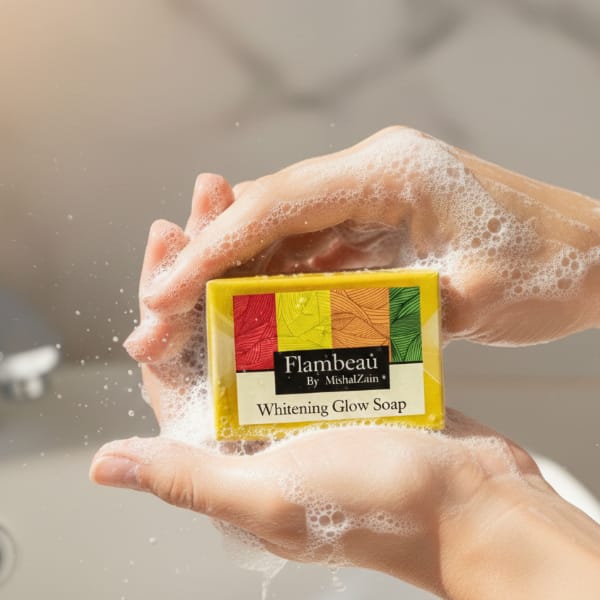
For a gentle option, you might consider a product like the Whitening Glow Soap, which is a mild cleansing bar that can be used daily, but it’s not a substitute for a dedicated exfoliant. Use it as your cleanser, and keep your exfoliation separate.
Step 3: Tone – Balance and Prep
Toners are often misunderstood. They’re not astringent liquids that strip your skin (that’s the old-school alcohol-based toners). Modern toners are hydrating and balancing, helping to remove any leftover residue after cleansing, restore your skin’s pH, and prep it to absorb the next products. For beginners, a simple alcohol-free toner can make a noticeable difference in how your skin feels.
Choose a toner based on your skin’s needs: if you’re oily, look for witch hazel or niacinamide to control oil; if you’re dry, choose a hydrating toner with hyaluronic acid or glycerin; if you’re sensitive, go for a soothing toner with rose water or chamomile. Apply toner with a cotton pad or directly with your hands, pressing it into the skin.
You might think toner is an extra step you can skip, but it actually helps your moisturizer work better. It also refreshes your skin, especially in Pakistan’s hot, humid climate where your face can feel sticky by mid-afternoon. A quick splash of toner can revive your skin without washing it again.
If you’re on a tight budget, you can even use rose water as a toner – it’s affordable and gentle. Just make sure it’s pure and alcohol-free. But if you’re ready to invest, look for a toner that addresses your specific concerns. Remember, toner should never make your skin feel tight or dry – if it does, it’s not right for you.
Step 4: Moisturize – Hydration Is Key
Moisturizing is essential for all skin types, even oily skin. When your skin lacks moisture, it can produce more oil to compensate, leading to breakouts. A good moisturizer locks in hydration and keeps your skin soft and supple. For oily skin, choose a lightweight, oil-free gel or lotion; for dry skin, opt for a richer cream; for combination skin, you might need a lighter moisturizer for the whole face and a heavier one for dry areas.
Apply moisturizer while your skin is still slightly damp – this helps trap water in the skin. Use gentle upward strokes. Don’t forget your neck and décolletage; they show signs of aging too. In the morning, you can use a moisturizer with SPF, but in our routine, sunscreen is a separate step, so apply moisturizer first, let it absorb, then sunscreen.
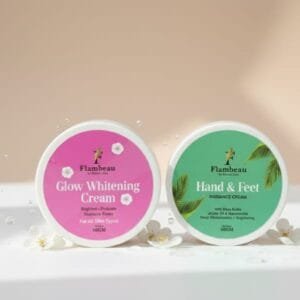
If you have very dry or rough patches, consider a product like the Glow Care Bundle – Hand & Feet Cream and Whitening Glow Cream. While it’s designed for hands and feet, it shows how targeted creams can address specific concerns. For your face, stick to a dedicated facial moisturizer.
At night, you can use a slightly richer moisturizer or add a facial oil if your skin is dry. But for beginners, a single moisturizer works for both day and night. Just make sure it doesn’t clog your pores (look for ‘non-comedogenic’ on the label). Moisturizing is the step that prevents that tight, uncomfortable feeling and keeps your skin barrier healthy.
Step 5: Protect – Sunscreen Every Morning
Sunscreen is non-negotiable. It’s the single most effective anti-aging product you can use, and it prevents dark spots, hyperpigmentation, and skin cancer. In Pakistan, the sun is intense, so daily SPF is crucial. Choose a broad-spectrum sunscreen with at least SPF 30, and apply it as the last step of your morning routine, about 15 minutes before going outside. Reapply every two hours if you’re outdoors.
Many people skip sunscreen because they think it makes their skin greasy or leaves a white cast. But modern sunscreens come in lightweight gels, lotions, and even powders. Look for terms like ‘oil-free,’ ‘non-comedogenic,’ or ‘matte finish.’ If you have dark skin, look for ‘invisible’ or ‘no white cast’ formulas. You can also try physical (zinc oxide) or chemical (avobenzone) filters – both work if applied correctly.
Remember that sunscreen is not just for the beach or summer. Even on cloudy days, up to 80% of UV rays can reach your skin. And if you’re using any exfoliants or brightening products, sunscreen is even more important because your skin becomes more sensitive to sun damage. Make it a habit: after your moisturizer, apply sunscreen every morning, and you’ll thank yourself later.
If you want to simplify, you can use a moisturizer with built-in SPF, but make sure it provides enough protection (SPF 30) and you apply enough – about a teaspoon for your face and neck. Otherwise, a separate sunscreen is safer. And don’t forget your lips and the back of your hands – they need protection too.
Adjusting for Your Skin Type
No two faces are the same, so your routine should adapt to your skin type. Here’s how to tweak the 5-step routine for common skin types:
Dry Skin
If your skin feels tight and looks flaky, focus on hydration. Use a creamy cleanser, exfoliate with a gentle lactic acid once a week, and apply a rich moisturizer. Add a hydrating toner and consider a facial oil at night. Avoid foaming cleansers and alcohol-based toners.
Oily Skin
Oily skin needs balance, not stripping. Use a gel cleanser with salicylic acid, exfoliate twice a week with a BHA, and choose a lightweight, oil-free moisturizer. A toner with niacinamide can help control oil. Don’t skip sunscreen – use a mattifying formula.
Combination Skin
You have dry areas on your cheeks and oily in the T-zone. Use a mild cleanser, exfoliate once a week, and apply a light moisturizer all over, then a richer one on dry spots. You can use a toner that’s balancing without being drying.
Sensitive Skin
If your skin reacts easily, keep it simple. Use a fragrance-free cleanser, skip exfoliation until your skin calms, or use a very mild enzyme exfoliant once a week. Choose a soothing toner with rose water, and a moisturizer with ceramides. Always patch test new products.
Acne-Prone Skin
Acne-prone skin benefits from salicylic acid cleanser, sometimes a benzoyl peroxide spot treatment (but not with other actives), and a non-comedogenic moisturizer. Exfoliate with BHA twice a week. Avoid heavy creams and oil-based sunscreens. Be patient – it takes time.
Remember, these are starting points. Your skin can change with seasons, hormones, and age, so adjust as needed. The key is to listen to your skin and respond to what it needs.
Common Mistakes to Avoid
Even with the best intentions, beginners make mistakes that set back their progress. Here are the most common ones to avoid:
- Over-cleansing: Washing your face more than twice a day strips natural oils and irritates skin. Stick to morning and night, and if you’re sweaty, rinse with water.
- Skipping sunscreen: This is the biggest mistake. Sun damage is cumulative and hard to reverse. Make SPF a daily habit.
- Using too many active ingredients: Layering acids, retinoids, and vitamin C can cause redness and peeling. Introduce one active at a time.
- Not patch testing: Always test a new product on a small area for 24-48 hours to avoid a full-face reaction.
- Expecting instant results: Skincare takes time – at least one skin cycle (about 28 days) to see changes. Be patient.
- Ignoring your neck and chest: These areas show aging too, so extend your routine down to your collarbone.
Another mistake is following trends without understanding your skin. Just because a celebrity swears by a 10-step routine doesn’t mean it’s right for you. Keep it simple and consistent. And if you have persistent issues like acne or eczema, consult a dermatologist instead of self-treating.
Finally, don’t forget that your skin is part of your overall health. Drink plenty of water, eat a balanced diet, get enough sleep, and manage stress. These lifestyle factors show up on your face. A good routine supports your skin, but it can’t undo a poor diet or chronic sleep deprivation.
If you’re looking for more guidance, browse our blog for tips on specific topics, or explore our Skin Care category to find gentle products that suit your needs. And for winding down at night, check out our calming nighttime routine – sleep and skin go hand in hand.
Building a routine is a journey, not a destination. Start with these five steps, give your skin time to adapt, and you’ll soon see a healthier, more radiant complexion. Remember, consistency beats intensity – a simple routine you follow daily will outperform a complicated one you skip often.
Frequently Asked Questions
How long does it take to see results from a new skincare routine?
It typically takes at least one skin cycle, about 28 days, to see noticeable changes. Some improvements like hydration may appear sooner, but be patient and consistent.
Can I skip toner if I'm on a budget?
Yes, toner is not essential for everyone. If you skip it, focus on cleansing, moisturizing, and sunscreen. You can also use rose water as a cheap alternative.
How do I know my skin type?
Wash your face and wait an hour without applying anything. If it feels tight, you're dry; if it's shiny, you're oily; if it's dry on cheeks and oily in the T-zone, you're combination. If it reacts easily, you're sensitive.
Is sunscreen really necessary every day in Pakistan?
Absolutely. UV rays are present year-round, and Pakistan has intense sun. Daily SPF 30 or higher helps prevent dark spots and premature aging, even on cloudy days.
Written by Mishal Rehman, owner of Flambeauty — sharing practical, professional beauty and skincare guidance.
Updated: August 2026