Learn how to choose a non-comedogenic face wash that cleans without clogging pores. Expert tips on ingredients, skin types, and mistakes to avoid for...
To pick a face wash that won’t clog pores, look for a non-comedogenic formula with water-based, gel, or foaming textures, and avoid heavy oils, butters, and silicones. Check the ingredient list for pore-clogging culprits like isopropyl myristate, cocoa butter, and certain waxes. For oily or acne-prone skin, choose a cleanser with salicylic acid or benzoyl peroxide; for dry or sensitive skin, opt for gentle, hydrating ingredients like glycerin or ceramides. Always patch test new products and wash twice daily to keep pores clear without over-stripping.
Understanding Pore-Clogging Ingredients
When you’re scanning the back of a face wash bottle, the ingredient list is your best friend. Certain ingredients are notorious for their ability to trap dead skin cells, excess oil, and bacteria inside your pores, leading to blackheads, whiteheads, and breakouts. The most common culprits include heavy oils like coconut oil, mineral oil, and soybean oil, as well as butters such as cocoa butter and shea butter. These rich emollients can sit on the skin’s surface and create a barrier that prevents natural exfoliation, making it easier for pores to become blocked.
Silicones are another group to watch out for—ingredients ending in “-cone,” like dimethicone, cyclopentasiloxane, or cyclohexasiloxane, are often added to create a smooth, silky feel. While not inherently bad, they can form a film over the skin that traps dirt and oil, especially if not thoroughly removed. Waxes like beeswax or carnauba wax, and certain fatty alcohols like cetyl alcohol, can also contribute to clogging in higher concentrations. If you have acne-prone skin, it’s wise to avoid these ingredients entirely.
Instead, look for face washes that are labeled non-comedogenic, meaning they’re specifically formulated not to block pores. However, be aware that this label isn’t regulated, so it’s still important to scan the ingredients yourself. A good rule of thumb is to choose a face wash that is water-based, has a gel or foaming texture, and contains light, non-pore-clogging humectants like glycerin, hyaluronic acid, or aloe vera. These ingredients draw water into the skin without leaving a heavy residue.
For those dealing with active breakouts, consider a face wash with salicylic acid (a beta-hydroxy acid that penetrates oil to exfoliate inside the pore) or benzoyl peroxide (which kills acne-causing bacteria). Both are proven to reduce clogged pores and improve skin texture. If you have sensitive skin, a gentle, fragrance-free cleanser with ingredients like green tea extract or centella asiatica can calm inflammation while still cleansing effectively.
In Pakistan’s hot and humid climate, your face wash should also be lightweight. Heavy creams or oil-based cleansers might feel comfortable in winter but can suffocate your skin in summer. Always check the viscosity and texture—if it feels greasy in the bottle, it might leave a greasy residue on your skin. Remember, the goal is a clean, fresh feeling, not a tight or stripped one.
If you’re overwhelmed by ingredient lists, a simple trick is to search for the product on the American Academy of Dermatology website, which offers guidance on deciphering labels and choosing non-comedogenic products. Many dermatologists also recommend using online comedogenic ingredient checkers, but these can be overly cautious—what matters is the overall formulation and your skin’s individual response.
Matching the Face Wash to Your Skin Type
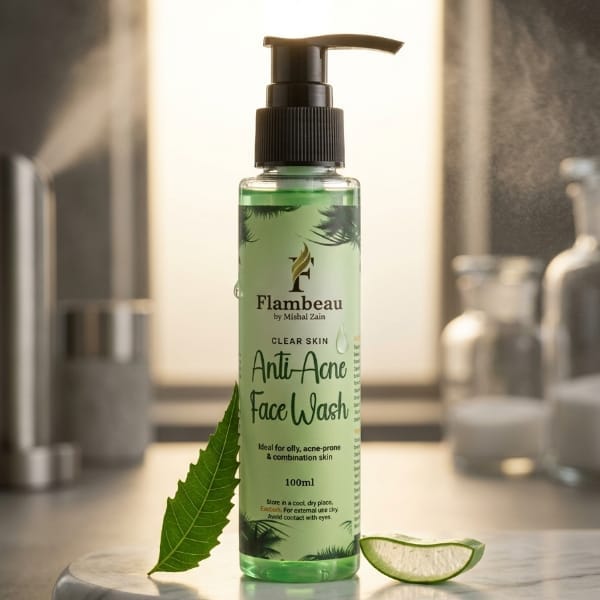
No single face wash works for everyone, because your skin’s needs vary based on genetics, climate, and lifestyle. For oily skin, you need a cleanser that removes excess sebum without stripping your skin’s natural moisture barrier. Look for ingredients like salicylic acid, tea tree oil, or niacinamide, which help regulate oil production and reduce shine. A foaming or gel cleanser is ideal, as it rinses cleanly and leaves no residue. The Anti Acne Facewash for Pimples & Oil Control – Deep Cleansing Formula is a great option, as it contains salicylic acid and is specifically designed for oily, acne-prone skin.
Dry skin, on the other hand, needs a cream or lotion cleanser that hydrates while it cleans. Harsh foaming cleansers can strip away the natural oils, leaving your skin tight and flaky. Instead, opt for a gentle, milky cleanser with ingredients like ceramides, glycerin, or hyaluronic acid. These ingredients help maintain the skin barrier and lock in moisture. A creamy cleanser can still be non-comedogenic, so don’t assume all creams clog pores—check the ingredient list for non-comedogenic oils like jojoba or squalane, which mimic your skin’s natural sebum.
Combination skin is tricky because you have both oily and dry areas. The key is to use a balanced cleanser that cleanses the T-zone without dehydrating the cheeks. A gel-based cleanser with a gentle surfactant, like cocamidopropyl betaine, works well. You might also consider using different cleansers on different parts of your face—a foaming one for the nose and forehead, and a cream one for the cheeks. This may sound complicated, but it’s a common practice among skincare enthusiasts.
Sensitive skin requires extra care. Your face wash should be fragrance-free, dye-free, and free of harsh sulfates like sodium lauryl sulfate (SLS) and sodium laureth sulfate (SLES), which can cause irritation. Look for soothing ingredients like aloe vera, allantoin, or oat extract. A non-foaming, lotion-like cleanser is often the most gentle option. If you have rosacea or eczema, always patch test a new product on your inner arm for 24 hours before using it on your face.
Acne-prone skin benefits from face washes containing benzoyl peroxide or salicylic acid, but these can be drying, so start by using them once a day and gradually increase as your skin adjusts. For mild acne, a cleanser with 2% salicylic acid is effective. For more severe breakouts, you might need a prescription-strength product, but always consult a dermatologist first. Remember, always patch test first before introducing any new product into your routine.
In Pakistan, where humidity levels can be high, your skin may change with the seasons. During summer, you might need a more clarifying cleanser, while in winter, a more hydrating one. Adjust your routine accordingly. For more tips on adapting your skincare to the colder months, check out our Winter Skin Survival Guide.
Step-by-Step Guide to Testing a Face Wash
Before committing to a new face wash, it’s wise to test it for pore-clogging potential. Start by examining the texture and consistency—if it’s a thick cream that feels heavy, it might not be the best choice for oily skin. Gel and foam cleansers are generally lighter and rinse off more completely. Next, read the ingredient list and look for the comedogenic culprits mentioned earlier. Use an online ingredient checker or a skincare app to get a quick analysis, but remember that these tools are not perfect.
The most reliable test is a patch test on your jawline or behind your ear. Apply a small amount of the cleanser twice a day for a week and watch for any new breakouts, redness, or irritation. If none appear, it’s likely safe to use on your entire face. However, even if a product doesn’t clog your pores, it might still cause irritation or dryness, so pay attention to how your skin feels after cleansing—it should feel clean and comfortable, not tight or itchy.
When you first start using a new face wash, introduce it gradually. Use it once a day for the first week, then twice a day if your skin tolerates it. This gives your skin time to adjust and helps you identify any adverse reactions. If you’re using an active ingredient like salicylic acid, you might experience a purging period where some breakouts surface—this is normal and usually resolves within a few weeks. Don’t panic and switch products immediately; give it time.
To properly test a face wash, follow these steps: First, splash your face with lukewarm water (hot water can strip your skin). Second, squeeze a pea-sized amount into your palm and lather it between your hands. Third, massage it gently onto your damp skin in circular motions for about 30 seconds, avoiding the eye area. Fourth, rinse thoroughly with lukewarm water and pat your skin dry with a clean towel—don’t rub. Fifth, apply your moisturizer while your skin is still slightly damp to lock in hydration.
Pay attention to how your skin feels immediately after rinsing and again after 10 minutes. If it feels tight, your cleanser might be too harsh. If it feels greasy, it might not be cleansing deeply enough. The ideal cleanser leaves your skin feeling balanced—not stripped, not oily. If you notice any new blackheads or whiteheads forming within a week, that’s a red flag that the product is clogging your pores. In that case, discontinue use and try a different formula.
It’s also important to consider the pH of your face wash. Your skin’s natural pH is slightly acidic, around 4.5 to 5.5. Cleansers with a higher pH (alkaline) can disrupt your skin barrier and lead to dryness and breakouts. Most gentle cleansers are pH-balanced, but you can test with pH strips if you’re curious. In general, avoid cleansers that contain harsh sulfates, as they tend to be more alkaline. A good rule is to choose a cleanser that doesn’t make your skin feel squeaky clean—that squeaky feeling actually means your skin’s natural oils have been stripped away.
Common Mistakes That Lead to Clogged Pores
Even with the right face wash, you can still end up with clogged pores if you make mistakes in your cleansing routine. One of the most common errors is washing your face too often. Over-washing can strip your skin of its natural oils, causing it to produce even more oil to compensate, which in turn leads to clogged pores. Dermatologists recommend washing twice a day—once in the morning and once at night—and after heavy sweating. If you feel the need to cleanse more often, use just water or a gentle toner.
Another mistake is using water that’s too hot. Hot water can irritate your skin and remove essential lipids, weakening your skin barrier. Always use lukewarm water, which is comfortable and effective at removing dirt and oil without over-drying. Similarly, using a washcloth or facial sponge that’s rough can cause micro-tears in your skin, leading to inflammation and clogged pores. Instead, use your fingertips or a soft, clean washcloth, and pat your skin dry rather than rubbing.
Not removing your makeup before washing is a big no-no. If you wear heavy foundation or waterproof sunscreen, a face wash alone might not be enough to remove all traces. You need a separate oil-based cleanser or makeup remover to break down these products, followed by your regular face wash. Skipping this double-cleansing step can leave residue behind, which mixes with sebum and dead skin cells to clog your pores. If you’re unsure about the right order, check out our guide on building a complete skincare routine.
Another common mistake is using too much product. A pea-sized amount is sufficient for most face washes; using more doesn’t clean better and can leave a film on your skin. Also, avoid leaving the cleanser on your face for more than a minute—it’s not a mask unless the label says so. Prolonged contact can cause irritation and disrupt your skin’s pH balance. Rinse thoroughly, especially around your hairline, jawline, and nose, where product tends to accumulate.
Finally, don’t ignore your moisturizer. Some people with oily skin skip moisturizer to avoid clogging, but this is counterproductive. When your skin is dehydrated, it produces more oil, leading to clogged pores. Choose a lightweight, oil-free moisturizer that’s non-comedogenic. Similarly, always apply sunscreen during the day, but make sure it’s also non-comedogenic. Look for sunscreens with ingredients like zinc oxide or titanium dioxide, which are less likely to clog pores.
It’s also important to clean your face wash bottle or pump regularly to prevent bacteria buildup. And don’t forget to wash your hands before washing your face—your hands carry germs that can transfer to your skin. If you use a cleansing brush, make sure to sanitize it frequently and replace the brush head every few months. By avoiding these common mistakes, you’ll get the most out of your face wash and keep your pores clear.
Choosing the Right Face Wash for Your Skin Concerns
Beyond basic skin type, your specific skin concerns should guide your choice of face wash. If you’re dealing with acne, look for a cleanser with salicylic acid or benzoyl peroxide. These ingredients help unclog pores and reduce inflammation. For example, the Anti Acne Facewash for Pimples & Oil Control – Deep Cleansing Formula is specifically formulated to target pimples and excess oil, making it a solid choice for acne-prone skin in Pakistan’s climate.
For hyperpigmentation and dullness, a cleanser with brightening agents like vitamin C, niacinamide, or licorice extract can help even out your skin tone. The Whitening Face Wash – Brightening & Deep Cleansing is designed to improve skin radiance and reduce dark spots. However, keep in mind that a cleanser is only on your skin for a minute, so the concentration of active ingredients is limited. For more dramatic results, you might need a serum or treatment as well.

If you have blackheads, look for a face wash containing salicylic acid or alpha-hydroxy acids (AHAs) like glycolic acid. These exfoliate the skin’s surface and help dissolve the plugs in pores. You can also use a cleanser with charcoal or clay, which help draw out impurities. However, be cautious with these if you have sensitive skin, as they can be drying. For whiteheads, a cleanser with benzoyl peroxide or azelaic acid can be effective.
For redness and inflammation, choose a soothing face wash with ingredients like aloe vera, chamomile, or allantoin. Avoid fragrances, alcohol, and essential oils, which can irritate. A gentle, non-foaming cleanser is often best. If you have eczema or psoriasis, consult your dermatologist before using any active ingredients. Your priority should be to maintain your skin barrier, so choose a cleanser that is hydrating and pH-balanced.
When you have multiple concerns, like acne and dark spots, pick one primary concern to address first. Using too many actives can overwhelm your skin. For example, if acne is your main issue, focus on a salicylic acid cleanser, and once acne is under control, you can incorporate a brightening serum. Always remember that consistency is key in skincare—give any product at least 4-6 weeks to show results.
In Pakistan, where pollution and hard water can affect your skin, a good face wash is your first line of defense. Consider adding a gentle exfoliating cleanser to your routine 2-3 times a week to remove dead skin cells and prevent clogged pores. Look for products with fruit enzymes or low-concentration AHAs. And don’t forget to check the face wash category at Flambeauty for options tailored to local needs, or explore our blog for more skincare tips.
Adapting Your Face Wash Choice for Different Seasons and Budgets
Your skin’s needs change with the seasons, and so should your face wash. In Pakistan’s hot and humid summers, your skin produces more oil, so you might need a stronger foaming cleanser with salicylic acid. In winter, when the air is dry, your skin can become dehydrated, so switch to a creamier cleanser with hydrating ingredients like glycerin or hyaluronic acid. Pay attention to how your skin feels—if it feels tight or flaky, it’s time to switch to a gentler formula.
If you have combination skin, you might need to adjust seasonally: use a gel cleanser in summer, and a cream cleanser in winter. For those with sensitive skin, always choose a mild, fragrance-free cleanser that won’t irritate your skin barrier. Winter can be particularly harsh on sensitive skin, so consider using a cleansing milk or balm that dissolves impurities without stripping. You can also use a hydrating toner after cleansing to add an extra layer of moisture.
Budget is another important factor. You don’t need to spend a fortune to get a good face wash. Many affordable options contain effective ingredients like salicylic acid, niacinamide, or glycerin. Look for products with short ingredient lists and avoid unnecessary fillers. In Pakistan, you can find decent face washes in the PKR 500-1500 range, but premium products can go higher. The key is to focus on the ingredients, not the price tag.
If you’re on a tight budget, you can also make your own gentle cleanser using natural ingredients like rose water and glycerin, but be cautious—DIY products can harbor bacteria and may not be balanced. It’s safer to buy a reputable product. For those who prefer premium products, Flambeauty offers quality face washes that are reasonably priced for the local market. Remember, a good face wash doesn’t have to be expensive—it just needs to be non-comedogenic and suited to your skin.
Another way to adapt is by using a face wash that serves multiple purposes, such as a 2-in-1 cleanser that also removes makeup or one with SPF. However, don’t rely on a face wash for sun protection—you still need a dedicated sunscreen. And if you’re using a face wash with active ingredients, be mindful of your overall routine to avoid over-exfoliating. Always read the label and follow the instructions.
Finally, consider your lifestyle. If you sweat a lot or exercise regularly, you might need a more thorough cleanser. If you wear heavy makeup, double cleansing is a must. If you’re often exposed to pollution, a cleanser with antioxidants like vitamin C or green tea can help neutralize free radicals. By adapting your face wash to your skin’s changing needs, you can effectively prevent clogged pores and maintain healthy, glowing skin.
Frequently Asked Questions
What does non-comedogenic mean?
Non-comedogenic means a product is formulated to not clog pores. However, this label isn't regulated, so it's important to check the ingredient list for known pore-clogging ingredients like heavy oils and silicones.
Can a face wash really clog pores?
Yes, if a face wash contains heavy oils, butters, or waxes, it can leave a residue that traps dead skin and oil, leading to clogged pores and breakouts. Choosing a lightweight, non-comedogenic formula helps avoid this.
How often should I wash my face to prevent clogged pores?
Most dermatologists recommend washing twice a day—morning and night—and after heavy sweating. Over-washing can strip your skin and trigger excess oil, which may worsen clogged pores.
Is a foaming face wash better for oily skin?
Generally, yes. Foaming cleansers are lighter and rinse off more completely, making them suitable for oily or combination skin. However, avoid harsh sulfates that can over-dry and cause more oil production.
Written by Mishal Rehman, owner of Flambeauty — sharing practical, professional beauty and skincare guidance.
Updated: August 2026