Is your face wash causing breakouts? Learn the common ingredients and habits that trigger acne, plus how to choose a cleanser that keeps skin clear and calm.
Your face wash might be causing breakouts if it strips your skin’s natural oils, contains pore-clogging ingredients, or disrupts your skin barrier. Harsh surfactants, fragrances, and over-cleansing trigger irritation and excess oil production, leading to more pimples. Switching to a gentle, non-comedogenic cleanser can often clear things up.
How Your Face Wash Could Be Triggering Breakouts
It sounds counterintuitive: you’re washing your face to get rid of acne, but the cleanser itself might be the culprit. Many people assume that if their skin is breaking out, they need to wash more often or use a stronger product. In reality, the opposite is often true. A face wash that’s too harsh can strip away the skin’s natural moisture barrier, leaving it dry, tight, and vulnerable. When that happens, your skin tries to compensate by producing more oil, which can mix with dead skin cells and clog pores, leading to even more breakouts. This cycle is frustrating, but it’s also very common.
The problem isn’t just about oil production. Harsh cleansing can also cause micro-inflammation, which makes existing pimples redder and more irritated, and can trigger new ones. If you’ve ever noticed that your skin looks worse after washing—red, blotchy, or with new tiny bumps—your cleanser might be the issue. It’s important to understand that not all breakouts are caused by dirt or oil; sometimes they’re a reaction to irritation. That’s why identifying the right cleanser for your skin type is the first step toward clearer skin.
Another factor is the ingredients in your face wash. Some cleansers contain comedogenic ingredients like certain oils, lanolin, or heavy creams that can block pores. Others have harsh surfactants like sodium lauryl sulfate (SLS) that strip the skin. Even some acne-fighting ingredients, like benzoyl peroxide or salicylic acid, can be too strong if used in a cleanser that’s left on the skin too long or used too frequently. The key is to find a balance: a cleanser that removes dirt, oil, and makeup without disturbing the skin’s natural balance.
In Pakistan, where humidity and heat can make skin oilier, many people gravitate toward strong, soapy cleansers to feel “squeaky clean.” But that squeaky feeling is actually a sign that your skin’s barrier has been compromised. A better approach is to choose a gentle, effective cleanser that respects your skin’s pH and moisture levels. In the following sections, we’ll explore the specific ingredients and habits that could be causing your breakouts, and how to fix them.
Common Ingredients and Habits That Sabotage Your Skin
When you’re trying to clear up acne, it’s natural to reach for products that promise to dry out pimples or kill bacteria. But some of the most common ingredients in face washes can actually make things worse. Let’s start with sodium lauryl sulfate (SLS) and sodium laureth sulfate (SLES). These are foaming agents that create that rich lather many of us associate with cleanliness. However, they’re also known irritants that can strip the skin’s natural oils, leading to dryness, redness, and a compromised barrier. For acne-prone skin, this can trigger a rebound in oil production and inflammation.
Another culprit is fragrance. Synthetic fragrances are a top cause of allergic contact dermatitis, which can manifest as redness, itching, and yes, breakouts. Even “natural” fragrances like essential oils can be irritating for some people. If your skin is sensitive or acne-prone, it’s best to choose fragrance-free products. Similarly, alcohol (specifically denatured alcohol) is often used in cleansers to give a quick-drying, matte finish, but it can be extremely drying and disruptive to the skin barrier. Over time, this can lead to more oil production and more breakouts.
Then there’s the issue of over-cleansing. Washing your face more than twice a day, or using harsh scrubs daily, can physically irritate the skin and strip it of moisture. Some people also use hot water, which further dries and inflames the skin. And let’s not forget not rinsing properly—residue from cleanser can clog pores and cause irritation. If you’re using a cleanser with active ingredients like salicylic acid or benzoyl peroxide, leaving it on too long or using it too often can also lead to irritation and breakouts.
Finally, consider the pH of your cleanser. The skin’s natural pH is slightly acidic (around 4.5 to 5.5). Many traditional bar soaps and some liquid cleansers have a high pH (alkaline), which can disrupt the skin’s acid mantle, leading to dryness and a higher likelihood of acne-causing bacteria. Choosing a pH-balanced cleanser is a simple but effective way to support your skin’s health. If you’re using a product that leaves your skin feeling tight and dry, it’s likely too alkaline or too harsh.
How to Identify If Your Face Wash Is the Problem
Before you toss your current cleanser, it’s worth doing a little detective work. Start by paying attention to when your breakouts occur. Do they flare up right after washing? Are they concentrated in areas where you apply the cleanser most vigorously, like your cheeks and forehead? If so, your face wash could be the trigger. Another sign is if your skin feels tight, dry, or uncomfortable after cleansing—that’s a red flag that your cleanser is too harsh.
You can also do a simple elimination test. Stop using your current face wash for a week or two and switch to a gentle, bland cleanser (like one with a short ingredient list and no actives). If your skin improves, you’ve found your culprit. If not, the issue might be elsewhere in your routine, such as your moisturizer, makeup, or diet. But it’s always smart to rule out the cleanser first, since it’s the product that touches your skin most frequently.
Another approach is to check the ingredient list against known pore-cloggers. Look for ingredients like coconut oil, wheat germ oil, lanolin, and isopropyl myristate, which have high comedogenic ratings. Also, be wary of algae extract and sodium chloride (salt), which can be problematic for some. If your cleanser contains any of these and you’re breaking out, it might be worth trying something else. Remember, not all acne is caused by bacteria; sometimes it’s purely irritation or clogged pores from product buildup.
Keep a simple skin diary. Note what you use, when you wash, and how your skin responds. This can help you spot patterns. For example, if you use a foaming cleanser in the morning and a scrub at night, your skin might be over-exfoliated and irritated. Or if you use a cleanser with salicylic acid twice a day, you might be overdoing it. A diary can also help you track whether other factors, like stress or diet, are contributing. But if you consistently see breakouts after cleansing, it’s time to reassess your face wash.
What to Look For in a Breakout-Friendly Cleanser
When shopping for a new face wash, the goal is to find one that cleans effectively without stripping or irritating. Look for gentle surfactants like cocamidopropyl betaine, sodium cocoyl isethionate, or glucosides (e.g., decyl glucoside). These are derived from coconut or sugar and are much less likely to cause irritation than SLS. Also, choose fragrance-free and alcohol-free formulas to minimize potential irritants. If you have acne, you might benefit from a cleanser with salicylic acid (a beta-hydroxy acid that helps unclog pores) or benzoyl peroxide (which kills acne bacteria), but these should be used with caution and not more than once or twice a day.
For oily or acne-prone skin, a gel-based or foaming cleanser is often a good choice because it removes excess oil without heavy moisturizers. For dry or sensitive skin, a creamy or lotion cleanser is better, as it cleans without disrupting the moisture barrier. If your skin is combination, you might need to adjust based on the season—lighter in summer, richer in winter. Non-comedogenic is a key term to look for; it means the product won’t clog pores. Also, consider the pH level—aim for a cleanser that’s slightly acidic to match your skin’s natural pH.
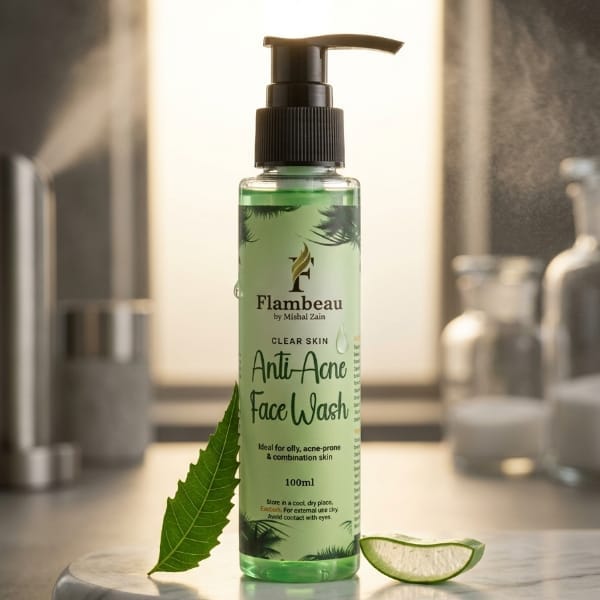
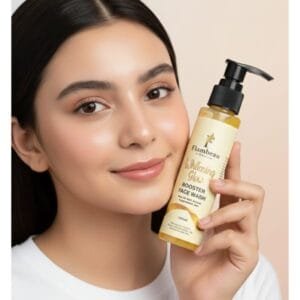
If you’re looking for a product that targets acne and oil control, a well-formulated option like the Anti Acne Facewash for Pimples & Oil Control – Deep Cleansing Formula can be a good fit. It’s designed to deep-clean without over-drying, which is crucial for breakout-prone skin. For those who also want to address dullness or uneven tone, a brightening cleanser like the Whitening Face Wash – Brightening & Deep Cleansing (note: “whitening” here refers to brightening and evening tone, not bleaching) can be used if it doesn’t irritate your skin. Always patch test first, especially if you have sensitive skin.
Don’t forget to check the full ingredient list for any known allergens or irritants. If you have rosacea or eczema, avoid menthol, camphor, and eucalyptus, which can trigger flare-ups. And remember, gentle is the new clean—your skin doesn’t need to feel squeaky to be clean. In fact, a little slip left on the skin after rinsing is a sign that your cleanser is respecting your barrier. When in doubt, opt for products with fewer ingredients and a clear focus on soothing and balancing.
Step-by-Step: Building a Breakout-Safe Cleansing Routine
Cleansing is the foundation of any skincare routine, but it’s also where many people go wrong. Here’s a simple, effective routine that won’t trigger breakouts. First, wash your hands before touching your face. Then, wet your face with lukewarm water—hot water strips oils, cold water doesn’t cleanse as well. Apply a small amount of cleanser (about a dime-sized) to your fingertips and gently massage it onto your skin in circular motions. Avoid scrubbing; be gentle, especially around the eyes and active breakouts. Rinse thoroughly with lukewarm water, making sure no residue is left behind. Pat dry with a clean, soft towel—don’t rub.
Do this twice a day—once in the morning and once at night. If you have very oily skin, you might be tempted to wash more often, but that can backfire. If you’ve exercised or been sweating heavily, you can rinse with water or use a gentle micellar water, but avoid over-cleansing. At night, if you wear makeup or sunscreen, consider a double cleanse: first use an oil-based cleanser or micellar water to remove makeup, then follow with your regular water-based cleanser. This ensures you’re not leaving pore-clogging residues behind.
After cleansing, apply a moisturizer suitable for your skin type. Even oily skin needs hydration—if you skip it, your skin may produce more oil to compensate. Look for a lightweight, non-comedogenic moisturizer. If you use acne treatments like retinoids or benzoyl peroxide, apply them after moisturizer to reduce irritation. And always finish with sunscreen in the morning, as many acne treatments increase sun sensitivity. For more tips on building a routine, check out our blog archive.
Adjust your routine based on your skin’s needs. If your skin feels tight after cleansing, your cleanser is too harsh—switch to a gentler one. If it feels oily an hour later, you might need a cleanser that balances oil better. If you’re using active ingredients, start slowly—once every other day—and gradually increase frequency as your skin tolerates it. And don’t forget to clean your phone screen and change your pillowcases regularly, as these can harbor bacteria that contribute to breakouts. A consistent, gentle routine is far more effective than aggressive, sporadic cleansing.
Adapting Your Cleansing Routine for Different Skin Types
Oily and Acne-Prone Skin
If your skin is oily and prone to breakouts, you need a cleanser that removes excess oil without stripping. Look for foaming or gel cleansers with ingredients like salicylic acid or niacinamide to help control oil and unclog pores. Avoid heavy creams and oils. Wash twice daily, but if you’re very oily, you can use a gentle toner mid-day to refresh. Be careful not to over-wash—it can trigger more oil production. Products like the Anti Acne Facewash are formulated for this skin type.
Dry and Dehydrated Skin
Dry skin needs a cleanser that hydrates while it cleans. Choose creamy, milk, or oil-based cleansers that are fragrance-free and contain ingredients like glycerin, hyaluronic acid, or ceramides. Avoid foaming cleansers and anything with alcohol or harsh surfactants. Wash with lukewarm water and limit cleansing to twice a day—if your skin feels dry in the morning, you can simply rinse with water. Always follow with a rich moisturizer to seal in hydration.
Combination Skin
Combination skin can be tricky because you might have an oily T-zone and dry cheeks. A gentle foaming cleanser that’s balanced for all skin types often works well. You can also use different cleansers for different areas, but that’s usually unnecessary. Look for a pH-balanced cleanser that removes oil without over-drying. If your T-zone is very oily, you can use a clay mask once a week on that area. Adjust your moisturizer accordingly—lighter on the T-zone, richer on the cheeks.
Sensitive and Reactive Skin
Sensitive skin requires extra care. Choose fragrance-free, dye-free, and minimal-ingredient cleansers. Non-foaming or micellar water can be good options, as they’re less likely to irritate. Avoid exfoliating acids and physical scrubs. Always patch test new products on a small area of your jawline or behind your ear before using them on your whole face. If your skin reacts, stop immediately. For more on gentle cleansing, see our post on natural body wash vs bar soap for sensitive skin.
Common Mistakes to Avoid When Cleansing Acne-Prone Skin
Even with the best intentions, it’s easy to fall into habits that sabotage your skin. One of the biggest mistakes is over-cleansing. Washing more than twice a day, or using harsh scrubs daily, can strip your skin and trigger more breakouts. Another is using hot water, which can inflame and dry out your skin. Always use lukewarm water. Also, avoid scrubbing aggressive—gentle circles are enough. If you use a physical exfoliant, limit it to once or twice a week, and be extra gentle around active acne.
Another common error is not rinsing thoroughly. Residue from cleanser can clog pores and cause irritation. Make sure to rinse until the water runs clear, and don’t forget the hairline and jawline. Similarly, using too much product can leave residue and irritate the skin. A dime-sized amount is usually sufficient. And not moisturizing after cleansing is a big no-no—even oily skin needs hydration to maintain a healthy barrier.
Many people also make the mistake of using acne treatments and cleansers with active ingredients together without adjusting. For example, using a salicylic acid cleanser and then a salicylic acid toner and then a benzoyl peroxide spot treatment can overwhelm your skin. Introduce one active at a time and monitor your skin’s response. Also, not giving a new product enough time to work—or giving it too much time when it’s clearly irritating—can be problematic. If a product causes redness, itching, or more breakouts, stop using it.
Lastly, don’t ignore the role of diet and lifestyle. While not the sole cause, high-glycemic foods and dairy can exacerbate acne in some people. Stress and lack of sleep also affect skin health. And remember, consistency is key—a gentle routine done daily will outperform a harsh routine done sporadically. If you’re unsure, consult a dermatologist. For more skincare tips, explore our rose water for skin article.
By paying attention to your cleanser and your cleansing habits, you can break the cycle of breakouts and achieve clearer, healthier-looking skin.
Frequently Asked Questions
How can I tell if my face wash is causing my breakouts?
If you notice new pimples or redness immediately after washing, or if your skin feels tight and dry, your face wash may be too harsh. Try switching to a gentle, fragrance-free cleanser for two weeks and see if your skin improves.
What ingredients should I avoid in a face wash if I'm acne-prone?
Avoid harsh surfactants like sodium lauryl sulfate (SLS), synthetic fragrances, alcohol, and known pore-cloggers like coconut oil and lanolin. Look for gentle surfactants like cocamidopropyl betaine and non-comedogenic formulas.
How often should I wash my face if I have acne?
Wash your face twice a day—once in the morning and once at night—using a gentle cleanser. Over-washing can strip your skin and trigger more oil production, leading to more breakouts.
Written by Mishal Rehman, owner of Flambeauty — sharing practical, professional beauty and skincare guidance.
Updated: September 2026