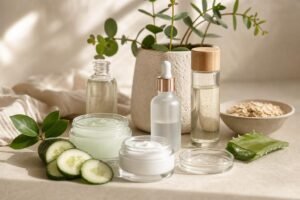
Struggling with sensitive skin? Compare natural body wash vs bar soap on ingredients, pH, and moisture. Find out which is gentler and how to choose the best...
For sensitive skin, natural bar soap is often the better choice than body wash because it typically has fewer ingredients, a higher pH (closer to skin’s natural 5.5), and no harsh sulfates or preservatives. However, not all bar soaps are created equal—look for ones with glycerin, goat milk, or olive oil, and always patch test first. Body washes can be gentle too, but they often contain synthetic detergents and fragrances that may trigger irritation. The key is reading labels and prioritizing simple, natural formulas.
What Makes Skin Sensitive and Why Cleanser Choice Matters
Sensitive skin is not a medical diagnosis but a skin condition characterized by heightened reactions to products, environmental factors, or even stress. It can manifest as redness, itching, burning, or dryness. The skin’s protective barrier, made of lipids and ceramides, is often compromised in sensitive skin, allowing irritants to penetrate more easily and moisture to escape. Cleansers play a critical role because they come into direct contact with this delicate barrier multiple times a day. A harsh cleanser can strip natural oils, disrupt the pH balance, and exacerbate sensitivity, while a gentle one can help maintain barrier function and reduce reactions.
When you wash with soap or body wash, you are essentially removing dirt, sweat, and excess oil. However, many conventional cleansers use surfactants that are too aggressive. For instance, sodium lauryl sulfate (SLS), a common foaming agent in body washes and some bar soaps, can be very drying and irritating. It’s often the culprit behind that tight, squeaky-clean feeling, which actually signals damage. In contrast, natural ingredients like coconut oil, shea butter, and aloe vera can cleanse without stripping. Understanding this science helps you see why the choice between bar soap and body wash isn’t just about preference—it’s about how each affects your skin’s delicate ecosystem.
Another factor is pH. Your skin’s natural pH is around 4.5 to 5.5, slightly acidic. This acidity helps inhibit the growth of harmful bacteria and keeps the barrier intact. Traditional bar soaps, especially those made with lye, can have a pH of 9 to 10, which is alkaline. This can disrupt the acid mantle, leading to dryness and irritation. On the other hand, many body washes are formulated to be pH-balanced, but they often compensate with synthetic ingredients. Natural bar soaps, like those made with goat milk or olive oil, can have a pH closer to neutral (7) or even slightly acidic, making them a safer bet for sensitive skin. The pH of a cleanser is a crucial indicator of its potential to irritate.
Moreover, the rinse-off nature of body cleansers means that ingredients are on the skin for a very short time. However, residue can remain, especially with creamy body washes that leave a moisturizing film. For sensitive skin, this residue might contain fragrances or preservatives that can cause contact dermatitis. Bar soaps, on the other hand, tend to rinse off more completely, leaving less behind. But some bar soaps can leave a soap scum that feels drying. The ideal cleanser for sensitive skin is one that cleanses effectively, respects the pH, and leaves no irritating residue. This is why reading ingredient lists and understanding your skin’s reactions is paramount.
In Pakistan, where we often face hot, humid summers and dry winters, the skin’s needs change seasonally. A heavy body wash might be too occlusive in summer, while a bar soap might be too drying in winter. Sensitive skin requires a flexible approach. For example, you might use a gentle bar soap in summer when sweat and oil are more prevalent, and switch to a creamy body wash in winter when the air is dry. This adaptability is another reason why having both options in your arsenal can be beneficial. Ultimately, the best cleanser is one that leaves your skin feeling clean, comfortable, and not stripped.
Additionally, the water hardness in your area matters. Hard water contains minerals like calcium and magnesium, which can react with soap to form a scum that clings to the skin, causing dryness and irritation. If you live in an area with hard water, a body wash might be easier to rinse off than a bar soap. However, using a chelating agent in the body wash can help. Natural bar soaps often contain chelators like sodium citrate. Understanding your water type can help you decide which cleanser will perform better for your sensitive skin. It’s another layer of consideration that goes beyond the simple bar vs. liquid debate.
Natural Bar Soap: Pros, Cons, and What to Look For
Natural bar soaps have been used for centuries, and for good reason. They are typically made from plant oils like olive, coconut, or palm, combined with an alkali (sodium hydroxide) to trigger saponification. The result is a simple product with few ingredients. For sensitive skin, this simplicity is a huge advantage. Fewer ingredients mean fewer potential irritants. Many natural bar soaps also retain glycerin, a byproduct of saponification, which is a humectant that draws moisture into the skin. Commercial soaps often remove glycerin to use in more expensive products, but artisanal and natural soaps keep it, making them more moisturizing.
However, not all bar soaps are natural. Many commercial bar soaps are actually synthetic detergents (syndets) that are pressed into bar form. They might contain sulfates, parabens, and artificial fragrances. True natural soaps have a simple ingredient list. For example, the Moroccan Nila Soap is made with natural oils and botanical extracts, offering a luxurious cleanse without harsh chemicals. This type of soap can be a wonderful choice for sensitive skin because it honors traditional soap-making methods. When choosing a bar soap, look for terms like “cold-processed,” “glycerin-rich,” or “unscented” to ensure you’re getting a gentle product.

The main con of bar soap is the high pH issue. Traditional bar soaps can be very alkaline, with a pH around 9-10. This can disrupt the acid mantle, especially for sensitive skin. However, some natural bar soaps are formulated with a lower pH by adding ingredients like citric acid or using certain oils that produce a milder soap. For instance, Goat Milk Soap is naturally creamy and has a pH closer to 6.5, which is more tolerable. Goat milk also contains lactic acid, which is a gentle alpha-hydroxy acid that helps exfoliate and brighten the skin without causing irritation. This makes goat milk soap an excellent option for sensitive skin.
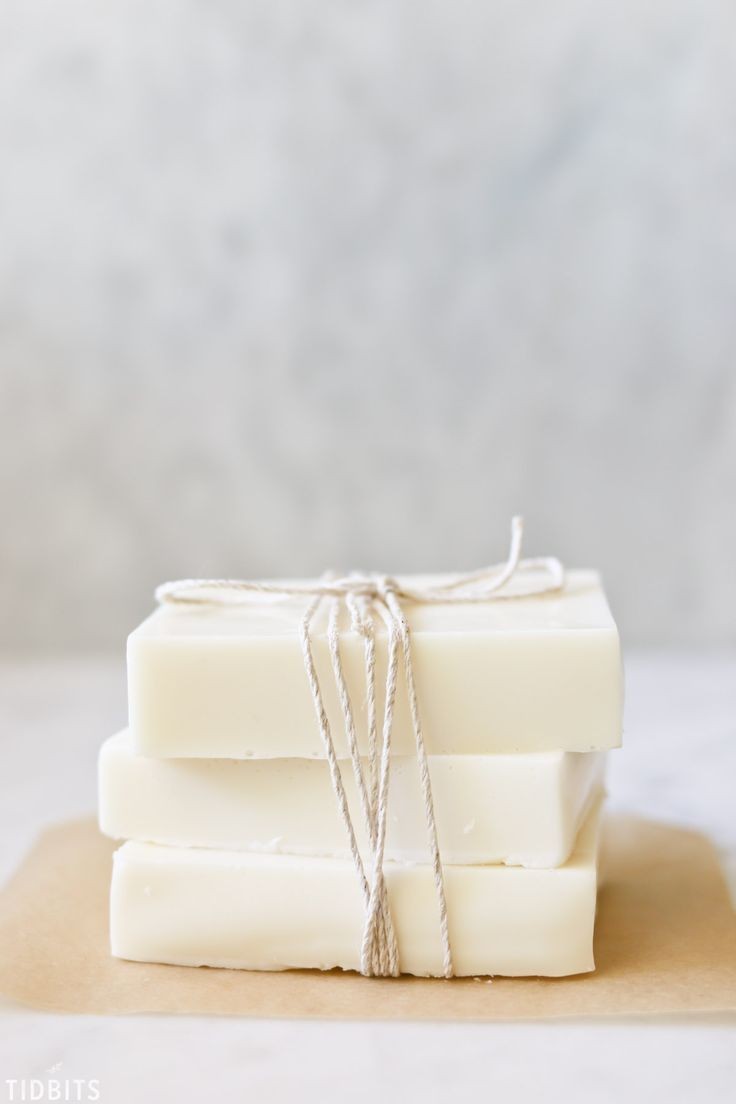
Another con is that bar soaps can be drying if they are over-cleansing or if you use them in hard water. The soap scum left behind can trap bacteria and cause dryness. To avoid this, always rinse thoroughly and follow with a moisturizer. Also, store your bar soap on a well-draining soap dish to keep it dry between uses, which prevents bacterial growth. For sensitive skin, it’s crucial to pick a bar soap that is free from added fragrances and dyes. Many natural soaps use essential oils for scent, which can be irritating to some. An unscented or lightly scented option is safest. Always patch test on a small area of your inner arm for 24 hours before using it fully.
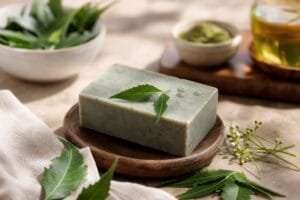
In Pakistan, we have a rich tradition of using natural ingredients like neem, turmeric, and sandalwood in soaps. These can be beneficial for sensitive skin due to their anti-inflammatory and antibacterial properties. However, be cautious with exfoliating bar soaps that contain physical particles like walnut shells or apricot seeds, as they can be too abrasive. For sensitive skin, a smooth, creamy bar soap is better. The soaps category at Flambeauty offers a range of natural bar soaps that are gentle and suitable for sensitive skin. Exploring these can help you find the perfect match for your skin.
One of the biggest advantages of bar soap is its eco-friendliness. It requires less packaging, often just a paper wrapper, and lasts longer than liquid body wash. This is not only good for the planet but also for your wallet. In a time where sustainability is crucial, choosing bar soap can be a small but meaningful step. For sensitive skin, the environmental aspect might not be a direct benefit, but the reduced exposure to preservatives (which are often needed in liquid products) is a plus. Bar soaps have a longer shelf life without preservatives because they have low water content. This means fewer chemicals on your skin.
Natural Body Wash: Pros, Cons, and What to Look For
Natural body washes are designed to be gentle, moisturizing, and convenient. They often contain a blend of plant-based surfactants like coco-glucoside or decyl glucoside, which are derived from coconut and are much milder than SLS. They also often include humectants like glycerin, aloe vera, and botanical oils to hydrate the skin. For sensitive skin, a well-formulated natural body wash can be a great choice because it can be pH-balanced and include soothing ingredients like chamomile or calendula. The liquid format also allows for more versatility in formulation, making it easier to add moisturizing agents without affecting the bar’s structure.
However, the pros come with cons. Body washes are typically more expensive per use than bar soaps because they contain a large percentage of water. They also require preservatives to prevent microbial growth, which can be potential irritants for sensitive skin. Even natural preservatives like phenoxyethanol or benzyl alcohol can cause reactions in some people. Additionally, many body washes contain synthetic fragrances, which are one of the most common causes of contact dermatitis. Even if a product is labeled “natural,” it might still contain essential oils that can be irritating. It’s essential to read the ingredient list carefully and choose fragrance-free options if you have sensitive skin.
Another issue is the packaging. Body washes come in plastic bottles, which contribute to environmental waste. While some brands offer refills or recyclable packaging, it’s still more waste than a bar soap. For sensitive skin, the convenience of a pump bottle might be worth it, but you should consider the environmental impact. Additionally, body washes often leave a moisturizing film on the skin, which can be beneficial for dry skin but might feel heavy or cause breakouts for others. This film can also trap bacteria if not rinsed properly, leading to folliculitis. To avoid this, rinse thoroughly with warm water and ensure no residue is left.
When choosing a natural body wash, look for products with a short ingredient list. The first ingredient should be water, followed by a mild surfactant, then moisturizers. Avoid anything with sodium lauryl sulfate, parabens, phthalates, or artificial colors. Look for certifications like “Ecocert” or “USDA Organic” if possible, but don’t rely solely on labels. Your skin is the best judge. A good body wash should leave your skin feeling soft, not tight or slippery. If it lathers excessively, it might contain harsh foaming agents. Gentle cleansers produce a low, creamy lather.
In Pakistan, the market for natural body washes is growing, with brands like Flambeauty offering products that cater to local needs. They understand the climate and skin concerns of Pakistani women and formulate accordingly. For instance, a body wash with neem or tea tree oil might be ideal for those prone to body acne, while a shea butter-based wash is better for dry skin. The key is to match the product to your specific skin type and concerns. For sensitive skin, always choose a body wash that is labeled “fragrance-free” and “hypoallergenic,” but remember that these terms are not regulated, so always check the ingredients.
Another point to consider is the pH of body washes. Many are formulated to be pH 5.5, which is perfect for sensitive skin. This helps maintain the acid mantle and prevents irritation. However, not all body washes are pH-balanced, so it’s worth testing with pH strips if you’re very concerned. Some natural body washes might have a slightly higher pH, but as long as it’s below 7, it’s generally fine. If you have conditions like eczema or psoriasis, a body wash with colloidal oatmeal can be soothing. Always patch test before incorporating a new body wash into your routine.
Step-by-Step Guide to Choosing the Right Cleanser for Your Skin
Choosing between natural body wash and bar soap doesn’t have to be overwhelming. Here’s a practical step-by-step guide to help you make the best decision for your sensitive skin. First, assess your skin type and concerns. Is your skin generally dry, oily, or combination? Do you have conditions like eczema or keratosis pilaris? Dry skin tends to do better with moisturizing body washes, while oily skin might prefer a bar soap that rinses clean. If you have a history of allergic reactions, you should lean towards minimal ingredient products, like a simple goat milk soap.
Second, read the ingredient list of any product you’re considering. Look for the first five ingredients, as they make up the majority of the product. Avoid anything with sulfates, parabens, phthalates, or synthetic fragrances. For bar soaps, look for oils like olive, coconut, or shea butter. For body washes, look for mild surfactants like cocamidopropyl betaine or sodium cocoate. If you see “fragrance” without specifying what it is, put it back. Fragrance is a hidden blend of many chemicals, often including allergens. Also, check for common irritants like alcohol, which can be drying.
Third, perform a patch test before using any new cleanser. Apply a small amount to the inside of your elbow or behind your ear, and leave it for 24 hours. If you experience any redness, itching, or burning, wash it off and don’t use the product. Patch testing is especially important for sensitive skin because reactions can be severe. Even if you’ve used a product before, your skin’s reactivity can change over time. Always patch test new products, even if they are natural.
Fourth, consider the season and environment. In summer, you might prefer a lighter cleanse like a bar soap that doesn’t leave a heavy film. In winter, a creamy body wash can provide extra moisture. In Pakistan, the monsoon season can increase humidity, making you sweat more, so you might need a more thorough cleanse. Adjust your cleanser accordingly. Also, consider your water hardness. If you have hard water, a body wash might lather better and rinse off more easily than a bar soap, which can leave a scum. If that’s the case, opt for a body wash or use a water softener.
Fifth, observe how your skin feels after cleansing. A good cleanser should leave your skin feeling clean, comfortable, and not tight or greasy. If it feels tight, it’s too harsh. If it feels slippery, you might not have rinsed well, or the product is leaving a residue. After patting dry, wait 10 minutes and see if any itching or redness appears. This delayed reaction can signal a problem. If you notice any issues, switch to a different product. Keeping a skincare diary can help you track which products work and which don’t.
Sixth, consult a dermatologist if you have persistent issues. They can perform patch testing to identify specific allergens and recommend suitable products. They might also prescribe a medicated cleanser if you have a condition like seborrheic dermatitis. Remember, natural doesn’t always mean safe for everyone. Some natural ingredients like essential oils or botanical extracts can be potent allergens. A dermatologist can guide you toward products that are truly gentle for your skin. If you’re in Pakistan, you can also check the Flambeauty blog for more skincare tips and product recommendations tailored to local needs.
Common Mistakes to Avoid with Cleansers for Sensitive Skin
One of the most common mistakes is using hot water. Hot water strips the skin of its natural oils, exacerbating dryness and irritation. Always use lukewarm water to cleanse. This is especially important for sensitive skin, as hot water can cause blood vessels to dilate, leading to redness and flushing. Similarly, scrubbing too hard with a loofah or washcloth can cause micro-tears in the skin, leading to irritation and infection. Use your hands or a soft cotton cloth to apply cleanser, and gently massage in circular motions for no more than a minute.
Another mistake is over-cleansing. Washing your body multiple times a day, especially with harsh soaps, can disrupt the skin barrier. For most people, cleansing once a day in the shower is sufficient. If you exercise and sweat, you can rinse off with water and use a gentle cleanser only in the underarms, groin, and feet, where odor occurs. Over-washing can strip beneficial oils and alter the microbiome, making skin more prone to infections and allergies. Listen to your skin—if it feels dry or tight, you’re cleansing too often.
Using the wrong type of bar soap is another pitfall. Many people assume all bar soaps are natural, but many commercial bars are actually detergents. They might contain artificial colors and fragrances that are irritating. Always check the label for “soap” vs. “beauty bar.” Soap is made from fats and lye, while beauty bars are synthetic. If you have sensitive skin, stick to true soaps or syndets specifically designed for sensitive skin. Also, avoid antibacterial soaps containing triclosan or triclocarban, as they can disrupt the skin’s microbiome and contribute to antibiotic resistance.
For body washes, a common mistake is not rinsing thoroughly. The creamy residue can remain on the skin, trapping dirt and bacteria, leading to clogged pores and folliculitis. Always rinse with plenty of water and ensure no slippery feel remains. Also, be mindful of the order of application. If you use a body wash, apply it after shampooing and conditioning to avoid your hair products running down your body and causing irritation. Similarly, if you use a bar soap, lather it in your hands before applying to your body, rather than rubbing the bar directly on your skin, which can be too harsh.
Another mistake is ignoring the rest of your routine. What you apply after cleansing matters just as much. Always follow up with a moisturizer suited for sensitive skin, preferably one with ceramides, hyaluronic acid, or oatmeal. This helps restore the barrier and lock in moisture. If you skip moisturizing, even the gentlest cleanser can leave your skin dry. Also, consider your laundry detergent, as residue on your clothes and towels can irritate your skin. Use fragrance-free, hypoallergenic detergents and avoid fabric softeners that can leave chemicals on fabric.
Finally, don’t be afraid to switch products if you notice irritation. Some people think they must stick to a product because it’s natural or expensive. But your skin is unique, and what works for others may not work for you. If you experience breakouts or rashes, discontinue use and try something else. It’s also important to patch test every new product, not just the first one. Our skin’s reactivity can change over time due to hormonal shifts, stress, and environment. By being attentive and flexible, you can find the perfect cleanser for your sensitive skin.
Skin Type and Lifestyle Considerations
Your skin type plays a crucial role in deciding between a natural body wash and bar soap. For dry skin, a creamy body wash with shea butter or ceramides can be more beneficial, as it provides extra moisture and doesn’t strip oils. Bar soaps, even natural ones, can be drying if they are not well-formulated. However, a goat milk soap can be an exception because it contains lactic acid and fats that are moisturizing. If you have dry skin, look for bar soaps with high fat content, like those made with olive oil or shea butter.
For oily or acne-prone skin, a bar soap might be preferable because it can remove excess oil without leaving a heavy residue. However, avoid bar soaps with heavy oils like coconut oil, which can be comedogenic. Instead, opt for a soap with neem or tea tree oil, which have antibacterial properties. Body washes for oily skin often contain salicylic acid or benzoyl peroxide, but these can be too harsh for sensitive skin. A gentle, non-comedogenic body wash with a low pH is a safer choice. You can also use a bar soap on your body and a body wash on areas that need more moisture.
For combination skin, you might need a two-pronged approach. Use a bar soap for your chest and back if they are oily, and a moisturizing body wash for your legs and arms if they are dry. This might seem complicated, but it’s effective. You can also choose a body wash that is balanced and not too heavy. In Pakistan’s humidity, a gel-based body wash might be refreshing, while in winter, a cream-based one is better. Listen to your skin and adjust your routine seasonally.
For sensitive skin with conditions like eczema or psoriasis, the choice is critical. These conditions involve an impaired skin barrier and increased inflammation. You need a cleanser that is extremely gentle, fragrance-free, and pH-balanced. Bar soaps can be too alkaline, even natural ones. A colloidal oatmeal body wash is often recommended by dermatologists for its anti-inflammatory properties. However, if you prefer bar soap, look for one with a pH of 5.5 or less, which is rare but possible. Always consult your dermatologist before using new products if you have a chronic condition.
Your lifestyle also matters. If you are always on the go, a bar soap is more travel-friendly and doesn’t leak. If you have a bathtub, a body wash can be used as a bubble bath, but be cautious as bubbles can be drying. If you exercise frequently, you might need to cleanse more often, so a gentle body wash that is quick to rinse might be more convenient. If you are environmentally conscious, bar soap is the better choice due to minimal packaging. Consider these factors when making your decision.
Finally, consider your budget. Natural body washes tend to be more expensive per ounce than bar soaps, but they are often more concentrated, so a little goes a long way. Bar soaps, on the other hand, last longer if stored properly. In Pakistan, prices vary widely. A high-end natural body wash might cost between Rs. 1,000 to Rs. 3,000, while a natural bar soap can be as low as Rs. 200 to Rs. 500. If you are on a tight budget, bar soap is more economical. However, if you find a body wash that works perfectly for your sensitive skin, the cost might be worth it.
Final Thoughts: Making the Right Choice for Your Sensitive Skin
In the debate between natural body wash and bar soap for sensitive skin, there is no one-size-fits-all answer. Both have their merits and drawbacks. Bar soaps are simple, eco-friendly, and cost-effective, but they can be drying if not chosen carefully. Body washes are convenient, moisturizing, and can be pH-balanced, but they often contain preservatives and fragrances that can irritate. The key is to understand your skin’s unique needs and preferences. Start by evaluating your skin type, reading labels, and patch testing. Don’t be afraid to try both and see which one your skin responds to better.
For many people with sensitive skin, a natural bar soap made with goat milk or olive oil is a gentle and effective choice. Products like the Goat Milk Soap from Flambeauty are specifically formulated to be mild and moisturizing. On the other hand, if you prefer a liquid cleanser, look for a body wash that is fragrance-free and has a short ingredient list. Remember, the best cleanser is one that leaves your skin feeling comfortable and healthy. It shouldn’t cause any tightness, itching, or redness.
Always remember to patch test any new product before using it fully, even if it’s natural. This simple step can prevent a full-blown reaction. Also, consider the season and your environment. In Pakistan’s climate, you might need to switch between a bar soap and body wash depending on the weather. During the humid summer, a bar soap might feel fresher, while in the dry winter, a creamy body wash can provide extra comfort. Pay attention to how your skin feels after cleansing and adjust accordingly.
If you’re still unsure, consult a dermatologist. They can provide personalized advice based on your skin’s specific conditions. You can also explore resources like the American Academy of Dermatology’s skin care secrets to learn more about caring for sensitive skin. Additionally, Flambeauty offers a range of natural soaps that are gentle on the skin. You can browse their soaps collection to find options that suit your needs. Remember, caring for sensitive skin is a journey, and with the right knowledge, you can make choices that keep your skin happy and healthy.
Frequently Asked Questions
Is bar soap more drying than body wash for sensitive skin?
Traditional bar soaps can be drying due to their high pH, but natural bar soaps made with glycerin or goat milk are often moisturizing. Body washes can also be drying if they contain sulfates. It's best to check the ingredients and pH.
Can I use a natural body wash if I have eczema?
Yes, but choose a fragrance-free, hypoallergenic body wash with soothing ingredients like colloidal oatmeal or aloe vera. Always patch test and consult your dermatologist if you have severe eczema.
How do I know if a soap is truly natural?
Look for a short ingredient list with plant oils and lye (sodium hydroxide). Avoid synthetic detergents, artificial fragrances, and parabens. Certifications like organic seals can help, but reading labels is key.
Written by Mishal Rehman, owner of Flambeauty — sharing practical, professional beauty and skincare guidance.
Updated: August 2026