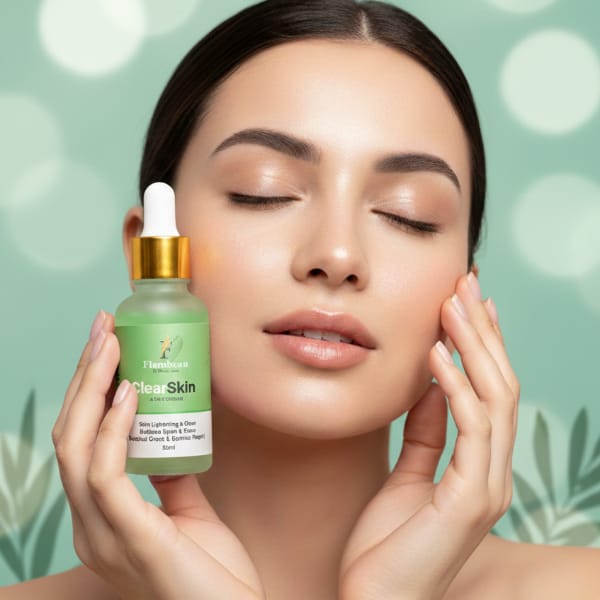
Wondering whether to apply serum or moisturizer first? Learn the correct skincare order, why it matters, and how to layer for your skin type in Pakistan's...
Apply serum first, then moisturizer. Serums are lightweight, concentrated formulas designed to deliver active ingredients deep into the skin, while moisturizers are thicker and create a protective barrier that locks in those actives and hydration. By layering serum before moisturizer, you ensure your skin absorbs the potent ingredients without interference, then seals them in for maximum effectiveness. This simple order works for all skin types and is the foundation of an effective routine.
Why Order Matters: The Science of Skin Absorption
Your skin is a remarkably selective barrier. Its outermost layer, the stratum corneum, is made of dead skin cells held together by lipids, and it’s designed to keep water in and irritants out. Because of this, most skincare products penetrate only the top layers unless they contain specific penetration enhancers. The order in which you apply products directly impacts how much of each ingredient actually reaches the living layers of your skin where it can work.
Think of your skin like a sponge. A dry sponge soaks up liquid quickly, but if you pour oil on it first, water will just bead on top. Similarly, if you apply a heavy moisturizer before a water-based serum, the serum’s active ingredients—like hyaluronic acid or vitamin C—will struggle to pass through that occlusive layer. On the other hand, applying a serum first allows its smaller molecules to slip into the skin’s surface, and then the moisturizer acts as a cap, preventing water loss and keeping the actives in place.
This isn’t just theoretical. Dermatologists emphasize that the correct skincare order maximizes efficacy and minimizes irritation. For example, niacinamide and hyaluronic acid are water-soluble and work best when applied to damp, clean skin. If you layer a cream over them immediately, you might trap them on the surface where they can’t do much, or worse, cause pilling. Conversely, some actives like retinol can be irritating if applied over a heavy moisturizer, because the moisturizer can increase their penetration too much. Understanding this science helps you avoid common mistakes.
Another factor is pH. Your skin’s natural pH is around 4.5 to 5.5, which is slightly acidic. Many active ingredients, like alpha hydroxy acids (AHAs), work best at a lower pH. If you apply a moisturizer with a higher pH before your serum, you can alter the serum’s pH and reduce its effectiveness. That’s why it’s generally recommended to apply pH-dependent actives (like vitamin C or exfoliating acids) first, wait a few minutes, and then follow with a moisturizer. This ensures the active ingredient has time to work before being neutralized.
Finally, the texture rule is a helpful guide: apply thinnest to thickest. This isn’t just about feel—it’s about molecular size and formulation. Water-based products (toners, essences, serums) have smaller molecules and are meant to penetrate. Oil-based or cream products (moisturizers, sunscreens) are larger and form a barrier. Following this order mimics the skin’s natural structure and helps each product perform as intended. So, yes, serum first, moisturizer second—unless you’re using a specific treatment that requires a different approach, which we’ll cover later.
Step-by-Step: How to Build Your Routine
Now that you know the why, let’s walk through a practical routine. This is your blueprint for applying skincare correctly, whether you have a minimal 3-step routine or a 10-step Korean-style one. The key is to keep it simple and effective.
Step 1: Cleanse. Start with a gentle cleanser to remove dirt, oil, and makeup. If you wear sunscreen or heavy makeup, consider a double cleanse in the evening—first with an oil-based cleanser, then a water-based one. In the morning, a splash of water or a gentle cleanser is enough. Your skin should be clean and slightly damp before you move on.
Step 2: Tone (optional). A toner can help rebalance pH and add a layer of hydration. If you use one, apply it with a cotton pad or your hands, patting it in. This is also the time to apply any exfoliating toners (like BHA/AHA liquids) if you use them. Wait a minute or two for it to dry.
Step 3: Apply serums. Here’s where the magic happens. If you use multiple serums, layer them from thinnest to thickest. For example, a watery hyaluronic acid serum first, then a richer vitamin C or peptide serum. A few drops are enough—press them into your skin rather than rubbing. Always apply serum to damp skin to enhance absorption, especially if it contains hyaluronic acid. If your serum is oil-based, you can still apply it before moisturizer, but you might want to mix it with a moisturizer if it feels too heavy.
Step 4: Moisturize. After your serum has absorbed (wait 1-2 minutes), apply your moisturizer. This locks in all the hydration and actives. Use a pea-sized amount for your face and neck, and gently press or smooth it over your skin. If you have dry skin, you might want a richer cream; if you’re oily, opt for a lightweight gel. The moisturizer’s job is to provide the outer barrier.
Step 5: Sunscreen (morning only). In the morning, always finish with a broad-spectrum SPF 30 or higher. Sunscreen is non-negotiable because UV damage is the number one cause of premature aging. Apply it as the last step, after your moisturizer, and don’t forget your neck and ears. In Pakistan’s hot climate, look for a lightweight, non-greasy formula.
In the evening, you can add treatments like retinol or acids after your serum but before your moisturizer. Or you can mix them with your moisturizer to buffer them. The key is to give each product a moment to absorb—usually 1-2 minutes—so they don’t mix on your face and reduce effectiveness. Following this sequence ensures you get the most from every product you own.
Common Mistakes to Avoid
Even with the best intentions, many people make errors that undermine their skincare routine. Here are the most common mistakes and how to fix them. Avoid these, and your skin will thank you.
Mistake #1: Applying moisturizer before serum. This is the cardinal sin. If you put a heavy cream on first, your serum won’t penetrate, and you’ll waste expensive active ingredients. Always remember: serum first, then moisturizer. If you’re ever unsure, think of the “water then oil” rule—your serum is water, your moisturizer is oil.
Mistake #2: Not waiting between steps. Rushing your routine can cause pilling and reduce efficacy. When you apply products back-to-back without waiting, they mix together on your skin, and neither absorbs properly. Give each product at least 30-60 seconds to sink in before moving to the next. For heavier products like sunscreens, wait 2-3 minutes.
Mistake #3: Using too much product. More isn’t better. A few drops of serum and a pea-sized amount of moisturizer are enough for your entire face. Overloading your skin can clog pores and make products ball up. Also, using too many active ingredients at once can irritate your skin, so stick to 1-2 serums at a time.
Mistake #4: Skipping sunscreen. This is the most damaging mistake. If you don’t wear SPF, all your other efforts are wasted. UV rays cause dark spots, fine lines, and loss of elasticity. Even on cloudy days or indoors, UVA rays can penetrate windows. Make sunscreen a non-negotiable part of your morning routine, even in winter.
Mistake #5: Ignoring your skin’s signals. If a product stings, burns, or causes redness, it’s not right for you. Always patch test new products on your jawline for a few days before using them all over. And if your skin feels tight or itchy after cleansing, you’re using too harsh a cleanser. Listen to your skin and adjust accordingly.
Another common error is mixing incompatible ingredients. For example, vitamin C and retinol can cancel each other out if used together. Use vitamin C in the morning and retinol at night, or alternate days. Similarly, avoid combining strong acids like AHA/BHA with retinol unless your skin is very tolerant. By avoiding these mistakes, you’ll get clearer, healthier-looking skin.
Tailoring the Order to Your Skin Type
While serum-first-then-moisturizer is the universal rule, your specific skin type can influence how you layer and which products you choose. Here’s how to adapt your routine for dry, oily, combination, sensitive, and acne-prone skin. This is where personalization comes in.
For dry skin: You need extra hydration. After cleansing, apply a hydrating toner or essence, then a hyaluronic acid serum on damp skin. Follow with a rich, ceramide-based moisturizer to seal in moisture. You can also apply a facial oil as the final step, but only if your moisturizer isn’t enough. In Pakistan’s winter, dry skin can become flaky, so don’t skip the moisturizer.
For oily skin: You might be tempted to skip moisturizer, but that’s a mistake—skipping it can actually increase oil production. Choose a lightweight, oil-free gel moisturizer. Apply a water-based serum (like niacinamide) first, then the gel. Avoid heavy creams that can clog pores. In humid weather, you might use a serum alone, but always follow with at least a light moisturizer.
For combination skin: You have both dry and oily areas. Use a balanced approach: apply a lightweight serum all over, but use a richer moisturizer on dry areas (like cheeks) and a lighter one on the T-zone. You can also use a hydrating serum under a gel moisturizer. The key is to customize each area’s needs.
For sensitive skin: Simplicity is your friend. Avoid too many active ingredients and fragrance. Use a soothing serum with ingredients like centella asiatica or aloe vera, then a gentle, barrier-repairing moisturizer. Always patch test new products. In Pakistan’s heat, sensitive skin can react to pollution, so use antioxidants like vitamin C in the morning.
For acne-prone skin: You need oil control and exfoliation, but be careful not to overdo it. Use a salicylic acid or niacinamide serum first to unclog pores, then a non-comedogenic moisturizer. Avoid heavy creams that can cause breakouts. If you’re using a Clear Skin Acne Control Serum, apply it before your moisturizer. This serum is formulated to reduce spots and scars, and when used correctly, it can help improve skin clarity.
Remember, your skin can change with seasons, hormones, and stress. Re-evaluate your routine every few months. And if you’re ever unsure, consult a dermatologist. For more tips, check out our blog where we cover various skincare topics.
What to Look For in Serums and Moisturizers
Not all serums and moisturizers are created equal. To get the most from your routine, you need to choose products with the right ingredients for your concerns. Here’s a guide to what to look for, plus what to avoid. This will help you make informed choices.
Key serum ingredients: For hydration, look for hyaluronic acid, glycerin, or panthenol. For brightening, vitamin C, niacinamide, or arbutin. For anti-aging, retinol, peptides, or bakuchiol. For acne, salicylic acid, benzoyl peroxide, or tea tree oil. Choose serums that are water-based and free from excessive alcohol, which can dry out skin.
Key moisturizer ingredients: Look for humectants like hyaluronic acid and glycerin to draw water in, emollients like squalane and shea butter to smooth, and occlusives like petrolatum or dimethicone to lock in moisture. For sensitive skin, avoid fragrances and essential oils. For oily skin, choose “oil-free” or “non-comedogenic” labels.
When shopping for skincare in Pakistan, consider the climate. In hot, humid weather, you might prefer gel-based moisturizers and lighter serums. In dry winter months, switch to creamier formulas. Also, look for products that suit your skin’s needs—for example, if you have dark spots, a brightening serum with vitamin C can help. If you have eczema, avoid products with alcohol and fragrance.
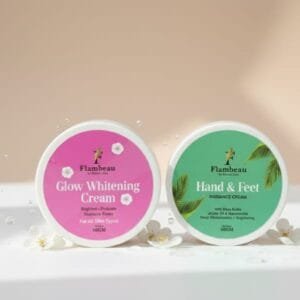
One product to consider is the Glow Care Bundle from Flambeauty, which includes a hand and feet cream and a brightening glow cream. While not a face serum or moisturizer, it shows the brand’s commitment to quality ingredients. For facial skincare, you can explore the Skin Care category to find serums and moisturizers that fit your routine.
Also, always check the pH of your products. A slightly acidic pH (4.5-5.5) is best for your skin barrier. Avoid products with a high pH (above 6) as they can disrupt your acid mantle. By choosing products with the right ingredients and pH, you’ll support your skin’s health and get better results.
Special Considerations: Actives, Retinoids, and Sunscreen
Some products require special attention when it comes to layering. Here’s how to handle active ingredients like retinol, vitamin C, and sunscreen in your routine. This is where many people get confused, but it’s crucial for safety and efficacy.
Retinoids: Retinol and prescription retinoids are powerful for anti-aging and acne. They should be applied at night, after cleansing and toning, on completely dry skin. Wait 20-30 minutes after washing to let your skin dry completely—this reduces irritation. Apply a pea-sized amount, then wait another 20 minutes before applying moisturizer. This “buffering” technique is a great way to introduce retinol if your skin is sensitive. Never apply retinol with other active ingredients like AHA/BHA or vitamin C in the same routine.
Vitamin C: Use vitamin C in the morning, after cleansing and before moisturizer. It works best on clean, dry skin. Wait a few minutes for it to absorb before applying moisturizer and sunscreen. If you have sensitive skin, you can mix a few drops of vitamin C with your moisturizer to reduce irritation. But be aware that mixing can reduce its efficacy slightly. For a brightening effect, use it consistently for at least 8-12 weeks.
Sunscreen: Sunscreen should always be the last step in your morning routine. Apply it generously—about two finger-lengths for your face and neck. If you’re using chemical sunscreen, apply it before moisturizer? No, actually, most dermatologists recommend applying sunscreen after moisturizer, because moisturizer forms a barrier that allows sunscreen to spread evenly. However, some sunscreens work better when applied directly to skin. Generally, apply sunscreen as the final step, after your moisturizer has absorbed. Reapply every 2 hours if you’re outdoors.
For acne-prone skin, using a treatment serum like the Clear Skin Acne Control Serum can be beneficial. Apply it after cleansing, before moisturizer. This serum contains active ingredients that help reduce spots and scars. Follow with a lightweight moisturizer to avoid clogging pores. In the morning, always use sunscreen even if your serum has SPF—serum SPF isn’t enough.
If you’re just starting with actives, introduce them one at a time. Use a product for at least 2 weeks before adding another. This way, if you have a reaction, you know which product caused it. Always patch test first. And remember, more isn’t better—over-exfoliating can damage your skin barrier, leading to redness and breakouts. Listen to your skin.
Frequently Asked Questions
Here are answers to common questions about serum and moisturizer order, based on what we’re often asked by our readers.
Can I apply moisturizer before serum?
No, you should always apply serum first. Serum has smaller molecules that penetrate deeper, while moisturizer creates a barrier. If you apply moisturizer first, it blocks the serum from absorbing, making it less effective. Only exception is if you have very sensitive skin and want to buffer a strong serum, but then you should mix it with moisturizer rather than layer in that order.
Do I need to wait between serum and moisturizer?
Yes, waiting 1-2 minutes allows the serum to absorb fully. If you don’t wait, the products mix on your skin, which can reduce efficacy and cause pilling. Patience is key for a successful routine.
What if I use multiple serums?
Layer them from thinnest to thickest. Start with watery serums (like hyaluronic acid), then thicker ones (like vitamin C). Wait a minute between each. If you’re using active serums like retinol and vitamin C, use them at different times (vitamin C in the morning, retinol at night) to avoid irritation.
Is a moisturizer necessary if I have oily skin?
Yes, even oily skin needs moisturizer. Skipping it can cause your skin to produce more oil to compensate. Choose a lightweight, oil-free gel moisturizer. It keeps your skin hydrated without clogging pores.
Frequently Asked Questions
Can I apply moisturizer before serum?
No, you should always apply serum first. Serum has smaller molecules that penetrate deeper, while moisturizer creates a barrier. If you apply moisturizer first, it blocks the serum from absorbing, making it less effective.
Do I need to wait between serum and moisturizer?
Yes, waiting 1-2 minutes allows the serum to absorb fully. If you don't wait, the products mix on your skin, which can reduce efficacy and cause pilling.
What if I use multiple serums?
Layer them from thinnest to thickest. Start with watery serums (like hyaluronic acid), then thicker ones (like vitamin C). Wait a minute between each. For active serums like retinol and vitamin C, use them at different times to avoid irritation.
Is a moisturizer necessary if I have oily skin?
Yes, even oily skin needs moisturizer. Skipping it can cause your skin to produce more oil to compensate. Choose a lightweight, oil-free gel moisturizer.
Written by Mishal Rehman, owner of Flambeauty — sharing practical, professional beauty and skincare guidance.
Updated: August 2026