
Discover how saffron (kesar) can brighten your skin naturally. Learn its benefits, how to use it in DIY masks, common mistakes, and what to look for when...
Saffron, known as kesar in Urdu and Hindi, is a prized spice that has been used for centuries in South Asian beauty rituals for its skin-brightening properties. When applied topically, saffron can help improve skin tone, fade dark spots, and impart a natural glow, thanks to its rich antioxidant content and active compounds like crocin and safranal. To harness these benefits, you can use saffron in DIY masks, toners, or through skincare products that incorporate saffron extract. Always patch test first and use consistently for best results.
Why Saffron Works for Skin Brightening
Saffron contains crocin, a carotenoid pigment that gives the spice its vibrant red-orange color and acts as a powerful antioxidant. Antioxidants help neutralize free radicals—unstable molecules that damage skin cells and accelerate aging. By reducing oxidative stress, saffron helps prevent dullness and uneven tone. Additionally, saffron has anti-inflammatory properties that can soothe irritated skin and reduce redness, contributing to a more even complexion.
Another key compound is safranal, which has been studied for its potential to inhibit tyrosinase, an enzyme involved in melanin production. While more research is needed, this suggests that saffron may help lighten hyperpigmentation and dark spots over time. However, it’s important to note that saffron is not a skin bleach; rather, it works gently to improve skin appearance and radiance.
Saffron also contains vitamin C and other antioxidants that support collagen synthesis, which keeps skin firm and youthful. When applied topically, these nutrients can help brighten the skin by promoting cell turnover and revealing fresher skin cells underneath. This is why saffron is often a key ingredient in traditional face masks for brides in Pakistan and India, aiming for that coveted “glow” before the big day.
Beyond its direct effects, saffron has a warming property in traditional medicine that is thought to improve blood circulation when applied to the skin. Better circulation means more oxygen and nutrients reach skin cells, which can enhance your natural complexion. While this is an anecdotal benefit, many users report a visible “flush” of health after using saffron-based treatments.
For best results, saffron works synergistically with other natural brighteners like honey, milk, or rose water. These ingredients complement saffron’s actions, adding moisture and soothing benefits. For example, honey is humectant and antibacterial, while milk contains lactic acid which gently exfoliates. Together, they create a powerful yet gentle brightening blend.
If you’re new to saffron, start with a small amount and observe how your skin reacts. While allergic reactions are rare, it’s always wise to patch test behind your ear or on your inner arm before applying to your face. This is especially important if you have sensitive skin or are prone to allergies.
How to Use Saffron for Skin Brightening: DIY Recipes and Methods
One of the most traditional ways to use saffron is in a saffron milk mask. Soak 4-5 strands of saffron in 2 tablespoons of warm milk for about 10 minutes until the milk turns a light yellow. Apply this mixture to your face with a cotton ball, leave it on for 15 minutes, then rinse with lukewarm water. This is a gentle daily toner that can help brighten over time.
Another popular method is mixing saffron with honey and yogurt. Crush 5-6 saffron strands into a fine powder and mix with 1 teaspoon of honey and 1 teaspoon of plain yogurt. Honey moisturizes, while yogurt contains lactic acid that gently exfoliates. Apply this mask to clean skin, leave for 20 minutes, then wash off. Use this 2-3 times a week for a radiant glow.
For a quick brightening boost, you can add saffron to your regular moisturizer or face cream. Steep 3-4 strands of saffron in a small amount of rose water overnight, then mix a few drops into your nightly moisturizer. This infuses your moisturizer with antioxidants and brightening benefits without extra effort.
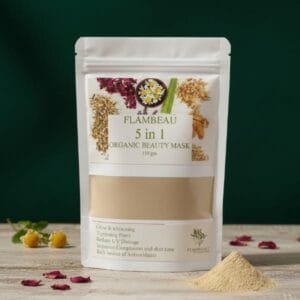
If you prefer a ready-made product, look for masks that contain saffron extract, such as the 5-in-1 Organic Beauty Mask – Brighten & Hydrate Skin. This mask combines saffron with other natural ingredients to simplify your routine. Simply apply a thin layer to cleansed skin, wait 10-15 minutes, and rinse off. It’s an easy way to incorporate saffron into your weekly routine.
Consistency is key when using saffron. Unlike harsh chemical brighteners, saffron works gradually. You may notice a subtle glow after a few weeks of regular use, but more significant results for dark spots may take 2-3 months. Be patient and continue your routine, and always use sunscreen during the day to protect your skin and prevent further pigmentation.
For an intensive treatment, consider a saffron and sandalwood mask. Sandalwood has cooling and anti-inflammatory properties. Mix 1 teaspoon of sandalwood powder with a few drops of rose water and 4-5 crushed saffron strands to form a paste. Apply to face and neck, let dry for 15 minutes, then rinse. This is particularly soothing for irritated skin.
Common Mistakes to Avoid When Using Saffron for Skin
One of the biggest mistakes is expecting instant results. Saffron is not a quick fix; it works gently over time. If you use it once and see no change, that’s normal. To see real improvements in tone and brightness, you need to use it consistently for at least 4-6 weeks. Avoid giving up too soon.
Another error is using too much saffron, thinking more is better. Saffron is potent, and using excessive amounts can cause irritation or staining. A few strands per application is enough. Overuse may lead to a yellowish tint on your skin, which is temporary but not desirable. Stick to the recommended amounts in recipes.
Skipping a patch test is a common mistake, especially for those with sensitive skin. Even natural ingredients can cause allergic reactions. Always patch test on a small area of skin, like your inner arm, and wait 24 hours to check for any adverse reaction. If you experience redness, itching, or burning, discontinue use.
Applying saffron masks over dirty skin reduces their effectiveness. For optimal absorption, always start with a clean face. Use a gentle cleanser suitable for your skin type. If you have oily or acne-prone skin, consider using a cleanser like the Anti Acne Facewash for Pimples & Oil Control – Deep Cleansing Formula to remove excess oil and impurities before applying your saffron mask.

Not using sunscreen is a major mistake. Saffron can make your skin more sensitive to the sun, and without protection, UV rays can cause new dark spots and undo your brightening efforts. Always apply a broad-spectrum sunscreen with at least SPF 30 during the day, even when you haven’t used saffron that day.
Finally, mixing saffron with incompatible ingredients can cause irritation. For example, combining saffron with strong acids or retinoids might overwhelm your skin. If you’re already using active skincare like retinol or vitamin C, space out your saffron treatments to avoid over-exfoliation. Listen to your skin and adjust frequency accordingly.
Choosing the Right Saffron and Saffron Skincare Products
Quality matters when it comes to saffron. Authentic kesar has a deep red color and a strong, distinctive aroma. Avoid saffron that is dull or has yellow threads mixed in, as it may be adulterated. Always buy from a reputable source. For skincare, you can use food-grade saffron, but ensure it’s pure and free from additives.
When purchasing saffron skincare products, check the ingredient list. Saffron extract or saffron oil should appear near the top to ensure it’s a key ingredient. Be wary of products that merely list “saffron” at the end without specifying the form or concentration. Look for products that also contain complementary brighteners like vitamin C, licorice root, or niacinamide.
Consider your skin type when choosing a saffron product. If you have dry skin, look for creamy formulations with hydrating ingredients like shea butter or hyaluronic acid. For oily skin, gel-based or lightweight masks are better. For sensitive skin, choose products with minimal fragrance and soothing agents like aloe vera or chamomile.
Price is often an indicator of quality, but not always. High-quality saffron is expensive due to its labor-intensive harvest, but you don’t need to spend a fortune. A little goes a long way. For DIY, a small package of pure saffron can last months. For commercial products, compare prices per ounce and read reviews from other Pakistani users to gauge effectiveness.
The brand’s reputation matters. Look for brands like Flambeauty, which specializes in natural, effective skincare for Pakistani skin. They use high-quality ingredients and follow good manufacturing practices. You can explore their Skin Care category to find saffron-infused options that suit your needs.
Always check the expiry date and storage instructions. Saffron products, especially those with natural oils, can oxidize over time. Store them in a cool, dry place away from direct sunlight. If a product changes color or smell, it’s time to replace it. Following these guidelines ensures you get the most benefit from your saffron skincare.
Saffron for Different Skin Types and Concerns
Dry Skin
If you have dry skin, saffron can be combined with nourishing ingredients like avocado, honey, or full-fat milk. These provide moisture while saffron brightens. Use a saffron milk soak as a toner, or add a few drops of saffron-infused oil to your moisturizer. Avoid products with alcohol or harsh detergents that can strip your skin.
Oily and Acne-Prone Skin
For oily skin, saffron can help reduce inflammation and control excess oil when used in moderation. Mix saffron with clay, like multani mitti (fuller’s earth), to create a purifying mask that also brightens. Use a gentle face wash like the Anti Acne Facewash to keep pores clear before applying saffron treatments. Avoid heavy creams; instead, use a light gel moisturizer.
Sensitive Skin
Sensitive skin requires extra caution. Saffron is generally mild, but always patch test first. Use saffron in small amounts with soothing ingredients like rose water, aloe vera, or cucumber juice. Steer clear of masks with citrus or other potential irritants. If any stinging occurs, rinse off immediately and discontinue use.
Combination Skin
Combination skin can benefit from saffron masks that balance the T-zone while hydrating dry areas. Use a clay mask on your forehead and nose, and a honey-based mask on your cheeks. Or, apply a saffron and yogurt mask all over, as yogurt helps normalize both dry and oily areas.
Hyperpigmentation and Dark Spots
If you’re dealing with dark spots or melasma, saffron alone may not be enough. Combine it with other brightening ingredients like licorice root extract or alpha arbutin in your routine. For more stubborn pigmentation, consider professional treatments. Always use sunscreen to prevent further darkening. For additional tips on brightening, read our guide on unlocking real results from your Vitamin C serum.
Aging Skin
Saffron’s antioxidants also benefit mature skin by fighting free radicals that cause wrinkles. Mix saffron with rosehip oil or almond oil to nourish and brighten. This combination can improve skin elasticity and reduce the appearance of fine lines. For a deeper dive into anti-aging, check out our comparison of Retinol vs Bakuchiol.
Regardless of your skin type, adding saffron to your routine can enhance your natural glow. Start with 1-2 times a week and adjust based on how your skin responds. Remember, consistency and patience are your best friends in skincare. For more tips, explore our blog.
Frequently Asked Questions
How long does it take for saffron to brighten skin?
Saffron works gradually. You may notice a subtle glow after 4-6 weeks of consistent use, but significant fading of dark spots can take 2-3 months. Be patient and use it regularly.
Can I use saffron on sensitive skin?
Yes, but always patch test first. Saffron is generally mild, but combine it with soothing ingredients like rose water or aloe vera to minimize any risk of irritation.
Does saffron really lighten skin permanently?
No, saffron brightens by improving skin tone and fading dark spots, but results are not permanent. Discontinuing use and sun exposure can cause pigmentation to return. Consistent use and sunscreen are necessary.
Can I leave saffron on my face overnight?
It's not recommended. Saffron masks are typically left on for 15-20 minutes. Leaving it overnight may cause irritation or yellow staining. Follow the recipe instructions.
Written by Mishal Rehman, owner of Flambeauty — sharing practical, professional beauty and skincare guidance.
Updated: September 2026