
Purging happens when active ingredients speed up cell turnover, pushing existing clogs to the surface in your usual breakout zones. It typically clears within four to six weeks. A true breakout is an inflammatory reaction to a product your skin dislikes, often appearing in new areas and lasting longer.
When you start a new skincare product, breakouts can be confusing. Purging is a temporary reaction where active ingredients speed up cell turnover, bringing existing clogs to the surface, while a breakout is an inflammatory response to a product your skin dislikes. Purging appears in your usual breakout zones, resolves within 4-6 weeks, and often involves tiny whiteheads or blackheads; breakouts pop up in new areas, linger longer, and may feel sore or cystic.
What Is Purging and Why Does It Happen?
Purging is your skin’s normal response to ingredients that accelerate cell renewal. When you apply an active like salicylic acid, glycolic acid, retinoids, or niacinamide in high concentrations, the product speeds up the shedding of dead skin cells and the clearing of clogged pores. This process can push pre-existing microcomedones—tiny blockages you can’t see or feel—to the surface all at once, resulting in a sudden crop of bumps.
Think of it like a deep cleaning: the active ingredient is essentially “clearing out the pipes.” The bumps that appear are not new acne but rather the visible signs of congestion that was already there. This is why purging typically occurs in the areas where you usually break out—for example, if your acne is concentrated on your chin and jawline, that’s where purging will show up. It rarely spreads to completely new zones like your cheeks or forehead if those areas are normally clear.
The timeframe matters. Purging usually starts within the first two weeks of using a new active and lasts for about 4-6 weeks. If the breakouts continue past that window, you’re likely dealing with a reaction rather than purging. Also, purging tends to produce small, uniform bumps—whiteheads, blackheads, or tiny papules—rather than large, painful cysts. The skin may also feel a bit rough or textured during this phase, but it should not feel hot, itchy, or severely inflamed.
Not everyone purges. It depends on your skin’s baseline level of congestion. If you have very few clogged pores to begin with, you may skip purging entirely. Conversely, if you have many microcomedones, the purge can seem dramatic. It’s important to always patch test first to rule out an allergic or irritant reaction before committing to a new product.
Purging is a sign that the product is working, but it can be frustrating. To manage it, stick with a gentle routine: use a non-stripping cleanser, a lightweight moisturizer, and always wear sunscreen during the day, as active ingredients can increase sun sensitivity. Avoid adding any other strong actives until the purge subsides.
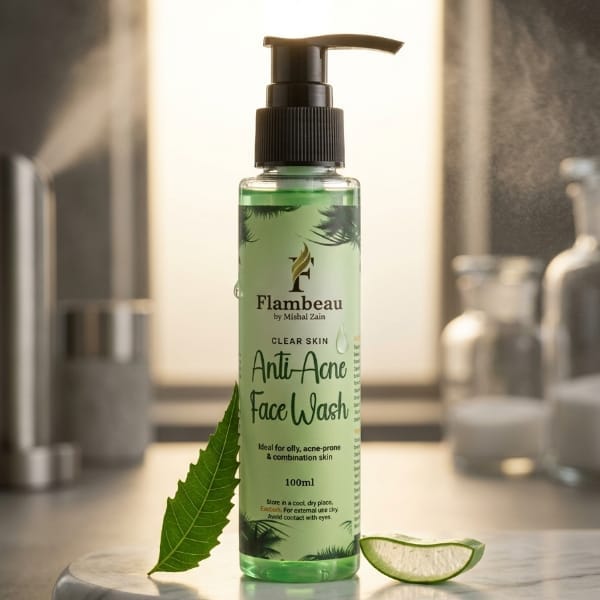
If you’re using a product like Anti Acne Facewash for Pimples & Oil Control – Deep Cleansing Formula, which contains salicylic acid and tea tree oil, you might experience purging if you have existing clogs. That’s normal and should resolve with consistent use.
What Is a Breakout and How to Spot It
A breakout, unlike purging, is an adverse reaction to a product your skin finds irritating, comedogenic, or allergenic. It’s your skin’s way of saying “stop.” Breakouts can be caused by ingredients that are too heavy (like certain oils or silicones), too harsh (like high concentrations of essential oils), or simply incompatible with your skin type.
The location is a key clue. Breakouts appear in new areas where you don’t normally get acne. For example, if you start using a new moisturizer and suddenly get pimples on your cheeks (which were previously clear), that’s a red flag. Breakouts also tend to be more inflamed—red, painful, cystic, or filled with pus. They can feel itchy or burn, which purging rarely does.
The timeline is different too. A breakout can start within hours or days of using a product, and it won’t improve until you stop using it. If you continue the product, the breakouts will persist or worsen, rather than clearing up in 4-6 weeks. Some reactions are delayed, appearing after a week or two, but they will not follow the “purge and resolve” pattern.
Common culprits include pore-clogging ingredients like coconut oil, isopropyl myristate, certain fatty alcohols, or silicones. Irritants like denatured alcohol, fragrance, or high concentrations of acids can also trigger inflammatory breakouts. If you suspect a product is breaking you out, stop using it for 2-3 weeks and see if your skin calms down. If it does, you’ve found the offender.
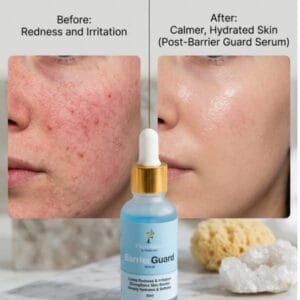
To treat a breakout, focus on soothing and calming the skin. Use a gentle cleanser, a barrier-repairing moisturizer, and avoid exfoliating until the inflammation subsides. A product like Barrier Guard Serum 30ml | Skin Barrier Repair can help restore the skin’s protective layer and reduce redness. If the breakout is severe, consult a dermatologist.
Remember, breakouts are not a sign that the product is “working”—they are a sign of incompatibility. Trust your skin’s response; if something feels wrong, it probably is.
Step-by-Step Guide to Diagnose Your Reaction
To determine whether you’re purging or breaking out, follow this systematic approach. Step 1: Track the timing. Note when you started the product and when the bumps appeared. Purging usually begins within 1-2 weeks; breakouts can start immediately or after a few days.
Step 2: Map the location. Take a photo or mentally note where the bumps are. Are they in your usual breakout zones (chin, nose, forehead)? That points to purging. Are they in new areas (cheeks, temples, neck)? That points to a breakout.
Step 3: Examine the bump type. Purging often produces small, uniform whiteheads or blackheads that come to a head quickly. Breakouts tend to be larger, more inflamed, and may include painful cysts or pustules. If the bumps are deep and don’t come to a head, it’s likely a breakout.
Step 4: Monitor the duration. Give it 4-6 weeks. If the bumps are improving or cycling through (new ones appear but old ones heal), it’s purging. If they persist or get worse, it’s a breakout. Always patch test first before applying any new product to your full face; this can save you weeks of confusion.
Step 5: Check for other symptoms. Is your skin itchy, burning, or red overall? That suggests irritation or an allergic reaction, not purging. Purging is usually confined to the bumps themselves without widespread irritation. If you have hives, swelling, or intense stinging, discontinue use immediately.
Step 6: Consider the product’s ingredients. Is it an active like a retinoid, acid, or vitamin C? Those are more likely to cause purging. Is it a moisturizer, sunscreen, or makeup? Those are more likely to cause breakouts if they contain comedogenic ingredients. If in doubt, research the product’s formulation.
If after 6 weeks you’re still unsure, stop the product for 2 weeks. If your skin clears, it was likely a breakout. If the bumps return when you reintroduce the product, you have your answer. For ongoing guidance, browse our blog for more skincare tips.
Common Mistakes to Avoid
One of the biggest mistakes is giving up too early. Many people see purging and assume the product is breaking them out, so they stop using it within a week. This prevents them from ever seeing the long-term benefits. On the flip side, some people stick with a product that is genuinely breaking them out, hoping the “purge” will end, and end up with damaged skin and prolonged acne.
Another mistake is adding more actives to combat the purge. If you start using a new retinoid and then add a benzoyl peroxide spot treatment on top of the purging bumps, you’re likely to over-irritate your skin. This can worsen inflammation and delay healing. Stick to your basic routine: cleanse, moisturize, and protect. Let the active do its job.
Skipping the patch test is a common error. Always test a new product on a small area like behind your ear or on your jawline for a week before using it all over. This can prevent full-face breakouts and help you identify reactions early. It’s especially important for products with multiple active ingredients.
Using too many new products at once is another pitfall. If you introduce three new items in the same week and then break out, you won’t know which one is the culprit. Introduce one product at a time, waiting at least 2-3 weeks before adding another. This makes diagnosis much easier.
Ignoring your skin’s sensitivity is also risky. If you have a compromised skin barrier—characterized by redness, peeling, or stinging—any active product can cause a breakout-like reaction. In that case, focus on repair first. Our post on How to Use Soap Correctly Without Stripping Your Skin Barrier offers helpful tips.
Finally, comparing your skin to others can lead to frustration. Everyone’s skin reacts differently. Just because your friend purged for two weeks doesn’t mean you will. Trust your own experience and adjust accordingly.
Tailoring Your Approach by Skin Type
Oily and acne-prone skin is more likely to experience purging because it has more congestion. If you have oily skin, you may tolerate stronger actives like salicylic acid or benzoyl peroxide, but you’re also prone to irritation if you overdo it. Start with a lower concentration and use the product every other day. If you see purging, it will likely be brief and mild. A gentle foaming cleanser like the Anti Acne Facewash can help manage oil without stripping.
Dry and sensitive skin is less likely to purge because there are fewer clogs, but it is more prone to breakouts from irritation. If you have dry skin, avoid harsh actives and focus on hydrating ingredients. If you try a retinoid, use a sandwich method (moisturizer, retinoid, moisturizer) to buffer irritation. Purging may be minimal, but if you break out, it’s likely due to a compromised barrier. Use a barrier-repairing product like Barrier Guard Serum to soothe and protect.
Combination skin requires a balanced approach. You may purge in your oily T-zone while breaking out on your dry cheeks. That’s tricky—pay attention to where bumps appear. If they’re on your nose and chin, it’s likely purging; if on your cheeks, it’s a breakout. You may need to use different products on different areas, or stick to gentle actives that work for all zones.
Sensitive or reactive skin should avoid strong actives altogether. If you have rosacea, eczema, or a history of allergic reactions, purging is rare, and breakouts are common with new products. Always patch test for a full week, and choose products with minimal ingredients. For traditional remedies that are gentle, check out our post on Gram Flour (Besan) for Skin: Traditional Pakistani Beauty Secrets.
For all skin types, remember that sunscreen is non-negotiable. Active ingredients increase sun sensitivity, and UV exposure can worsen both purging and breakouts. Use a broad-spectrum SPF 30 or higher daily.
When to Stop and When to Push Through
The golden rule: if the reaction is painful, itchy, or spreading, stop immediately. Purging should not cause severe discomfort. If you have deep, cystic acne that feels hot to the touch, that’s a sign of inflammation and not a normal purge. Also, if the bumps are accompanied by a rash, hives, or swelling, discontinue use and consult a doctor.
If the reaction is mild and confined to usual breakout areas, you can push through for up to 6 weeks. Keep a journal to track progress. If you see improvement by week 4, continue. If there’s no change or it’s getting worse, stop. It’s also okay to reduce frequency—if you’re using a product daily, try every other day to see if the reaction eases.
For barrier repair during this time, consider using a soothing serum. The Barrier Guard Serum contains ceramides and niacinamide to calm irritation and strengthen the skin. Pair it with a gentle cleanser and a non-comedogenic moisturizer.
If you decide to stop a product, don’t immediately replace it with another active. Give your skin a break for 2-4 weeks to reset. Then, if you want to try a different active, choose one with a lower concentration or a different mechanism. For example, if a retinoid caused a breakout, try a BHA instead.
Finally, trust your instincts. You know your skin best. If something feels off, it probably is. It’s better to err on the side of caution than to damage your skin barrier long-term. For more in-depth guides, visit our Skin Care category.
Frequently Asked Questions
Can purging happen with non-active products like moisturizers?
Purging is unlikely with moisturizers unless they contain active ingredients like retinol, AHAs, or BHAs. Most moisturizers don't accelerate cell turnover, so breakouts from them are usually reactions to pore-clogging or irritating ingredients.
How long should I wait to see if it's purging vs breakout?
Wait 4-6 weeks. Purging typically resolves within this window, while breakouts persist or worsen. If after 6 weeks your skin isn't improving, stop the product.
Can I use spot treatments on purging bumps?
It's best not to. Spot treatments can over-irritate skin that's already reacting to an active. Stick to a gentle routine and let the purge run its course.
What if I'm purging but the bumps are painful?
Purging shouldn't be painful. If you experience pain, deep cysts, or swelling, it's likely a breakout or allergic reaction. Stop using the product and consult a dermatologist.
Written by Mishal Rehman, owner of Flambeauty — sharing practical, professional beauty and skincare guidance.
Updated: July 2026