Wash your face and body with a gentle, pH-balanced soap instead of a harsh one. Avoid hot water and limit washing to twice a day. Moisturize right after patting your skin dry to lock in hydration and protect your skin barrier.
To wash your face or body with soap without stripping your skin barrier, always choose a gentle, pH-balanced soap, avoid hot water, limit washing to twice daily, and moisturize immediately after patting skin dry. Over-cleansing strips natural oils, leading to dryness, irritation, and a compromised barrier.
Why Soap Can Damage Your Skin Barrier
The skin barrier, also known as the stratum corneum, is a protective layer of lipids and cells that keeps moisture in and irritants out. Traditional soaps are often made with harsh surfactants like sodium lauryl sulfate (SLS) that have a high pH (9–10), while your skin’s natural pH is slightly acidic (around 4.7–5.5). Using high-pH soap disrupts this balance, causing the barrier to weaken, lose water, and become vulnerable to bacteria and environmental damage. Over time, this can lead to redness, flaking, tightness, and even breakouts as the skin overproduces oil to compensate. In Pakistan’s climate, with hot summers and dry winters, barrier damage can worsen quickly if you’re using a harsh soap like a typical laundry bar or cheap beauty bar. Your skin barrier is your first line of defense, so understanding how cleansing affects it is crucial.
Many people assume that a “squeaky clean” feeling means their skin is properly clean. In reality, that tight, dry sensation is a sign that your skin’s natural oils have been stripped away. The American Academy of Dermatology recommends using a gentle cleanser that does not disrupt the skin’s pH. Learn more about skin care secrets from the AAD. When you use a soap that is too alkaline, it breaks down the lipid barrier, allowing moisture to escape and irritants to enter. This can trigger inflammation, which accelerates aging and worsens conditions like eczema or rosacea. In Pakistan, where hard water is common, the problem is compounded because minerals in hard water can react with soap to form a film that further dries the skin.
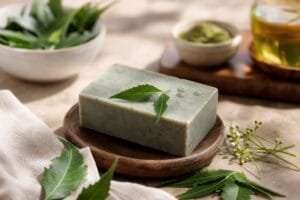
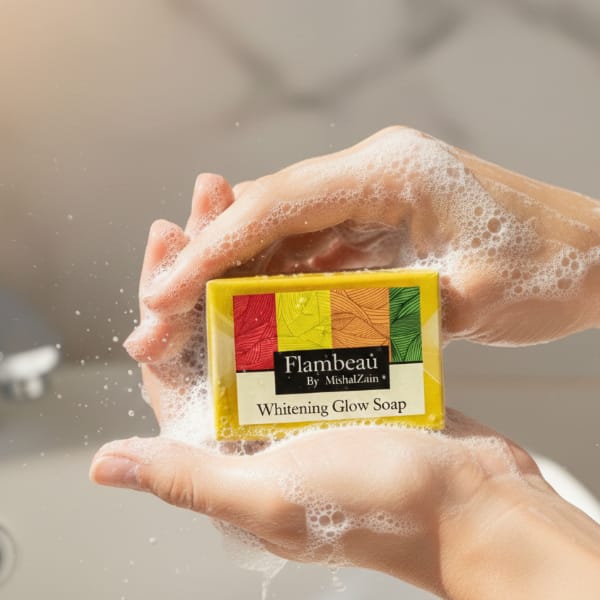
It’s not just about pH—the type of cleansing agent matters. Syndet bars (synthetic detergent bars) and glycerin-based soaps are much milder than traditional soap. They are formulated to clean without stripping. For example, Whitening Glow Soap is designed with skin-brightening ingredients that also respect the barrier. Similarly, Moroccan Nila Soap contains natural clays that gently exfoliate while maintaining moisture. The key is to look for soaps that are labeled “pH-balanced” or “gentle,” and avoid those with long lists of sulfates, alcohols, or fragrances that can irritate.

Another factor is the frequency of washing. Washing too often—more than twice a day—can strip the barrier even with a gentle cleanser. For body washing, once daily is usually enough unless you’ve been sweating heavily. For the face, morning and evening is ideal. Over-washing depletes the skin’s natural moisturizing factors (NMFs) like urea, lactic acid, and amino acids that help retain water. Less is more when it comes to cleansing—you don’t need to scrub every inch of your skin every time.
Finally, the temperature of the water you use is critical. Hot water dissolves oils faster than warm or cool water. Many Pakistanis enjoy hot showers, especially in winter, but this habit can be very drying. Hot water strips the skin of its natural sebum, leaving it parched and irritated. Always use lukewarm water for washing your face and body. Lukewarm water is best because it cleans effectively without over-drying. If you wash your face in the sink, you have more control over temperature; for showers, try to lower the heat or keep your face out of the direct stream.
Step-by-Step Guide to Washing Your Face with Soap
Start by wetting your face with lukewarm water. Take a small amount of your chosen gentle soap—about the size of a pea for face washes or a small coin for bar soaps. Lather it in your hands first, not directly on your face. Never apply soap directly to dry skin as that concentrates the surfactants and increases irritation. Gently massage the lather onto your skin using circular motions for about 30–60 seconds. Focus on areas that tend to be oilier, like the T-zone (forehead, nose, chin), but don’t neglect the cheeks and jawline. Avoid the eye area, as the skin there is thinner and more delicate.
Rinse thoroughly with lukewarm water, making sure no soap residue remains. Residue can clog pores and cause irritation. Pat your face dry with a clean, soft towel—do not rub. Rubbing can cause micro-tears in the skin and further damage the barrier. Patting is gentler and helps preserve moisture. Immediately after patting, while your skin is still slightly damp, apply a moisturizer. This locks in water and helps restore the barrier. For daytime, use a lightweight moisturizer with SPF; for nighttime, a richer cream or gel depending on your skin type.
If you’re using a bar soap like Whitening Glow Soap, you can also lather it in your hands or use a gentle cleansing brush (but only 1–2 times per week to avoid over-exfoliation). After washing, follow with a toner if desired, but toners with alcohol can be drying. Instead, opt for a hydrating toner or simply go straight to moisturizer. For those with oily skin, a gel-based moisturizer works well; for dry skin, a cream with ceramides or shea butter is better.
For body washing, the same principles apply: use lukewarm water, apply soap with your hands or a soft cloth, rinse thoroughly, and pat dry. Apply a body lotion or oil within three minutes of drying to seal in moisture. In Pakistan’s humid summers, you might prefer a lighter lotion; in winters, a thicker cream or body butter. Moisturizing immediately after washing is non-negotiable for barrier health.
If you have sensitive or acne-prone skin, consider double cleansing: first with an oil-based cleanser to remove makeup and sunscreen, then with a gentle soap or cleanser. This method ensures thorough cleansing without stripping. However, if you wear only light products, a single cleanse with a mild soap is sufficient. Many Pakistani women use makeup or sunscreen daily, so double cleansing can be beneficial. But choose your oil cleanser wisely—avoid mineral oils that can clog pores.
Common Mistakes to Avoid
One of the biggest mistakes is using bar soaps meant for the body on the face. Body soaps are often more alkaline and contain stronger detergents. Never use a body soap on your face unless it is specifically labeled as a facial soap. Another mistake is washing your face too frequently. Some people wash three or four times a day, especially in summer, but this strips the barrier and triggers rebound oiliness. Stick to twice daily.
Using very hot or very cold water is another error. Hot water strips oils; cold water doesn’t cleanse as well and can cause capillaries to constrict, leading to redness when they dilate again. Lukewarm is the sweet spot. Also, avoid scrubbing vigorously with washcloths, loofahs, or brushes. Gentle pressure is key. Over-exfoliation, whether from physical scrubs or harsh soap, damages the barrier. If you use an exfoliating soap, limit it to once or twice a week.
Skipping moisturizer after washing is perhaps the most common and harmful mistake. Even if your skin feels oily, it needs hydration. When the barrier is compromised, skin loses water and overproduces oil to compensate. A lightweight, non-comedogenic moisturizer can actually reduce oiliness over time. Always moisturize after cleansing, regardless of skin type. Another mistake is not rinsing thoroughly. Soap residue can cause buildup, leading to dullness and breakouts. Make sure to rinse until the water runs clear.
Some people also fall for the myth that “natural” soaps are always gentle. While many natural soaps are milder, some contain essential oils that can be irritating, or have a high pH due to the saponification process. Always check the ingredients list. pH-balanced soaps are safer than purely natural ones if they have a low pH. Finally, avoid washing your face in the shower if the water is very hot. The combination of hot water and harsh soap is a recipe for barrier damage. Instead, wash your face at the sink before or after your shower with controlled temperature.
How to Choose the Right Soap for Your Skin Type
If you have dry skin, look for soaps with added moisturizers like glycerin, shea butter, or oils. Cream-based cleansers or cleansing milks are excellent. Moroccan Nila Soap contains natural clay that draws out impurities without stripping, and its moisturizing properties make it suitable for dry skin. Avoid foaming cleansers with sulfates. For oily skin, choose a gel or foam cleanser that contains salicylic acid or niacinamide to help control oil without over-drying. Whitening Glow Soap has brightening ingredients that can help even out tone, which is beneficial for oily skin prone to hyperpigmentation. Stay away from alcohol-heavy formulas.
For combination skin, use a gentle, pH-balanced soap that works for both dry and oily areas. A soap with hyaluronic acid or ceramides is ideal. You might need to adjust your routine: wash with a mild cleanser all over, then apply a richer moisturizer on dry cheeks and a lighter one on the T-zone. Sensitive skin requires the mildest options: fragrance-free, sulfate-free, and with soothing ingredients like aloe vera, chamomile, or oatmeal. Always patch test new soaps on your inner arm before using on your face. Patch testing is essential for sensitive skin.
For acne-prone skin, look for non-comedogenic soaps with ingredients like tea tree oil, benzoyl peroxide (in low concentrations), or salicylic acid. However, be cautious not to over-exfoliate. Using a harsh acne soap multiple times a day can worsen breakouts by damaging the barrier. Instead, use a gentle cleanser and treat acne with targeted serums or spot treatments. In Pakistan’s humid climate, acne-prone skin may benefit from a salicylic acid wash a few times a week, but not daily.
If you have mature skin, choose a soap that is hydrating and contains antioxidants like vitamin C or E. Avoid foaming cleansers that strip oils. Cream cleansers are best for aging skin because they clean gently while replenishing lipids. Hydrating cleansers support skin elasticity. For all skin types, it’s wise to rotate between a gentle daily cleanser and a deeper cleanser once a week if you wear heavy makeup or sunscreen. But always listen to your skin—if it feels tight or itchy, dial back the cleansing.
Adapting Your Routine for Pakistani Climate and Budget
Pakistan’s climate varies from hot and humid summers to dry, cold winters. In summer, you may feel tempted to wash your face more often to combat sweat and oil. Instead of increasing washing frequency, use a gentle foaming cleanser twice a day and blot excess oil with blotting papers or a light dusting of powder. In winter, switch to a cream or milk cleanser that won’t strip the barrier further. Seasonal adjustments are crucial for barrier health. Also, consider the water hardness in your area. Hard water can make it harder to rinse soap, leaving residue. Using a chelating shampoo or a clarifying cleanser once a month can help remove mineral buildup.
For budget-conscious readers, you don’t need expensive products. Many affordable Pakistani brands offer gentle soaps. Look for glycerin soaps available at local pharmacies for around PKR 100–200. Browse our soaps category for options that balance quality and price. Another tip: you can dilute your soap with water to make it milder. For example, you can create a foaming hand soap by mixing liquid soap with water in a dispenser. This reduces the concentration of surfactants. Diluting soap can make it gentler.
If you’re on a tight budget, focus on a good moisturizer rather than an expensive cleanser. A simple, gentle soap like a baby soap can work well if you moisturize properly. Avoid multi-step routines that include toners, essences, and serums if you can’t afford them. The bare essentials: a gentle cleanser, a moisturizer, and a sunscreen. Consistency matters more than product cost. For example, a PKR 150 glycerin soap plus a PKR 300 moisturizer can do wonders if used correctly.
For those who prefer homemade or natural options, you can use besan (gram flour) and milk as a gentle cleanser for dry skin, or multani mitti (fuller’s earth) for oily skin. However, these can be drying if used too often. Always follow with moisturizer. Natural cleansers need to be used with care because they can still disrupt pH. It’s best to stick to commercially formulated products that are tested for safety. For more skincare tips, check our blog for articles like How to Make a Natural Tint Look Last All Day and Beauty Tips for Reducing Shine on Oily Skin.
How to Recover a Damaged Skin Barrier
If you’ve been using harsh soaps or over-cleansing, your skin barrier may be damaged. Signs include persistent dryness, redness, stinging, flaking, and increased breakouts. The first step is to stop using any active ingredients like retinol, acids, or exfoliants. Pause all actives until the barrier heals. Switch to a super-gentle cleanser—preferably a milky or cream cleanser that doesn’t foam. Use only lukewarm water and pat dry. Then apply a barrier-repair moisturizer containing ceramides, cholesterol, fatty acids, or niacinamide. Products with panthenol (vitamin B5) and squalane are also great.
You can also incorporate a hydrating toner or essence with hyaluronic acid or glycerin to boost moisture. Apply moisturizer while skin is damp to lock in water. For extra repair, use a thin layer of petroleum jelly or a balm over your moisturizer at night, especially on dry patches. Occlusives like petroleum jelly seal in moisture and speed up healing. Avoid washing your face in the morning—just rinse with water—to reduce cleansing frequency. In severe cases, you may need to see a dermatologist.
Diet also plays a role. Eating foods rich in omega-3 fatty acids (like fish, flaxseeds, walnuts) and antioxidants (fruits, vegetables) supports skin health from within. Stay hydrated by drinking plenty of water. In Pakistan, where pollution is high, consider using a gentle antioxidant serum like vitamin C in the morning to protect the barrier from environmental damage, but only after the barrier has improved. Healing the barrier takes time—usually 2–4 weeks—so be patient and consistent.
If you experience breakouts during barrier repair, don’t use harsh acne treatments. Instead, use a gentle spot treatment with sulfur or zinc. Remember, damaged skin often breaks out because it’s inflamed. Once the barrier is restored, breakouts usually subside. For ongoing maintenance, continue using a gentle soap and always moisturize. Your skin will thank you with a healthy, radiant glow.
Frequently Asked Questions
Can I use a bar soap on my face if it's labeled 'gentle'?
Yes, but only if it's specifically formulated for the face and pH-balanced. Even gentle body bars can be too harsh for facial skin. Always check the ingredient list and pH level.
How often should I wash my face if I have oily skin?
Twice daily—morning and evening—is sufficient. Washing more often can strip oils and cause rebound oiliness. Use a gentle, foaming cleanser and follow with a lightweight moisturizer.
What should I do if my skin feels tight after washing?
That means your soap is too harsh. Switch to a cream or milk cleanser, use lukewarm water, and apply moisturizer immediately after patting dry. If tightness persists, consult a dermatologist.
Is it safe to use soap on my face if I have acne?
Yes, but choose a non-comedogenic, gentle cleanser with salicylic acid or benzoyl peroxide. Avoid harsh scrubbing and over-washing. Moisturize after to prevent irritation.
Written by Mishal Rehman, owner of Flambeauty — sharing practical, professional beauty and skincare guidance.
Updated: July 2026