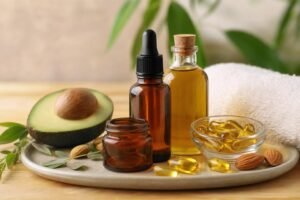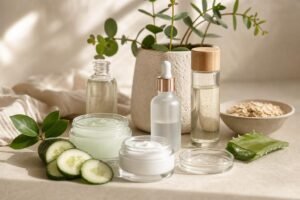
Discover natural herbal remedies for hormonal acne, including neem, turmeric, and witch hazel. Learn step-by-step routines for Pakistani skin, ingredients...
Hormonal acne is often triggered by fluctuations in androgen hormones, leading to breakouts along the jawline, chin, and neck. Natural herbal remedies like neem, turmeric, and green tea can help reduce inflammation and balance oil production without harsh chemicals. Consistent use of gentle, non-comedogenic products and a balanced diet can significantly improve the appearance of acne-prone skin over time.
What Is Hormonal Acne and Why Herbal Remedies Work
Hormonal acne differs from typical teenage acne because it is directly linked to your body’s internal hormone levels. In women, it often flares up around menstruation, pregnancy, or menopause when estrogen and progesterone fluctuate. The excess sebum produced due to these hormonal shifts clogs pores, leading to inflamed cysts and papules. Unlike bacterial acne, hormonal breakouts are deep, painful, and often resistant to conventional spot treatments.
Herbal remedies target the root causes—inflammation, sebum production, and bacterial overgrowth—without disrupting the skin’s microbiome. Ingredients like neem have antibacterial and antifungal properties that reduce acne-causing bacteria, while turmeric curcumin inhibits inflammatory pathways. Green tea catechins lower sebum production and calm redness. These natural compounds work synergistically with your skin, making them ideal for long-term management.
In Pakistan, traditional herbs have been used for centuries in home remedies. For instance, besan (gram flour) and turmeric face masks are staples in many households. Modern research supports these practices—a study published in the Journal of Drugs in Dermatology found that green tea extract applied topically significantly reduced acne lesions. By incorporating these herbs into your routine, you can address hormonal acne without the side effects of strong medications.
It’s important to note that herbal remedies are not quick fixes. Consistency over 4-8 weeks is key to seeing improvement. Always patch test first before applying any new ingredient to your face, especially if you have sensitive skin. Combining herbal treatments with a healthy diet low in refined sugars and dairy can further reduce hormonal triggers.
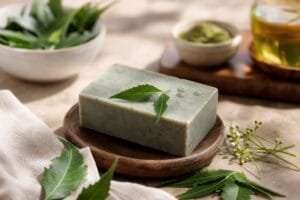
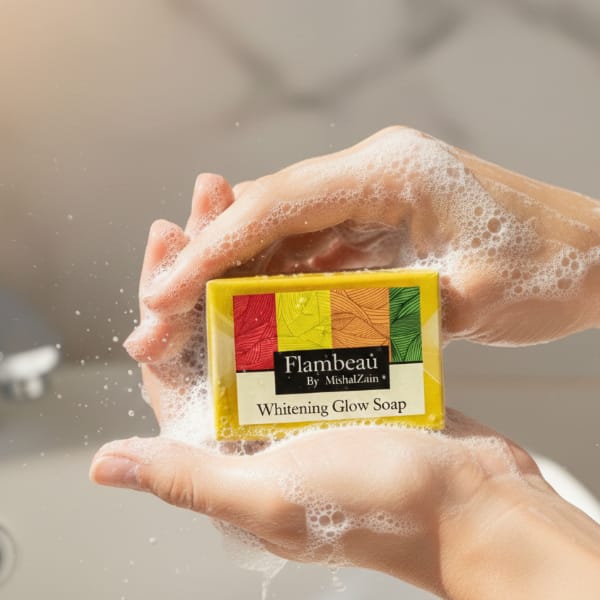
For Pakistani women, the humid climate can exacerbate breakouts. Lightweight, non-comedogenic formulations are essential. Products like Whitening Glow Soap contain natural brighteners that can help fade post-acne marks while being gentle on active breakouts. Similarly, Moroccan Nila Soap includes mineral-rich ingredients that soothe inflammation.

Understanding your acne type is the first step. If you experience deep, cystic breakouts along your jawline, it’s likely hormonal. Herbal remedies offer a safe, effective way to manage these flares without disrupting your body’s natural balance.
Top Herbal Ingredients to Look For in Skincare Products
When shopping for acne treatments, scan the ingredient list for these proven herbal extracts. Neem (Azadirachta indica) is a powerhouse: its compounds nimbidin and nimbin fight bacteria and reduce inflammation. You can find neem in cleansers, serums, or as a powdered mask. Turmeric brightens skin and calms redness, but use it in small amounts to avoid staining—look for turmeric in wash-off masks or creams that contain curcumin at 1-2% concentration.
Green tea is another must-have. Its epigallocatechin gallate (EGCG) reduces sebum production and protects against UV damage. Many toners and moisturizers now include green tea extract. Witch hazel is a natural astringent that tightens pores without stripping moisture. For a deeper dive, read our related post: Why Witch Hazel Is a Natural, Gentle Toner for Healthy Skin.
Aloe vera is soothing and hydrating—ideal for calming irritated breakouts. Choose pure aloe gel without added alcohol. Licorice root extract contains glabridin, which inhibits melanin production and helps fade dark spots left by acne. Tea tree oil is a potent antimicrobial, but always dilute it with a carrier oil (like jojoba) to prevent irritation.
For Pakistani skin, which tends to be combination or oily in summer, lightweight gel-based products with these extracts work best. For example, a neem and turmeric face wash can cleanse without over-drying. If you have dry skin, look for hydrating serums with green tea and aloe. Always check the label for “non-comedogenic” to ensure it won’t clog pores.
One traditional ingredient that’s gaining modern attention is besan (gram flour). It gently exfoliates and absorbs excess oil. Our article on Gram Flour (Besan) for Skin: Traditional Pakistani Beauty Secrets explains how to use it effectively. Combining besan with turmeric and yogurt makes a soothing mask for hormonal breakouts.
Remember, natural doesn’t mean risk-free. Some herbs can cause allergic reactions. Always patch test first, especially with tea tree oil or neem. If you have sensitive skin, start with lower concentrations and gradually increase.
The Step-by-Step Herbal Skincare Routine for Hormonal Acne
Building a routine around herbal remedies requires patience and consistency. Start with a gentle cleanser containing neem or green tea. For example, the Whitening Glow Soap includes natural brighteners that can help even skin tone while cleansing. Use lukewarm water and massage for 60 seconds, then rinse thoroughly. Avoid hot water, which strips natural oils.
Follow with a toner. Witch hazel diluted with rose water is excellent—spray it on or apply with a cotton pad. This helps remove any residue and tightens pores. If you’re prone to inflammation, add a few drops of tea tree oil to the toner (1 drop per 10 ml). Next, apply a lightweight serum with green tea or licorice root to target active acne and hyperpigmentation.
Hydration is crucial even for oily skin. Use an oil-free moisturizer with aloe vera or niacinamide (a vitamin B3 derivative that reduces sebum). In humid weather, a gel moisturizer is enough. Two to three times a week, use a mask: mix 1 tablespoon of besan, ½ teaspoon turmeric, and enough yogurt to form a paste. Leave for 15 minutes, then rinse with cool water.
Exfoliation should be gentle. Use a lactic acid or salicylic acid toner once a week—both are derived from natural sources. Avoid harsh scrubs, which can rupture cysts and worsen inflammation. Always follow exfoliation with a soothing mask or moisturizer.
Sun protection is non-negotiable. Many herbal ingredients (like green tea) offer some UV protection, but you still need a broad-spectrum sunscreen of SPF 30 or higher. Look for mineral sunscreens with zinc oxide or titanium dioxide, which are less irritating. Reapply every 2-3 hours if you’re outdoors.
Internally, herbal teas can support skin health. Drink spearmint tea twice a day—studies suggest it can lower free testosterone levels, reducing hormonal acne. Also, incorporate turmeric into your diet (with black pepper to enhance absorption) and limit dairy and high-glycemic foods.
Common Mistakes to Avoid When Using Herbal Remedies for Acne
One of the biggest mistakes is overusing strong ingredients like tea tree oil or neem. More is not better—using undiluted essential oils can cause burns, peeling, and rebound breakouts. Always dilute with a carrier oil or mix into a base product. Never apply undiluted tea tree oil directly to your face.
Another error is expecting overnight results. Herbal remedies work gradually over weeks. If you don’t see improvement after 8 weeks of consistent use, reassess your routine or consult a dermatologist. Avoid switching products too frequently—this confuses your skin and can trigger more breakouts.
Using too many active ingredients at once is also problematic. Layering multiple herbal extracts (e.g., neem, turmeric, green tea, and tea tree) can overwhelm your skin. Stick to 3-4 products with complementary ingredients. One product at a time is a good rule—introduce a new product every 2 weeks to monitor reactions.
Skipping sunscreen is a major misstep. Many herbs make your skin more sensitive to UV light. Without protection, dark spots from acne can worsen and become permanent. Use a non-comedogenic sunscreen daily, even if you’re indoors.
Also, don’t ignore your diet. Hormonal acne is influenced by what you eat. High-sugar foods and dairy can spike insulin and insulin-like growth factor (IGF-1), triggering breakouts. Reduce these, and add more vegetables, lean protein, and healthy fats like avocados and nuts.
Finally, avoid popping or picking at cysts. This introduces bacteria and leads to scarring. Instead, apply a spot treatment with neem oil or a green tea compress. If a cyst is painful, place an ice cube wrapped in cloth on it for 5 minutes to reduce swelling.
How to Choose the Right Herbal Products for Your Skin Type
Not all herbal remedies suit every skin type. If you have oily skin, look for lightweight, gel-based products with neem, green tea, or witch hazel. Avoid heavy creams with shea butter or coconut oil, which can clog pores. The Moroccan Nila Soap is a good option—it’s gentle and contains mineral-rich clay that absorbs excess oil without stripping.
For dry skin, choose hydrating herbs like aloe vera, licorice root, and chamomile. Use cream-based cleansers and moisturizers with ceramides. Avoid alcohol-based toners. A besan and milk mask can exfoliate gently while adding moisture. Always patch test first on your inner arm before applying to your face.
Combination skin benefits from balancing products. Use a green tea toner on oily zones and a richer moisturizer on dry cheeks. A neem and turmeric serum can help control breakouts without over-drying. Sensitive skin should avoid strong essential oils like tea tree. Instead, opt for chamomile, calendula, or aloe vera. Stick to fragrance-free formulas.
Acne-prone skin needs non-comedogenic labels. Even natural oils like coconut oil can be problematic—choose jojoba or rosehip oil instead. Ingredients like salicylic acid (derived from willow bark) are excellent for unclogging pores. But if you use a BHA product, limit it to once a day to prevent irritation.
For Pakistani weather, consider the season. In humid summers, switch to water-based products. In dry winters, add a hyaluronic acid serum for hydration. Always check the Skin Care category for products tailored to local climate conditions.
If you’re new to herbal skincare, start with a simple routine: cleanser, toner, moisturizer. Gradually add serums and masks. Monitor your skin’s response—if you see increased breakouts or redness, simplify again. Less is often more when dealing with hormonal acne.
Lifestyle Changes to Support Herbal Acne Treatments
Herbal remedies work best when paired with healthy habits. Stress management is crucial—high cortisol levels can worsen hormonal acne. Practice deep breathing, yoga, or meditation for 10 minutes daily. Sleep is equally important: aim for 7-9 hours per night to allow skin repair. Use a clean pillowcase and change it twice a week.
Exercise helps regulate hormones. Moderate activity like brisk walking or cycling for 30 minutes most days can lower stress and improve insulin sensitivity. Shower immediately after sweating to prevent clogged pores. For more tips, browse our blog for articles on holistic skincare.
Dietary adjustments can amplify results. Reduce high-glycemic foods (white bread, sugary snacks) and dairy. Increase anti-inflammatory foods like fatty fish (salmon, mackerel), leafy greens, and berries. Zinc-rich foods (pumpkin seeds, chickpeas) support skin healing. Drink plenty of water—at least 8 glasses daily—to flush toxins.
Consider herbal supplements after consulting a doctor. Vitex (chasteberry) may balance progesterone and estrogen. Milk thistle supports liver detoxification, which can improve skin clarity. However, supplements are not regulated, so choose reputable brands.
Avoid touching your face frequently, and keep your phone screen clean. Use a gentle, fragrance-free laundry detergent for washcloths and towels. These small changes reduce bacterial exposure and support your herbal skincare routine.
If your acne is severe or cystic, see a dermatologist. Herbal remedies can be complementary but may not replace medical treatments like oral contraceptives or spironolactone. Always consult a professional before making significant changes to your regimen.
Frequently Asked Questions
Can hormonal acne be cured with herbal remedies alone?
Herbal remedies can significantly improve hormonal acne, but they may not cure it completely, especially if underlying hormonal imbalances are severe. Combining herbs with lifestyle changes and, if needed, medical treatments yields the best results.
How long does it take for herbal treatments to work on hormonal acne?
Most people see noticeable improvement within 4-8 weeks of consistent use. Herbs work gradually by reducing inflammation and balancing oil production, so patience and consistency are key.
Are herbal remedies safe for sensitive skin?
Many herbs are gentle, but some like tea tree oil can be irritating if used undiluted. Always patch test first and start with low concentrations. Chamomile, aloe vera, and licorice root are usually safe for sensitive skin.
What diet changes help hormonal acne alongside herbal remedies?
Reducing high-glycemic foods and dairy can help lower insulin levels and inflammation. Eating more leafy greens, fatty fish, and zinc-rich foods supports skin health. Drinking spearmint tea may also lower androgen levels.
Written by Mishal Rehman, owner of Flambeauty — sharing practical, professional beauty and skincare guidance.
Updated: July 2026