
Learn the telltale signs of a damaged skin barrier, from redness to breakouts, and discover a step-by-step repair routine with gentle products and habits to...
If your skin suddenly feels tight, looks dull, or breaks out in red patches, your skin barrier might be compromised. This thin outer layer protects against irritants and locks in moisture; when damaged, it leads to dryness, sensitivity, and breakouts. Repair it by simplifying your routine, using gentle cleansers and barrier-loving ingredients like ceramides, niacinamide, and squalane, and always patch testing new products. With consistent care, you can rebuild a healthy, resilient barrier.
What Is the Skin Barrier and Why Does It Matter?
Your skin barrier, also called the stratum corneum, is the outermost layer of your epidermis. Think of it as a brick-and-mortar wall: the skin cells are bricks, and the lipids (ceramides, cholesterol, fatty acids) are the mortar that holds everything together. This barrier performs two critical jobs: it keeps water inside your skin (preventing transepidermal water loss) and keeps irritants, allergens, and bacteria out. When this wall is intact, your skin looks plump, smooth, and even-toned. When it’s compromised, the mortar cracks, water escapes, and irritants sneak in, triggering inflammation.
A healthy barrier also supports a balanced microbiome—the community of good bacteria that defends against infections. When the barrier is damaged, this microbiome is disrupted, making you more prone to acne and infections. Moreover, a damaged barrier accelerates visible aging because chronic inflammation breaks down collagen and elastin. In Pakistan’s climate, where we experience intense sun, dry winters, and humid summers, our barriers face constant stress. Over-exfoliating with harsh scrubs or using strong actives without precautions can easily strip away those protective lipids.
The good news is that your skin is resilient. With the right care, you can repair the barrier and restore its function. But first, you need to recognize the signs of damage. Many people mistake barrier damage for a breakout or a new allergy, and they treat it with stronger products, making things worse. Understanding what your skin is telling you is the first step to recovery.
In the sections below, we’ll walk through the most common signs that your barrier is compromised, the underlying causes, and a step-by-step repair routine. We’ll also cover common mistakes to avoid and how to choose restorative products. Whether you have dry, oily, sensitive, or combination skin, these principles apply—because every skin type needs a healthy barrier to look and feel its best.
7 Common Signs Your Skin Barrier Is Damaged
Your skin gives you clear signals when its barrier is compromised. Here are the most common signs to watch for. Persistent dryness and tightness is often the first clue. If your skin feels tight even after moisturizing, especially around the cheeks and forehead, your barrier is struggling to hold onto water. This leads to flaky patches and a rough texture that makeup clings to.
Increased sensitivity and redness are other classic indicators. Your skin may sting or burn when you apply even gentle products, and you might develop red, inflamed areas that weren’t there before. In Pakistan, where we often use air conditioning during summers and heaters in winter, sudden temperature changes can exacerbate this sensitivity. If your skin reacts to products you’ve used for years, that’s a red flag.
Breakouts and clogged pores can also signal a damaged barrier. When your barrier is weak, bacteria can penetrate more easily, and your skin’s natural oil production goes into overdrive to compensate for moisture loss, leading to congestion and acne. Many people mistake this for a need for stronger acne treatments, which only strips the skin further. Instead, you need to soothe and repair.
Other telltale signs include itchiness and a feeling of tightness after cleansing. If your face feels like it’s stretching after you wash it, your cleanser is too harsh or your barrier is already weak. Dullness and rough texture are also common—when the barrier is compromised, dead skin cells accumulate unevenly, making your complexion look lackluster. Finally, increased visibility of fine lines occurs because dehydrated skin plumps out less, making wrinkles more apparent.
If you notice any combination of these signs, it’s time to shift your focus from treating symptoms to repairing the root cause. Continuing your usual routine with exfoliants or active ingredients could worsen the damage. Instead, adopt a barrier-repair approach: simplify, soothe, and hydrate. Remember, your skin’s health is more important than a quick fix.
What Causes a Damaged Skin Barrier?
There are many factors that can compromise your skin barrier, and often it’s a combination of them. Over-exfoliation is one of the most common culprits. Using physical scrubs with harsh particles or chemical exfoliants like AHAs and BHAs too frequently—especially at high concentrations—can strip away your protective lipids. In our hot, humid climate, many people exfoliate more to control oil, but this backfires by triggering more oil production.
Using harsh cleansers that contain sulfates (like sodium lauryl sulfate) can also damage the barrier. These detergents are excellent at removing oil, but they also remove the good lipids your barrier needs. Similarly, hot water when washing your face or showering can strip away natural oils. Many of us enjoy a hot shower, especially in winter, but it’s a fast track to a compromised barrier.
Environmental stressors play a big role too. In Pakistan, we have intense UV radiation for most of the year. Unprotected sun exposure damages the skin barrier, accelerating water loss and triggering inflammation. Air pollution, common in our cities, generates free radicals that attack skin lipids. Even our indoor environments—with air conditioning and heaters—reduce humidity and pull moisture from the skin.
Using too many active ingredients at once is another common mistake. Combining strong retinoids, vitamin C, and acids in the same routine can overload the skin. Your barrier needs time to recover between applications. Similarly, skipping moisturizer or using a formula that’s too light for your skin type can leave the barrier unsupported. Some people with oily skin skip moisturizer altogether, but even oily skin needs hydration to keep the barrier healthy.
Stress and lack of sleep also affect your skin barrier. Cortisol, the stress hormone, can increase inflammation and impair the barrier’s ability to repair itself. If you’re burning the candle at both ends, your skin will show it. Finally, some medical conditions like eczema or rosacea inherently weaken the barrier, making it more susceptible to damage from external factors.
Step-by-Step Skin Barrier Repair Routine
Repairing your skin barrier takes time and consistency. Here’s a step-by-step approach that works for most people. Step 1: Stop all active ingredients. Pause retinoids, acids, and physical exfoliants for at least two weeks. This includes even gentle exfoliating toners. Your skin needs a break to rebuild its defenses.
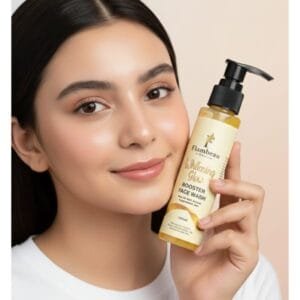
Step 2: Switch to a gentle, non-foaming cleanser. Look for a cleanser that doesn’t contain sulfates and has a pH close to your skin’s natural 5.5. A cream or gel cleanser that leaves your skin feeling comfortable is ideal. You can use a gentle cleanser like Glow Booster Face Wash – Brightening & Deep Cleansing which is formulated to cleanse without stripping. It contains ingredients that support brightness while being gentle on the skin.
Step 3: Apply a barrier-repairing moisturizer while skin is damp. After cleansing, gently pat your face dry with a soft towel, then apply a moisturizer that contains barrier lipids like ceramides, cholesterol, and fatty acids. These ingredients fill in the gaps in your barrier. Niacinamide is another excellent addition; it helps boost ceramide production and soothes inflammation. Look for a moisturizer that is fragrance-free and suited to your skin type.
Step 4: Add a soothing essence or serum. Products with ingredients like panthenol (vitamin B5), centella asiatica, and aloe vera can calm inflammation and speed up repair. Apply a thin layer of a hydrating essence before your moisturizer to give your skin an extra boost of moisture. If you have very dry skin, you might also apply a few drops of squalane oil after your moisturizer to seal in hydration.
Step 5: Protect your skin with sunscreen every morning. UV exposure worsens barrier damage. Use a broad-spectrum sunscreen with SPF 30 or higher, even on cloudy days. In Pakistan, the sun is strong year-round, so this is non-negotiable. If your sunscreen feels heavy, choose a gel or fluid formula that absorbs quickly.
Step 6: Be patient and consistent. It takes at least 2-4 weeks to see visible improvement in your barrier. You might notice reduced redness and less tightness within a week, but full repair can take up to 3 months. Stay consistent and don’t be tempted to reintroduce actives too early. Once your skin feels normal again, you can slowly add back one active at a time, using it two to three times a week initially.
Common Mistakes to Avoid While Repairing Your Barrier
Even with the best intentions, people often make mistakes that delay barrier repair. Over-washing your face is a common one. You might think washing more often will remove excess oil, but it strips your skin and triggers more oil production. Stick to washing twice a day—morning and night—and if you exercise, just rinse with water afterward.
Using hot water is another mistake. Hot water feels relaxing, but it’s terrible for your barrier. It dissolves the natural oils that hold your barrier together. Use lukewarm water instead, and keep your showers short. Similarly, exfoliating while your barrier is damaged is a big no-no. Even if you think a gentle scrub might help remove flaky skin, it will only cause more micro-tears and inflammation.
Applying multiple new products at once is risky. When you’re repairing your barrier, you should introduce one new product at a time, and always patch test first. This way, if something causes a reaction, you know which product to blame. Also, skipping sunscreen is a critical error. Sun exposure without protection will slow down your repair and may cause permanent damage. Even if you’re indoors, if you sit near a window, you’re exposed to UVA rays.
Another common trap is using too many hydrating layers without occlusives. Toners and serums are great, but if you don’t seal them with a moisturizer that contains occlusive ingredients like petrolatum or shea butter, the moisture will evaporate. In a dry climate or air-conditioned room, this is especially harmful. If your skin feels tight after applying layers of serums, you need a richer moisturizer.
Finally, expecting instant results leads to frustration and abandoning the routine. Skin barrier repair is a slow process. You might not see dramatic changes overnight. Trust the process and give your skin the time it needs. Remember, your skin is your largest organ and it heals on its own timetable.
How to Choose Barrier-Repairing Products (And What to Look For)
When shopping for barrier-repairing products, look for specific ingredients that have been proven to help. Ceramides are the most important—they are the lipids that make up 50% of your skin’s barrier. Choose a moisturizer that lists ceramides in the first few ingredients. Niacinamide is another star: it helps increase ceramide production, reduces inflammation, and regulates oil. It’s suitable for all skin types, including oily skin.
Squalane is a lightweight oil that mimics your skin’s natural sebum. It’s excellent for repairing the barrier without feeling greasy. Look for it in serums or moisturizers. Panthenol (vitamin B5) is a humectant that attracts water and acts as a soothing agent. It’s great for sensitive skin. Shea butter is rich in fatty acids and provides a protective layer. It’s heavier, so it’s best for dry skin or night use.
Avoid products with fragrance, alcohol denat., or essential oils—these can irritate a compromised barrier. Also, avoid strong acids like glycolic acid or salicylic acid in high percentages until your barrier is repaired. If you have oily or acne-prone skin, you might be tempted to use lightweight gel moisturizers, but make sure they still contain barrier-repairing ingredients. Look for “oil-free” but also “barrier-supporting.”
In Pakistan, you have access to both local and international brands. Flambeauty offers a Beauty Care Head-to-Toe Bundle that includes a hand and foot repair cream and a nail growth serum. While designed for hands and feet, the repair cream can be used on very dry patches on your face if it contains barrier-friendly ingredients—just check the label. Our blog has more tips on skincare, and you can explore our Skin Care category for gentle cleansers and moisturizers.

Skin Barrier Repair for Different Skin Types
Your skin type influences how you should approach barrier repair. Dry skin needs extra occlusives. After your moisturizer, apply a thin layer of petrolatum or a rich balm to lock in moisture. Look for products with shea butter, ceramides, and hyaluronic acid. Avoid foaming cleansers; opt for cream cleansers.
Oily skin can still have a damaged barrier. You might be tempted to avoid moisturizer, but that’s counterproductive. Instead, choose a lightweight, oil-free moisturizer that contains niacinamide and ceramides. Gel-based moisturizers work well. You can still cleanse twice a day, but avoid scrubbing and use a gentle gel cleanser.
Combination skin needs balance. You might have oily T-zone and dry cheeks. Apply a lighter moisturizer on the T-zone and a richer one on the cheeks. Use a gentle cleanser that doesn’t strip the oils from your T-zone. Niacinamide is your best friend—it helps regulate oil while repairing the barrier.
Sensitive skin requires the most caution. Stick to fragrance-free, hypoallergenic products. Avoid any product with essential oils. Use lukewarm water and a soft washcloth. Consider doing a patch test before applying a new product to your entire face. Centella asiatica and aloe vera are soothing ingredients to look for.
Acne-prone skin often has a compromised barrier due to harsh acne treatments. If you’re using benzoyl peroxide or salicylic acid, reduce frequency to every other day and ensure you moisturize afterward. Look for non-comedogenic moisturizers that contain ceramides to repair the barrier without clogging pores. You might also want to read our herbal remedies for acne for gentle alternatives.
Lifestyle Habits That Support Skin Barrier Recovery
Skincare products are only part of the equation. Your daily habits play a huge role in barrier repair. Hydration is key. Drink plenty of water throughout the day to keep your skin hydrated from the inside. But remember, drinking water alone isn’t enough; you still need topical moisturizers to prevent water loss.
Manage stress through activities like meditation, walks, or hobbies. High stress levels increase cortisol, which can impair barrier repair. In our fast-paced lives, taking time to unwind is essential. Also, get enough sleep—aim for 7-9 hours a night. Your skin repairs itself while you sleep, so a good night’s rest is powerful.
Protect your skin from the sun beyond sunscreen. Wear a wide-brimmed hat and sunglasses when outdoors. In Pakistan, the sun is harsh, especially between 10 a.m. and 4 p.m. Seek shade when possible. Use a humidifier in your bedroom during dry months or when you’re using air conditioning. This adds moisture to the air, reducing water loss from your skin.
Watch your diet. Foods rich in omega-3 fatty acids (like fish and walnuts) help reduce inflammation. Antioxidant-rich fruits and vegetables support skin repair. Avoid excessive sugar and processed foods, which can promote inflammation. Finally, avoid smoking and limit alcohol—both are damaging to the skin barrier and overall health.
Consistency is everything. Repairing your barrier takes time, but with the right products and habits, you can restore your skin’s health. Remember, your skin is a reflection of your overall well-being. For more tips on managing oily skin, check out our shine reduction tips. And always consult a dermatologist if you have severe or persistent issues.
Frequently Asked Questions
How long does it take to repair a damaged skin barrier?
It typically takes 2-4 weeks to see noticeable improvement, but full repair can take up to 3 months depending on the severity of damage and your consistency with a gentle routine.
Can I use exfoliants while my skin barrier is damaged?
No, you should stop all exfoliating (physical and chemical) until your barrier is repaired. Exfoliating can worsen inflammation and delay healing.
Is it okay to apply oil on a damaged skin barrier?
Yes, certain oils like squalane and jojoba can help repair the barrier by mimicking natural lipids. Avoid essential oils and heavy comedogenic oils like coconut oil if you're prone to breakouts.
Can a damaged skin barrier cause acne?
Yes, a damaged barrier can lead to increased oil production and bacterial penetration, which may trigger breakouts. Repairing the barrier often helps improve acne.
Written by Mishal Rehman, owner of Flambeauty — sharing practical, professional beauty and skincare guidance.
Updated: August 2026