Discover the best anti-aging serum for skin in your late 20s. Learn key ingredients, how to choose for your skin type, and build a routine that prevents...
For skin in your late 20s, the best anti-aging serum combines antioxidants (like vitamin C), hydration (hyaluronic acid), and gentle cell-communicating ingredients (like peptides or niacinamide) to prevent and soften fine lines, loss of firmness, and dullness. Look for a serum that suits your skin type and use it consistently in your morning or evening routine.
Why Your Late 20s Are a Turning Point for Skin
Your late 20s are often when you first notice subtle changes: a fine line around your eyes when you smile, a slight loss of that “baby” plumpness, or a duller complexion that no amount of sleep seems to fix. This isn’t random – it’s biology. Collagen production begins to slow down around age 25, and your skin’s natural exfoliation process also becomes less efficient. What this means in practice is that your skin repairs itself more slowly, and the effects of sun exposure, pollution, and lifestyle habits start to accumulate visibly.
But this is also a fantastic time to intervene because your skin still has good resilience. You don’t need heavy-duty prescription retinoids or invasive procedures yet – you need a smart, consistent approach that supports your skin’s natural processes. The right serum can make a noticeable difference in maintaining elasticity, smoothing fine lines, and keeping your complexion radiant. Think of it as investing in your future skin, rather than fixing a problem that’s already deep-set.
Another key shift in your late 20s is that your skin’s barrier can become more fragile. Years of experimenting with harsh products, not wearing enough sunscreen, or stress can leave it compromised. This is why the best anti-aging serum for this age isn’t necessarily the strongest one – it’s one that balances active ingredients with barrier-supporting ones. Ingredients like ceramides, squalane, and niacinamide help keep moisture in and irritants out, which is essential for healthy, youthful-looking skin.
In Pakistan, our climate adds another layer. The intense sun, humidity (especially in cities like Karachi), and air pollution can accelerate visible aging. So your serum choices should also consider antioxidant protection to combat environmental stress. A serum with vitamin C or other antioxidants can help neutralize free radicals that break down collagen, making it a smart addition to your routine, regardless of your skin type.
Finally, your late 20s are often a busy decade – careers, relationships, maybe starting a family. Stress and sleep deprivation can show up on your skin. While no serum can replace a good night’s sleep, ingredients like adaptogens (ashwagandha, ginseng) and niacinamide can help calm stress-related inflammation and support a healthier-looking complexion. The goal isn’t perfection; it’s maintaining your skin’s health so it can do its job effectively.
So, if you’re in your late 20s and wondering if you need an anti-aging serum, the answer is yes – but not in a panic-inducing way. You’re simply giving your skin the support it needs at a time when it can still respond beautifully. The key is to choose wisely and use consistently.
Key Ingredients to Look For (and a Few to Avoid)
When you start shopping for an anti-aging serum, the ingredient list can be overwhelming. Here’s a breakdown of the most effective, research-backed ingredients for your late 20s, and what they actually do for your skin.
Antioxidants – Vitamin C is the gold standard. It neutralizes free radicals from UV and pollution, brightens your complexion, and helps boost collagen production. Look for serums with 10-15% vitamin C (ascorbic acid) for best results, or gentler forms like magnesium ascorbyl phosphate if you have sensitive skin. Other antioxidants like vitamin E, ferulic acid, and green tea extract also offer protective benefits.
Hyaluronic Acid – This hydrating powerhouse can hold up to 1000 times its weight in water, drawing moisture into the skin and plumping it from within. Dehydrated skin looks older, with more visible fine lines. A serum with hyaluronic acid (often listed as sodium hyaluronate) helps your skin retain moisture, which makes lines less noticeable and gives a smoother, dewy look.
Peptides – These are short chains of amino acids that signal your skin to produce more collagen and elastin. They’re gentle, well-tolerated, and ideal for prevention. Look for serums containing matrixyl, copper peptides, or palmitoyl pentapeptide-4. Over time, they can help firm skin and soften the appearance of fine lines.
Niacinamide (Vitamin B3) – This multi-tasker strengthens the skin barrier, reduces redness, improves uneven tone, and minimizes the look of pores. It also helps your skin produce ceramides, which are essential for a healthy barrier. Niacinamide is a fantastic ingredient for late 20s skin because it’s gentle and works well with other actives.
Retinoids – Retinol is the most studied anti-aging ingredient, but it can be irritating. In your late 20s, you don’t need prescription-strength tretinoin; a low percentage (0.1% to 0.3%) of encapsulated retinol or a retinaldehyde is a great starting point. It speeds up cell turnover, unclogs pores, and stimulates collagen. If you choose retinol, introduce it slowly – start with 2-3 times a week and always wear sunscreen in the morning.
Now, what to avoid: Fragrance (can irritate and sensitize skin), alcohol denat (drying), and essential oils (unless you’re sure they don’t bother you). Also, be wary of “anti-aging” serums that rely on glitter or silicone to give an instant blurring effect – they don’t provide long-term benefits. Choose serums that are transparent about their active ingredient percentages.
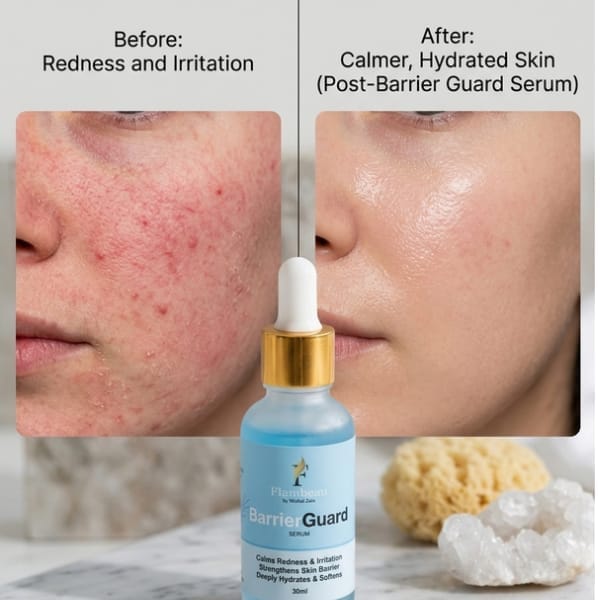
For a ready-made option, Barrier Guard Serum is a great choice if your skin is sensitive or easily irritated – it focuses on ceramides and soothing ingredients to keep your barrier strong while you use other actives.
How to Choose the Right Serum for Your Skin Type
Not all anti-aging serums are created equal, and your skin type should guide your choice. Here’s a breakdown to help you pick the perfect serum for your late 20s.
Dry or Dehydrated Skin
If your skin feels tight, flaky, or looks dull, prioritize hydration and barrier repair. Look for serums with hyaluronic acid, glycerin, ceramides, and squalane. These ingredients draw in moisture and help seal it in. You might also benefit from a peptide serum to support firmness. Avoid high-percentage retinol or strong vitamin C – they can be too drying. Instead, opt for a gentle vitamin C derivative or a hydrating serum that contains peptides. Apply your serum onto damp skin to boost absorption, and follow with a rich moisturizer.
Oily or Combination Skin
Oily skin still needs anti-aging care, but you want lightweight, non-comedogenic formulas. Niacinamide is your best friend – it helps regulate oil production, improves texture, and strengthens the barrier. Choose a gel-based serum with hyaluronic acid for hydration without heaviness. You can also use a low-percentage retinol to keep pores clear and prevent congestion. Avoid heavy oils or butters in serums, as they can clog pores. Look for formulas labeled “oil-free” or “non-comedogenic.”
Sensitive or Redness-Prone Skin
If your skin reacts easily, you need a serum that is soothing and calming. Look for ingredients like centella asiatica, allantoin, aloe vera, and niacinamide (in lower concentrations). Avoid fragrance, alcohol, essential oils, and high-strength actives. A peptide serum or a barrier-repair serum is ideal. Start with one new product at a time and always patch test. You can also use a product like Barrier Guard Serum to keep your skin calm while you introduce other anti-aging ingredients gradually.
Acne-Prone or Oily Skin with Breakouts
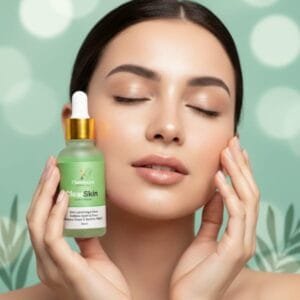
If you still get breakouts, you might be tempted to skip anti-aging, but you don’t have to. Niacinamide and bakuchiol (a plant-based retinol alternative) are great options. They help unclog pores, reduce inflammation, and support collagen without irritating. The Clear Skin Acne Control Serum is designed to reduce spots and scars while controlling breakouts – it can be a smart addition to your routine. Just be careful not to layer too many active ingredients at once; alternate them or use one in the morning and another at night.
Dark Spots or Uneven Tone
If sun damage or post-acne marks are your main concern, focus on brightening ingredients. Vitamin C, niacinamide, alpha arbutin, and licorice root extract can help fade dark spots and even out your complexion. Pair these with sunscreen every single day – otherwise, no serum will be effective. You can also consider a gentle exfoliating serum with AHAs (like glycolic or lactic acid) 1-2 times a week, but don’t overdo it.
How to Use an Anti-Aging Serum: A Step-by-Step Guide
Even the best serum won’t work if you use it incorrectly. Here’s a simple but effective routine for incorporating an anti-aging serum into your late 20s.
Step 1: Cleanse your face – Start with a gentle cleanser that removes dirt, oil, and makeup without stripping your skin. In the morning, a gentle cleanse is enough; in the evening, double cleanse if you wear sunscreen or makeup.
Step 2: Apply to slightly damp skin – After patting your face dry, leave it slightly damp. This helps hyaluronic acid and other humectants draw in moisture. If your serum contains retinol, however, apply to completely dry skin to reduce irritation.
Step 3: Use the right amount – Usually 3-4 drops are enough for your whole face. Apply to your face and neck, avoiding the immediate eye area unless the serum is specifically formulated for eyes.
Step 4: Wait a minute – Let the serum absorb for about a minute before moving to the next step. This prevents pilling and ensures better penetration.
Step 5: Follow with moisturizer – Always seal in the serum with a moisturizer to lock in hydration and actives. If you’re using a thick cream, you can apply it right after.
Step 6: Sunscreen in the morning – This is non-negotiable. Sunscreen is the most effective anti-aging product you can use. Apply SPF 30 or higher every morning, even on cloudy days. If you’re using retinol or AHAs, sunscreen is especially crucial.
When to use your serum? In the morning, focus on antioxidant serums (like vitamin C) to protect against daytime stress. In the evening, use repair-focused serums (peptides, retinol, niacinamide). If you have multiple serums, you can layer them – but always go from thinnest to thickest, and don’t mix too many actives at once. For example, use your vitamin C in the morning, and your retinol or peptide serum at night.
Consistency is more important than intensity. Use your serum daily (or as directed) for at least 8-12 weeks to see results. Don’t expect overnight miracles – anti-aging is a slow, steady process.
If you’re unsure about the order of your skincare products, check our guide on Serum or Moisturizer First? The Correct Skincare Order to make sure you’re getting the most out of your routine.
Common Mistakes to Avoid When Using Anti-Aging Serums
Even with the best intentions, we often make mistakes that sabotage our skin. Here are the most common ones I see with clients in their late 20s.
Mistake #1: Starting with too many active ingredients at once. Your skin needs time to adapt. If you introduce vitamin C, retinol, and AHAs all in the same week, you’ll likely end up with irritation, redness, and breakouts. Instead, introduce one new active at a time, and wait at least two weeks before adding another.
Mistake #2: Skipping sunscreen. This is the biggest mistake of all. No serum can counteract the damage from UV rays. If you’re not using sunscreen daily, you’re undoing all your anti-aging efforts. Choose a broad-spectrum SPF 30 or higher and reapply every 2 hours if you’re outdoors.
Mistake #3: Using too much product. More serum doesn’t mean more results. It can clog pores and waste product. Stick to the recommended amount – usually a pea-sized drop or 2-3 drops for the face.
Mistake #4: Applying to dry skin (for some serums). Hyaluronic acid needs water to work. If you apply it to bone-dry skin, it can actually pull moisture from deeper layers, leaving you more dehydrated. Apply to damp skin or mist your face first.
Mistake #5: Ignoring your neck and chest. These areas show aging just as much as your face, but are often neglected. Extend your serum down your neck and décolletage.
Mistake #6: Not patch testing. Always patch test a new serum on your inner arm or behind your ear for 24 hours before using it on your face. This is especially important if you have sensitive skin or allergies.
Mistake #7: Expecting instant results. Anti-aging serums take time. You might see a glow after a few weeks, but fine lines and firmness improvements take 3-6 months of consistent use. Don’t give up too soon.
Also, avoid layering too many serums – your skin can only absorb so much. If you’re using a treatment serum, keep your routine simple: cleanser, serum, moisturizer, sunscreen. For a budget-friendly routine that doesn’t compromise on effectiveness, check out our post on Build a Complete Skincare Routine Without Overspending.
How to Build a Serum Routine on a Budget
You don’t need to spend a fortune to get effective anti-aging benefits. Many affordable serums in Pakistan deliver results if you know what to look for. Here are some tips to keep your routine effective and budget-friendly.
First, prioritize the ingredients that matter most for your concerns. For most late 20s skin, a good combination is a hyaluronic acid serum for hydration, niacinamide for barrier and tone, and either vitamin C (morning) or peptides/retinol (night). You don’t need all of them at once – start with one and build up.
Second, look for multi-tasking serums that combine several beneficial ingredients. For example, a serum that contains both niacinamide and peptides, or hyaluronic acid and vitamin C. This saves money and simplifies your routine.
Third, consider the cost per use. A serum that costs PKR 3,000 but lasts 3 months might be more economical than a PKR 1,500 serum that lasts only a month. Check the concentration and packaging – airless pumps help preserve the product and can extend its shelf life.
Fourth, don’t neglect the basics: a good sunscreen and moisturizer are essential. If your budget is tight, invest in a sunscreen that you’ll actually use, and a basic moisturizer with ceramides. You can save on serums by choosing simpler formulas.
Finally, you can also support your skin from within: eat a diet rich in antioxidants (fruits, vegetables), stay hydrated, and get enough sleep. These habits will enhance the effects of any serum.
Here’s a rough price guide for serums in Pakistan (prices may vary):
| Serum Type | Approximate Price Range (PKR) |
|---|---|
| Hyaluronic Acid | 800 – 2,500 |
| Niacinamide | 1,000 – 3,000 |
| Vitamin C | 1,500 – 4,500 |
| Peptides | 2,000 – 5,000 |
| Retinol (low %) | 2,500 – 6,000 |
As you can see, you can build a routine with two effective serums for under PKR 5,000. Remember, consistency and sunscreen matter more than the price tag.
For more tips and product recommendations, browse our serums category or read more in our blog.
Frequently Asked Questions
At what age should I start using an anti-aging serum?
You can start in your mid-20s. The goal is prevention, not correction. Using a serum with antioxidants and hydration in your late 20s helps maintain collagen and prevent early signs of aging.
Can I use an anti-aging serum if I have oily skin?
Yes. Choose lightweight, non-comedogenic serums with niacinamide or hyaluronic acid. Avoid heavy oils or creams. Gel-based serums are ideal.
How long does it take to see results from an anti-aging serum?
You may notice a glow within 2-4 weeks, but for fine lines and firmness, expect 3-6 months of consistent use. Consistency and sunscreen are key.
Should I use a retinol serum in my late 20s?
A low concentration (0.1-0.3%) is a great option. Start slowly, use it at night, and always wear sunscreen in the morning. If you have sensitive skin, consider bakuchiol instead.
Written by Mishal Rehman, owner of Flambeauty — sharing practical, professional beauty and skincare guidance.
Updated: August 2026