Discover how to keep your eyebrows neat between threading sessions with simple grooming habits, nourishing oils, and the right tools. Extend your brow...
To keep your eyebrows neat without frequent threading, focus on daily grooming habits like brushing brow hairs upward, trimming only the longest strays, and using a clear brow gel to hold them in place. Nourish the skin and hairs with a light oil or brow serum to reduce breakage and promote healthier growth, which makes brows easier to manage. Spot-tweeze only the obvious strays outside your natural arch, and avoid over-shaping. These simple steps can stretch the time between threading sessions to four weeks or more.
Understanding Your Natural Brow Shape and Growth Pattern
Your eyebrows have a natural shape and growth pattern, and the more you work with it, the less often you’ll need to thread. The key is to identify your natural arch, where your brow hairs are thickest, and the direction each hair grows. Most people have a mix of upward-growing hairs near the inner corner, horizontal hairs along the middle, and downward-growing hairs at the tail. If you brush them all in one direction, you’ll see the chaos—but also the natural order.
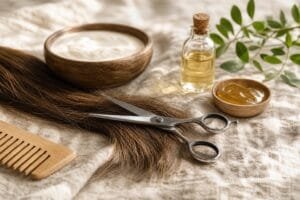
Take a good look in a magnifying mirror after cleansing your face. Use a spoolie to brush all hairs upward and then let them fall naturally. Notice which hairs fall outside your desired brow line. Those are the ones to tweeze, not the ones that are merely long. Long hairs within the brow line should be trimmed with small scissors, not plucked, because plucking them can create gaps.
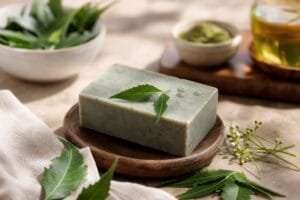
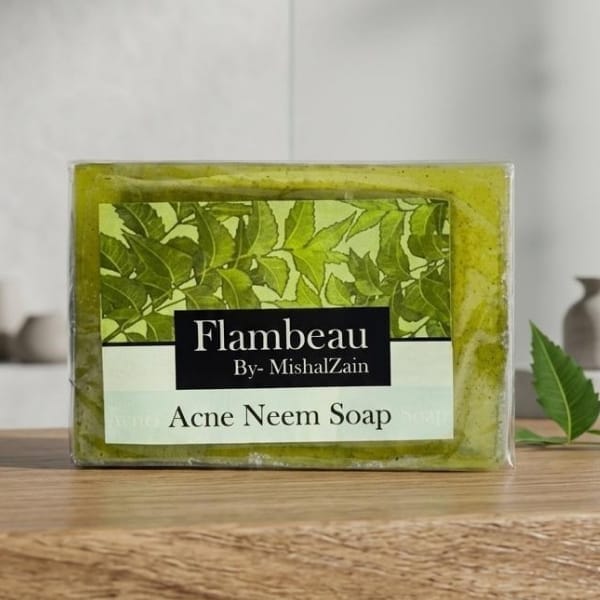
Your skin’s oiliness also affects how often brows look messy. Oily skin can make brow hairs clump together, while dry skin may cause flakiness that mimics brow dandruff. This is where a good skincare routine helps. If you use a gentle cleanser like the Acne Neem Soap for Pimples, Oil Control & Deep Skin Cleansing to keep your face clean without stripping, your brow area will stay clearer and hairs will lie more smoothly.

Another factor is your natural brow thickness. Thicker brows tend to hide longer hairs better, so they can go longer between trims. Thinner brows show every stray, so they need more frequent attention. But even thin brows can be trained to grow healthier with regular nourishment.
Finally, remember that your brows are part of your facial expressions. Over-plucking or over-trimming can alter your look more than you realize. Working with your natural shape not only reduces maintenance but also keeps your face balanced and expressive.
Daily Habits That Keep Brows in Line
Consistency beats intensity when it comes to brow upkeep. A few minutes each morning can keep your brows looking neat for weeks, saving you from frequent threading appointments. Start by brushing your brows with a clean spoolie—upward and slightly outward—to train the hairs to stay in place. This also distributes your skin’s natural oils along the hairs, giving them a subtle, healthy sheen.
After brushing, set them with a clear brow gel or even a tiny bit of aloe vera gel. If you don’t have a brow gel, you can use a drop of hair gel mixed with water on an old mascara wand. The goal is to hold the hairs in the direction you’ve brushed them, which prevents them from wandering into messy territory by midday.
At night, never sleep with makeup or brow products on. Residual gel or pomade can harden and cause hairs to break. Instead, gently cleanse your brow area with a mild cleanser and pat dry. This is also the best time to apply a nourishing oil or brow serum, as the skin repairs itself overnight.
One overlooked habit is avoiding touching your brows throughout the day. Resting your chin on your hand, rubbing your eyes, or repeatedly smoothing your brows can transfer oils and dirt, making them look greasy and disheveled. If you catch yourself doing this, try a small stress ball or simply be mindful.
Another tip is to keep a spoolie in your bag. A quick brush mid-afternoon can revive your brow shape without any product. It takes ten seconds and makes a huge difference, especially in humid weather or during long workdays.
Trimming and Shaping at Home: Step-by-Step
You don’t need to be a professional to keep your brows tidy between threading sessions. With the right tools—a spoolie, small scissors, and tweezers—you can safely trim and shape at home. First, always work on clean, dry brows. Wet hairs are slippery and harder to control, and you risk cutting too much.
Begin by brushing all brow hairs upward with the spoolie. You’ll see the hairs that extend above your natural brow line. Using small, sharp scissors, carefully trim only the tips of those longer hairs—just a little at a time. It’s better to under-trim than to overdo it, as you can always cut more, but you can’t uncut.
Next, brush the hairs downward and trim any that hang below the lower edge of your brow. Again, be conservative. The goal is to remove only the strays that stick out, not to reshape the brow itself. After trimming, brush everything back into place and assess the shape.
Now for tweezing: only remove hairs that are clearly outside your natural brow line—typically a few stray hairs between the brows, above the arch, or below the tail. Use a good pair of slanted tweezers and pull in the direction of hair growth to minimize pain and prevent ingrown hairs. Always tweeze after a warm shower when pores are open, which makes hairs easier to remove.
If you’re nervous about shaping, mark your brow’s natural outline with a white eyeliner pencil before you start. This gives you a visual guide and prevents over-plucking. Remember, you’re not trying to change your brow shape drastically, just maintain it.
Nourishing Your Brows to Reduce Breakage and Sparse Areas
Healthy brows are easier to keep neat because the hairs are stronger and less prone to breakage. Just like the hair on your head, brow hairs need moisture and nutrients. A simple daily massage with a drop of castor oil, jojoba oil, or a dedicated brow serum can make a noticeable difference over a few weeks.
These oils penetrate the hair shaft, reducing brittleness and split ends. They also moisturize the skin underneath, which helps prevent flakiness that can make brows look patchy. For best results, apply a tiny amount with a clean spoolie or your fingertip each night before bed. Massage gently for a minute to stimulate blood flow, which can support healthier hair follicles.
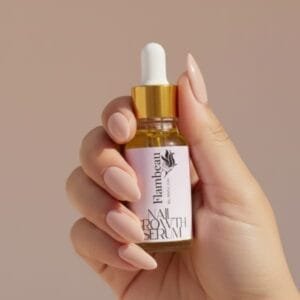
If you’re looking for a product that combines nourishment with practicality, consider a growth-focused serum. While results vary, many people find that consistent use helps fill in sparse areas, making brows look fuller and more uniform. Fuller brows require less frequent shaping because there are fewer gaps to worry about.
Another benefit of a nourishing oil is that it tames unruly hairs without the stiffness of gel. A light oil can smooth down flyaways and give a subtle, natural hold. This is especially helpful for people with coarse or wiry brow hairs that tend to stick out.
Don’t forget that your diet and overall skin care affect brow health. Staying hydrated, eating foods rich in vitamins B and E, and using gentle cleansing methods that don’t strip your skin barrier all contribute to a healthy brow environment.
Common Mistakes That Make Brows Look Messy Faster
Even with good intentions, certain habits can make your brows look messy sooner than necessary. One of the biggest mistakes is over-tweezing between threading sessions. When you pluck too many hairs, you create gaps that are hard to hide, and your brows may look uneven. Always tweeze sparingly, and only remove obvious strays.
Another mistake is trimming while your brows are wet. Wet hairs stretch out, so you might cut more than you intended, leaving you with shorter, spiky brows that are harder to style. Always trim dry, brushed hairs, and cut conservatively.
Skipping the spoolie brush is also a common error. If you don’t brush your brows regularly, they can become tangled, and you might accidentally tweeze a hair that was just out of place. Brushing trains the hairs to grow in the right direction, reducing the appearance of chaos.
Using the wrong tools is another pitfall. Dull tweezers can break hairs instead of pulling them out cleanly, leading to ingrown hairs and rough texture. Invest in a good pair of slanted tweezers and replace them every couple of years. Similarly, using scissors that are too large increases the risk of accidental cuts.
Finally, ignoring the skin around your brows can cause flakiness and redness, which makes even well-groomed brows look messy. Exfoliate gently around the brow area once a week and keep the skin moisturized. If you have acne or oiliness around the brows, using a targeted cleanser like the Acne Neem Soap can help keep that area clear without drying it out.
Choosing the Right Products and Tools for Low-Maintenance Brows
With so many brow products on the market, it’s easy to get overwhelmed. But for low-maintenance brows, you only need a few essentials: a good spoolie, a pair of small scissors, tweezers, and either a clear brow gel or a nourishing oil. If you prefer a bit of color, a brow pencil or powder in your shade can help fill in sparse areas, but it’s not necessary for neatness.
When choosing a brow gel, look for one that offers a flexible hold—not a crunchy finish. A clear gel with polymers like PVP or VP/VA copolymer will hold hairs in place without stiffness. If you have very unruly brows, a tinted wax pomade might be better, but they can be heavier and require more effort to apply.
For nourishing oils, opt for cold-pressed castor oil, argan oil, or a blend specifically designed for brows. Avoid products with added fragrance or alcohol, which can dry out the hairs. A little goes a long way—just a drop per brow is enough.
If you’re considering a serum, look for ingredients like peptides, biotin, and saw palmetto, which are often used in hair growth formulas. Be realistic about expectations; results take time and consistency. Also, always patch test any new product on your inner arm before applying it near your eyes.
For those on a budget, you can DIY a brow oil using a mix of castor oil and a few drops of vitamin E oil. Store it in a clean mascara tube for easy application. This is a cost-effective way to nourish your brows without buying multiple products.
Ultimately, the right tools and products are the ones you’ll use consistently. Keep them visible on your vanity or in your bag so you remember to use them. Over time, you’ll find a routine that works for you, and you’ll extend the time between threading sessions to a month or more.
Adapting Your Routine for Different Brow Types
Thick and Coarse Brows
If you have thick, coarse brows, your main challenge is taming unruly hairs. You might need a stronger hold gel or a wax to keep them in place. Trimming is essential to remove excess length that makes them look bushy. Use a brow brush to train them daily, and consider a nourishing oil at night to soften the hairs, making them easier to manage.
Thin and Sparse Brows
For thin or sparse brows, focus on nourishing the hair follicles to promote growth. Use a growth serum or castor oil every night, and be extra gentle when tweezing to avoid losing any hairs. A tinted brow gel or powder can fill in gaps and give the illusion of fuller brows. Avoid heavy waxes that can make sparse brows look cakey.
Average Brows
If your brows are average thickness, you might only need a clear gel and occasional trimming. Stick to a basic routine: brush, trim strays, and set with gel. This will keep them neat with minimal effort.
Sensitive Skin Around Brows
If you have sensitive skin, be cautious with new products. Choose fragrance-free, hypoallergenic formulas and always patch test. When tweezing, use a clean, sharp tool to minimize irritation. If you experience redness, apply a soothing aloe vera gel.
For more tips on caring for your skin and hair, explore our blog or browse our skin care collection for products that support healthy skin. And if you struggle with dandruff that might affect your brow area, check out our guide on herbal hair rinses for dandruff.
Frequently Asked Questions
How often should I tweeze my eyebrows between threading sessions?
Only tweeze obvious strays outside your natural brow line, and do it sparingly—maybe once a week. Over-tweezing can create gaps and make your brows look uneven, so focus on stray hairs only.
Can I use castor oil on my eyebrows every day?
Yes, castor oil is generally safe for daily use on eyebrows. Apply a small amount each night with a spoolie or clean fingertip, and massage gently. It can help moisturize hairs and the skin, reducing breakage.
What is the best way to trim long eyebrow hairs at home?
Brush all hairs upward with a spoolie and trim only the tips that extend above your natural brow line using small scissors. Do this on dry, clean brows, and trim conservatively to avoid over-cutting.
How long can I go between threading appointments if I maintain my brows at home?
With regular brushing, trimming, and gentle tweezing, you can extend the time between threading sessions to four weeks or even longer. The key is consistent daily care and working with your natural brow shape.
Written by Mishal Rehman, owner of Flambeauty — sharing practical, professional beauty and skincare guidance.
Updated: August 2026