Struggling with dandruff and a dry scalp? Learn gentle, effective ways to treat flaking without stripping moisture, plus product picks and routines for...
Dealing with dandruff without drying out your scalp means choosing gentle, moisturizing anti-dandruff ingredients like zinc pyrithione, salicylic acid, or ketoconazole in a hydrating base, and pairing them with a soothing, fragrance-free conditioner and a consistent but not overly frequent washing routine. Avoid harsh sulfates and over-washing, and always follow up with a lightweight scalp moisturizer or oil to keep your skin barrier healthy. This balanced approach tackles flakes while maintaining comfort and moisture.
Understanding the Dandruff-Dryness Dilemma
Dandruff is a common scalp condition that shows up as flaking and itching, and it’s often caused by an overgrowth of a yeast called Malassezia that naturally lives on our scalps. Many traditional anti-dandruff shampoos are formulated with strong active ingredients that do an excellent job of controlling that yeast, but they can also strip away the scalp’s natural oils, leaving it parched, tight, and even more prone to irritation. That’s the core challenge: you need to treat the flaking without sacrificing the moisture balance that keeps your scalp comfortable and healthy.
The key is to understand that your scalp is an extension of your facial skin, and it deserves the same kind of gentle care. Harsh detergents, excessive washing, and alcohol-based toners can all contribute to a damaged skin barrier, which can actually make dandruff worse in the long run because an irritated scalp produces more oil to compensate, and that oil feeds the yeast. So, instead of reaching for the strongest formula you can find, it’s wiser to look for products that combine effective anti-dandruff actives with moisturizing ingredients like glycerin, aloe vera, or ceramides.
In Pakistan’s climate, where humidity and heat fluctuate dramatically between seasons, this balance becomes even more important. During the hot, humid months, your scalp may naturally produce more oil, while in the cooler, drier months, it can become dehydrated and more sensitive. A one-size-fits-all approach rarely works year-round, so learning to read your scalp’s signals and adjust your routine is essential. This guide will walk you through practical steps to manage dandruff effectively without compromising on moisture.
Key Ingredients to Look For (and What to Avoid)
When you’re scanning the ingredient list of a shampoo or scalp treatment, look for proven anti-dandruff actives like zinc pyrithione, which helps control Malassezia and is generally gentle on the skin, or salicylic acid, which helps exfoliate away flakes and can also reduce oiliness. Another option is ketoconazole, a powerful antifungal that works well for stubborn cases, but it can be more drying, so it’s best used in short courses or alternating with a gentler shampoo. Coal tar and selenium sulfide are also effective but can have stronger odors and be more irritating, so they might be better for short-term use under a dermatologist’s guidance.
To counteract the potential drying effects of these actives, look for shampoos that also contain moisturizers and soothing agents. Ingredients like glycerin, panthenol (pro-vitamin B5), aloe vera, ceramides, and natural oils like argan or jojoba can help maintain your scalp’s hydration. A formula that’s labeled “sulfate-free” is a good sign, because sulfates like sodium lauryl sulfate (SLS) are strong cleansers that can strip away too much oil, leaving your scalp dry and irritated. Instead, look for gentler surfactants like sodium cocoyl isethionate or decyl glucoside.
On the flip side, be cautious about products that contain high amounts of alcohol, fragrance, or essential oils that can be sensitizing. While a little fragrance might be pleasant, heavily scented products often contain allergens or irritants that can worsen inflammation. Also, avoid using any product that makes your scalp feel tight or itchy after washing—that’s a sign it’s too harsh for your skin. Always patch test a new product on a small area of your scalp before applying it all over, and give each product at least two to three weeks to show results, as anti-dandruff actives need time to work.
Building a Gentle Anti-Dandruff Routine
Start by choosing a gentle, moisturizing anti-dandruff shampoo that suits your scalp type. If you have a dry scalp, look for a creamier formula with hydrating ingredients; if your scalp is oily, a lighter gel or lotion may be better. Massage the shampoo into your scalp with your fingertips, not your nails, using gentle circular motions for at least two minutes to allow the active ingredients to penetrate. Rinse thoroughly with lukewarm water—hot water can strip oils and irritate the scalp.
Follow up with a conditioner that is specifically designed for the scalp or at least one that is free of heavy silicones that can build up on the scalp. Apply it mainly to the lengths of your hair, but if your scalp feels dry, you can also use a lightweight, non-comedogenic scalp conditioner or a soothing leave-in treatment. For an extra boost, once a week, use a scalp scrub or a gentle exfoliating mask with salicylic acid to help lift away stubborn flakes, but don’t overdo it—exfoliating more than once a week can cause irritation.
After washing, gently pat your scalp dry with a clean towel instead of rubbing, and avoid using a hairdryer on high heat, as heat can dry out the scalp. If you use styling products, choose water-based ones and avoid heavy oils or gels that can clog pores and worsen dandruff. Also, try to avoid wearing tight hats or scarves for long periods, as this can trap moisture and heat, creating an ideal environment for yeast overgrowth. Finally, wash your hairbrush and pillowcases regularly to prevent the buildup of product and dead skin cells.
For those who prefer a more natural approach, you can incorporate a weekly pre-wash treatment with diluted apple cider vinegar or a few drops of tea tree oil mixed with a carrier oil like coconut or jojoba. These have mild antimicrobial properties and can help soothe the scalp, but they should never be used undiluted. Always do a patch test first, and if you have any skin conditions, consult with a dermatologist before trying home remedies.
Common Mistakes That Worsen Dandruff and Dryness
One of the biggest mistakes people make is washing their hair too frequently, thinking that more washing means less flakes. In reality, over-washing strips the scalp of its natural oils, leading to increased dryness and irritation, which can paradoxically increase oil production and flaking. For most people, washing two to three times a week is sufficient, but this can vary depending on your scalp type and activity level. Listen to your scalp—if it feels tight or looks dry, reduce the frequency.
Another common error is using the wrong amount of shampoo. You only need a small amount, about the size of a coin, to cover your scalp. Using too much can leave residue and strip oils. Also, be sure to focus the shampoo on the scalp, not the ends of your hair, which are more fragile and prone to dryness. Another mistake is skipping conditioner because you think it will make your hair oily. On the contrary, a good conditioner helps maintain the moisture barrier and can actually reduce dryness and flakiness.
Many people also pick or scratch at their scalps to remove flakes, which only worsens irritation and can lead to infections. Instead of scratching, gently massage your scalp to loosen flakes, and use a soft brush to distribute natural oils. Also, avoid using hot water for washing and rinsing, as it can strip your scalp’s natural oils. Finally, don’t give up on a product after just one use—anti-dandruff treatments often take several weeks to show visible improvement, so be consistent and patient.
Choosing the Right Products for Your Scalp Type
Your scalp type plays a significant role in how you should approach dandruff treatment. If you have a dry scalp, look for products that are labeled “moisturizing” or “for dry scalp,” and consider using a pre-wash oil treatment with jojoba or argan oil to nourish the skin. If you have an oily scalp, opt for a lightweight, clarifying formula that contains salicylic acid or zinc pyrithione, and avoid heavy oils and silicones that can weigh down your hair. For sensitive scalps, choose fragrance-free, hypoallergenic formulas and always patch test.
If you have combination skin—oily roots and dry ends—you may need to use a gentle anti-dandruff shampoo on the scalp and a separate moisturizing conditioner on the ends. You can also try alternating between a gentle shampoo and a more medicated one to balance effectiveness and moisture. If you have curly or textured hair, be gentle when washing and use a wide-tooth comb to detangle, and consider using a sulfate-free shampoo that won’t strip your natural oils.
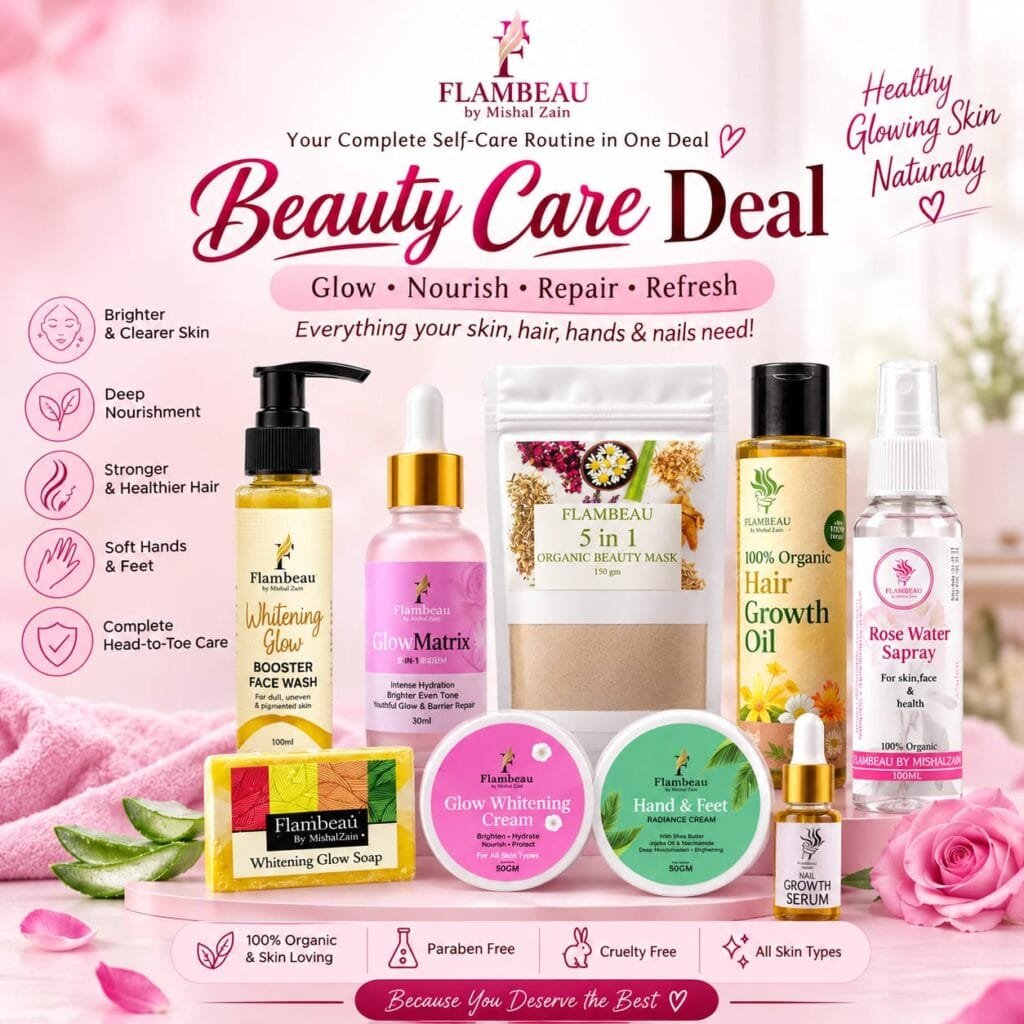
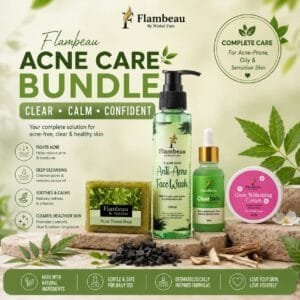
When shopping for products, look for trusted brands that prioritize scalp health. For instance, you might explore the Hair Care category for options that fit your routine. If you’re also dealing with acne or skin issues, a combination approach might help—check out the Acne Care Bundle – All in One to address multiple concerns. And if you’re looking for a comprehensive skincare and haircare routine, the Beauty Care Deal could be a convenient starting point.
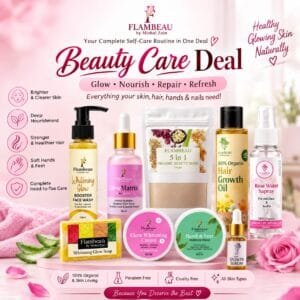
Remember to introduce new products one at a time and give them at least two weeks to assess their effects. Keep a simple journal of what you use and how your scalp feels to help you identify what works best for you. And if you have persistent or severe dandruff, it’s always wise to consult with a dermatologist who can provide personalized advice and prescribe stronger treatments if needed.
Lifestyle and Home Care Tips for a Healthier Scalp
Beyond products, your daily habits can significantly impact scalp health. Stress is a known trigger for dandruff flare-ups, so incorporating stress-reducing activities like yoga, meditation, or regular exercise can help. A balanced diet rich in vitamins B, D, and zinc can also support skin health, so include foods like eggs, nuts, and leafy greens in your meals. Staying hydrated is equally important—drink plenty of water throughout the day to keep your skin and scalp hydrated from within.
In Pakistan’s climate, where the sun can be intense, protect your scalp from UV damage by wearing a hat or using a scalp sunscreen if you’ll be outdoors for extended periods. Also, be mindful of the water quality—if you have hard water, it can leave mineral deposits on your scalp and hair, which can exacerbate dryness and flaking. Consider using a shower filter or a final rinse with filtered or bottled water if hard water is an issue.
Regularly clean your hair tools and accessories, such as combs, brushes, and hair ties, to prevent the buildup of product and dead skin cells. Wash your pillowcases at least once a week in hot water to remove oils and yeast. If you use hairsprays or gels, make sure to wash them out thoroughly to avoid buildup. And don’t forget to give your scalp a break from tight hairstyles that pull on the roots, as tension can irritate the scalp.
When to See a Dermatologist
If you’ve been consistent with a gentle anti-dandruff routine for several weeks and you’re not seeing any improvement, or if your scalp becomes increasingly red, swollen, or painful, it’s time to consult a dermatologist. They can help rule out other conditions like seborrheic dermatitis, psoriasis, or a fungal infection that may require prescription treatments. A dermatologist can also recommend stronger medicated shampoos or topical solutions that are safe for long-term use.
Additionally, if you experience hair loss or thinning along with your dandruff, seek professional advice, as this could indicate an underlying issue. For more general scalp and hair care tips, the American Academy of Dermatology offers reliable guidance. And if you’re looking for more beauty and skincare routines, you might enjoy our blog for additional insights on maintaining healthy skin and hair.
Frequently Asked Questions
Can I use a dandruff shampoo every day?
Most dermatologists recommend using a medicated dandruff shampoo 2-3 times a week, not daily, to avoid over-drying the scalp. If you need to wash more often, alternate with a gentle, sulfate-free shampoo.
Will conditioner make dandruff worse?
No, using a conditioner is actually beneficial as it helps maintain the scalp's moisture barrier. Just make sure to choose a lightweight, non-comedogenic formula and avoid applying it directly to the scalp if you have oily roots.
What natural remedies can help with dandruff?
Some natural options include diluted apple cider vinegar rinses, tea tree oil diluted in a carrier oil, and aloe vera gel applied to the scalp. Always patch test first and use them sparingly to avoid irritation.
Written by Mishal Rehman, owner of Flambeauty — sharing practical, professional beauty and skincare guidance.
Updated: August 2026