Discover how your pillowcase can trigger breakouts and hair frizz, and learn simple swaps and habits to wake up with clearer skin and smoother hair.
Your pillowcase is more than just a bed accessory—it’s a nightly reservoir of oils, dirt, bacteria, and friction that can directly contribute to skin breakouts and hair frizz. By choosing the right fabric, washing regularly, and sleeping smart, you can significantly reduce these issues. Here’s what you need to know.
Why Your Pillowcase Matters for Your Skin
Every night, your face presses into the pillowcase for seven to nine hours. During that time, your skin sheds dead cells, secretes sebum (your natural oil), and leaves behind traces of sweat, makeup, and environmental pollutants. This combination becomes a breeding ground for bacteria, especially Cutibacterium acnes, the bacteria linked to acne. When you sleep on the same pillowcase night after night, you’re essentially reapplying this bacterial cocktail to your skin, which can clog pores and lead to breakouts.
Friction from the fabric also plays a role. If your pillowcase is rough or made of tightly woven cotton, it can cause micro-tears in the skin’s outer layer, making it more vulnerable to irritation and breakouts. For people with sensitive or acne-prone skin, this friction can aggravate existing blemishes and even cause new ones to form. Additionally, if you sleep on your side or stomach, your face is in constant contact with the fabric, which can harbor residue from your hair products, such as oils, gels, and sprays, that transfer to your skin and clog pores.
The type of detergent you use to wash your pillowcase also matters. Strong fragrances, dyes, and harsh chemicals can linger in the fabric and irritate your skin, triggering redness, itching, and breakouts—especially if you have sensitive skin. Even fabric softeners can leave a waxy coating that traps bacteria and oils against your skin.
Beyond breakouts, an unclean pillowcase can contribute to other skin issues like milia (small white bumps), blackheads, and even premature aging. The constant friction can stretch the skin over time, leading to fine lines and wrinkles, particularly on the cheeks and around the eyes. While aging is natural, you don’t want to speed it up with rough fabric.
Moreover, the environment in Pakistan—with its hot and humid climate—can make things worse. Sweating at night is common, and when that sweat mixes with oils on your pillowcase, it creates a moist environment where bacteria thrive. This is especially problematic in cities like Karachi or Lahore, where humidity levels can be high year-round. So, paying attention to your pillowcase is not just a luxury; it’s a practical step for healthier skin.
Finally, consider your pillowcase as part of your skincare routine. Just as you wouldn’t skip cleansing or moisturizing, you shouldn’t ignore the surface your face rests on. A simple change—like switching to a cleaner or silk pillowcase—can make a noticeable difference in your skin’s clarity and texture.
The Link Between Pillowcases and Hair Frizz
Hair frizz is often blamed on humidity, but your pillowcase can be a major contributor. When you sleep, your hair rubs against the fabric, causing friction that lifts the cuticle (the outer layer of the hair shaft) and allows moisture to escape. This leads to rough, dry, and frizzy hair by morning. Cotton pillowcases, with their rough fibers, are especially problematic because they create more friction and absorb moisture from your hair, leaving it dehydrated and prone to breakage.
Additionally, the way you sleep matters. If you toss and turn, your hair is constantly moving against the pillowcase, which can cause tangles and knots. Detangling those knots in the morning often leads to pulling and breakage, worsening frizz. For those with curly or wavy hair, this friction can disrupt the curl pattern, making your hair look undefined and puffy instead of smooth and defined.
Another factor is the transfer of oils and product buildup. If you go to bed with styling products in your hair, those residues can coat the pillowcase and then get redistributed onto your hair strands, weighing them down and causing a dull, greasy appearance that can paradoxically lead to frizz as the hair dries unevenly.
Moreover, the type of hair you have plays a role. Fine hair is more susceptible to frizz because it’s easily disturbed by friction, while coarse or curly hair has a natural tendency to be dry, so the absorbent nature of cotton can strip away the little moisture it has, making frizz worse. In Pakistan’s dry, dusty winters or humid summers, the effect can be even more pronounced.
Switching to a smoother fabric like silk or satin can help. These materials create less friction, allowing your hair to glide over the pillowcase, reducing tangles and preserving the natural oils in your hair. They also absorb less moisture, keeping your hair hydrated and less prone to frizz. Many people find that waking up with smoother, more manageable hair is one of the first benefits they notice after making the switch.
In addition to fabric choice, how you tie your hair at night matters. Loose braids or a pineapple (a high, loose ponytail on top of your head) can reduce friction, but the pillowcase is still key. If you’re struggling with frizz, don’t overlook your sleeping environment—it’s a silent factor that can make or break your morning hair routine.
Choosing the Right Pillowcase Material
When it comes to pillowcases, not all fabrics are created equal. The most common material is cotton, but it’s also the most abrasive. Standard cotton has a tight weave and rough fibers that can irritate skin and hair. While high thread count cotton (like percale or sateen) is smoother, it still doesn’t match the slickness of silk or satin. If you’re prone to breakouts or frizz, investing in a silk or satin pillowcase is a game-changer.
Silk pillowcases are made from natural silk fibers, which are smooth and hypoallergenic. They have a low coefficient of friction, meaning they create minimal rubbing against your skin and hair. Silk also doesn’t absorb as much moisture as cotton, so your skin stays more hydrated and your hair retains its natural oils. This is particularly beneficial for anyone with dry skin or curly hair. However, true silk can be expensive and requires delicate care—hand washing and air drying are recommended.
Satin is a more affordable alternative. Satin refers to the weave, not the fiber, so satin pillowcases can be made from polyester, nylon, or a blend. They have a similar smooth feel to silk but are often more durable and easier to care for—many are machine washable. While they don’t have the exact same breathability as silk, they still offer a significant improvement over cotton in terms of friction and moisture retention.
Another option is bamboo or Tencel pillowcases. These are made from plant-based fibers that are soft and breathable. They have a lower friction coefficient than cotton and are more eco-friendly. They also have natural moisture-wicking properties, which can help keep your skin dry and reduce the chance of bacterial overgrowth. However, they may not be as slick as silk or satin, so if you have very frizz-prone hair, you might prefer a satin weave.
When choosing a pillowcase, consider your skin type. If you have sensitive, acne-prone skin, silk or satin is ideal because they are less likely to cause irritation. If you have oily skin, a breathable fabric like bamboo might be better to prevent sweat buildup. For most people, a satin pillowcase is a good balance of cost and benefit, and you can easily find them in local Pakistani markets or online stores.
Ultimately, the best pillowcase is one that feels comfortable and that you can maintain. If you don’t want to hand wash, opt for a machine-washable satin. If you have allergies, look for hypoallergenic materials. And remember, no matter the fabric, washing it regularly is crucial—see the next section for how often.
How Often to Wash Your Pillowcase (and How)
Dermatologists generally recommend washing your pillowcase at least once a week, but if you have acne-prone skin or oily hair, you might need to wash it every two to three days. The reason is simple: your pillowcase accumulates dead skin cells, oils, and bacteria every night, and washing removes those impurities, reducing the risk of breakouts and scalp issues. In Pakistan’s humid climate, where sweating is common, more frequent washing can be beneficial.
How you wash matters too. Use a gentle, fragrance-free detergent to avoid irritating your skin. Avoid fabric softeners and dryer sheets—they can leave a residue that transfers to your skin and hair. Instead, add a cup of white vinegar to the rinse cycle as a natural fabric softener that also helps kill bacteria. Or, if you prefer, use a laundry sanitizer that’s safe for sensitive skin.
For silk or satin pillowcases, check the care label. Many can be machine washed on a delicate cycle with cold water, but some require hand washing. To be safe, place the pillowcase in a mesh laundry bag to protect it from snagging. Air drying is best, as high heat can damage the fibers and affect the smoothness. If you must use a dryer, use the lowest heat setting and remove the pillowcase while still slightly damp.
Having multiple pillowcases can make this easier—buy two or three so you can rotate them while one is in the wash. This is especially helpful if you’re prone to breakouts and want to change your pillowcase more frequently. Also, consider washing your pillowcase separately from your other laundry to avoid cross-contamination from clothes that might have chemicals or heavy dirt.
Another tip: don’t forget to wash your pillows themselves every few months. Even with a clean pillowcase, the pillow underneath can harbor dust mites, dead skin, and bacteria, which can seep through. Most pillows can be machine washed, but check the label. Fluff them regularly and dry them thoroughly to prevent mold and mildew.
Finally, if you have a habit of sleeping face-down, try to change your position or use a clean towel on top of your pillowcase. Some people find that placing a fresh towel over their pillow each night is a quick fix, but it’s not as effective as a proper pillowcase. Ultimately, consistency is key—make washing your pillowcase a part of your weekly routine, just like changing your bedsheets.
Step-by-Step: Sleep Your Way to Clearer Skin and Smoother Hair
Ready to make a change? Follow these steps to optimize your sleep environment for better skin and hair. First, choose the right pillowcase: If you’re currently using a cotton one, switch to a satin or silk option. You can find affordable satin pillowcases in local markets or online. Second, wash your pillowcase regularly: Aim for at least once a week, and more if you have acne or oily hair. Use a gentle detergent and avoid fabric softeners.
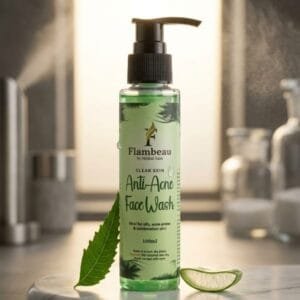
Third, cleanse your skin before bed: Always remove makeup and wash your face with a gentle cleanser. Using a product like the Anti Acne Facewash for Pimples & Oil Control – Deep Cleansing Formula can help remove excess oil and impurities that would otherwise end up on your pillowcase. This step reduces the bacterial load you’re introducing to the fabric.
Fourth, tie your hair up: If you have long hair, loosely braid it or put it in a high ponytail to reduce friction and tangling. This also prevents hair products from transferring to your face. If you have curly hair, consider using a pineapple or a silk hair scarf for extra protection.
Fifth, consider your sleep position: Sleeping on your back is the best position for both skin and hair, as it minimizes contact with the pillowcase. If you’re a side sleeper, try to switch to your back gradually; you can use a body pillow to help you stay in position. This reduces the pressure and friction on your face.
Sixth, keep your bedroom cool and humidified: A cool room helps reduce sweating, which decreases the moisture on your pillowcase. If the air is dry, using a humidifier can add moisture to the air, which helps your skin and hair stay hydrated, reducing frizz. In Pakistan, where temperatures can be extreme, this can make a big difference.
Finally, be consistent: These habits only work if you stick with them. Make it a routine—every night, cleanse your face, tie your hair, and sleep on a clean pillowcase. Over time, you’ll likely notice fewer breakouts and less frizz, and you’ll wake up feeling fresher.
Common Mistakes to Avoid with Pillowcase Care
Even with the best intentions, people often make mistakes that undermine their efforts. Mistake #1: Not washing your pillowcase often enough. Waiting two weeks or more allows oils and bacteria to build up significantly, increasing your risk of breakouts. Set a reminder on your phone if needed.
Mistake #2: Using harsh detergents or fabric softeners. These can leave residues that irritate your skin and weigh down your hair. Switch to a free-and-clear detergent, and skip the fabric softener entirely. If you miss the softness, add a quarter cup of baking soda to the wash cycle instead.
Mistake #3: Sleeping on the same side every night. This can cause uneven pressure and friction on one side of your face, leading to more breakouts and wrinkles on that side. Try to alternate sides or sleep on your back.
Mistake #4: Ignoring the pillow itself. Even with a clean pillowcase, old pillows can be a haven for dust mites and bacteria. If your pillow is over two years old, consider replacing it. You can also wash your pillows every three to six months.
Mistake #5: Using a blow dryer on your pillowcase. High heat can damage silk and satin, making them less smooth. Always air dry them, or use the lowest heat setting if you must use a dryer. Similarly, ironing silk is not recommended—if you need to remove wrinkles, use a steamer.
Mistake #6: Forgetting to wash new pillowcases before use. New fabrics often have chemicals from manufacturing. Wash them before putting them on your bed to remove any residues that could irritate your skin.
By avoiding these mistakes, you’ll get the most out of your pillowcase and see better results for your skin and hair. Remember, small changes can lead to big improvements over time.
Choosing the Right Pillowcase for Your Skin and Hair Type
Not all pillowcases work equally for everyone. Your skin type and hair type should guide your choice. For oily, acne-prone skin: Opt for a silk or satin pillowcase, as they are less absorbent and won’t wick away your skin’s natural moisture, which can actually help regulate oil production. Also, consider a pillowcase with a silver-infused fabric, which has natural antimicrobial properties.
For dry or sensitive skin: Silk is your best friend. It’s gentle, hypoallergenic, and helps retain moisture, preventing your skin from drying out overnight. Satin is also a good choice, but ensure it’s made from a breathable material to avoid overheating.
For combination skin: You might benefit from a bamboo or Tencel pillowcase, which balances moisture and breathability. These are less likely to cause irritation and can help keep your skin comfortable throughout the night.
For frizzy or curly hair: Silk or satin are essential. They reduce friction, preventing hair breakage and frizz. If you have very curly hair, a satin pillowcase can help maintain your curl definition overnight, so you wake up with less frizz and more defined curls.
For fine or straight hair: A satin pillowcase can also work well, but you might also benefit from a smooth cotton with a high thread count (over 400). This provides a balance of softness and breathability without being too slippery, which some people find uncomfortable.
If you’re on a budget, you don’t have to spend a fortune. Satin pillowcases are widely available in Pakistan at affordable prices. You can find them in local bazaars or online stores for as little as 500-1500 PKR. Silk is more expensive, ranging from 2000-5000 PKR, but it’s a worthwhile investment if you can afford it.
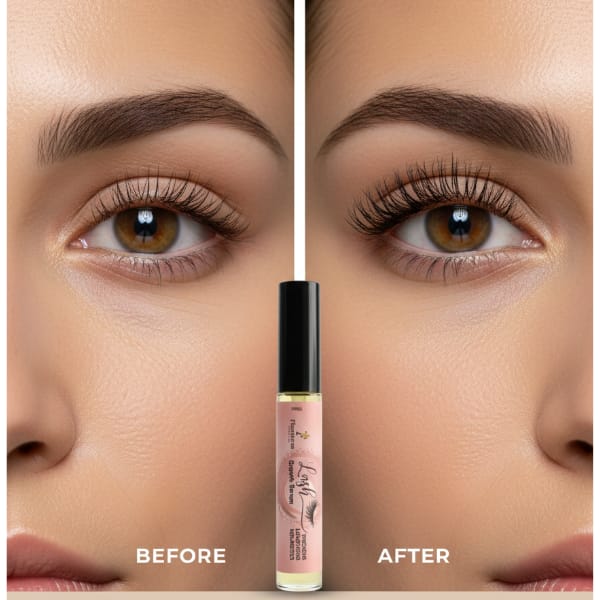
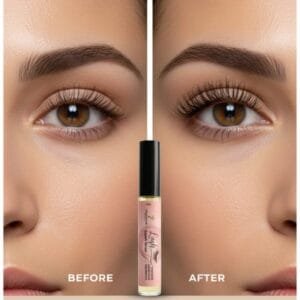
Remember, the best pillowcase is one that you’ll actually use and care for. So, choose one that feels comfortable and fits your needs. And don’t forget to pair it with a consistent skincare routine—like using a gentle cleanser and moisturizer. For extra care, you might also consider an Eyelashes Growth Serum – Longer, Healthier-Looking Lashes to enhance your lashes while you sleep, but that’s optional.
Budget-Friendly and Natural Alternatives
If you can’t afford a silk or satin pillowcase, there are still effective ways to protect your skin and hair. Use a clean cotton T-shirt over your pillow: This is a popular hack among the curly hair community. A soft, worn-in cotton T-shirt has a smoother surface than a typical pillowcase, reducing friction. Simply slip it over your pillow like a pillowcase, and change it every couple of nights.
Make your own satin pillowcase: If you’re handy with a sewing machine, you can sew a simple satin pillowcase from a yard of satin fabric. This can cost as little as 300-500 PKR for the fabric, making it a cost-effective DIY project. There are many tutorials online that can guide you.
Use a silk scarf or bonnet: For hair frizz, wrapping your hair in a silk scarf or wearing a satin bonnet can be just as effective as a silk pillowcase. This is especially useful if you travel or don’t want to replace your pillowcase. You can find these in local markets for around 200-500 PKR.
Wash your pillowcase with natural ingredients: Instead of commercial detergents, you can use a small amount of baking soda and white vinegar to wash your pillowcase. Add half a cup of baking soda to the wash cycle to help remove odors and brighten the fabric, and add half a cup of white vinegar during the rinse cycle as a natural fabric softener.
Elevate your pillow: If you tend to sleep on your side, you can reduce friction by using a body pillow to prop yourself up slightly so your face doesn’t press directly onto the pillowcase. This can be a budget-friendly way to minimize contact.
Finally, remember that consistency is more important than perfection. Even if you can only change your pillowcase every few days, it’s better than never. And always patch test any new fabric or product on a small area of skin to ensure it doesn’t cause irritation. By taking these steps, you can significantly improve your skin and hair health without breaking the bank.
For more tips on skin and hair care, check out our blog and explore our skin care range. You might also find useful advice in our related posts on keeping eyebrows neat and strengthening thinning hair.
Frequently Asked Questions
How often should I wash my pillowcase to prevent breakouts?
It's best to wash your pillowcase at least once a week, but if you have acne-prone or oily skin, consider washing it every 2-3 days. This removes oils and bacteria that can clog pores.
Does a silk pillowcase really help with hair frizz?
Yes, silk or satin pillowcases reduce friction against your hair, which helps prevent frizz and breakage. They also absorb less moisture, keeping your hair more hydrated.
Can I use a regular cotton pillowcase if I have sensitive skin?
Cotton can be abrasive and may irritate sensitive skin. Switching to a satin or silk pillowcase is gentler and less likely to cause irritation or breakouts.
What's the best way to wash a satin pillowcase?
Machine wash on a delicate cycle with cold water and a gentle detergent. Avoid fabric softeners and dryer sheets, and air dry to maintain the smoothness.
Written by Mishal Rehman, owner of Flambeauty — sharing practical, professional beauty and skincare guidance.
Updated: August 2026