Discover natural habits to strengthen thinning hair, from diet and scalp care to gentle styling. Learn what works for Pakistani hair and get practical tips.
To strengthen thinning hair naturally, focus on consistent habits that support scalp health and hair growth: eat a protein-rich diet with iron and vitamins, massage your scalp regularly to boost circulation, use gentle, sulfate-free hair care, avoid tight hairstyles and heat styling, and manage stress. These habits, combined with nourishing products like a natural hair oil, can improve hair thickness and reduce breakage over time.
Why Hair Thins and How Habits Help
Thinning hair can feel alarming, but understanding why it happens is the first step to addressing it. Hair thinning is often a gradual process influenced by genetics, hormonal changes, nutritional deficiencies, stress, and everyday styling habits. In Pakistan, hard water, high humidity, and the frequent use of heat styling or chemical treatments can also take a toll on hair health. While you can’t change your genes, you can absolutely influence how strong and resilient your hair is by adopting the right habits.
Habits directly affect the hair growth cycle. Each hair follicle goes through phases: growth, rest, and shedding. When you’re deficient in key nutrients or your scalp is unhealthy, more follicles may enter the resting phase, leading to noticeable thinning. On the flip side, a well-nourished scalp and body can extend the growth phase and produce thicker, stronger strands. The good news is that small, consistent changes—like improving your diet, adjusting your washing routine, and handling your hair gently—can make a significant difference over a few months.
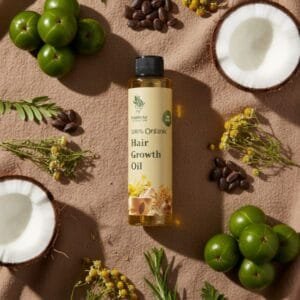
One of the most effective habits is scalp massage. Massaging your scalp for five minutes a day increases blood flow to the follicles, delivering oxygen and nutrients that support hair growth. You can do this with your fingertips or a soft brush, ideally before washing your hair. Combining massage with a nourishing oil can double the benefit because the oil moisturizes the scalp and the massage helps it penetrate. Many people in Pakistan have seen improvements by using a natural hair oil like the Hair Growth Oil – Strengthen & Nourish Hair Naturally from Flambeauty, which blends herbs and oils known to support hair health.
Another critical habit is gentle handling. Thinning hair is fragile, so aggressive brushing, tight ponytails, and harsh towel drying can cause breakage. Switch to a wide-tooth comb, use your fingers to detangle, and pat your hair dry with a soft cotton T-shirt instead of rubbing it. Also, avoid tight hairstyles like high buns or braids that pull on the roots, as this can lead to traction alopecia—a form of hair loss caused by constant tension. By being mindful of how you treat your hair, you allow it to retain its length and density.
Finally, remember that habits take time to show results. Hair grows about half an inch a month, so don’t expect overnight changes. Consistency is key: stick with your routine for at least three to four months before judging its effectiveness. If you’re also using a targeted product, give it at least eight weeks to see visible improvements. Patience and persistence are the real secrets to strengthening thinning hair naturally.
Essential Nutrients and Foods for Stronger Hair
Your hair is made of a protein called keratin, so it makes sense that a protein-deficient diet can lead to weaker strands. Include lean proteins like chicken, fish, eggs, and legumes in your meals. In Pakistan, daal, chana, and paneer are excellent and affordable sources. Aim for at least 50-60 grams of protein daily, depending on your weight, to support hair structure. If you’re vegetarian, combine lentils with whole grains to create complete proteins.
Iron is another vital nutrient for hair health. Iron deficiency is a common cause of hair thinning, especially in women with heavy periods. Pair iron-rich foods with vitamin C to enhance absorption. For example, eat spinach or kale with a squeeze of lemon, or have citrus fruits after a meal of red meat or beans. In Pakistan, palak, chana, and dates are great options. If you suspect a deficiency, get a blood test before taking supplements—too much iron can be harmful.
Omega-3 fatty acids reduce inflammation and keep your scalp hydrated, which can prevent dryness and flakiness that hinder hair growth. Add walnuts, flaxseeds, chia seeds, and fatty fish like salmon to your diet. For a local touch, use mustard oil or olive oil in your cooking—these are rich in healthy fats. You can also take a fish oil supplement, but always consult a doctor first.
Zinc and biotin are often touted for hair, but they work best when obtained from whole foods. Zinc supports tissue repair and oil production around the follicles. Oysters, pumpkin seeds, and chickpeas are excellent sources. Biotin, a B-vitamin, is found in eggs, almonds, and sweet potatoes. While biotin deficiency is rare, ensuring you get enough can support keratin production. However, be cautious: biotin supplements can interfere with lab tests, so mention them to your doctor.
Don’t forget vitamin D, which plays a role in the hair growth cycle. Low levels are linked to hair shedding, and many Pakistanis have insufficient vitamin D due to limited sun exposure or lifestyle. Spend 10-15 minutes in the sun daily (before 10 a.m. or after 4 p.m. to avoid harsh rays) and eat vitamin D-rich foods like eggs and mushrooms. If you’re deficient, your doctor might recommend a supplement.
Finally, stay hydrated. Water is essential for every cell in your body, including hair follicles. Drink at least 8 glasses of water a day to keep your scalp moisturized from within. Dehydration can make hair brittle and dull. In Pakistan’s hot climate, you might need more—listen to your body and increase intake during summer months.
Step-by-Step Routine to Nourish Your Scalp and Hair
Creating a simple, consistent routine is more effective than using many products sporadically. Start by choosing a gentle shampoo that is free of sulfates and parabens, as these can strip natural oils and irritate the scalp. Wash your hair 2-3 times a week to remove dirt and excess oil without over-drying. If you have an oily scalp, you might need to wash more often, but always follow with a light conditioner.
Before every wash, take 10-15 minutes to massage your scalp with a nourishing oil. Warm the oil slightly (not hot) and apply it to your scalp using your fingertips in circular motions. This stimulates blood flow and helps the oil absorb. Leave it on for at least 30 minutes, or overnight for deeper conditioning. Use a natural oil like the Hair Growth Oil from Flambeauty, which contains ingredients like amla, bhringraj, and coconut oil—known in Ayurveda for supporting hair health.
When washing, focus on the scalp, not the ends. Use your fingertips, not nails, to gently scrub. Rinse with lukewarm water—hot water can dry out your hair. After washing, apply conditioner only to the mid-lengths and ends, avoiding the roots to prevent greasiness. Leave it on for two minutes, then rinse thoroughly.
After washing, pat your hair dry with a soft towel—never rub. Rubbing causes friction and breaks fragile strands. If you use a blow dryer, keep it on a low heat setting and hold it at least six inches away. Better yet, let your hair air-dry whenever possible. Once dry, apply a few drops of hair oil or serum to the ends to seal in moisture and add shine.
Incorporate a weekly deep conditioning treatment or hair mask. You can make a simple DIY mask using yogurt, honey, and a banana—mix them into a paste and apply to damp hair, leaving on for 20 minutes. Or use a store-bought protein mask. Deep conditioning helps repair damage and strengthens the hair shaft, making it less prone to breakage.
Finally, protect your hair while sleeping. Use a silk or satin pillowcase, as cotton creates friction that can cause tangles and breakage. You can also loosely braid your hair or put it in a low bun to prevent it from rubbing against the pillow. These small changes add up to healthier, stronger hair over time.
Common Mistakes That Worsen Thinning Hair
Many people unknowingly make mistakes that exacerbate thinning hair. One of the biggest is over-washing or under-washing. Washing too often strips the scalp of natural oils, leading to dryness and irritation, while washing too rarely allows oil and product buildup to clog follicles. Find a balance—generally 2-3 times a week works for most, but adjust based on your scalp type.
Another common mistake is using harsh chemical treatments like relaxers, perms, or frequent coloring. These can damage the hair shaft and cause breakage, making thinning worse. If you must color your hair, choose ammonia-free dyes and space out treatments. Avoid tight hairstyles that pull on the roots, such as tight ponytails, buns, or cornrows. This constant tension can lead to hair loss around the hairline, a condition called traction alopecia, which is often reversible if caught early.
Heat styling tools are another culprit. Using curling irons, straighteners, or blow dryers on high heat can weaken the hair cuticle and lead to breakage. Always use a heat protectant spray before styling and keep the temperature as low as possible. Try to limit heat styling to special occasions and embrace air-drying or heatless styles like braids or buns.
Skipping the scalp care is a mistake many make. Your scalp is the foundation of healthy hair, so neglecting it is like ignoring the soil for a plant. Exfoliate your scalp once a week using a gentle scrub or a brush to remove dead skin cells and product buildup. This promotes a healthy environment for follicles to thrive.
Stress is a silent saboteur of hair health. Chronic stress can push hair follicles into the resting phase, leading to excessive shedding. Incorporate stress-reducing activities into your routine, such as yoga, meditation, or even a daily walk. In Pakistan, taking time for yourself can be hard, but it’s essential for your overall well-being and your hair.
Finally, don’t ignore the signs of underlying health issues. If your hair thinning is sudden, patchy, or accompanied by other symptoms like fatigue or weight changes, consult a dermatologist or a doctor. They can check for conditions like thyroid disorders, polycystic ovary syndrome (PCOS), or nutritional deficiencies that require medical treatment.
Choosing the Right Products and Ingredients for Your Hair Type
Selecting the right hair care products can be overwhelming, but understanding your hair type and ingredients helps. In Pakistan, many people have combination hair—oily scalp with dry ends—due to the humid climate. Look for lightweight, water-based products that won’t weigh hair down. For dry hair, opt for creams and oils that provide deep moisture.
When reading labels, avoid sulfates (like sodium lauryl sulfate) and parabens, which can be harsh and irritating. Choose products with natural, plant-based ingredients such as aloe vera, coconut oil, shea butter, and essential oils. These are less likely to cause buildup and are better for sensitive scalps.
For thinning hair specifically, look for ingredients that stimulate the scalp and support hair growth. Caffeine, rosemary oil, peppermint oil, and saw palmetto are known to promote circulation and may help reduce hair loss. The Hair Growth Oil from Flambeauty contains a blend of traditional herbs like amla, bhringraj, and neem, which are prized in Ayurvedic hair care for their nourishing and strengthening properties.
Always patch test any new product on a small area of skin before applying it to your scalp, especially if you have sensitive skin. This helps avoid allergic reactions or irritation. Apply a small amount behind your ear and wait 24 hours to see if there’s any redness or itching.
Consider your hair porosity—how well your hair absorbs and retains moisture. Low porosity hair has a tight cuticle that repels water, so it benefits from lightweight oils like jojoba or argan. High porosity hair absorbs quickly but loses moisture fast, so it needs heavier oils like castor or shea butter. Tailor your product choices to your porosity for the best results.
Finally, don’t forget to read reviews and seek recommendations from people with similar hair types. What works for one person may not work for another. Start with one product at a time to see how your hair responds, and give it at least a month before deciding if it’s effective. If you’re looking for more guidance, check out the Flambeauty blog for additional tips on hair and skin care.
Lifestyle Adjustments and Natural Remedies
Beyond diet and product use, your daily lifestyle choices play a huge role in hair strength. Regular exercise improves blood circulation, including to your scalp, which can promote hair growth. Aim for at least 30 minutes of moderate activity most days—whether it’s walking, jogging, or yoga. In Pakistan, early morning walks are a great way to beat the heat and get moving.
Sleep is another vital factor. During deep sleep, your body repairs tissues, including hair follicles. Get 7-9 hours of quality sleep each night to support hair regeneration. Try to maintain a consistent sleep schedule and create a relaxing bedtime routine, like reading or listening to calming music.
Stress management is crucial. High stress levels can trigger telogen effluvium, a condition where hair sheds excessively a few months after a stressful event. Practice mindfulness, deep breathing, or meditation for 10 minutes a day. In Pakistan, the fast-paced urban life can be stressful, but finding small moments of calm can make a big difference.
Natural remedies can complement your routine. For instance, rinsing your hair with green tea or rosemary water after washing can stimulate the scalp. Green tea contains antioxidants that may block DHT, a hormone linked to hair loss. Brew a cup of green tea, let it cool, and use it as a final rinse. Similarly, aloe vera gel applied to the scalp can soothe inflammation and condition the hair.
Another traditional remedy is using onion juice, which is rich in sulfur and may improve blood circulation. Blend an onion, squeeze out the juice, and apply it to your scalp for 15 minutes before washing. The smell is strong, but many people swear by its benefits. However, always patch test first to avoid irritation.
For a deeply nourishing treatment, consider a weekly hair mask using banana, yogurt, and honey. Mash a ripe banana, mix in two tablespoons of yogurt and one tablespoon of honey, and apply to damp hair for 20 minutes. This mask provides proteins, moisture, and shine. Rinse thoroughly with cool water to avoid sticky residue.
If you’re interested in integrating traditional Pakistani beauty practices, you might enjoy reading about Gram Flour (Besan) for Skin: Traditional Pakistani Beauty Secrets—though it’s for skin, the philosophy of using natural, local ingredients applies to hair as well. Also, explore our hair care collection for more options that suit your needs.
Remember, strengthening thinning hair is a journey that requires patience and consistency. By adopting these habits, you’re giving your hair the best chance to grow stronger and healthier. Always listen to your body, and don’t hesitate to consult a professional if you have concerns.
Frequently Asked Questions
How long does it take to see results from natural hair strengthening habits?
Hair grows about half an inch a month, so it typically takes 3-6 months of consistent habits to notice visible improvements in thickness and strength. Be patient and stick with your routine.
Can I reverse thinning hair naturally?
In many cases, natural habits can help reduce breakage and improve the appearance of thinning hair, especially if it's due to nutritional deficiencies, stress, or styling habits. However, genetic hair loss may require medical treatments, so consult a dermatologist for a proper diagnosis.
What are the best foods for hair strength?
Foods rich in protein, iron, omega-3s, zinc, and vitamins A, C, D, and E are excellent for hair. Include eggs, chicken, fish, lentils, spinach, nuts, seeds, and citrus fruits in your diet.
Is it safe to use hair oils daily?
Using a small amount of hair oil daily can be safe, but over-oiling can lead to buildup and clogged follicles. For scalp massage, 2-3 times a week is beneficial. Always wash out excess oil properly.
Written by Mishal Rehman, owner of Flambeauty — sharing practical, professional beauty and skincare guidance.
Updated: August 2026