Learn how to reduce forehead and chin oiliness with a tailored skincare routine, oil-controlling ingredients, and lifestyle tweaks. Discover what to avoid...
To reduce forehead and chin oiliness, focus on gentle cleansing, oil-balancing ingredients like niacinamide and salicylic acid, and a lightweight moisturizer. Avoid over-washing and harsh scrubs, which can trigger more oil. For persistent shine, use blotting papers or a clay mask weekly. Consistency is key—a balanced routine helps your skin regulate sebum naturally.
Understanding Why Your Forehead and Chin Get Oily
Your forehead and chin—often called the T-zone—are naturally oilier than the rest of your face. This is because these areas have a higher density of sebaceous glands, the tiny glands that produce sebum, an oily substance that keeps skin lubricated and protected. Sebum itself isn’t bad; it forms a barrier that locks in moisture and shields against irritants. However, when production goes into overdrive, you end up with that slick, shiny look a few hours after cleansing.
Hormones play a huge role here. Androgens, like testosterone, stimulate sebum production, and they are particularly active in the T-zone. That’s why many people notice increased oiliness during puberty, menstrual cycles, or times of stress when cortisol spikes. Genetics also matter—if your parents had oily skin, you’re more likely to have it too. But that doesn’t mean you’re stuck with it; you can manage it effectively with the right approach.
Climate and environment are another factor. In humid conditions, like the monsoon months in Pakistan, your skin produces more oil to keep itself from losing moisture to the air. Conversely, in dry climates, your skin might overcompensate and produce extra sebum to make up for lack of moisture. This is why your skin might feel oilier in summer and still be oily in winter, especially in centrally heated rooms.
Your skincare habits can also inadvertently worsen oiliness. Over-cleansing, using harsh soaps, or skipping moisturizer can strip your skin’s natural oils, causing it to panic and produce even more. This is a common mistake—people with oily skin often think they don’t need a moisturizer, but dehydration actually triggers more oil. Similarly, using heavy creams that clog pores can lead to a buildup of oil and dead skin cells, which makes the skin look greasy and can cause breakouts.
Understanding these underlying causes helps you see that oiliness isn’t just about washing your face more often. It’s about balancing your skin’s moisture levels, regulating sebum production, and managing the factors you can control—like your routine and lifestyle. By addressing both the internal and external triggers, you can significantly reduce forehead and chin oiliness without resorting to harsh, drying products.
Building a Targeted Skincare Routine for Oily Forehead and Chin
The foundation of reducing oiliness is a consistent routine that cleanses, treats, and moisturizes without stripping your skin. Start with a gentle cleanser that removes excess oil and dirt but doesn’t leave your skin feeling tight or squeaky. Look for cleansers with salicylic acid, which penetrates pores to dissolve oil and prevent clogs, or niacinamide, which helps regulate oil production. A product like Whitening Face Wash – Brightening & Deep Cleansing is a good option because it cleanses deeply while being gentle enough for daily use—its brightening properties also help with any post-breakout marks.

After cleansing, apply a lightweight, oil-free moisturizer. Many people skip this step, thinking it will make their skin oilier, but the opposite is true. When your skin is dehydrated, it produces more oil to compensate. A gel-based or water-based moisturizer with hyaluronic acid or glycerin hydrates without clogging pores. Use a pea-sized amount and press it into your skin, especially on the forehead and chin, to lock in moisture.
Incorporate a targeted treatment for oil control. A serum with niacinamide (2-5% concentration) is excellent because it reduces sebum production, minimizes the appearance of pores, and soothes inflammation—all in one. Apply it after cleansing and before moisturizing, focusing on the T-zone. Another powerful ingredient is salicylic acid, which can be used as a leave-on treatment or in a toner. It exfoliates inside the pores, clearing out the oil and dead skin that cause shine and breakouts.
Don’t forget sun protection. Sun exposure can damage the skin barrier, leading to increased oiliness and premature aging. Choose a lightweight, non-comedogenic sunscreen with at least SPF 30. Gel-based sunscreens are great for oily skin because they absorb quickly and don’t leave a greasy residue. Apply it every morning as the last step of your routine, even on cloudy days.
Once or twice a week, use a clay mask to absorb excess oil and draw out impurities. Kaolin or bentonite clay masks are particularly effective on the T-zone. Apply a thin layer, leave it on for 10-15 minutes, and rinse with lukewarm water. This helps prevent the buildup of oil and keeps your pores clear. Overusing clay masks can dry out your skin, so stick to 1-2 times a week max.
Finally, always patch test new products and introduce them gradually. This is crucial, especially if you have sensitive skin. Apply a small amount behind your ear or on your jawline for 24 hours to check for any adverse reaction. If you break out or feel irritation, stop using it. Remember, a balanced routine is better than a harsh one—your skin will regulate itself over time.
Key Ingredients That Combat Oiliness and How to Use Them
When choosing products for oily forehead and chin, look for ingredients that are proven to control sebum and keep pores clear. Salicylic acid is a beta-hydroxy acid (BHA) that is oil-soluble, meaning it can penetrate the lipid layer of your skin and work inside the pore. It dissolves the sebum and dead skin cells that clog pores, which not only reduces shine but also prevents blackheads and whiteheads. Use a 2% salicylic acid cleanser or leave-on treatment up to twice a day, but start with once daily to see how your skin reacts.
Niacinamide (vitamin B3) is a superstar for oily skin. It helps reduce sebum production, improves skin texture, and strengthens the skin barrier. Studies show that 2% niacinamide can significantly lower sebum levels after a few weeks of consistent use. It also has anti-inflammatory properties, making it ideal if you have redness or acne. Look for a serum with 2-5% niacinamide; higher concentrations may cause irritation in some people.
Hyaluronic acid is a humectant that draws water into the skin, providing hydration without adding oil. It’s perfect for oily skin because it plumps and moisturizes without clogging pores. Use a hyaluronic acid serum on damp skin after cleansing to lock in moisture. This helps your skin feel balanced and less likely to overproduce oil.
Zinc is another mineral that helps control oil and has antibacterial properties. It’s often found in sunscreens and moisturizers. Zinc oxide in sunscreen provides broad-spectrum protection and has a matte finish, which is great for oily skin. In skincare, zinc PCA is a form that can be found in serums or toners to reduce sebum.
Alpha-hydroxy acids (AHAs) like glycolic acid and lactic acid are water-soluble and exfoliate the skin’s surface. They help remove dead skin cells that can mix with oil and clog pores. While AHAs don’t directly reduce oil, they keep your skin smooth and prevent the rough texture that often accompanies oily skin. Use an AHA toner or treatment 2-3 times a week, and avoid combining it with strong BHA on the same day to prevent irritation.
When using these ingredients, start slowly. Introduce one at a time to avoid overwhelming your skin. For example, begin with a salicylic acid cleanser and a niacinamide serum. After a week, if your skin is comfortable, add a hyaluronic acid moisturizer. Always use sunscreen during the day, as these acids can increase sun sensitivity. And remember, more is not better—overusing acid exfoliants can damage your skin barrier and lead to more oil production.
Daily Habits to Minimize Forehead and Chin Oiliness
Your daily habits play a significant role in managing oiliness. Start with how you wash your face. Wash your face twice a day—morning and night—with lukewarm water. Hot water strips your skin of natural oils, and cold water doesn’t clean as effectively. Use your fingertips to gently massage the cleanser in circular motions for about 30 seconds, then rinse thoroughly. Avoid scrubbing with washcloths or loofahs, as that physical friction can irritate your skin and stimulate more oil.
After washing, gently pat your skin dry with a clean towel. Rubbing can cause micro-tears and inflammation. Apply your skincare products while your skin is still slightly damp to help them absorb better. When applying moisturizer, use a light touch and avoid tugging at your skin. This prevents stretching and reduces the likelihood of irritating sebaceous glands.
Throughout the day, resist the urge to touch your face. Your hands carry dirt, bacteria, and oil from your hair and the environment. Touching your forehead or chin transfers these impurities and can clog pores, making oiliness worse. If you need to blot excess oil, use blotting papers or a clean, absorbent tissue. Gently press, don’t rub, to soak up the oil without disrupting your makeup or skincare.
Your diet and hydration also impact oil production. Drinking plenty of water keeps your skin hydrated from within, which can help regulate sebum. Some studies suggest that high-glycemic foods like white bread and sugary snacks can spike insulin and increase oil production. While the evidence is not conclusive, many people find that reducing sugar and dairy helps their skin look less oily. Try incorporating more fruits, vegetables, and whole grains into your diet.
Stress management is another crucial habit. When you’re stressed, your body releases cortisol, which can stimulate sebum production. Finding ways to relax—like deep breathing, walking, or listening to music—can help keep your oil levels in check. Also, ensure you get enough sleep; poor sleep can disrupt hormone balance and lead to oilier skin.
Finally, clean your phone screen, pillowcase, and hair regularly. Your phone screen harbors bacteria and oil that transfers to your cheek and jawline, but it can also affect your forehead if you hold it there. Change your pillowcase every 2-3 days to prevent oil and bacteria buildup. If you have bangs, they can deposit hair oil onto your forehead; consider tying them back or using a dry shampoo to keep them fresh.
Common Mistakes That Worsen Oiliness and What to Do Instead
One of the biggest mistakes people make is over-washing their face. Washing more than twice a day, or using very hot water, strips the skin of its natural oils, which triggers a rebound effect—your skin produces even more oil to compensate. Instead, stick to a gentle cleanser twice a day and splash your face with cool water in the afternoon if you feel oily, but don’t re-cleanse.
Another mistake is skipping moisturizer. As I mentioned earlier, oily skin still needs hydration. Without it, your skin becomes dehydrated, and your sebaceous glands go into overdrive. Choose a lightweight, oil-free moisturizer and use it every day. If you’re prone to breakouts, look for products labeled “non-comedogenic” to ensure they won’t clog pores.
Using harsh, alcohol-based toners or astringents is also counterproductive. Alcohol can instantly dry out your skin, but it also disrupts the skin barrier and triggers more oil. Avoid products with high concentrations of denatured alcohol, SD alcohol, or isopropyl alcohol. Instead, use a gentle toner with ingredients like witch hazel, which has astringent properties but is less drying, or simply skip toner if your cleanser is effective.
Picking or squeezing your skin, especially on the chin where breakouts are common, is a huge no-no. This can cause inflammation, spread bacteria, and lead to scarring. It also damages the skin barrier, which can increase oil production. If you have a pimple, apply a spot treatment with salicylic acid or benzoyl peroxide and let it heal naturally.
Using too many active ingredients at once is another common pitfall. Layering multiple acids, retinoids, and vitamin C on your skin can overwhelm it, causing redness, peeling, and more oil. Stick to a simple routine: cleanser, moisturizer, sunscreen, and one or two actives. For example, you might use a salicylic acid cleanser in the morning and a niacinamide serum at night.
Finally, neglecting to protect your skin from the sun can exacerbate oiliness. Sun damage weakens the skin barrier, leading to dehydration and increased oil production. Always apply a broad-spectrum sunscreen with at least SPF 30 every morning, even in winter or on cloudy days. Look for oil-free, matte-finish sunscreens to avoid adding extra shine.
Choosing the Right Products for Your Skin Type
Not all oily skin is the same. Some people have oily skin only in the T-zone, while others have oily skin all over. Some have sensitive skin that reacts easily, while others have acne-prone skin. When choosing products, consider your specific skin type and concerns.
For combination skin (oily forehead and chin, but normal or dry cheeks): Use a gentle cleanser that works for the whole face, but focus your oil-controlling treatments on the T-zone. A niacinamide serum applied only to the forehead and chin can help balance oil without drying out your cheeks. You might also use a clay mask only on the T-zone once a week.
For sensitive oily skin: Choose fragrance-free, hypoallergenic products. Avoid strong acids like high concentrations of glycolic acid; instead, opt for gentle exfoliants like lactic acid or use a salicylic acid cleanser only a few times a week. Niacinamide is usually well-tolerated, but start with a lower concentration (2%) to test your tolerance. Always patch test new products, and if you experience redness or stinging, discontinue use.
For acne-prone oily skin: Look for products with salicylic acid, benzoyl peroxide, or azelaic acid to target breakouts. A salicylic acid cleanser can be used daily, but if you’re also using a leave-on treatment, adjust frequency to avoid irritation. Avoid heavy creams and opt for gel-based moisturizers. Ingredients like tea tree oil can also help, but they can be drying in high concentrations.
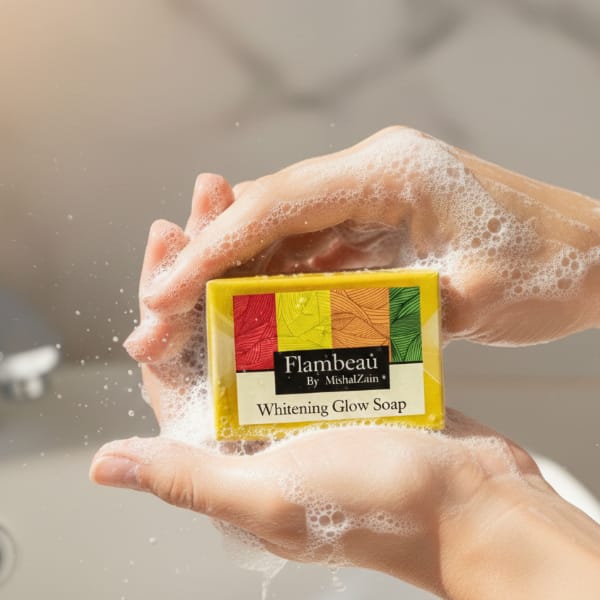
For oily skin with hyperpigmentation: If you have dark spots from previous breakouts, incorporate a brightening ingredient like vitamin C or niacinamide. Vitamin C also helps protect against environmental damage. A product like Whitening Glow Soap might be beneficial if you’re looking for a gentle cleanser that helps brighten the skin and even out tone—just be sure to follow up with a moisturizer and sunscreen.
When reading product labels, look for terms like “oil-free,” “non-comedogenic,” and “water-based.” Avoid products with heavy oils like coconut oil, mineral oil, or lanolin, which can clog pores. Also, be wary of thick creams or butters that sit heavy on the skin. If you’re unsure, check the ingredients list for comedogenic ratings—ingredients rated 4 or 5 are more likely to clog pores.
If you’re on a budget, you can still find effective products. Many drugstore brands offer oil-control cleansers and moisturizers at reasonable prices. The key is to prioritize ingredients over fancy packaging. For more tips on selecting a face wash that won’t clog pores, check out our guide on choosing a non-clogging face wash.
Remember, consistency is more important than the number of products. A simple, well-chosen routine done twice a day will yield better results than a complicated 10-step routine that you can’t stick to. And always give your skin time to adjust—it takes about 4-6 weeks to see noticeable changes in oil production.
Lifestyle Adjustments for Long-Term Oil Control
Beyond your skincare routine, certain lifestyle changes can help you manage forehead and chin oiliness over the long term. Your diet, stress levels, and sleep patterns all influence your hormones and, consequently, your sebum production.
Consider your diet. While research on diet and oily skin is still evolving, some studies suggest that high-glycemic foods—like white bread, sugary snacks, and processed foods—can cause insulin spikes that lead to increased oil production. Dairy products, especially skim milk, have also been linked to acne in some people. You don’t have to eliminate these foods entirely, but try reducing your intake and see if your skin improves. Incorporate more omega-3 fatty acids (found in fish, walnuts, and flaxseeds) and antioxidants (from colorful fruits and vegetables) to support skin health.
Stress management is crucial because stress triggers cortisol, which can stimulate oil glands. Even a few minutes of deep breathing or meditation each day can help lower stress levels. Exercise also helps, as it reduces stress and improves circulation, giving your skin a healthy glow. Just be sure to cleanse your face after sweating to prevent clogged pores.
Sleep is your skin’s repair time. During deep sleep, your body produces growth hormones that repair skin cells and balance hormones. Lack of sleep can disrupt this process, leading to increased oiliness and breakouts. Aim for 7-9 hours of quality sleep per night. If you struggle with sleep, establish a relaxing bedtime routine and avoid screens an hour before bed.
Another often-overlooked factor is the products you use on your hair. Hair styling products like gels, pomades, and oils can migrate to your forehead and chin, clogging pores and making the area oilier. If you have bangs, they can rub against your forehead and deposit oil. Try to keep your hair off your face, especially when sleeping, and wash your hair regularly if it’s oily.
Finally, be patient and kind to your skin. It’s easy to get frustrated with oiliness, but harsh treatments will only make it worse. Celebrate small victories, like going a few hours longer without shine, and remember that your skin’s oiliness is partially genetic. With a consistent, gentle routine and healthy habits, you can significantly reduce excess oil and feel more comfortable in your skin.
For more skincare tips and product recommendations, visit our blog or explore our skin care collection. And if you’re concerned about clogged pores, our guide on choosing a face wash is a great resource.
Frequently Asked Questions
Can I use a face oil if I have oily forehead and chin?
Yes, but choose non-comedogenic oils like jojoba or squalane, which mimic your skin's natural sebum and can help balance oil production. Apply a few drops lightly, focusing on dry areas, and avoid heavy oils like coconut oil.
How often should I use a clay mask for oily skin?
Once or twice a week is ideal. Overusing clay masks can strip your skin's natural moisture, leading to rebound oiliness. Use a thin layer and rinse before it fully dries to avoid over-drying.
Will using a moisturizer make my forehead and chin oilier?
No, as long as you choose a lightweight, oil-free moisturizer. Skipping moisturizer can dehydrate your skin, causing it to produce more oil. Look for gel-based formulas with hyaluronic acid.
Does diet affect forehead and chin oiliness?
Yes, high-glycemic foods and dairy may trigger oil production in some people. Reducing sugar and refined carbs while eating more vegetables and omega-3s may help improve oiliness over time.
Written by Mishal Rehman, owner of Flambeauty — sharing practical, professional beauty and skincare guidance.
Updated: August 2026