Discover how rosehip oil helps fade scars and dark spots with this detailed guide. Learn the science, best practices, and tips for Pakistani skin and climate.
Rosehip oil is a natural skincare powerhouse that helps fade scars and dark spots by promoting skin regeneration, improving elasticity, and reducing hyperpigmentation, thanks to its rich content of essential fatty acids, vitamin A (retinol-like compounds), and vitamin C. With consistent use, it can visibly soften the appearance of acne scars, sun spots, and post-inflammatory hyperpigmentation, leaving skin looking more even-toned and radiant.
Why Rosehip Oil Works for Scars and Dark Spots
Rosehip oil is extracted from the seeds of wild rose bushes, and it’s packed with skin-loving nutrients that directly target the look of scars and dark spots. The key players are linoleic acid (an omega-6 fatty acid) and alpha-linolenic acid (an omega-3 fatty acid), which help strengthen the skin’s barrier and support healthy cell turnover. When your skin’s barrier is compromised, it can look dull and uneven; these fatty acids help restore a smooth, soft texture that reflects light better, making spots less noticeable.
Another superstar is the natural form of trans-retinoic acid found in rosehip oil. Unlike synthetic retinoids, this gentle derivative encourages skin cell renewal without the harsh irritation that often comes with stronger products. As old, pigmented cells are replaced by fresh ones, dark spots begin to lighten over time. It’s not an overnight fix, but rather a steady, gradual process that yields healthier-looking skin.
The oil also contains vitamin C, a well-known brightening agent that helps inhibit excess melanin production. When you combine vitamin C with the fatty acids, you get a synergistic effect: the oil not only works on existing spots but also helps prevent new ones from forming. This is particularly helpful for those dealing with post-acne marks, which are a common concern in Pakistan’s humid climate where breakouts can leave lingering reminders.
Furthermore, rosehip oil is rich in antioxidants like tocopherols (vitamin E) and phenolic compounds, which neutralize free radicals. Free radicals—from sun exposure, pollution, or stress—can trigger melanin overproduction and worsen the look of dark spots. By keeping oxidative stress in check, rosehip oil supports your skin’s natural repair mechanisms, making it an excellent addition to any scar-fading routine.
Finally, the oil’s ability to improve skin elasticity and hydration means that scars and spots don’t just fade in color; the surrounding skin looks plumper and more supple. This is crucial for depressed acne scars, where a smoother surface can make the contrast between scarred and normal skin less obvious. With consistent application, you’re giving your skin the building blocks it needs to look its best.
How to Use Rosehip Oil for Best Results
To get the most out of rosehip oil, you need to use it correctly. First, always patch test a small amount on your inner arm or behind your ear, and wait 24 hours to ensure no adverse reaction. This is especially important if you have sensitive or reactive skin, which is common. Once you’ve confirmed it’s safe, incorporate it into your evening routine, as the oil is best absorbed overnight when your skin’s repair processes are most active.
Start by cleansing your face thoroughly to remove dirt, makeup, and excess oil. Pat your skin dry—it doesn’t need to be bone-dry, but damp skin can help the oil spread more evenly. Take 2-3 drops of rosehip oil onto your fingertips, and gently press it into your skin, using upward, circular motions. Focus on areas with scars or dark spots, but don’t neglect the rest of your face for overall benefit. Allow a few minutes for the oil to absorb before applying a moisturizer if needed.
For best results, use rosehip oil daily for at least 8-12 weeks, as skin turnover typically takes about a month, and visible fading usually requires consistent use over several cycles. Be patient and maintain a regular routine—skipping days can slow down your progress. If you have oily or acne-prone skin, you might worry about breakouts, but rosehip oil is non-comedogenic, meaning it’s unlikely to clog pores when used sparingly.
In the morning, you can also use a few drops before sunscreen, but if you’re concerned about a shiny finish, limit it to nighttime and use a lighter moisturizer. Remember, rosehip oil is an addition to your routine, not a replacement for sunscreen. Sun exposure is a major cause of dark spots, and using rosehip oil without SPF can actually worsen hyperpigmentation because it makes your skin more sensitive to UV damage.
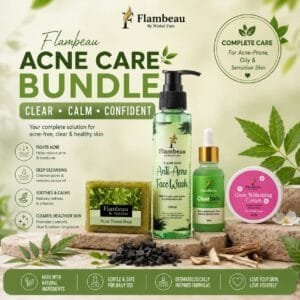
If you’re looking for a ready-made solution, consider the Acne Care Bundle – All in One from Flambeauty, which includes carefully selected products to support acne-prone skin. While it doesn’t contain rosehip oil, it pairs well with a rosehip oil treatment to target both active breakouts and the scars they leave behind. Always check ingredient lists to ensure compatibility with your skin.
Common Mistakes to Avoid When Using Rosehip Oil
One of the biggest mistakes people make is using too much oil. A few drops are enough; slathering on excess won’t speed up results and can leave your skin feeling greasy or even cause irritation. Overuse can also lead to a compromised barrier, which paradoxically makes spots look worse. Stick to the recommended amount, and let your skin tell you how much it needs—if it feels dry, you can add an extra drop; if it feels heavy, reduce it.
Another error is expecting instant results. Rosehip oil is not a magic eraser; it works gradually. Many people give up after a week or two when they don’t see dramatic changes, but true improvement takes consistent use over months. The skin’s natural renewal process is slow, and you’re essentially supporting that process, not overriding it. Set realistic expectations and celebrate small wins, like a softer texture or a slight lightening of the darkest spots.
Neglecting sunscreen is perhaps the most counterproductive mistake. Rosehip oil contains vitamin A derivatives that can increase photosensitivity, so if you use it without SPF, you’re exposing your skin to more UV damage, which can darken spots and undo your progress. Always apply a broad-spectrum sunscreen with at least SPF 30 every morning, even on cloudy days or when indoors near windows. In Pakistan, where sunlight is intense, this step is non-negotiable.
Choosing the wrong product can also derail your efforts. Not all rosehip oils are created equal; some are heavily processed or diluted with cheaper oils, reducing their efficacy. Look for cold-pressed, unrefined rosehip oil that is pure and free from additives. Check the label for the Latin name Rosa canina or Rosa rubiginosa, and ensure it’s in a dark glass bottle to protect it from light degradation. High-quality oils may cost more, but they deliver better results.
Finally, don’t combine rosehip oil with other strong active ingredients like retinol or high-strength acids without professional guidance. Doing so can over-exfoliate your skin, leading to redness and irritation that might worsen the appearance of scars. If you’re already using actives, consider alternating them—use rosehip oil on some nights and your other treatment on others—until you know how your skin reacts.
Rosehip Oil for Different Skin Types
Rosehip oil is versatile, but how you use it might vary depending on your skin type. For dry skin, rosehip oil is a dream come true. It provides deep hydration and helps lock in moisture, making your skin look plumper and more radiant. You can use it morning and night, and even mix a drop with your moisturizer for an extra boost of nourishment.
If you have oily or acne-prone skin, you might be hesitant to apply any oil, but rosehip oil is lightweight and non-comedogenic. It can actually help balance oil production because when your skin is stripped of natural oils, it overproduces sebum. By providing essential fatty acids, rosehip oil tells your skin it’s nourished, which can reduce excess oil over time. Start with a small amount at night only, and avoid applying it to very active breakouts if you’re concerned.
For combination skin, focus on the drier areas of your face, such as your cheeks, while using a lighter touch on the T-zone. You can apply rosehip oil only to the areas that need it, like your cheeks or the spots around your mouth where scars are more prominent. This targeted approach allows you to reap the benefits without overwhelming your oilier areas.
Sensitive skin requires extra care because rosehip oil contains natural retinol-like compounds that could cause irritation in some individuals. Always patch test first, and start by using it every other night, gradually increasing frequency as your skin builds tolerance. If you experience redness or stinging, discontinue use and consult a dermatologist. In Pakistan, where environmental stressors like pollution can sensitize the skin, this cautious approach is especially wise.
Finally, for mature skin that’s dealing with age spots and fine lines, rosehip oil is a wonderful ally. Its antioxidant properties help combat the signs of aging, while its fatty acids support collagen production, improving skin firmness. Use it consistently as part of your night routine, and you’ll likely notice a more youthful-looking complexion over time.
What to Look for When Choosing a Rosehip Oil
When shopping for rosehip oil, quality matters a lot. First and foremost, look for 100% pure, cold-pressed rosehip oil. Cold-pressing ensures that the delicate fatty acids and vitamins are preserved, as heat can destroy them. Avoid products that contain fragrances, synthetic additives, or mineral oils, as these can clog pores and reduce the oil’s effectiveness.
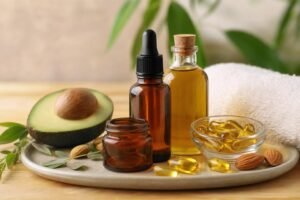
Check the color and smell. High-quality rosehip oil is typically a deep amber or orange color and has a slightly earthy, nutty aroma. If it’s clear or has a chemical smell, it’s likely been refined or diluted. The oil should come in a dark amber or cobalt blue glass bottle to protect it from light, which can oxidize and spoil the oil. Also, check the expiration date—rosehip oil has a shorter shelf life than many other oils, usually around 6-12 months after opening.
Consider the brand’s reputation and customer reviews. For Pakistani consumers, it’s important to choose a brand that understands local skin concerns and climate. Flambeauty offers a range of oils and serums that are formulated with skin-loving ingredients, making it easier to find a product that suits your needs. While they may not have a pure rosehip oil, their serums often blend beneficial oils, which can be a good alternative if you’re looking for a multi-tasking product.
Price is also a factor, but don’t be swayed by super cheap options, as they are likely low-quality or adulterated. On the other hand, exorbitant prices don’t always guarantee efficacy. Look for a mid-range product that fits your budget and has positive reviews. In Pakistan, you can find pure rosehip oil at local pharmacies or online stores, but always verify authenticity before purchasing.
Finally, consider your skin’s needs. If you have very sensitive skin, look for a product that specifies it’s gentle enough for daily use. If you’re dealing mainly with acne scars, you might prefer an oil that also contains other soothing ingredients. The Flambeauty blog offers insights into choosing the right oils and building an effective skincare routine, so you can make an informed decision.
Adapting Rosehip Oil Use to a Budget
Rosehip oil can be an investment, but there are ways to make it work for your budget without compromising on quality. Pure rosehip oil is generally more expensive than other carrier oils, but a little goes a long way—a 30ml bottle can last 2-3 months if used daily. Look for sales or discounts from reputable brands, or consider buying in bulk if you have a trusted source, but be mindful of its shelf life.
If pure rosehip oil is outside your budget, look for blends that list rosehip oil as a key ingredient but mix it with more affordable oils like jojoba or sweet almond. These blends still offer benefits but at a lower price point. However, check the concentration to ensure you’re getting enough rosehip oil to see results. Another cost-effective option is to use rosehip oil only on the areas with scars or spots, rather than your whole face, which can extend the life of your bottle.
You can also incorporate rosehip oil into your existing moisturizer or serum to reduce the number of products you need to buy. For example, mix a drop or two with your daily moisturizer and apply it as usual. This not only saves money but also simplifies your routine. The 10-minute beauty routine from Flambeauty shows how you can streamline your skincare without sacrificing effectiveness.
In Pakistan, rosehip oil prices can range from around PKR 1,500 to PKR 5,000 for a 30ml bottle, depending on the brand and quality. It’s worth investing in a good quality oil, as cheaper versions may be diluted and less effective, ultimately costing you more in the long run if you need to repurchase or treat skin issues caused by bad products. Remember that your skin’s health is an investment, and using a pure product can save you from future dermatologist bills.
If you’re just starting, you might want to try a small bottle to see how your skin reacts before committing to a larger size. Many brands offer 10ml or 15ml bottles at a lower cost, which is perfect for testing. Once you find a product that works, you can purchase a larger size with confidence.
Rosehip Oil vs. Other Scar-Fading Ingredients
Rosehip oil is often compared to other popular ingredients like vitamin C serums, niacinamide, and even prescription retinoids. While each has its merits, rosehip oil offers a unique combination of properties that make it a gentle yet effective option. Vitamin C is excellent for brightening, but it can be unstable and irritating at high concentrations. Rosehip oil contains natural vitamin C, but in a form that’s less likely to cause irritation, making it suitable for sensitive skin.
Niacinamide is another powerhouse for fading dark spots and improving skin texture. It works by blocking melanin transfer, which reduces the appearance of hyperpigmentation. However, niacinamide doesn’t provide the same level of hydration and fatty acid nourishment that rosehip oil does. For those with dry or aging skin, rosehip oil has the edge because it addresses multiple concerns at once—hydration, elasticity, and spot reduction.
Prescription retinoids like tretinoin are highly effective for scars and dark spots, but they come with significant side effects like dryness, peeling, and increased sun sensitivity. Rosehip oil contains a natural, milder form of retinoic acid, making it a gentler alternative that can be used daily without those harsh effects. It’s not as potent as prescription retinoids, but it’s a great option for those who can’t tolerate strong actives or prefer a natural approach.
There’s also the question of whether rosehip oil can help with all types of scars. For atrophic (depressed) acne scars, no topical oil can physically fill them in, but rosehip oil can improve the overall texture and elasticity of the skin, making them look less pronounced. For hypertrophic (raised) scars, rosehip oil might help soften and flatten them over time, though results vary. It’s most effective for pigmented scars and dark spots, which are the primary focus of this article.
Ultimately, the best approach is often a combination. You might use a vitamin C serum in the morning and rosehip oil at night, or alternate rosehip oil with a niacinamide serum on different days. This multi-pronged strategy can yield better results than relying on one ingredient alone. Always introduce new products gradually and monitor your skin’s response.
Final Thoughts on Rosehip Oil for Scars and Dark Spots
Rosehip oil is a time-tested natural remedy that truly delivers for fading scars and dark spots when used correctly. Its unique blend of essential fatty acids, vitamins, and antioxidants supports the skin’s natural repair processes, leading to a smoother, more even-toned complexion. Whether you’re dealing with post-acne marks, sun spots, or melasma, incorporating rosehip oil into your routine can make a visible difference over time.
Remember, consistency is key. Use it daily, protect your skin with sunscreen, and be patient. Skincare is a journey, not a race. If you’re in Pakistan, where the climate can be harsh on skin, rosehip oil can be a soothing addition to your regimen. And if you’re looking for a complete routine that addresses acne and its aftermath, check out the Acne Care Bundle which pairs well with rosehip oil.
For more skincare tips and product recommendations, explore the Flambeauty blog, where you’ll find articles on everything from building a routine to dealing with specific skin concerns. You might also enjoy reading about how other natural ingredients like ginger extract for hair health—though it’s for hair, it shows the brand’s commitment to natural solutions.
In closing, if you’re ready to tackle those stubborn spots, give rosehip oil a chance. With a little knowledge and a lot of patience, you can achieve the clear, glowing skin you deserve.

Frequently Asked Questions
How long does rosehip oil take to fade dark spots?
Rosehip oil typically takes 8-12 weeks of consistent daily use to show visible improvement in dark spots and scars. Skin cell turnover takes about a month, so you'll need multiple cycles to see significant fading.
Can I use rosehip oil on acne-prone skin?
Yes, rosehip oil is non-comedogenic and can help balance oily skin by providing essential fatty acids. It's gentle enough for daily use, but start with a small amount at night and monitor your skin's response.
Should I use rosehip oil in the morning or at night?
Nighttime is ideal because the oil absorbs well during sleep and its vitamin A content can increase sun sensitivity. If you use it in the morning, always follow with sunscreen.
Can rosehip oil be mixed with moisturizer?
Absolutely. You can mix 1-2 drops of rosehip oil with your moisturizer to simplify your routine and enhance hydration. This is especially helpful for dry skin.
Written by Mishal Rehman, owner of Flambeauty — sharing practical, professional beauty and skincare guidance.
Updated: September 2026