Discover the best night serums to repair skin overnight. Learn key ingredients, routines, and tips for dry, oily, and sensitive skin—plus common mistakes to...
The best night serum for repairing skin while you sleep is one that combines barrier-supporting ingredients like ceramides, niacinamide, and peptides with gentle humectants such as hyaluronic acid. Applied to clean skin before moisturizer, it works in sync with your skin’s natural overnight repair cycle to strengthen the moisture barrier, calm irritation, and improve visible texture. Look for fragrance-free, non-comedogenic formulas, and always patch test first.
What Your Skin Actually Needs Overnight
While you sleep, your skin shifts into a repair-focused mode. Blood flow increases, cell turnover accelerates, and your moisture barrier works to replenish lipids lost during the day. However, this natural process can be hindered by environmental stressors, harsh cleansers, and lack of hydration. A night serum is designed to deliver concentrated active ingredients that support these overnight functions, helping your skin look calmer and more rested by morning.
The most effective night serums target three core needs: barrier repair, hydration, and visible skin renewal. Barrier repair involves ingredients like ceramides, cholesterol, and fatty acids, which are the building blocks of healthy skin. When the barrier is compromised—due to over-exfoliating, sun exposure, or pollution—your skin loses moisture and becomes more sensitive. A serum with these lipids helps patch the gaps, reducing water loss and protecting against irritation.
Hydration is equally important. Overnight, your skin loses more water through what dermatologists call transepidermal water loss (TEWL). Humectants like hyaluronic acid and glycerin draw moisture into the upper layers of the skin, while occlusives (often found in the moisturizer you apply afterward) lock it in. A serum that combines humectants with barrier lipids ensures that your skin stays plump and hydrated throughout the night.
Finally, visible renewal is about encouraging your skin to shed dull surface cells and produce fresh ones. Ingredients like niacinamide (vitamin B3) gently support this process, improving the look of uneven tone and texture over time. Peptides and bakuchiol are also popular for their smoothing and firming benefits, though they work more gradually. The goal is not to accelerate exfoliation aggressively, but to give your skin the tools it needs to renew itself naturally.
It’s worth noting that your skin’s needs change with the seasons and your age. In Pakistan’s hot, humid summers, you might prefer a lightweight, gel-based serum that hydrates without feeling heavy. In winter or in air-conditioned rooms, a richer, creamier serum can provide more comfort. Listen to your skin—if it feels tight after cleansing, you likely need more barrier support.
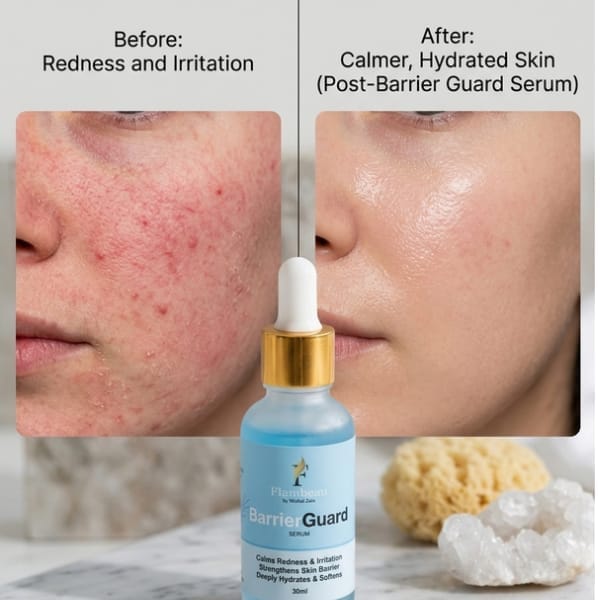
One way to boost your overnight repair is to layer a serum like Barrier Guard Serum 30ml | Skin Barrier Repair under your night cream. This kind of formulation typically includes ceramides and soothing botanicals that work well with your skin’s natural overnight processes.
Key Ingredients to Look For in a Night Serum
When scanning the ingredient list of a night serum, focus on proven actives that support repair rather than harsh exfoliants or irritants. Here are some of the most beneficial ingredients to look for:
Ceramides are lipid molecules that make up about 50% of your skin’s barrier. They act like the “mortar” between skin cells, preventing moisture loss and protecting against pollution and irritants. A serum with ceramides helps rebuild a compromised barrier, making it ideal for anyone with dry, sensitive, or over-processed skin.
Niacinamide (vitamin B3) is a multitasker that supports barrier function, improves the look of uneven tone, and helps calm redness. It also boosts the production of ceramides in the skin, making it a perfect partner for barrier-repairing formulas. For those with acne-prone skin, niacinamide can help reduce the look of post-acne marks without causing dryness.
Hyaluronic acid is a powerful humectant that holds up to 1000 times its weight in water. It plumps the skin’s outer layers, smoothing the look of fine lines and dehydration. Look for serums that contain multiple molecular weights of hyaluronic acid to hydrate at different skin depths.
Peptides are short chains of amino acids that signal your skin to produce more collagen and elastin. They are gentle and well-tolerated, making them suitable for most skin types. Over time, peptides can help improve the look of firmness and elasticity, which is especially relevant as we age.
Bakuchiol is a plant-based alternative to retinol that offers similar smoothing and renewing benefits without the irritation often associated with retinoids. It’s a great choice for sensitive skin or for those new to overnight actives. Bakuchiol also has antioxidant properties, protecting skin from oxidative stress.
You may also see Centella asiatica (cica), panthenol, and green tea extract in night serums—these calm and soothe the skin, reducing redness and supporting repair. Avoid serums with high concentrations of alcohol, synthetic fragrances, or essential oils if you have sensitive skin, as these can disrupt the barrier further.
If you have acne-prone skin, look for a serum that includes niacinamide and perhaps salicylic acid in a low percentage, but avoid over-exfoliating at night. A product like Clear Skin Acne Control Serum – Reduce Spots & Scars combines soothing and clarifying ingredients that can help reduce the look of spots while supporting skin health.
How to Use a Night Serum for Best Results
Using a night serum correctly is just as important as choosing the right one. Follow this step-by-step approach to maximize your skin’s overnight repair:
Step 1: Cleanse gently. Remove makeup, sunscreen, and dirt with a mild cleanser. Avoid harsh soaps that strip your skin’s natural oils. If you wear heavy makeup, consider double cleansing—first with an oil-based cleanser, then a water-based one.
Step 2: Tone (optional). A hydrating toner can prep your skin and help the serum absorb better. Look for alcohol-free toners with ingredients like rose water or witch hazel in small amounts. If your toner contains exfoliating acids, skip it on nights when your serum already has active ingredients.
Step 3: Apply your serum. While your skin is still slightly damp, apply 2-3 drops of your night serum to your face and neck. Gently pat it in with your fingertips—avoid rubbing, which can cause irritation. Give it a minute to absorb before moving on.
Step 4: Seal with a moisturizer. A night cream or a facial oil helps lock in the serum’s actives and provides an extra layer of hydration. This is especially important if your serum contains humectants like hyaluronic acid, which need a seal to keep moisture from evaporating.
Step 5: Be consistent. Most night serums take at least 4-6 weeks to show visible results. Use them every night unless your skin becomes irritated. If you’re using a new active, start with every other night to allow your skin to adjust.
Always patch test first—apply a small amount behind your ear or on your jawline for 24 hours before using it on your full face. This is especially important if you have sensitive skin or a history of allergies.
In Pakistan’s climate, where humidity and pollution can affect your skin, adjust the amount of serum you use. In summer, a couple of drops may be enough; in winter, you might need more. Also, remember to apply sunscreen the next morning—many night actives can increase sun sensitivity.
Choosing the Right Night Serum for Your Skin Type
Not all night serums are created equal, and your skin type should guide your choice. Here’s a breakdown to help you pick the best formula for your needs:
Dry Skin
If your skin feels tight, flaky, or rough, you need a serum that prioritizes barrier repair and hydration. Look for ceramides, shea butter, squalane, and hyaluronic acid in a richer, oil-based or creamy serum. Avoid alcohol and strong astringents. A product like Barrier Guard Serum 30ml | Skin Barrier Repair is a good example of a formula designed to strengthen the moisture barrier and soothe dryness.
Oily or Combination Skin
Oily skin still needs hydration—it can actually produce more oil when dehydrated. Choose a lightweight, water-based serum with niacinamide, hyaluronic acid, or peptides. Avoid heavy oils and butters that can clog pores. Gel textures work well. Niacinamide helps regulate oil production and improves the look of pores over time.
Sensitive Skin
Sensitive skin needs calming, fragrance-free formulas with minimal ingredients. Look for centella asiatica, panthenol, allantoin, and ceramides. Avoid essential oils, alcohol, and high percentages of active acids. Patch test religiously and introduce new products slowly. A simple serum with a short ingredient list is often best.
Acne-Prone Skin
If you struggle with breakouts and post-acne marks, look for a serum that includes niacinamide, zinc, or salicylic acid in low concentrations. These help clarify the skin and reduce the look of spots without over-drying. Clear Skin Acne Control Serum – Reduce Spots & Scars is formulated with oily, acne-prone skin in mind, offering a blend that supports clearer-looking skin.
Remember, your skin type can change with the seasons and your environment. In Pakistan’s humid summers, even dry skin can benefit from lighter gel serums. In winter or in air-conditioned offices, you may need to layer a facial oil over your serum for extra comfort.
Common Mistakes to Avoid with Night Serums
Even with the best intentions, small missteps can undermine your night serum’s effectiveness. Here are the most common mistakes and how to avoid them:
Mistake 1: Applying serum to dry skin. Serums absorb better when your skin is slightly damp. Water helps humectants like hyaluronic acid pull moisture in. So after cleansing, don’t towel-dry completely—apply your serum while your face is still a bit moist.
Mistake 2: Using too much product. More isn’t better. A few drops are enough to cover your face and neck. Over-applying can make your skin feel sticky and may increase the risk of irritation. Follow the package instructions or start with a small amount.
Mistake 3: Skipping moisturizer. A serum alone is not a moisturizer. It delivers actives, but you still need a moisturizer to seal everything in and provide a protective film. Skipping it can lead to increased water loss, especially if your serum contains humectants.
Mistake 4: Introducing too many actives at once. If you start a new night serum, don’t simultaneously add a new exfoliant or retinol. Your skin needs time to adjust. Introduce one new product at a time, and if you experience redness or stinging, reduce frequency or stop until your skin calms.
Mistake 5: Not patch testing. Even if a serum seems gentle, your skin may react. Always patch test on a small area first. This is especially important for those with sensitive or acne-prone skin, as some ingredients can trigger breakouts.
Mistake 6: Expecting overnight miracles. While some immediate hydration benefits are noticeable, true repair takes time. Consistency is key. Use your serum every night for at least a month before judging its effectiveness. Remember that skin renewal cycles are about 28 days.
If you’re unsure about what’s causing a reaction, consider simplifying your routine. Our blog has more on building a basic routine. Also, check out 5 Skincare Myths to Unlearn for Healthier Skin to avoid common misconceptions.
How to Choose a Night Serum on a Budget
You don’t need to spend a fortune to get an effective night serum. Many affordable options are packed with the same key ingredients as luxury brands. When shopping on a budget, focus on the ingredient list rather than the price tag. Look for serums with a few well-studied actives in effective concentrations, and avoid those with long lists of unnecessary fillers.
Drugstore and local pharmacy brands often offer great value. In Pakistan, you can find serums in the 500 to 3000 PKR range that contain niacinamide, hyaluronic acid, or ceramides. Always check the packaging for the concentration—niacinamide is effective at 2-5%, and hyaluronic acid works well at 1% or lower. High concentrations aren’t always better; they can increase irritation.
Another budget-friendly tip is to use a serum only at night and skip a moisturizer if your serum is rich enough. However, this is an exception, not the rule—most skin types still benefit from a separate moisturizer. If you’re on a tight budget, you can also DIY a simplified routine using a basic pharmacy moisturizer with ceramides and apply a few drops of a hydrating toner before it.
Look for multi-purpose products that combine hydration and barrier repair in one bottle. For example, Barrier Guard Serum 30ml | Skin Barrier Repair offers a concentrated dose of barrier-loving ingredients and can be used alone or under a moisturizer, depending on your skin’s needs.
Before purchasing, read reviews from people with similar skin types. Also, consider the brand’s reputation for quality and transparency. Our serums are formulated with skin health in mind, and you can explore more in the serums category on our website.
Remember, the most expensive serum isn’t necessarily the best. What matters is consistent use over time and how well it suits your skin. And as always, consult a dermatologist if you have specific skin concerns.
Frequently Asked Questions
Can I use a night serum every night?
Yes, most night serums are designed for daily use. However, if you have sensitive skin or are introducing a new active, start with every other night and gradually increase frequency as your skin adjusts.
Do I need a moisturizer after a night serum?
Yes, it’s generally recommended to apply a moisturizer after a serum to lock in hydration and seal the active ingredients. This is especially important if your serum contains humectants like hyaluronic acid.
What is the best night serum for acne-prone skin?
Look for a serum with niacinamide, zinc, or low-concentration salicylic acid. These help clarify the skin and reduce the look of spots without over-drying. Always patch test first.
How long before I see results from a night serum?
Some immediate hydration benefits are visible right away, but significant improvements in texture and tone usually take 4-6 weeks of consistent use. Be patient and use the serum nightly as directed.
Written by Mishal Rehman, owner of Flambeauty — sharing practical, professional beauty and skincare guidance.
Updated: August 2026