
Learn how to cleanse without damaging your skin barrier. Discover gentle face wash choices, correct techniques, and tips for every skin type—especially for...
To avoid stripping your skin barrier with face wash, choose a gentle, sulfate-free cleanser that matches your skin type, use lukewarm water, and massage for no more than 60 seconds. Avoid over-washing, harsh scrubbing, and hot water. Follow with a moisturizer while skin is damp. Look for hydrating ingredients like glycerin or ceramides and skip products with high alcohol or strong sulfates.
Understanding Your Skin Barrier and How Cleansers Affect It
Your skin barrier is the outermost layer of your skin, often described as a brick-and-mortar structure. The skin cells are the bricks, and the lipids—ceramides, cholesterol, and fatty acids—are the mortar that holds everything together. This barrier is your body’s first line of defense against environmental aggressors like pollution, bacteria, and irritants. It also helps retain moisture, keeping your skin plump and comfortable. When this barrier is intact, your skin appears smooth, hydrated, and radiant.
Cleansing is essential to remove dirt, oil, sweat, and makeup, but it can also be the most damaging step if done incorrectly. Many face washes, especially those labeled “deep cleaning” or “oil control,” contain harsh surfactants like sodium lauryl sulfate (SLS) or sodium laureth sulfate (SLES). These are strong detergents that can bind to your skin’s natural oils and strip them away, along with the intercellular lipids that keep your barrier healthy. When you wash with such products, you may feel a “squeaky clean” sensation, but that tight, dry feeling is actually a red flag that your barrier has been compromised.
When the barrier is damaged, your skin loses moisture rapidly, leading to dryness, flakiness, and increased sensitivity. In response, your skin may produce even more oil to compensate, creating a vicious cycle of oiliness and irritation. This can manifest as redness, stinging, or breakouts—even if you’ve never had acne before. In Pakistan’s varying climate, from humid summers in Karachi to dry winters in Islamabad, barrier damage can be exacerbated by air conditioning, pollution, and hard water, making it even more crucial to cleanse gently.
The pH of your cleanser also plays a significant role. Your skin’s natural pH is around 4.5 to 5.5, slightly acidic. This acidity supports the activity of enzymes that maintain the barrier and keeps harmful bacteria at bay. Many traditional soaps and harsh cleansers have a pH of 9 or higher, which disrupts this delicate balance. Using a cleanser that is pH-balanced to match your skin can help preserve your barrier while still effectively removing impurities.
Understanding the difference between “deep cleaning” and “gentle cleansing” is key. Deep cleaning doesn’t mean stripping away everything; it means effectively removing debris without compromising the barrier. A good cleanser will lift away oil and dirt while maintaining the integrity of your skin’s moisture barrier. Look for words like “mild,” “gentle,” “hydrating,” or “cream cleanser” on labels, and avoid those that boast “strong” or “detoxifying” unless they are specifically formulated for your skin type.
Finally, your skin barrier is not static—it can repair itself if given the right conditions. By adjusting your cleansing habits and choosing the right products, you can support your barrier’s recovery and prevent future damage. This is particularly important if you are using active ingredients like retinol or acids, which already increase sensitivity. A gentle cleanser is the foundation of any skincare routine, especially when you’re trying to maintain or restore a healthy barrier.
Signs Your Skin Barrier Is Already Damaged by Face Wash
It’s easy to overlook the early signs of a compromised skin barrier because they often mimic other conditions. However, if you notice any of the following symptoms after washing your face, your cleanser might be too harsh. The most common sign is a persistent tight, dry, or “squeaky” feeling immediately after cleansing. This isn’t a sign of cleanliness—it’s a sign that your natural oils and lipids have been stripped away. If your skin feels like it’s pulling when you smile or move your face, that’s a clear indicator.
Another red flag is increased sensitivity. Your skin may become red, itchy, or tingly after applying products that previously didn’t bother you. This happens because the barrier is no longer protecting the deeper layers from irritants. You might also notice that your skin becomes more reactive to environmental factors like wind, cold, or even sunlight. If you develop rashes or eczema-like patches, that’s a strong sign of barrier disruption.
Paradoxically, damaged barriers can also lead to excess oil production. When your skin is stripped of moisture, it tries to compensate by producing more sebum, leading to a shiny, greasy appearance that can clog pores. This often results in breakouts, especially along the T-zone. Many people mistake this for oily skin and use even harsher cleansers, perpetuating the cycle. If your skin feels both oily and dehydrated, it’s likely your barrier is compromised.
Visible signs include flakiness, peeling, or rough texture. Even if you moisturize regularly, your skin may still feel dry and look dull because the barrier isn’t retaining the moisture you’re applying. You might also notice fine lines and wrinkles appearing more pronounced—dehydrated skin tends to show lines more visibly. Additionally, your skin may develop a “windburn” appearance, with red, blotchy patches, especially on the cheeks and nose.
If you experience a stinging or burning sensation when applying your moisturizer or serum, that’s a classic sign of barrier damage. A healthy barrier should allow your products to sit comfortably on your skin. When it’s compromised, even gentle formulations can trigger a reaction. Pay attention to how your skin feels throughout the day—if it feels uncomfortable, itchy, or hot, your barrier might be struggling.
Finally, consider whether your skin has become more prone to breakouts even though you’re cleansing regularly. This is often a sign of irritation, not just clogged pores. Breakouts that are accompanied by redness and inflammation, rather than just blackheads, may be a response to barrier stress. If you’ve recently switched to a stronger face wash and noticed these changes, that’s a strong clue that your cleanser is the culprit.
Choosing the Right Face Wash: Ingredients to Look For and Avoid
Selecting a gentle face wash is the first step in protecting your skin barrier. The most important thing is to avoid harsh sulfates like SLS and SLES, which are commonly found in foaming cleansers. These detergents are effective at removing oil but are too stripping for most skin types, especially if you have dry or sensitive skin. Instead, look for cleansers that use milder surfactants like cocamidopropyl betaine, decyl glucoside, or disodium cocoamphodiacetate—these are derived from coconut and are much gentler on the skin.
Another key ingredient to avoid is alcohol, particularly denatured alcohol or SD alcohol, which can be extremely drying and irritating. Alcohol is often added to give a cooling sensation or to help products dry quickly, but it strips the skin’s natural moisture. If you see “alcohol denat,” “SD alcohol,” or “isopropyl alcohol” high on the ingredient list, it’s best to skip that product. Similarly, avoid cleansers with high amounts of fragrances or essential oils, which can sensitize the skin over time, even if you don’t have allergies.
On the flip side, there are several beneficial ingredients to look for in a gentle face wash. Glycerin is a humectant that draws water into the skin, helping to keep it hydrated. Ceramides are lipid molecules that help repair and maintain the barrier—they act as the “mortar” in your skin’s brick-and-mortar structure. Niacinamide (vitamin B3) is a soothing ingredient that reduces inflammation and supports barrier function. Panthenol (pro-vitamin B5) is also hydrating and calming. Look for cleansers that contain these ingredients to help reinforce your barrier while washing.
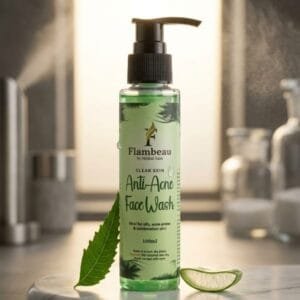
For those with oily or acne-prone skin, it might be tempting to reach for a strong “oil control” face wash, but this can backfire. Instead, choose a gentle foaming cleanser that contains salicylic acid in a low concentration (0.5% to 2%) or tea tree oil in a mild base. These ingredients help dissolve excess oil and unclog pores without stripping the barrier. For example, the Anti Acne Facewash for Pimples & Oil Control – Deep Cleansing Formula is formulated to balance oil production while being gentle enough for daily use.
If you have dry or sensitive skin, look for cream or milk cleansers that have a thicker, lotion-like consistency. These often contain emollients like shea butter or jojoba oil, which help moisturize while cleansing. They may not lather as much, but that’s perfectly fine—a low-foam cleanser is less likely to strip your skin. For a brightening boost, you might consider a product like the Whitening Face Wash – Brightening & Deep Cleansing, which is designed to gently exfoliate and brighten without harsh abrasives.

Finally, always check the pH level of your cleanser. Ideally, it should fall between 4.5 and 6.5. Many brands now advertise their pH on the packaging, but if not, you can test it with pH strips. Avoid cleansers that are highly alkaline (pH above 7), as they disrupt your skin’s acid mantle. A pH-balanced cleanser will help maintain your barrier’s integrity and keep your skin healthy.
Step-by-Step Guide to Cleansing Without Stripping Your Skin
Even with the right face wash, your cleansing technique can make or break your skin barrier. Here’s a detailed step-by-step routine that will help you cleanse effectively without causing damage. First, always wash your hands before touching your face. This prevents transferring bacteria and dirt to your skin. Then, wet your face with lukewarm water—hot water strips away natural oils, while cold water doesn’t dissolve oil-based impurities as effectively. Lukewarm is the perfect balance.
Next, dispense a small amount of cleanser (about the size of a pea) into your palm. Rub your hands together to create a light lather, or if your cleanser is non-foaming, just warm it slightly. Apply the cleanser to your face using gentle, circular motions with your fingertips. Avoid using a washcloth, sponge, or brush, as these can be too abrasive and cause micro-tears in the skin. Massage the cleanser into your skin for no more than 60 seconds—any longer and you risk over-drying.
Pay special attention to areas that tend to accumulate oil, like the T-zone (forehead, nose, and chin), but don’t scrub too hard. The skin on your face is delicate, and excessive pressure can cause irritation. Rinse thoroughly with lukewarm water, making sure no residue is left behind. Residue can clog pores and cause breakouts. If you have trouble rinsing, you may need to splash water several times.
After rinsing, pat your skin dry with a clean, soft towel—don’t rub! Rubbing can cause friction and further irritate your barrier. Gently press the towel against your skin to absorb excess water. Immediately apply your moisturizer while your skin is still slightly damp. This helps lock in hydration and creates a protective seal. If you wait too long, the water will evaporate, leaving your skin drier.
If you wear makeup or sunscreen, consider double cleansing in the evening. Start with an oil-based cleanser or micellar water to dissolve makeup and sunscreen, then follow with your gentle water-based cleanser. This ensures you remove everything without needing to scrub harshly. Just be sure to keep each cleansing step short and gentle.
Finally, limit your face washing to twice a day—once in the morning and once at night. Over-washing can strip your barrier, so if you feel the need to wash midday, just splash your face with water and apply a moisturizer. If you exercise, wash afterward with your gentle cleanser, but don’t add extra sessions beyond that. Consistency is key, but so is moderation.
Common Mistakes That Strip Your Skin Barrier (and How to Fix Them)
Many people unknowingly sabotage their skin barrier through common cleansing mistakes. One of the biggest is using hot water to wash your face. Hot water feels soothing, but it rapidly dissolves the natural lipids in your skin, leaving it dry and vulnerable. Always use lukewarm water, and if you take hot showers, try to wash your face separately with cooler water. Another frequent error is washing your face too often—more than twice a day can over-strip, especially if you’re using a foaming cleanser.
Another common mistake is using a clarifying or exfoliating cleanser every day. While these products can be beneficial, they contain active ingredients like salicylic acid, glycolic acid, or beads that can irritate if overused. Limit these to a few times a week, and on other days, use a basic gentle cleanser. Similarly, scrubbing your face with a washcloth or brush is a no-go—these tools create friction that can damage the barrier. Instead, use your fingertips and be gentle.
Many people also forget to moisturize immediately after cleansing. Even if your cleanser is gentle, washing removes some moisture, and if you don’t replenish it, your skin will become dry. Keep your moisturizer within reach and apply it within a minute of drying your face. Another mistake is skipping sunscreen—a damaged barrier is more susceptible to UV damage, and sun exposure can further weaken it. Always apply a broad-spectrum sunscreen in the morning, even if you’re indoors.
Another common issue is using a cleanser that is not suited to your skin type. For example, if you have dry skin and use a gel cleanser formulated for oily skin, you’ll likely end up with a stripped barrier. Conversely, if you have oily skin and use a heavy cream cleanser, you may not feel clean enough and might over-wash. It’s essential to choose a cleanser that matches your skin’s needs—you can refer to our facewash category for options tailored to different skin types.
Finally, ignoring the pH of your water can be a hidden culprit. Hard water, which is common in many parts of Pakistan, contains high levels of minerals that can leave a residue on your skin and disrupt its pH. If you suspect hard water is an issue, consider using a water softener or at least finishing your cleanse with a splash of bottled or filtered water. Alternatively, use a micellar water as a final rinse to help balance the skin’s pH.
To fix these mistakes, start by auditing your current routine. Always patch test new products before incorporating them into your routine. If your skin feels tight after washing, switch to a gentler cleanser. If you notice redness or itching, cut back on active ingredients. Give your skin time to recover—it typically takes 2-4 weeks to see improvement. And remember, consistency with a gentle routine is more important than using multiple harsh products.
Tailoring Your Cleanser to Your Skin Type and Climate
Your skin type and where you live in Pakistan should dictate your face wash choice. For dry skin, your main goal is to avoid further dehydration. Choose a creamy, hydrating cleanser that contains ingredients like glycerin, hyaluronic acid, or ceramides. Avoid foaming cleansers that create a rich lather, as they can be stripping. Wash only once a day in the evening if you’re very dry, and just rinse with water in the morning. In winter, when humidity is low, you might need an even more emollient cleanser.
For oily skin, you might think you need a strong “oil control” cleanser, but the opposite is true. Harsh cleansers prompt your skin to produce more oil, so opt for a gentle foaming cleanser that contains salicylic acid or tea tree oil to help manage oil without over-drying. The Anti Acne Facewash is a great option because it balances oil levels while being gentle. In humid months, you may need to wash twice a day, but in dry, cooler weather, reduce to once a day.
For combination skin, you have the challenge of dealing with both oily and dry areas. A balanced gel or cream cleanser works best, one that cleanses without stripping the dry areas or over-oiling the T-zone. Look for a cleanser with a pH around 5.5 and ingredients like niacinamide. You might also consider a foaming cleanser that is mild, but avoid those with sulfates. In summer, you may need to wash twice a day, but in winter, just once in the evening.
For sensitive skin, simplicity is key. Choose a cleanser with minimal ingredients, no fragrance, and no harsh preservatives. Cream or milk cleansers are often the most soothing. Look for ingredients like aloe vera, chamomile, or oatmeal. Avoid exfoliating acids and beads. Wash with lukewarm water and use your hands only. In Pakistan’s polluted cities, you might need to cleanse twice a day, but keep the routine very gentle. Always patch test first, and if you experience stinging, discontinue use immediately.
For acne-prone skin, you need a cleanser that helps treat acne without compromising your barrier. Look for benzoyl peroxide or salicylic acid, but in lower concentrations (2% or less). The Whitening Face Wash is a brightening option that also helps with acne marks. However, if you’re using topical acne medications, you might need an even gentler cleanser to avoid irritation. Wash twice a day, but if you feel dryness, reduce to once a day and just rinse in the morning.
Finally, consider Pakistan’s climate—hot, humid summers in coastal cities like Karachi can make skin oilier and more prone to breakouts, so a slightly more clarifying cleanser might be needed. In contrast, dry winters in northern areas can cause flakiness, so switch to a more hydrating cleanser. Air conditioning and heating indoors also affect your skin’s moisture levels. Adjust your routine seasonally and listen to your skin’s needs. For more tips on maintaining healthy skin, check out our blog where we share insights on various skin concerns.
Frequently Asked Questions
How often should I wash my face to avoid stripping my skin barrier?
Wash your face twice a day—once in the morning and once at night. Over-washing can strip your barrier, so avoid cleansing more than that unless you've been sweating heavily.
What does it feel like when your skin barrier is stripped?
A stripped barrier often feels tight, dry, and may appear red or flaky. You might also experience stinging when applying products, increased sensitivity, or a sudden increase in oiliness and breakouts.
Can I repair my skin barrier after using a harsh face wash?
Yes, the skin barrier can repair itself within a few weeks if you switch to a gentle cleanser, moisturize regularly, and avoid other irritants. Look for products with ceramides and niacinamide to speed up recovery.
Written by Mishal Rehman, owner of Flambeauty — sharing practical, professional beauty and skincare guidance.
Updated: July 2026