
Learn how to prevent premature aging in your 20s with sun protection, antioxidants, retinol, and simple habits. Start today for healthier-looking skin tomorrow.
Your 20s are the most important decade for skin aging prevention. The collagen and elastin that keep skin firm and smooth begin to decline as early as your mid-20s, and daily UV exposure, pollution, and lifestyle habits accelerate this process. By adopting a simple, consistent routine—daily sunscreen, antioxidants, gentle cleansing, and healthy habits—you can slow visible aging and maintain a youthful complexion for decades. Start now, because prevention is far more effective than correction.
What Really Causes Premature Aging in Your 20s
Premature aging—fine lines, dullness, uneven tone, and loss of elasticity—is driven by two main forces: intrinsic aging (genetics, natural collagen decline) and extrinsic aging (environmental and lifestyle factors). While you can’t change your genes, you have significant control over extrinsic factors, which are responsible for up to 80% of visible aging.
The biggest culprit is ultraviolet (UV) radiation. UVA rays penetrate deep into the dermis, breaking down collagen and elastin fibers, leading to sagging and wrinkles. UVB rays cause sunburn and surface damage. This damage accumulates over time, and even short, incidental exposure—like walking to the bus or sitting near a window—adds up. A 2013 study in the Annals of Internal Medicine famously showed that a truck driver who had sun exposure on one side of his face for 28 years developed severe unilateral aging, proving how powerful daily sun exposure is.
Other major contributors include pollution and free radicals. Environmental pollutants generate reactive oxygen species (ROS) that attack skin cells, triggering inflammation and breaking down collagen. Smoking is another accelerator: it narrows blood vessels, reducing oxygen and nutrient flow, and introduces thousands of chemicals that degrade collagen. Even sleep deprivation and chronic stress raise cortisol levels, which can break down collagen and impair skin repair.
Your diet also plays a role. High-glycemic foods and excess sugar cause glycation, a process where sugar molecules bind to collagen and elastin, making them stiff and brittle—leading to premature wrinkles and sagging. A diet rich in antioxidants (vitamins C and E, polyphenols) helps neutralize free radicals and supports collagen synthesis.
Finally, repetitive facial expressions—squinting, frowning, or sleeping on your side—can etch lines into the skin over time, known as expression lines. While you don’t need to be expressionless, being mindful of habits like squinting in bright sun (wear sunglasses) can reduce repeated creasing.
Understanding these causes empowers you to make targeted changes. The good news: most extrinsic aging is preventable with consistent, simple habits. You don’t need expensive treatments—just daily protection and nourishment.
Essential Anti-Aging Habits to Start Today
Prevention is about daily consistency, not occasional intervention. Here are the five most effective habits to adopt in your 20s:
1. Wear sunscreen every single day. This is non-negotiable. Choose a broad-spectrum SPF 30 or higher, and apply it every morning as the last step of your skincare routine. Reapply every two hours if you’re outdoors, and don’t skip cloudy days—up to 80% of UV rays penetrate clouds. For Pakistani summers, a lightweight, non-greasy formula is key. Look for sunscreens with zinc oxide or avobenzone for broad protection. If you’re indoors all day, you still need SPF because UVA rays pass through windows.
2. Cleanse gently, morning and night. Over-cleansing strips your skin’s natural oils, compromising the barrier and leading to sensitivity and premature aging. Use a mild, sulfate-free cleanser. At night, double cleanse if you wear makeup or sunscreen—first with an oil-based cleanser to dissolve products, then a water-based one to clean skin. Avoid hot water; use lukewarm to prevent dryness.
3. Moisturize to maintain hydration. Dehydrated skin shows fine lines more prominently. A good moisturizer with humectants (like hyaluronic acid) and emollients (like ceramides) keeps skin plump and supports barrier function. In humid Karachi, you might prefer a gel-based moisturizer; in drier climates, a cream works better.
4. Apply antioxidants, especially vitamin C. Vitamin C is a powerhouse antioxidant that neutralizes free radicals, brightens skin, and supports collagen production. Use a stable form (like ascorbic acid or magnesium ascorbyl phosphate) in the morning under sunscreen. It enhances SPF protection and gives you a healthy glow. Other antioxidants like niacinamide and green tea extract are also beneficial.
5. Start retinol in your mid-20s. Retinol (a vitamin A derivative) is the gold standard for collagen stimulation and cell turnover. It smooths fine lines, improves texture, and prevents breakouts. Begin with a low concentration (0.1%–0.25%) once or twice a week, then build up. Always use it at night, and wear sunscreen religiously the next day. If you’re pregnant or breastfeeding, skip retinol and consult a dermatologist.
These habits are the foundation. Add a weekly exfoliation (AHAs or BHAs) if your skin tolerates it, but don’t overdo it—over-exfoliation damages the barrier. Also, prioritize sleep: aim for 7–9 hours, as skin repairs itself during deep sleep.
Building a Simple Anti-Aging Skincare Routine
A streamlined routine is easier to stick with. Here’s a step-by-step guide for both morning and evening, adaptable to your skin type.
Morning Routine:
1. Cleanser (gentle, water-based)
2. Vitamin C serum (antioxidant protection)
3. Moisturizer (hydrate and seal)
4. Sunscreen SPF 30+ (broad-spectrum)
Evening Routine:
1. Cleanser (double cleanse if needed)
2. Retinol (2–3 nights a week, not every night if you’re new)
3. Moisturizer (replenish overnight)
On non-retinol nights, you can use a hydrating serum or a gentle exfoliant (once or twice a week) instead.
For a ready-made solution, the Glow & Fit Lifestyle Deal from Flambeauty includes products that support a healthy complexion as part of a balanced lifestyle approach. While it’s not a substitute for prescription-strength actives, it’s a gentle, natural complement to your routine.

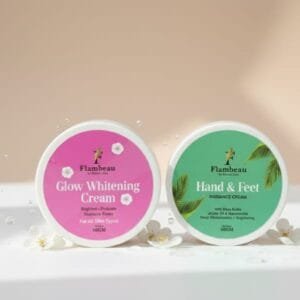
If you’re looking for targeted care for hands and feet, which also show aging signs, consider the Glow Care Bundle – Hand & Feet Cream and Glow Cream. It helps soften and smooth those areas, keeping them youthful.
Remember to always patch test new products on your inner forearm for 24 hours to avoid reactions. Introduce one new product at a time so you can identify if it causes breakouts or irritation.
For a deeper dive into how diet affects your skin, check out our guide on diet and skin.
Common Mistakes That Speed Up Skin Aging
Even with the best intentions, some habits can backfire. Here are the most common mistakes people in their 20s make:
1. Skipping sunscreen because it’s cloudy or you’re indoors. UV rays penetrate clouds and windows. Make sunscreen a non-negotiable daily step, rain or shine.
2. Over-exfoliating. Using harsh scrubs or chemical exfoliants daily strips your skin barrier, leading to redness, sensitivity, and micro-tears. Limit exfoliation to 1–2 times a week, and avoid combining strong acids with retinol on the same night.
3. Using too many active ingredients at once. Layering retinol, vitamin C, and acids in the same routine can cause irritation and breakouts. Simplify: use vitamin C in the morning, retinol at night, and exfoliate separately.
4. Sleeping with makeup on. Makeup traps dirt and oil, clogging pores and preventing skin repair. Always remove makeup before bed—it takes two minutes, but the long-term payoff is huge.
5. Ignoring your neck and chest. The skin on your neck and chest is thinner and just as prone to aging. Extend your sunscreen and moisturizer down to your collarbone.
6. Relying on “anti-aging” products without SPF. No serum can undo sun damage. Sun protection is the single most effective anti-aging step.
Avoid these pitfalls, and you’ll stay on track. If you’re unsure about your skin’s needs, consult a dermatologist. Also, remember that lifestyle matters—smoking, excessive alcohol, and poor diet accelerate aging.
How to Choose the Right Anti-Aging Products for Your Skin Type
Your skin type influences which textures and ingredients work best. Here’s a breakdown:
Dry Skin
Focus on hydrating ingredients: hyaluronic acid, glycerin, ceramides, and squalane. Use creamy cleansers and rich moisturizers. Avoid foaming cleansers that strip oils. Retinol can be drying, so start with a low concentration and buffer with moisturizer.
Oily Skin
Choose gel-based, oil-free moisturizers and lightweight sunscreens. Niacinamide helps control oil and strengthens the barrier. Vitamin C serums are fine, but pick water-based formulas. Retinol is excellent for oily skin—it unclogs pores and smooths texture.
Combination Skin
Balance is key. Use a gentle cleanser, a moisturizer that hydrates without greasiness, and a mattifying sunscreen on the T-zone. You can apply retinol all over or focus on areas with fine lines.
Sensitive Skin
Patch test everything. Use fragrance-free, alcohol-free products with soothing ingredients like aloe, chamomile, and centella. Introduce retinol very slowly, and consider bakuchiol as a gentler alternative. Always moisturize before applying actives to reduce irritation.
Acne-Prone Skin
You still need anti-aging care. Use non-comedogenic products. Salicylic acid can help with acne and exfoliation. Retinol is a great fit—it prevents breakouts and aging. Avoid heavy creams; opt for gel-based moisturizers.
When choosing products, look for key ingredients and avoid harmful ones. For Pakistani humidity, lightweight, non-comedogenic formulas are best. You can explore our skin care collection for options that suit various types.
For natural nail care habits that complement your overall grooming, see our nail care guide.
Lifestyle Tweaks for Long-Term Skin Health
Beyond skincare, your daily choices profoundly affect how your skin ages. Here are actionable tweaks:
Diet: Eat a rainbow of fruits and vegetables for antioxidants. Include healthy fats (avocado, nuts, fish) for skin barrier support. Limit sugar and refined carbs to reduce glycation. Green tea is rich in polyphenols—swap your chai for green tea a few times a week.
Sleep: During deep sleep, your body produces growth hormone, which repairs collagen. Create a bedtime routine: dim lights, avoid screens an hour before bed, and keep your room cool. If you’re a side sleeper, consider a silk pillowcase to reduce friction lines.
Stress management: Chronic stress elevates cortisol, which breaks down collagen. Incorporate mindfulness, yoga, or even a daily walk. Your skin reflects your inner state.
Sun protection beyond face: Don’t forget your lips, ears, and hands. Use lip balm with SPF and sunscreen on your hands before driving. In Pakistan, the sun is intense, so a wide-brimmed hat is a stylish shield.
Hydration: Drink plenty of water to keep skin plump, but don’t overdo it—excess water doesn’t erase wrinkles. Aim for 8 glasses, but adjust to climate and activity.
For a holistic approach, the Glow & Fit Lifestyle Deal combines product benefits with lifestyle tips, helping you build sustainable habits.
Remember, consistency beats intensity. A simple routine done daily is better than a complex one done occasionally. Start with sunscreen and retinol if you’re new, and build from there. Your future self will thank you.
For more skincare insights, browse our blog.
Frequently Asked Questions
Is it too early to use anti-aging products in my 20s?
Not at all. Starting in your 20s is actually ideal because prevention is easier than correction. Use sunscreen daily, a vitamin C serum, and introduce a low-strength retinol gradually to build collagen and prevent early signs of aging.
Can I reverse aging once it starts in my 20s?
You can improve skin appearance with consistent use of sunscreen, antioxidants, and retinol, but you can't reverse sun damage completely. Prevention is key, but these ingredients can smooth fine lines and boost radiance, giving a younger look.
What SPF should I use for daily life in Pakistan?
Use a broad-spectrum SPF 30 or higher, even on cloudy days. In Pakistan's sunny climate, SPF 50 is a great choice for extended outdoor time. Look for water-resistant formulas if you sweat a lot.
Can I combine vitamin C and retinol in the same routine?
It's best to use vitamin C in the morning and retinol at night. They have different pH requirements and using them together can cause irritation. This way, you get antioxidant protection by day and collagen-boosting repair at night.
Written by Mishal Rehman, owner of Flambeauty — sharing practical, professional beauty and skincare guidance.
Updated: July 2026