Discover how diet affects your skin's appearance—from acne triggers to glow-boosting foods. Learn the best eating habits for clear, healthy skin with...
Your diet directly influences your skin’s appearance by providing the building blocks for collagen, regulating inflammation, and controlling oil production. Eating high-glycemic foods spikes insulin, which can worsen acne, while antioxidant-rich fruits, healthy fats, and adequate water support a clearer, more radiant complexion. In short, what you eat shows on your face.
How Sugar and High-Glycemic Foods Trigger Breakouts
When you consume foods high in refined sugar or simple carbohydrates—like white bread, sugary drinks, or traditional Pakistani desserts such as gulab jamun—your blood sugar rises quickly. This spike prompts the body to release insulin and insulin-like growth factor (IGF-1), which can increase sebum production and skin cell turnover, leading to clogged pores. Studies show that high-glycemic diets are strongly linked to acne severity. For example, a 2007 clinical trial published in the American Academy of Dermatology found that participants on a low-glycemic diet had significantly fewer acne lesions after 12 weeks. To reduce this effect, replace refined carbs with whole grains like brown rice, oats, or whole-wheat roti. Limiting sugary snacks and sodas is one of the most impactful changes you can make for clearer skin. Instead, reach for fresh fruit like apples or berries when a sweet craving hits. Even natural sweeteners like honey or jaggery should be used sparingly, as they still affect blood sugar. Over time, stabilizing your glucose levels helps keep hormones balanced and breakouts at bay.
Essential Nutrients for Glowing Skin
Your skin needs a steady supply of specific vitamins and minerals to repair itself and maintain a healthy glow. Vitamin C is crucial for collagen production—it helps keep skin firm and reduces fine lines. Good sources include citrus fruits, kiwi, bell peppers, and amla (Indian gooseberry), which is widely available in Pakistan. Vitamin E acts as a powerful antioxidant, protecting skin from UV damage and oxidative stress; you can find it in almonds, sunflower seeds, and spinach. Zinc is another key player—it reduces inflammation and helps heal acne lesions. Foods rich in zinc include chickpeas, lentils, pumpkin seeds, and lean meats. Omega-3 fatty acids, found in fatty fish like salmon (though less common in Pakistani diets, you can use flaxseeds or walnuts), help maintain the skin’s lipid barrier, keeping it hydrated and supple. Incorporating a variety of colorful vegetables and healthy fats into your daily meals is the most effective way to nourish your skin from within. For example, a simple salad with spinach, tomatoes, walnuts, and a squeeze of lemon provides vitamin C, vitamin E, and omega-3s in one meal. Don’t forget water—staying hydrated is essential for plump, elastic skin. Aim for at least 8 glasses daily, more if you’re in a hot climate like most of Pakistan.
Foods That Can Worsen Acne and Inflammation
Beyond sugar, certain foods may trigger breakouts or increase skin inflammation in sensitive individuals. Dairy is a common culprit—some studies suggest that milk, especially skim milk, can aggravate acne due to hormones or bioactive molecules. If you notice flare-ups after drinking milk or eating yogurt, try switching to plant-based alternatives like almond or oat milk for a few weeks to see if your skin improves. Fried and greasy foods can also contribute to inflammation because they are high in trans fats and advanced glycation end-products (AGEs), which damage collagen and promote oxidative stress. In Pakistani cuisine, samosas, pakoras, and parathas fried in oil are delicious but can be problematic if eaten daily. Another hidden trigger is spicy food—while not universally problematic, it can cause vasodilation and facial flushing in some people, making redness or rosacea more noticeable. Processed meats like sausages and deli meats contain preservatives and nitrates that may promote inflammation. To support your skin, opt for whole, minimally processed foods most of the time. Listen to your body: if you suspect a particular food is causing breakouts, try an elimination diet for 2-4 weeks and observe changes.
Practical Dietary Habits for Healthy Skin
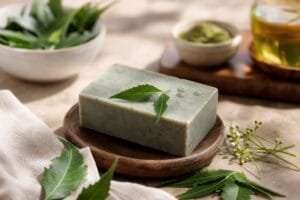
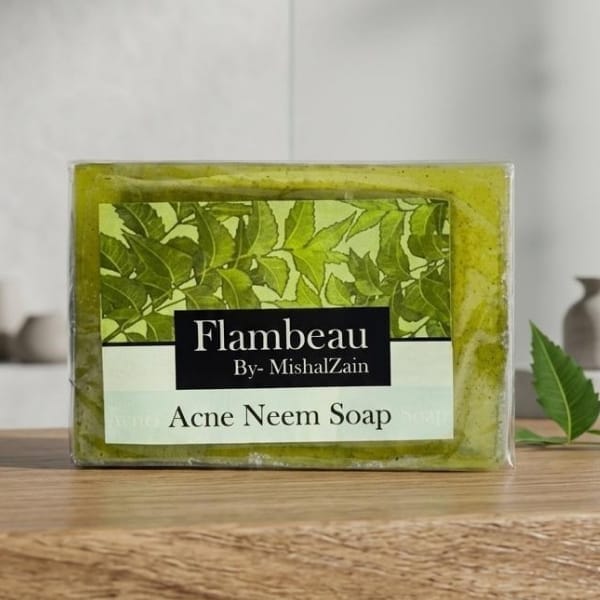
Adopting consistent eating patterns can make a real difference in your skin’s appearance. First, eat a balanced breakfast with protein and fiber—for example, eggs with whole-wheat toast or oatmeal with nuts and berries. This stabilizes blood sugar for the rest of the day. Second, include a serving of vegetables in both lunch and dinner; aim for half your plate to be non-starchy veggies like leafy greens, cucumbers, or bitter gourd (karela). Third, snack smartly: replace chips or biscuits with a handful of almonds, walnuts, or a piece of fruit. Fourth, limit late-night eating, as it can disrupt sleep and digestion, both of which affect skin health. Keeping a food diary can help you identify patterns between what you eat and breakouts or dullness. Additionally, consider incorporating a gentle cleansing routine to complement your dietary changes. For instance, using a product like Acne Neem Soap for Pimples, Oil Control & Deep Skin Cleansing can help manage acne while you adjust your diet. For those with dry or sensitive skin, Goat Milk Soap offers gentle nourishment without stripping natural oils. Remember, dietary changes take time—give your skin at least 4-6 weeks to show improvement after consistently eating healthier.

Common Mistakes to Avoid When Changing Your Diet for Skin
Many people make errors when trying to improve their skin through diet. One common mistake is going on extreme elimination diets without professional guidance. Cutting out entire food groups like dairy or gluten without a medical reason can lead to nutrient deficiencies. Instead, eliminate one suspected trigger at a time and monitor your skin. Another mistake is focusing only on what to avoid rather than what to add. Adding skin-supporting foods is just as important as removing problematic ones. For example, simply reducing sugar without increasing vegetables and healthy fats may not yield visible results. A third error is expecting overnight changes—skin cell turnover takes about 28 days, so consistency is key. Some people also overlook the impact of portion sizes; even healthy foods like nuts and avocados are calorie-dense, and overeating can lead to weight gain, which indirectly affects skin health. Finally, don’t forget that topical skincare and a healthy diet work together. Neglecting a proper skincare routine while focusing solely on diet can limit your results. For a complete approach, check out our blog for more tips, or explore the Skin Care category for products that complement your dietary efforts. Also, learn how to Build a Complete Skincare Routine Without Overspending to maximize your skin’s potential.
Tailoring Your Diet to Your Skin Type
Oily and Acne-Prone Skin
If you have oily or acne-prone skin, focus on low-glycemic foods and zinc-rich sources. Incorporate legumes, whole grains, and plenty of green vegetables. Avoid sugary drinks and refined carbs. Omega-3s from flaxseeds or walnuts can help reduce inflammation. Also, consider a gentle cleanser like Acne Neem Soap for Pimples, Oil Control & Deep Skin Cleansing to manage excess oil without stripping.
Dry and Dehydrated Skin
For dry skin, prioritize healthy fats and water-rich foods. Include avocados, nuts, seeds, and fatty fish if available. Drink plenty of water and herbal teas. Foods high in vitamin E, like almonds and sunflower seeds, help maintain moisture. Use a hydrating cleanser such as Goat Milk Soap to soothe and nourish dry skin.
Sensitive or Reactive Skin
If your skin is sensitive, focus on anti-inflammatory foods like turmeric, ginger, and leafy greens. Avoid common irritants such as spicy foods, alcohol, and excessive caffeine. Keep a food diary to identify triggers. Gentle skincare is key—opt for fragrance-free products and soothing ingredients like goat milk.
Combination Skin
For combination skin, aim for a balanced diet rich in antioxidants and fiber. Include a variety of fruits and vegetables to support both oily and dry areas. Stay hydrated and limit high-glycemic foods. A consistent routine with both a gentle cleanser and moisturizer works best.
Conclusion: The Long-Term Impact of Diet on Skin
Your diet is a powerful tool for achieving and maintaining healthy skin. By reducing sugar and processed foods, increasing nutrient-dense whole foods, and staying hydrated, you can support your skin’s natural functions. Remember that consistent, small changes lead to lasting results. Pair your dietary efforts with a good skincare routine tailored to your skin type. For more guidance, read How to Reduce Hair Fall During Seasonal Change: A Complete Guide for additional wellness tips. Start today, and your skin will thank you.
Frequently Asked Questions
Can eating chocolate cause acne?
Dark chocolate with high cocoa content (70% or more) is less likely to trigger acne than milk chocolate, which is high in sugar and dairy. However, individual responses vary—if you notice breakouts after eating chocolate, try reducing it.
How long does it take for diet changes to improve skin?
Skin cell turnover takes about 28 days, so you may start seeing improvements in 4-6 weeks. Consistency is key—stick with healthy eating habits for at least two months to evaluate results.
Is drinking water enough to get glowing skin?
Water is essential for skin hydration, but glowing skin also requires a diet rich in vitamins, antioxidants, and healthy fats. Pair adequate water intake with nutrient-dense foods for best results.
Can dairy-free diets help with acne?
Some studies suggest that dairy, especially skim milk, may aggravate acne in susceptible individuals. Trying a dairy-free diet for 2-4 weeks can help determine if it makes a difference for your skin.
Written by Mishal Rehman, owner of Flambeauty — sharing practical, professional beauty and skincare guidance.
Updated: July 2026