Discover how mindful eating habits can support clearer, healthier-looking skin. Learn practical steps, foods to eat, and mistakes to avoid for a natural glow.
Mindful eating supports clearer skin by reducing stress, balancing blood sugar, and improving digestion, which lowers inflammation and hormonal triggers. Eating slowly, choosing whole foods, and staying hydrated help your skin look healthier and more even. This guide gives you practical steps and habits to start today.
What Is Mindful Eating and How Does It Affect Your Skin?
Mindful eating is the practice of paying full attention to the experience of eating — the taste, texture, aroma, and your body’s hunger and fullness cues. It’s not a diet; it’s a way of eating that helps you make conscious food choices rather than mindless ones. When you eat mindfully, you naturally slow down, chew more thoroughly, and become more aware of how different foods make you feel. This awareness can lead to better digestion, reduced stress, and more stable energy levels. But how does this connect to your skin? Your skin is your body’s largest organ, and it reflects what’s happening inside. Chronic stress, poor digestion, and blood sugar spikes can all contribute to inflammation, which may show up as acne, dullness, or uneven tone. By eating mindfully, you can help regulate these internal factors and support a clearer, more radiant complexion.
The connection between gut health and skin health is well-established. When you eat in a rushed, stressed state, your body diverts blood flow away from your digestive system, which can impair nutrient absorption and lead to bloating or discomfort. Over time, this can contribute to systemic inflammation. Mindful eating helps activate your parasympathetic nervous system — the “rest and digest” mode — which improves digestion and nutrient uptake. Better absorption of vitamins, minerals, and antioxidants means your skin gets the raw materials it needs for repair and renewal. Additionally, the foods you choose when you’re mindful tend to be less processed and higher in fiber, which feeds beneficial gut bacteria. A healthy gut microbiome is linked to reduced inflammation and a stronger skin barrier.
Stress is another major player. When you’re anxious or rushed, your body releases cortisol, which can increase oil production and trigger breakouts. Mindful eating encourages you to pause, breathe, and savor your meal, which lowers cortisol levels. This simple act of slowing down can have a profound effect on your skin’s clarity over time. Moreover, mindful eating often means you’re more in tune with which foods might be triggering your skin issues. For example, you might notice that dairy or high-sugar snacks lead to breakouts a day or two later. Without mindfulness, these connections are easy to miss. Keeping a simple food and skin journal can help you identify patterns and adjust your diet accordingly. Remember, consistency is key — small, mindful choices add up to visible improvements in your skin’s appearance.
It’s also worth noting that mindful eating isn’t about perfection. It’s about awareness and making choices that support your overall well-being, including your skin. You don’t have to eliminate entire food groups unless advised by a professional. Instead, focus on adding more skin-supportive foods and eating in a calm environment. The goal is to create a sustainable habit that nourishes both your body and your complexion. As you practice, you’ll likely find that you feel better physically and emotionally, and your skin will reflect that inner balance.
Key Nutrients and Foods That Support Clearer Skin
Certain nutrients play a starring role in skin health. Antioxidants like vitamins C and E, beta-carotene, and polyphenols help combat oxidative stress from UV exposure and pollution, which can lead to premature aging and dullness. Omega-3 fatty acids are anti-inflammatory and support the skin’s lipid barrier, keeping it hydrated and resilient. Zinc is involved in wound healing and can help regulate oil production, making it beneficial for acne-prone skin. Fiber promotes a healthy gut microbiome, which in turn reduces systemic inflammation. And let’s not forget water — proper hydration is essential for plump, clear skin.
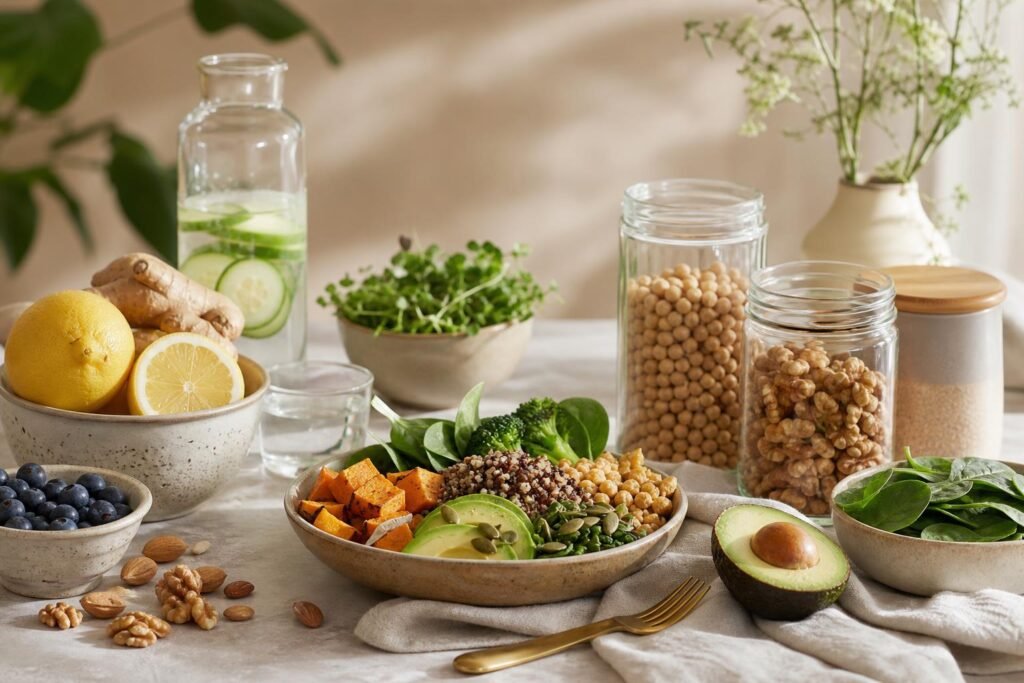
So, what should you put on your plate? Start with a rainbow of vegetables and fruits. Leafy greens like spinach and kale are rich in vitamins A and C. Berries are packed with antioxidants. Fatty fish such as salmon, sardines, and mackerel provide omega-3s. Nuts and seeds — especially walnuts, flaxseeds, and chia seeds — are great plant-based sources of omega-3s and zinc. Whole grains like quinoa, oats, and brown rice offer fiber and B vitamins. Legumes such as lentils and chickpeas are excellent for fiber and protein. And don’t overlook fermented foods like yogurt, kefir, and kimchi, which introduce beneficial probiotics to your gut. Green tea is another superstar, loaded with catechins that may reduce inflammation and protect against sun damage.
On the flip side, some foods can exacerbate skin issues. High-glycemic foods — white bread, sugary drinks, pastries — cause rapid blood sugar spikes, which can trigger inflammation and breakouts. Dairy, particularly skim milk, has been linked to acne in some studies, though the evidence isn’t conclusive for everyone. Processed meats and fried foods are high in omega-6 fatty acids, which can promote inflammation when out of balance with omega-3s. Alcohol dehydrates the skin and can disrupt sleep, both of which affect complexion. Mindful eating doesn’t mean you must avoid these entirely, but being aware of how they affect you can help you make better choices. For example, you might save sugary treats for special occasions and pair them with protein or fiber to slow sugar absorption.
When you’re shopping for groceries, think whole foods first. The closer a food is to its natural state, the more nutrients it retains. Cooking at home gives you control over ingredients and portion sizes. If you’re short on time, batch-cook on weekends and store meals in portioned containers. And remember, supplements can help fill gaps, but they’re not a substitute for a balanced diet. If you’re considering supplements like zinc or omega-3, consult a healthcare provider first. For a gentle topical boost, you might explore our Skin Care category for products that complement your internal efforts.
Practical Steps to Start Mindful Eating for Better Skin
Ready to give mindful eating a try? Start small. Begin with one meal a day where you eat without distractions — no phone, TV, or laptop. Sit at a table, take a few deep breaths, and notice the colors and smells of your food. Chew each bite thoroughly, aiming for 20–30 chews. Put your fork down between bites. This simple practice can transform your relationship with food and reduce stress. As you get comfortable, expand to more meals. You might also try a short gratitude pause before eating, acknowledging the effort that brought the food to your plate. These small rituals signal to your body that it’s time to relax and digest.
Next, tune into your hunger and fullness cues. Before eating, rate your hunger on a scale of 1 to 10. Aim to eat when you’re at a 3 or 4 (hungry but not ravenous) and stop when you’re at a 7 or 8 (satisfied but not stuffed). This prevents overeating, which can lead to blood sugar spikes and sluggish digestion. It also helps you avoid mindless snacking, which often involves processed foods that don’t serve your skin. If you tend to eat out of boredom or stress, try a glass of water or a short walk first. Often, the urge passes. Keeping a food and mood journal can reveal patterns — you might notice that you reach for sweets when you’re anxious, and that those sweets correlate with breakouts.
Hydration is a cornerstone of mindful eating. Aim for 8–10 glasses of water a day, more if you’re active or in a hot climate like Pakistan’s. Start your morning with a glass of water before coffee or tea. Carry a reusable bottle and sip throughout the day. If plain water is boring, infuse it with lemon, cucumber, or mint. Herbal teas count too. Proper hydration supports digestion, nutrient transport, and skin elasticity. It also helps you distinguish thirst from hunger — sometimes when you think you’re hungry, you’re actually thirsty. By drinking water first, you may find you eat less and feel better.
Finally, plan your meals and snacks. When you’re prepared, you’re less likely to grab whatever’s convenient, which is often processed and skin-unfriendly. Set aside time each week to plan a menu and shop for ingredients. Prep vegetables and cook grains in advance. Keep healthy snacks like nuts, fruit, and yogurt on hand. If you know you’ll be busy, pack a lunch. This doesn’t mean you can’t ever eat out or enjoy treats — it means you’re making conscious choices. Mindful eating is about flexibility, not rigidity. For more tips on building healthy habits, check out our blog archive.
Common Mistakes to Avoid When Eating for Skin Health
Even with the best intentions, it’s easy to fall into traps. One common mistake is cutting out entire food groups without professional guidance. Unless you have a diagnosed allergy or intolerance, eliminating dairy, gluten, or fats can lead to nutritional deficiencies that harm your skin and overall health. Instead of drastic elimination, try a temporary elimination diet to identify triggers, then reintroduce foods one at a time. Another mistake is relying on supplements while eating a poor diet. Supplements can’t outweigh a diet high in sugar and processed foods. Food first, supplements second — and only after consulting a doctor.
Another pitfall is ignoring portion sizes. Even healthy foods like nuts and avocados are calorie-dense; overeating them can lead to weight gain and inflammation. Mindful eating helps you enjoy these foods in moderation. Similarly, don’t fall for “skinny” processed foods marketed as healthy. Many low-fat or sugar-free products are loaded with additives and artificial sweeteners that may disrupt gut bacteria. Always read labels and choose whole foods when possible. And remember, consistency beats perfection. One unhealthy meal won’t ruin your skin, but a pattern of poor choices will. Focus on progress, not perfection.
Stress eating is another trap. When you’re stressed, you’re more likely to reach for high-sugar, high-fat comfort foods, which can trigger breakouts and dullness. Mindful eating teaches you to pause and ask, “Am I truly hungry, or am I stressed?” If it’s stress, find alternative coping mechanisms like deep breathing, a walk, or calling a friend. Also, avoid eating late at night. Late-night eating can disrupt sleep and digestion, both of which affect skin repair. Try to finish your last meal 2–3 hours before bedtime. If you’re hungry, opt for a light snack like a banana or a small bowl of yogurt.
Lastly, don’t neglect your environment. Eating while distracted — in front of the TV, while scrolling social media, or on the go — leads to overeating and poor digestion. Create a calm eating space, even if it’s just a corner of your kitchen. Turn off screens, light a candle, play soft music. These cues help your body shift into relaxation mode. If you live in a joint family or busy household, try to carve out a few minutes of quiet at mealtimes. Your skin will thank you for the reduced stress and improved nutrient absorption. For more on how nighttime habits affect skin, see our post on Best Bedtime Skincare Habits for Overnight Skin Repair.
Choosing Products and Ingredients That Complement Mindful Eating
While diet is foundational, topical skincare can enhance your results. When choosing products, look for ingredients that support barrier function and reduce inflammation. Hyaluronic acid attracts moisture, plumping the skin. Niacinamide (vitamin B3) helps regulate oil, minimize pores, and brighten tone. Ceramides strengthen the skin’s barrier. Green tea extract and vitamin C offer antioxidant protection. Salicylic acid is great for unclogging pores in acne-prone skin, while lactic acid gently exfoliates and hydrates. Avoid harsh sulfates, alcohol, and synthetic fragrances if your skin is sensitive. Always patch test new products, especially if you have reactive skin.
For a gentle exfoliation option, consider natural ingredients like walnut extract, which is rich in vitamin E and omega-3s. You can learn more in our post on Walnut Extract for Gentle Exfoliation: Benefits & How to Use. When incorporating new products, do it one at a time, with a week or two between introductions, so you can pinpoint any reactions. And remember, topical skincare works best when paired with a healthy diet and lifestyle. No cream can outdo a poor diet, but the right products can amplify your glow.
If you’re looking for a curated set that covers multiple steps, our Glow Ritual Bundle – All in one bundle offers a complete routine. For targeted care, the Glow Care Bundle -Hand & Feet Cream and Whitening Glow Cr (note: we prefer the term ‘brightening’ for a more even tone) can help with dry, dull areas. But again, these are adjuncts to your internal efforts. Always prioritize a balanced diet, adequate sleep, and stress management. For more on skin care basics, the American Academy of Dermatology offers reliable guidelines.


Adapting Mindful Eating for Different Skin Types
Your skin type may influence which foods you emphasize. Dry skin benefits from healthy fats — avocados, olive oil, nuts, and fatty fish — to support the lipid barrier. Oily and acne-prone skin may do better with a lower-glycemic diet, emphasizing vegetables, lean proteins, and whole grains while limiting sugar and dairy. Combination skin often responds well to a balanced approach: plenty of vegetables, moderate fruits, and adequate protein. Sensitive skin may benefit from an anti-inflammatory diet rich in omega-3s and antioxidants, while avoiding spicy foods and alcohol that can trigger flushing. Regardless of type, hydration and fiber are universal. Listen to your body and adjust as needed.
If you have a specific condition like eczema or rosacea, certain foods may be triggers. Keep a detailed journal to identify them. For example, some people find that nightshades (tomatoes, peppers, eggplant) worsen their rosacea. Others find that gluten or dairy exacerbates eczema. There’s no one-size-fits-all, so experimentation is key. And always consult a dermatologist or nutritionist for personalized advice. Mindful eating is a tool for self-discovery — use it to learn what works for your unique skin.
Finally, remember that skin health is holistic. Mindful eating is one pillar, alongside sleep, stress management, and topical care. By nourishing your body with whole foods and eating with awareness, you create the internal environment for your skin to thrive. Start small, be patient, and celebrate your progress. Your skin will reflect the care you give it — from the inside out.
Frequently Asked Questions
How long does it take for mindful eating to improve skin?
You may notice subtle improvements in 2–4 weeks, but significant changes often take 2–3 months of consistent healthy eating. Skin cell turnover takes about 28 days, so patience is key.
Can mindful eating alone clear acne?
Mindful eating can support clearer skin by reducing inflammation and balancing blood sugar, but it's not a cure for acne. For persistent acne, consult a dermatologist for a comprehensive treatment plan.
What are the best foods to eat for glowing skin?
Focus on antioxidant-rich fruits and vegetables, omega-3 fatty acids from fish and flaxseeds, zinc from nuts and legumes, and plenty of water. Fermented foods for gut health are also beneficial.
Do I need to give up sugar completely for clear skin?
Not necessarily. Reducing high-glycemic foods can help, but you can still enjoy treats in moderation, especially when paired with protein or fiber to slow sugar absorption. Mindful eating is about balance, not deprivation.
Written by Mishal Rehman, owner of Flambeauty — sharing practical, professional beauty and skincare guidance.
Updated: September 2026