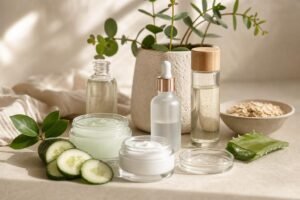
Discover how walnut extract gently exfoliates for smoother, brighter skin. Learn its benefits, how to use it, and what to look for in products—perfect for...
Walnut extract offers a natural, gentle way to exfoliate dead skin cells, revealing a smoother and more radiant complexion without the harshness of some synthetic scrubs. Its finely ground shell particles provide physical exfoliation, while its nourishing oils and antioxidants help condition the skin. This makes it an excellent choice for those seeking a softer, more even skin tone and texture, especially in Pakistan’s varying climate.
What Is Walnut Extract and Why Is It Good for Your Skin?
Walnut extract is derived from the shells and sometimes the kernels of walnuts (Juglans regia). The shells are ground into a fine powder that acts as a physical exfoliant, sloughing away dead skin cells on the surface. Unlike some synthetic microbeads that can be too abrasive or harmful to the environment, walnut shell powder is a natural, biodegradable option. The kernels also contain fatty acids, vitamin E, and antioxidants, which are often infused into skincare formulations to provide nourishment alongside exfoliation. This dual action—mechanical exfoliation plus conditioning—is what makes walnut extract a standout ingredient in many gentle scrubs and masks.
For Pakistani skin, which often deals with pollution, humidity, and sun exposure, regular but gentle exfoliation is key. Walnut extract helps unclog pores, which is particularly beneficial for those prone to blackheads and breakouts. It also helps fade the appearance of dark spots and post-acne marks over time by encouraging cell turnover. The result is a brighter, more even-toned complexion that looks healthier and feels softer to the touch. Because it’s a natural ingredient, it fits well into a more holistic skincare routine.
One of the biggest advantages of walnut extract is its gentleness when compared to harsher exfoliants like crushed apricot pits or some plastic microbeads. The particles are typically more uniformly sized and rounded, reducing the risk of micro-tears in the skin. However, it’s still a physical exfoliant, so how gentle it is depends on the particle size and how you use it. Products that use ultra-fine walnut powder are suitable for most skin types, including sensitive skin, when used correctly. Always look for formulations that specify “finely ground” or “micro-fine” walnut shell powder.
Beyond exfoliation, walnut extract has anti-inflammatory properties that can help calm redness and irritation. This is especially valuable in a country like Pakistan, where heat and dust can easily trigger sensitivity. The antioxidants in walnuts also help protect the skin from free radical damage, which is a major cause of premature aging. So, using a walnut-based exfoliant isn’t just about surface smoothness; it’s about supporting your skin’s overall health.
In essence, walnut extract offers a balanced approach to exfoliation: it’s effective enough to make a visible difference, yet gentle enough for regular use (1-2 times a week). It’s a versatile ingredient that can be found in cleansers, scrubs, and masks, making it easy to incorporate into your routine. Whether you have dry, oily, or combination skin, walnut extract can help you achieve that coveted glow without stripping your skin of its natural oils.
How to Use Walnut Extract for Gentle Exfoliation
Integrating walnut extract into your skincare routine is straightforward, but there are a few key steps to ensure you get the benefits without any irritation. Always patch test first—apply a small amount of the product to your inner arm or behind your ear and wait 24 hours to check for any adverse reaction. This is especially important if you have sensitive skin or a history of allergies. Once you’ve confirmed it’s safe, here’s how to use it effectively.
Start with a clean face. Remove any makeup and wash your face with a gentle cleanser to get rid of surface dirt and oil. This prep step ensures that the exfoliating particles can work directly on your skin without a barrier of makeup or grime. You can use a product like Goat Milk Soap as a base cleanser—it’s gentle and moisturizing, making it a perfect precursor to exfoliation.
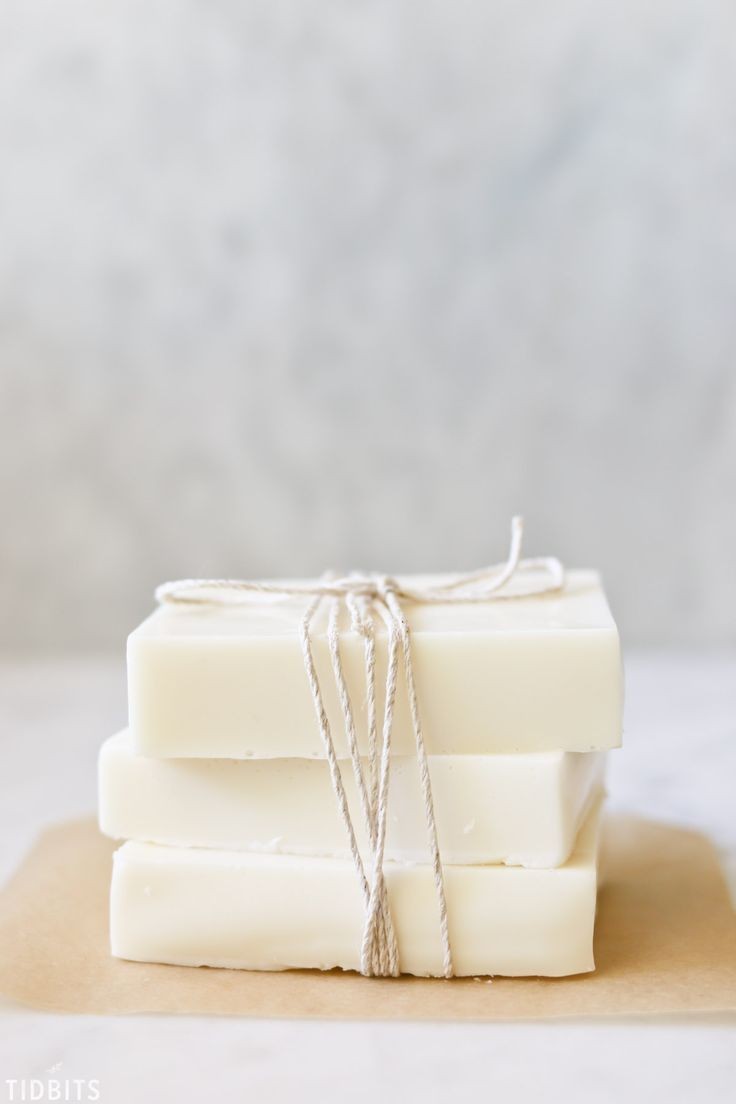
Next, apply the walnut-based product. If you’re using a scrub, take a small amount (about a teaspoon) and gently massage it onto damp skin using circular motions. Be very light-handed—let the granules do the work, not your pressure. Avoid scrubbing vigorously, as this can cause micro-tears. Focus on areas that tend to be rougher, like the T-zone (forehead, nose, and chin), and be extra gentle around the delicate eye area. If you’re using a mask, apply an even layer and leave it on for the time specified on the packaging, usually 5-10 minutes, then rinse off with lukewarm water.
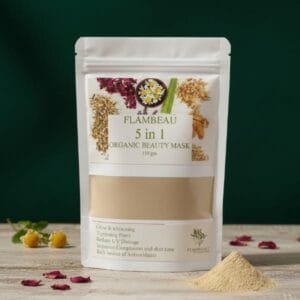
Rinse thoroughly with lukewarm water, not hot, as hot water can strip your skin of its natural oils. After rinsing, pat your skin dry with a clean towel—don’t rub. Immediately follow up with a moisturizer to lock in hydration. Exfoliating can temporarily increase your skin’s sensitivity, so a good moisturizer helps restore the skin barrier. Look for ingredients like hyaluronic acid, glycerin, or ceramides. You can also use a product like the 5-in-1 Organic Beauty Mask – Brighten & Hydrate Skin as a post-exfoliation treatment to soothe and nourish.
How often should you exfoliate with walnut extract? For most skin types, 1-2 times per week is sufficient. Over-exfoliating can lead to dryness, redness, and irritation, so it’s better to start with once a week and see how your skin responds. If you have oily or thick skin, you might tolerate twice a week, but if you have dry or sensitive skin, stick to once. Always listen to your skin—if it feels tight or looks red, reduce the frequency.
Timing also matters. It’s best to exfoliate in the evening, as this gives your skin time to recover overnight. Follow your exfoliation with your usual night-time skincare routine, including any serums or treatments. Avoid using other active ingredients like retinol or strong acids on the same night, as this can be too harsh. Instead, give your skin a break and focus on hydration and barrier repair.
Common Mistakes to Avoid When Using Walnut Scrub
Even with a gentle ingredient like walnut extract, there are pitfalls that can lead to irritation or ineffective results. One of the most common mistakes is using too much pressure. Remember, gentle circular motions are all you need—pressing hard can cause micro-tears in the skin, leading to redness and even long-term damage. Let the walnut particles do the work; they are designed to exfoliate without you having to scrub vigorously.
Another mistake is exfoliating too frequently. Some people think that if once a week is good, every day is better. This is a recipe for disaster. Over-exfoliation strips the skin of its natural barrier, leading to increased sensitivity, breakouts, and a dull appearance. Stick to the recommended frequency of 1-2 times a week, and if you’re using a product that also contains other exfoliating acids, adjust accordingly. Always read the label and follow the instructions.
Using walnut scrub on broken or sunburned skin is another no-no. If you have active acne, open wounds, or a sunburn, wait until your skin has healed before exfoliating. Exfoliating damaged skin can worsen inflammation and lead to scarring. Similarly, if you have a skin condition like eczema or psoriasis, consult your dermatologist before using any physical exfoliant, as it might aggravate your condition.
Not moisturizing after exfoliation is a common oversight. Exfoliation removes the top layer of dead skin cells, which can temporarily leave your skin more vulnerable. Skipping moisturizer can leave your skin feeling tight and dry. Always apply a rich moisturizer immediately after, and consider using a soothing ingredient like aloe vera or chamomile to calm the skin. For an extra boost, you can use a hydrating mask like the 5-in-1 Organic Beauty Mask to replenish moisture.
Finally, don’t ignore the importance of sunscreen. Exfoliation can make your skin more sensitive to the sun, increasing the risk of sunburn and hyperpigmentation. In Pakistan, where the sun is strong, it’s crucial to apply a broad-spectrum sunscreen with at least SPF 30 every morning, even if you exfoliated the night before. This will protect your skin and help maintain the even tone that exfoliation promotes.
What to Look for in Walnut Exfoliating Products
Not all walnut exfoliants are created equal. The key lies in the particle size and formulation. When shopping, look for products that specify “micro-fine” or “ultra-fine” walnut shell powder. These are less likely to cause micro-tears compared to coarser grinds. The texture should feel creamy or gel-based, not gritty like sand. If you can, feel a sample on your hand—it should glide smoothly, not scratch.
Also, consider the base of the product. A good walnut scrub should contain moisturizing and soothing ingredients to offset any potential dryness. Look for oils like jojoba, almond, or shea butter, as well as botanical extracts like green tea or chamomile. Avoid products that contain alcohol, which can be drying, or artificial fragrances, which can irritate sensitive skin. Natural preservatives are a plus, especially if you prefer organic skincare.
Check the pH level of the product. Your skin’s natural pH is slightly acidic (around 5.5). A scrub that is too alkaline can disrupt your skin barrier. Most reputable brands will list the pH or ensure it’s balanced. If not, you can assume it’s formulated correctly. Also, be mindful of the product’s shelf life—natural ingredients can degrade, so use it within the recommended time.
For Pakistani consumers, consider the climate. In humid months, a lighter gel-based scrub might be more comfortable, while in dry winter months, a creamier formula can provide extra moisture. Also, look for products that are locally available and suited to our weather. Brands like Flambeauty understand local needs, so their products are often well-formulated for our conditions. You can explore their Skin Care range to find suitable options.
Finally, read reviews and do a patch test. What works for one person might not work for you. Look for feedback from people with similar skin types. And remember, the most expensive product isn’t always the best. Sometimes, a simple, well-formulated scrub is all you need. For more tips on building a skincare routine, check out our blog.
Walnut Extract for Different Skin Types
Walnut extract is surprisingly versatile, but how you use it may vary based on your skin type. For dry skin, the key is to exfoliate gently and immediately hydrate. Use a walnut scrub that is rich in nourishing oils, and limit exfoliation to once a week. Follow up with a heavy moisturizer or facial oil. The natural oils in walnut extract can actually help replenish dry skin, making it a good choice if the product includes walnut kernel oil as well.
If you have oily or acne-prone skin, walnut extract can help unclog pores and remove excess oil. You might benefit from exfoliating twice a week, but be careful not to overdo it, as this can trigger more oil production. Look for a scrub that contains salicylic acid or tea tree oil, which can help with breakouts. After exfoliating, use a lightweight, oil-free moisturizer to keep your skin balanced. The anti-inflammatory properties of walnut can also help calm active breakouts.
Sensitive skin requires extra caution. Even though walnut extract is considered gentle, it’s still a physical exfoliant. Opt for a product with very fine particles and minimal additional ingredients. Test on a small area first. Exfoliate only once a week, and avoid combining it with other active ingredients like retinol or alpha-hydroxy acids. Use a soothing toner and a barrier-repairing moisturizer afterward. If you experience any redness or stinging, stop use and consult a dermatologist.
For combination skin, you can treat your T-zone slightly differently. Focus the scrub on your forehead, nose, and chin where oiliness is more common, and use a lighter touch on your cheeks. You can exfoliate your T-zone twice a week, but your cheeks only once. Always moisturize your entire face, but use a lighter lotion on the T-zone and a richer cream on the cheeks. This targeted approach ensures balance without over-drying.
Finally, if you have mature skin, exfoliation is crucial for boosting circulation and stimulating cell renewal. Walnut extract can help reduce the appearance of fine lines and age spots. Use it gently, and always follow with a nourishing night cream. The antioxidants in walnut extract help fight free radicals, which is a bonus for aging skin. Combine exfoliation with a diet rich in antioxidants—for more on that, read our guide on how diet affects your skin’s appearance.
DIY Walnut Scrub: A Simple Recipe
Making your own walnut scrub at home is simple and cost-effective. Start with 1 tablespoon of finely ground walnut powder (you can grind raw walnuts in a coffee grinder until they’re very fine, almost like sand). Mix this with 1 tablespoon of honey (a natural humectant) and 1 teaspoon of olive oil or almond oil for moisture. You can also add a few drops of essential oil like lavender, but skip it if you have sensitive skin. Mix until you have a thick paste.
To use, apply the mixture to damp skin and gently massage in circular motions for about 30 seconds. Rinse with lukewarm water and pat dry. This scrub is perfect for a weekly treat. The honey helps soothe and hydrate, while the oil provides additional nourishment. It’s a great way to control the ingredients and ensure they’re fresh and natural. However, be cautious about the particle size—if your homemade grind is too coarse, it can be harsh. Always test on a small area first.
Another variation is to mix walnut powder with yogurt. Yogurt contains lactic acid, which is a gentle chemical exfoliant, complementing the physical exfoliation of walnut. This combination is especially good for dull skin. Mix 1 tablespoon of walnut powder with 2 tablespoons of plain yogurt and apply as a mask for 10 minutes. Rinse off with cool water. This not only exfoliates but also brightens the skin. The lactic acid in yogurt helps to gently dissolve dead skin cells, while the walnut powder buffs them away.
For an anti-acne version, you can add a teaspoon of turmeric and a few drops of tea tree oil. Turmeric has anti-inflammatory properties, and tea tree oil is antibacterial. This can help soothe breakouts while exfoliating. Just be aware that turmeric can stain your skin if left on too long, so don’t exceed 10 minutes. Also, always patch test, especially if you have sensitive skin.
DIY scrubs are great, but they don’t have the preservatives of commercial products, so they won’t last long. Make only what you need for one or two uses. Store any leftover in the refrigerator for a day or two. If you prefer the convenience of a ready-made product, look for one that contains walnut extract as a key ingredient, like those from reputable brands. Remember, the key to gentle exfoliation is moderation and consistency, not harshness.
Frequently Asked Questions
Is walnut extract safe for sensitive skin?
Yes, but with caution. Walnut extract is generally gentle, but it’s still a physical exfoliant. Choose products with very fine particles and always patch test first. Exfoliate only once a week and follow with a soothing moisturizer.
Can I use walnut scrub every day?
No, daily exfoliation is too harsh and can damage your skin barrier. Limit use to 1-2 times a week, depending on your skin type. Over-exfoliating can lead to dryness, redness, and breakouts.
Does walnut extract help with acne scars?
Yes, regular gentle exfoliation can help fade the appearance of post-acne marks by promoting cell turnover. However, it’s not a quick fix—consistency over several weeks is needed. Always wear sunscreen to prevent darkening of scars.
Can I use walnut scrub on my body?
Absolutely. Walnut scrub is great for body exfoliation, especially on rough areas like elbows, knees, and feet. Use the same gentle circular motions and follow with a moisturizer to keep your skin smooth.
Conclusion
Walnut extract is a wonderful, natural way to exfoliate your skin gently and effectively. Its fine particles buff away dead cells without the harshness of many synthetic scrubs, while its nourishing properties leave your skin feeling soft and looking radiant. By understanding how to use it correctly—avoiding common mistakes, choosing the right product, and tailoring your routine to your skin type—you can enjoy all its benefits. Remember, gentle is the way to go, and consistency matters more than intensity. For more skincare tips, explore our blog or check out resources from the American Academy of Dermatology.
Frequently Asked Questions
Is walnut extract safe for sensitive skin?
Yes, but with caution. Walnut extract is generally gentle, but it's still a physical exfoliant. Choose products with very fine particles and always patch test first. Exfoliate only once a week and follow with a soothing moisturizer.
Can I use walnut scrub every day?
No, daily exfoliation is too harsh and can damage your skin barrier. Limit use to 1-2 times a week, depending on your skin type. Over-exfoliating can lead to dryness, redness, and breakouts.
Does walnut extract help with acne scars?
Yes, regular gentle exfoliation can help fade the appearance of post-acne marks by promoting cell turnover. However, it's not a quick fix—consistency over several weeks is needed. Always wear sunscreen to prevent darkening of scars.
Can I use walnut scrub on my body?
Absolutely. Walnut scrub is great for body exfoliation, especially on rough areas like elbows, knees, and feet. Use the same gentle circular motions and follow with a moisturizer to keep your skin smooth.
Written by Mishal Rehman, owner of Flambeauty — sharing practical, professional beauty and skincare guidance.
Updated: August 2026