Dry, brittle nails in winter? Discover expert tips to keep nails strong, hydrated, and healthy. From moisturising routines to diet, get salon-worthy nails...
To maintain healthy nails in winter, moisturise hands after every wash, wear gloves outdoors, use a nourishing cuticle oil daily, and avoid harsh soaps and acetone. Keep nails trimmed and file in one direction. Drink water and eat protein-rich foods. These habits prevent dryness, peeling, and breakage.
Why Winter Wrecks Your Nails (And What You Can Do About It)
Winter in Pakistan might not bring snow to most cities, but the dry, cold air of December and January in places like Lahore, Islamabad, and Quetta can still play havoc with your nails. Indoor heating, hot showers, and constant hand-washing strip away natural oils, leaving nails brittle and prone to peeling. Understanding why this happens is the first step to protecting your nails.
Nails are made of keratin, the same protein found in hair. When the air lacks humidity, keratin loses moisture and becomes less flexible. That’s why you might notice more snags, splits, and breaks during the cooler months. Unlike skin, nails can’t produce their own oil, so they rely on external moisture from creams and oils. Without a consistent moisturising routine, nails become dry and weak.
Another culprit is the sudden shift between cold outdoor air and warm, dry indoor heating. This temperature fluctuation causes nails to expand and contract, which can lead to micro-cracks. Add frequent hand-washing with hot water and harsh soaps, and you’ve got a recipe for brittle nails. Even everyday tasks like washing dishes without gloves can strip away the little moisture your nails have left.
But don’t worry—there’s plenty you can do. By adjusting your daily habits and incorporating a few targeted products, you can keep your nails strong and healthy all winter long. In this post, we’ll walk you through the best tips, from moisturising techniques to diet tweaks, so you can say goodbye to winter nail woes.
Essential Products and Ingredients for Winter Nail Care
When it comes to winter nail care, not all products are created equal. You need ingredients that deeply hydrate, strengthen, and protect. Look for moisturisers that contain hyaluronic acid, glycerin, or urea—these humectants draw water into the nail plate. Oils like jojoba, argan, and vitamin E are excellent because they penetrate the nail and cuticle without leaving a greasy film.
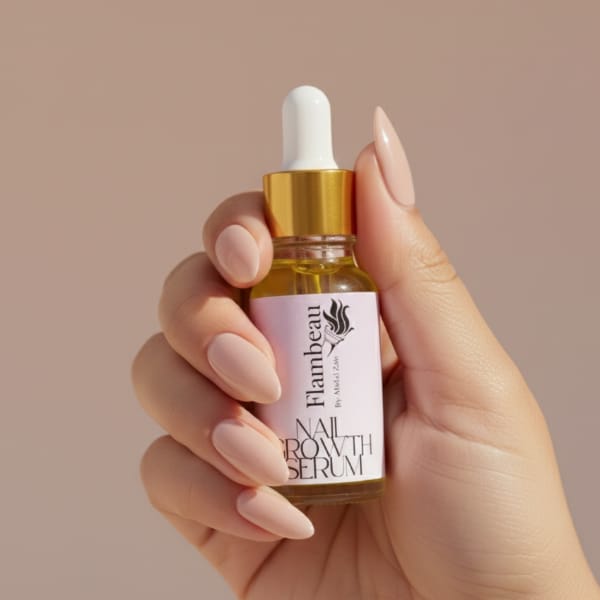
Cuticle oils are a winter must-have. They seal in moisture and prevent hangnails. Apply a drop to each nail and massage it in, especially after washing hands. If your nails are already peeling, consider a nail growth serum that contains peptides or biotin to support keratin production. For an all-in-one solution, a beauty care deal might include a hand cream, cuticle oil, and nail strengthener—great value for the season.
Don’t forget hand creams. A thick, fragrance-free cream with shea butter or ceramides is ideal for bedtime. Wear cotton gloves overnight to lock in moisture. Avoid products with alcohol or acetone, as they dry out nails further. When choosing nail polish, opt for breathable formulas and always use a base coat to prevent staining and dehydration.
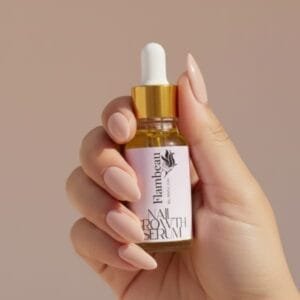
If you’re looking for specific product recommendations, check out our Nail Growth Serum – Helps Nails Grow Stronger, Healthier. It’s formulated with nourishing ingredients to support nail health during harsh weather. And if you want a complete set, the Beauty Care Deal bundles several essentials at a friendly price. Remember, consistency is key—use these products daily for best results.

Step-by-Step Winter Nail Care Routine
Creating a simple yet effective routine is the best way to protect your nails. Here’s a step-by-step guide you can follow at home. Start by cleansing gently—use lukewarm water and a mild soap instead of hot water and harsh detergents. Pat hands dry with a soft towel, leaving a bit of moisture.
Next, exfoliate once a week. A gentle sugar scrub removes dead skin around cuticles and stimulates circulation. Massage it in circular motions, then rinse. Follow with a hydrating mask or a thick layer of hand cream. For an extra boost, warm the cream slightly before applying.
Then, apply cuticle oil or serum to each nail. Massage it into the nail bed and cuticle, pushing back cuticles gently with a rubber pusher (never cut them). This improves blood flow and helps nutrients absorb. If you use a nail growth serum, apply it now. Let it sit for a few minutes before moving on.
Finally, moisturise your hands thoroughly, paying attention to knuckles and between fingers. If you’re heading outdoors, apply a protective hand cream with SPF (yes, UV rays can damage nails too) and wear gloves. At night, apply a thicker balm and slip on cotton gloves for deep hydration. Repeat this routine daily, and your nails will thank you.
Common Mistakes That Make Winter Nail Dryness Worse
Even with good intentions, some habits can sabotage your nail health. Using acetone-based polish removers is one of the biggest culprits—it strips away natural oils and leaves nails white and flaky. Switch to acetone-free removers or use a peel-off base coat to minimise damage.
Another mistake is over-washing hands with hot water. While hygiene is important, hot water dehydrates. Use lukewarm water and moisturise immediately after. Also, avoid using your nails as tools to open cans or peel labels; this causes micro-tears that lead to breaks. Keep a small tool handy instead.
Biting your nails or picking at cuticles is a common nervous habit that worsens dryness. The saliva further dries out the nail plate, and picking creates open wounds that can get infected. Try to keep hands busy with a stress ball or fidget toy. If you wear polish, it can act as a barrier and discourage biting.
Lastly, don’t ignore your diet. A lack of protein, iron, or biotin can make nails weak from the inside. Include eggs, nuts, leafy greens, and lentils in your meals. And if you’re using a nail hardener, don’t overdo it—excessive use can make nails brittle. Follow the instructions and take breaks between applications.
Adapting Your Routine for Different Nail Types
Not all nails are the same, and winter care should be tailored. If you have dry, brittle nails, focus on heavy moisturising with oils and balms. Look for products with lanolin or shea butter. Avoid water-based polishes that can further dry nails. For oily nails, you might think you’re safe, but winter still strips moisture. Use lighter oils like jojoba and a strengthening base coat to prevent peeling. Peeling nails benefit from regular trimming and filing in one direction to avoid layers separating. Apply a ridge-filling base coat to smooth texture.
Sensitive nails prone to redness or irritation need fragrance-free, hypoallergenic products. Patch test any new product on a small area before full application. If you have weak, flexible nails, a nail growth serum with biotin and calcium can help. And for those with ridged nails, buffing gently (once a week max) can improve appearance, but over-buffing thins the nail. Always follow with a hydrating oil.
If you wear acrylics or gel polish, winter dryness can cause lifting and infections. Give your nails a break between appointments and moisturise the natural nail underneath. Consider a biotin supplement if your diet lacks it, but consult a doctor first.
Choosing the Right Products: What to Look For
When shopping for winter nail care, read labels carefully. Look for humectants like glycerin, hyaluronic acid, and panthenol to attract moisture. Emollients such as jojoba oil, squalane, and shea butter seal it in. Occlusives like beeswax or lanolin create a protective barrier. Avoid ingredients like acetone, alcohol, and formaldehyde, which are drying and irritating.
For cuticle oils, choose ones with vitamin E and jojoba—they’re lightweight and absorb quickly. Hand creams should be thick but non-greasy; ceramides and niacinamide are great for repairing the skin barrier. If you use a nail strengthener, opt for one with hydrolysed wheat protein or calcium. And always check for the Dermatologically tested label if you have sensitive skin.
Don’t forget the importance of a good base coat. It not only protects nails from staining but also adds a layer of hydration. Look for formulas with nail-friendly ingredients like biotin or keratin. And when removing polish, choose a gentle, acetone-free remover that contains moisturising agents.
For a curated selection of winter-friendly nail products, explore our nail care category. We’ve handpicked items that are effective and gentle. And for more seasonal tips, browse our blog archive. You might also enjoy our post on natural remedies for nail discoloration from polish.
Diet and Hydration: Nourish from Within
What you eat affects your nails. Protein is essential because nails are made of keratin. Include eggs, chicken, fish, and legumes in your diet. Biotin, a B vitamin, supports nail strength; find it in nuts, seeds, and sweet potatoes. Iron deficiency can cause spoon-shaped nails, so eat spinach, red meat, and fortified cereals. Calcium and magnesium are also important for nail health—dairy, leafy greens, and bananas are good sources.
Hydration is equally crucial. In winter, we often forget to drink water because we don’t feel thirsty, but indoor heating dehydrates you. Aim for 8-10 glasses of water daily. Herbal teas and soups also count. Limit caffeine and alcohol, which are diuretics and can dry you out further.
Consider a supplement if your diet is lacking, but always consult a healthcare professional first. Biotin supplements are popular, but they can interfere with lab tests. A balanced diet is usually enough. And remember, results take time—nails grow slowly, so give it a few months.
When to See a Doctor
While most winter nail issues are cosmetic, some signs warrant medical attention. If you notice persistent discoloration, thickening, or separation of the nail from the nail bed, it could be a fungal infection. Redness, swelling, or pain around the cuticle might indicate paronychia, an infection that needs treatment. Vertical ridges are usually normal with age, but horizontal ridges (Beau’s lines) can signal illness or nutritional deficiency.
If your nails are extremely brittle and break easily despite home care, see a dermatologist. They can rule out underlying conditions like hypothyroidism or anemia. Also, if you have diabetes, nail care is especially important—small cuts can become serious. Never ignore signs of infection.
For trusted nail care advice, refer to the American Academy of Dermatology. They provide evidence-based tips for maintaining healthy nails. And if you’re looking for natural remedies, our post on gram flour (besan) for skin might inspire you to try kitchen ingredients for nails too—though always do a patch test.
Frequently Asked Questions
How often should I moisturise my nails in winter?
You should moisturise your hands and nails at least after every hand wash, and apply a thicker balm before bed. Using a cuticle oil 1-2 times daily also helps. Consistency is key to preventing dryness.
Can I use the same products for my nails and skin?
Yes, many hand creams and oils are safe for both, but nails benefit from specific ingredients like biotin or keratin. A dedicated nail serum can provide targeted strengthening. Always check labels for nail-friendly formulas.
Are nail supplements necessary for winter nail health?
Not always. A balanced diet rich in protein, biotin, and iron usually suffices. Supplements can help if you have a deficiency, but consult a doctor before starting any. Over-supplementation can be harmful.
How can I prevent nail polish from drying out my nails?
Use a hydrating base coat and avoid acetone-based removers. Give your nails breaks between polish applications to breathe. Also, choose breathable polish formulas that allow moisture to pass through.
Written by Mishal Rehman, owner of Flambeauty — sharing practical, professional beauty and skincare guidance.
Updated: September 2026