Say goodbye to yellow nails from polish! Discover natural remedies, step-by-step routines, and product picks to restore clear, healthy-looking nails.
Nail discoloration from polish use—often a yellow or brown tint—can be improved with natural remedies like lemon juice, baking soda, tea tree oil, and hydrogen peroxide, plus giving nails regular polish-free breaks. Consistent care and gentle buffing help restore a clearer, healthier appearance over time.
Why Nail Polish Causes Discoloration
If you’ve noticed your nails turning yellow or brown after months of wearing polish, you’re not alone. This is a common issue, especially among those who love a fresh manicure. The discoloration typically happens because the pigments in nail polish—particularly darker shades like reds, oranges, and blues—can seep into the nail plate, especially if you apply polish without a base coat. The nail plate is porous, and over time, these pigments penetrate deeper, leading to a stubborn stain that doesn’t come off with regular cleansing.
Another culprit is the formaldehyde or toluene found in some conventional polishes. These chemicals can react with the keratin in your nails, causing a yellowish hue. Additionally, if you frequently use acetone-based polish removers, they strip away natural oils, leaving nails dry and more susceptible to staining. Even the lack of oxygen exchange—when nails are constantly covered—can contribute to a dull, discolored look.
Understanding why this happens is the first step to treating it. Prevention is key, but if you already have discoloration, natural remedies can help fade it. In this post, we’ll explore effective, gentle solutions using ingredients you likely have at home. We’ll also share a step-by-step routine, common mistakes to avoid, and how to choose the right products for your nail type. Whether you’re dealing with mild yellowing or deeper stains, there’s a natural approach that can help.
Natural Remedies That Actually Work
When it comes to fading nail discoloration, nature offers several powerful yet gentle options. One of the most popular is lemon juice, which contains citric acid—a natural bleaching agent. Simply soak your nails in fresh lemon juice for 10 minutes, then rinse. Do this a few times a week, but be cautious: lemon juice can be drying, so follow with a moisturizer. Another effective remedy is baking soda. Mix it with a little water to form a paste, then scrub your nails gently with a soft toothbrush. Baking soda is mildly abrasive and helps lift surface stains.
Tea tree oil is another star ingredient. It has antifungal and antibacterial properties, which can help if the discoloration is due to a fungal infection (common when nails are constantly covered). Dilute a few drops with a carrier oil like coconut oil and massage into nails daily. Similarly, hydrogen peroxide (the 3% solution from your pharmacy) can be used as a soak. Mix one part hydrogen peroxide with two parts water and soak nails for 10 minutes. This can help lighten stains, but don’t overdo it—once or twice a week is plenty.
For a more nourishing option, try a vinegar soak. Apple cider vinegar has acetic acid that can help break down stains. Mix equal parts vinegar and water, soak for 15 minutes, then rinse. And don’t forget the power of aloe vera—it’s not just for burns. The gel contains compounds that can help repair and brighten nails. Apply fresh aloe vera gel to your nails and cuticles, leave for 15 minutes, then rinse. Consistent use of any of these remedies can lead to visibly clearer nails over a few weeks.
Step-by-Step Routine to Restore Clear Nails
To effectively address discoloration, you need a consistent routine. Here’s a simple weekly plan that combines the best natural remedies. Step 1: Remove all polish and give your nails a break. Use a gentle, acetone-free remover to avoid further drying. Let your nails breathe for at least a week—this alone can make a difference. Step 2: Soak and exfoliate. Once a week, soak your nails in a mixture of warm water and a few drops of tea tree oil for 10 minutes. Then, gently buff the surface of your nails with a fine buffer to remove the top layer of stains. Don’t over-buff; once a week is enough.
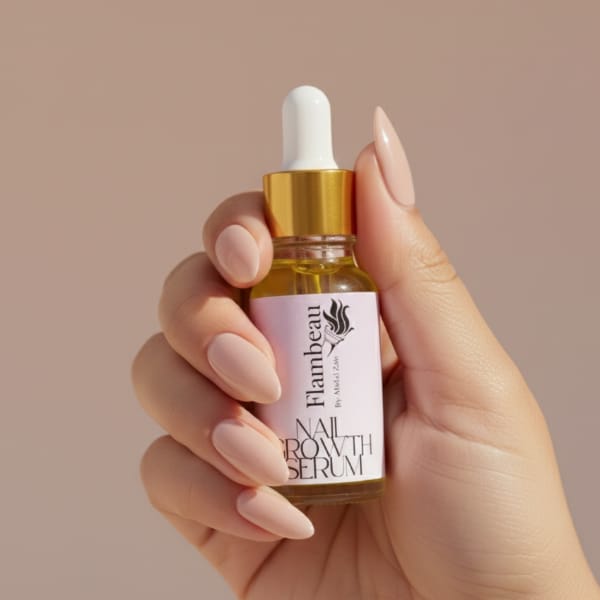
Step 3: Apply a natural brightening treatment. Choose one remedy from the list above—like lemon juice or baking soda paste—and apply it 2-3 times a week. For lemon juice, soak for 10 minutes; for baking soda, scrub gently. Step 4: Moisturize and protect. After each treatment, apply a nourishing cuticle oil or a product like our Nail Growth Serum – Helps Nails Grow Stronger, Healthier. This serum is designed to strengthen nails and promote a healthier appearance, which can help prevent future discoloration.

Step 5: Always use a base coat. Before applying any polish, apply a base coat to create a barrier between the nail and the pigments. This is crucial for prevention. Step 6: Repeat and be patient. Natural remedies take time—expect a few weeks to see noticeable improvement. Consistency is key. If you’re looking for a complete nail care routine, check out our nail care category for more tips and products.
Common Mistakes to Avoid
Even with the best intentions, certain habits can worsen discoloration. Mistake 1: Overusing harsh remedies. Lemon juice and hydrogen peroxide are effective but can be damaging if used too frequently. Limit treatments to 2-3 times a week and always dilute hydrogen peroxide. Mistake 2: Skipping moisturizer. Many natural remedies are drying, so it’s essential to follow with a hydrating product. Dry nails are more prone to staining and breakage.
Mistake 3: Not giving nails a break from polish. Constantly wearing polish, especially without a base coat, is the primary cause of discoloration. Aim to go polish-free for at least one week every month. Mistake 4: Using metal tools to push back cuticles. This can damage the nail bed and lead to infection. Use a wooden orange stick instead. Mistake 5: Ignoring underlying health issues. If discoloration persists despite your efforts, it could be a sign of a fungal infection or another condition. Consult a dermatologist.
Another common mistake is not patch testing new remedies. Some people are sensitive to lemon juice or tea tree oil. Always do a small test on one nail before applying to all. Also, avoid using the same buffer on multiple nails without sanitizing—this can spread bacteria. Lastly, don’t expect overnight results. Natural remedies work gradually, so stay consistent and patient.
Choosing the Right Products for Your Nail Type
Not all nails are the same, and your approach should be tailored. If you have dry, brittle nails, focus on moisturizing remedies like aloe vera and coconut oil. Avoid lemon juice, which can be further drying. Instead, use a baking soda paste once a week and follow with a rich cuticle cream. For oily nails, you can handle stronger remedies like hydrogen peroxide, but still moisturize to maintain balance. If your nails are sensitive or prone to peeling, stick to gentle options like tea tree oil diluted in jojoba oil, and avoid buffing.
If you have fungal infections (which can cause discoloration), tea tree oil and vinegar soaks are your best bets. However, if the infection is severe, see a doctor. For those with healthy nails just dealing with mild staining, a combination of lemon juice and baking soda works well. Remember, always patch test first to avoid allergic reactions. When choosing commercial products, look for ones free of formaldehyde, toluene, and DBP (the “toxic trio”). Our Beauty Care Deal includes nail-friendly products that are gentle and effective.

Also consider the type of polish you use. Water-based polishes are less likely to stain than traditional lacquers. And always use a base coat—it’s non-negotiable. If you’re unsure where to start, our blog archive has guides on building a nail care routine. For related reading, check out our post on herbal remedies for acne, as many natural ingredients overlap.
When to Seek Professional Help
While natural remedies can address cosmetic discoloration, some situations require a dermatologist’s attention. If your nails have dark streaks, black spots, or changes in shape, these could be signs of melanoma or other serious conditions. Also, if you experience pain, swelling, or redness around the nails, it might be an infection that needs medical treatment. Additionally, if discoloration persists after months of natural care, it’s wise to get a professional opinion.
For those with underlying health issues like diabetes or psoriasis, nail changes can be more complex. Always consult your healthcare provider before trying new remedies. And remember, according to the American Academy of Dermatology, keeping nails clean, dry, and trimmed is essential for overall nail health. They also recommend avoiding tight shoes and using moisturizer regularly.
In conclusion, natural remedies for nail discoloration from polish use are effective, affordable, and gentle. With consistent care, you can restore your nails to a clearer, healthier state. Remember to give your nails breaks, use a base coat, and moisturize diligently. For more tips, explore our nail care collection.
Frequently Asked Questions
How long does it take for natural remedies to fade nail discoloration?
It typically takes a few weeks of consistent use to see noticeable improvement. Factors like the severity of staining and nail growth rate affect timing. Patience and regular application are key.
Can I use lemon juice on my nails every day?
No, lemon juice is acidic and can dry out nails if used daily. Limit to 2-3 times a week and always follow with a moisturizer to prevent damage.
Is it safe to use hydrogen peroxide on nails?
Yes, but only diluted (1 part peroxide to 2 parts water) and no more than twice a week. Overuse can weaken nails. Patch test first.
What's the best way to prevent discoloration from polish?
Always apply a base coat before polish, give your nails breaks from polish regularly, and avoid acetone-based removers. Moisturizing also helps maintain nail health.
Written by Mishal Rehman, owner of Flambeauty — sharing practical, professional beauty and skincare guidance.
Updated: September 2026